
Guides & blogs
We publish what we can verify, and cite what we rely on.
Start here
Mimosa Hostilis Root Bark: A Dyer's Handbook
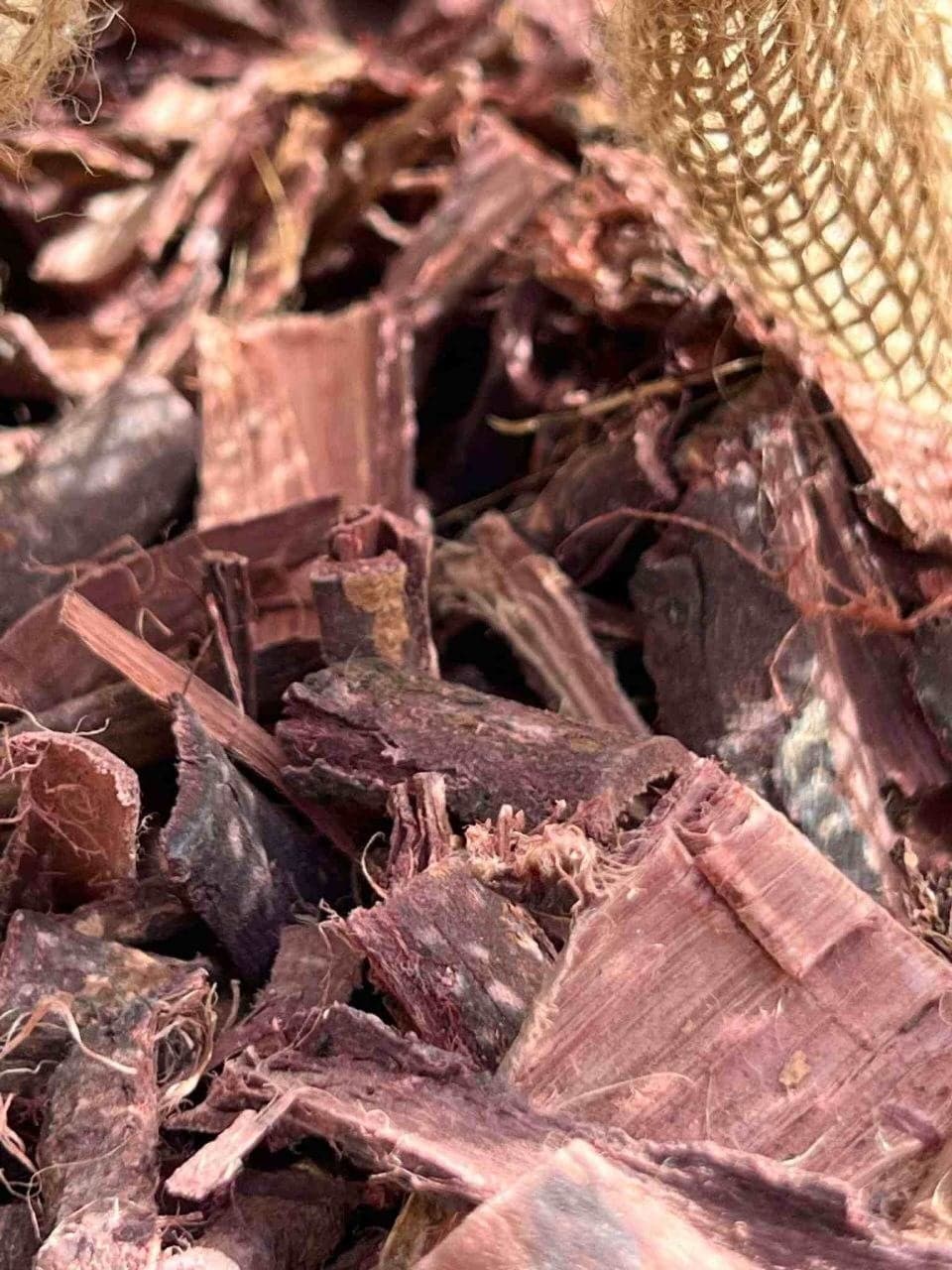
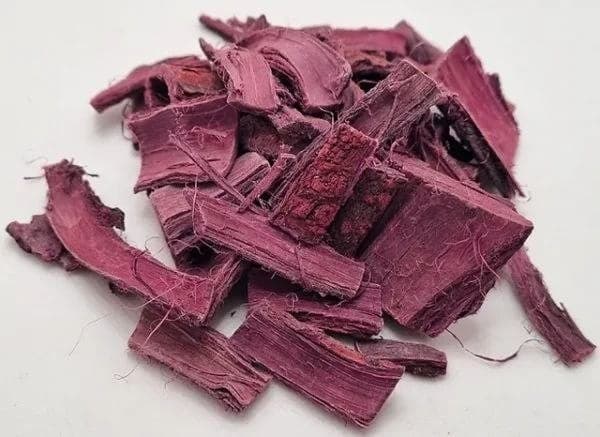
Mimosa hostilis root bark is the inner bark of the root of Mimosa tenuiflora, a fast-growing tree of north-eastern Brazil and southern Mexico. Dyers buy it for one reason: it is unusually rich in tannin, and tannin on protein fibre gives purple. It is sold by the pound in three cuts.
9 related blogs
How to Read a Certificate of Analysis for Root Bark
Check four things in this order: does the batch code on the report match the bag in your hand, when was it tested, is the laboratory accredited for those tests, and does the report cover species identity and contaminants such as heavy metals and microbes. A report that fails the first check describes different material.
6 related blogs
How to Order Root Bark Here, and How Payment Works
You order here by sending a request, not a payment. A person checks the stock and your address, then sends payment details in your order chat and by email for the method you chose: Cash App, Chime, Apple Cash or Bitcoin. Once payment arrives, the bark is weighed, nitrogen-sealed and shipped from California with tracking.
2 related blogs
The botanical range
The trees, the three cuts, what tannin does, and how to buy and keep a pound so it is still worth using next year.
 The botanical range
Shipping Mimosa Hostilis Root Bark Outside the United States
We are a US business first, but we also ship Mimosa hostilis and sassafras root bark to other countries. Each international order is quoted separately, because the cost of sending bark abroad depends on its weight. Ask through the bulk enquiry form, choose Outside the United States, and check your own country's import rules for plant material before you order.
 The botanical range
Mimosa Hostilis and Mimosa Tenuiflora: One Plant, Two Names
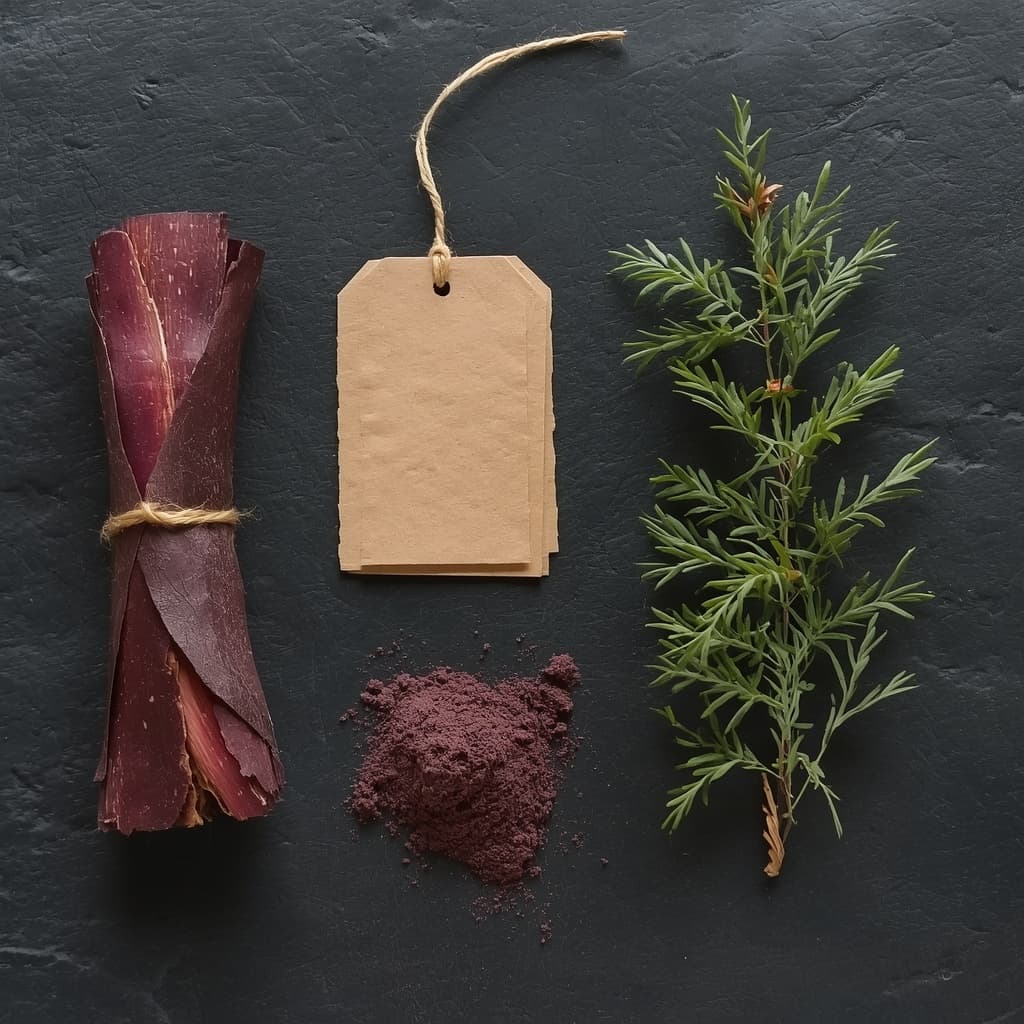
Mimosa hostilis and Mimosa tenuiflora are the same tree. Mimosa tenuiflora is the botanical name in current use and Mimosa hostilis is an older synonym that the dye trade kept. Jurema preta and tepezcohuite are its common names. It is not the leather trade's mimosa, the sensitive plant, or the pink-flowered mimosa tree of American gardens.
 The botanical range
Milling Your Own Powder From Bark
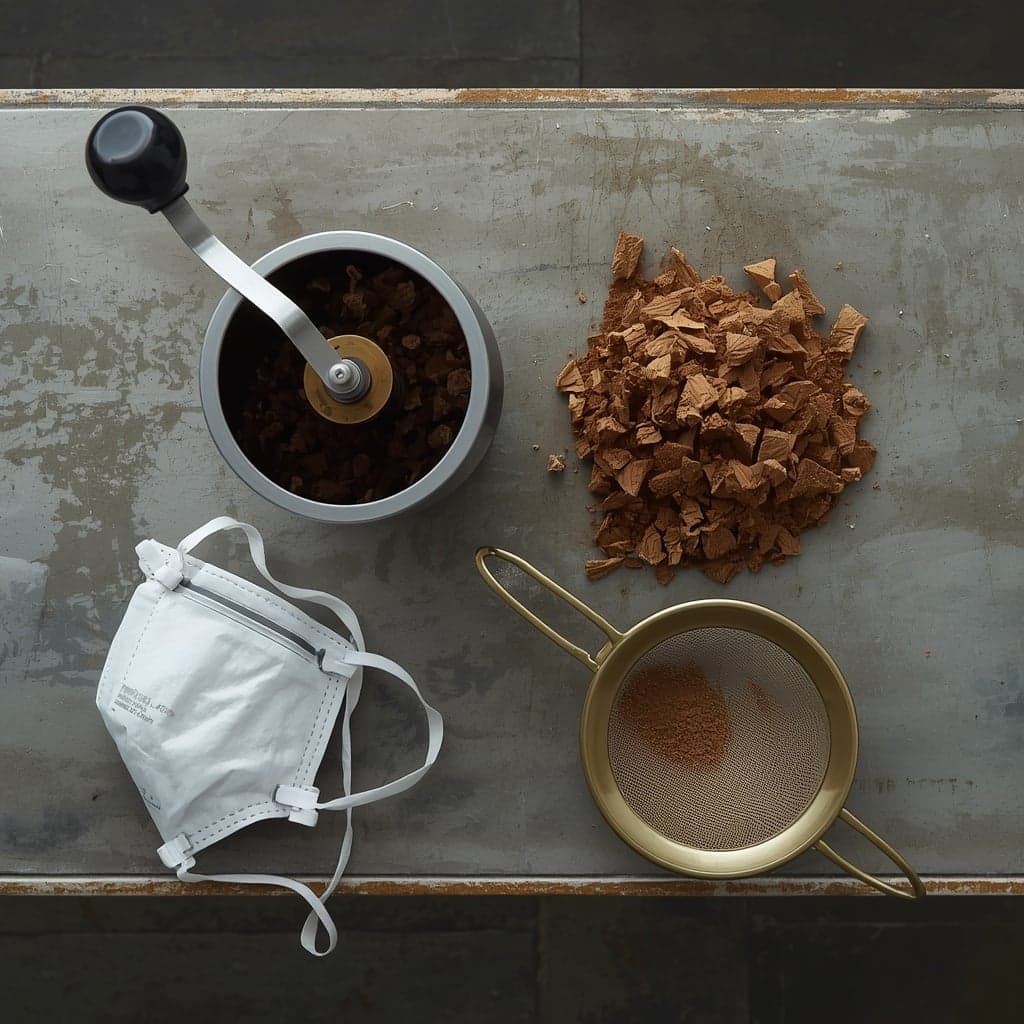
A coffee or spice grinder will take shredded bark to a usable powder in short bursts, sieved between passes. It is worth doing when you want one cut in the cupboard and both in the pot; it is not worth doing for volume, because domestic grinders overheat and the dust is considerable.
 The botanical range
Sassafras Albidum, a North American Dye Tree
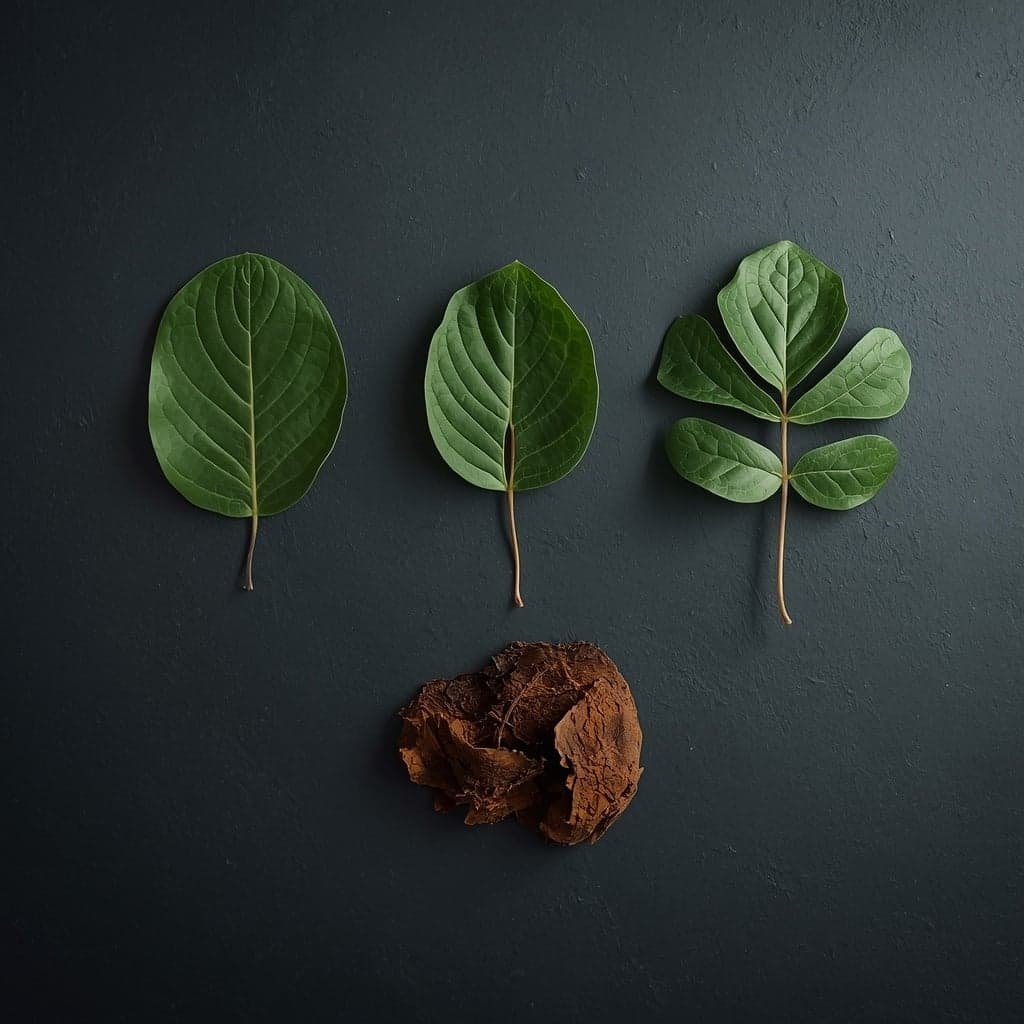
Sassafras albidum is a small deciduous tree of eastern North America, recognised by three leaf shapes on the same branch: unlobed oval, two-lobed mitten and three-lobed. Its aromatic root bark is used by dyers for rose-tan and orange-brown shades, and greys with an iron modifier.
 The botanical range
Working Safely With Fine Milled Bark
Any finely milled plant material makes an airborne dust that irritates eyes, nose and airways. Open the bag at waist height in still air, wear a fitted P2 or N95 mask when weighing or milling, wipe surfaces damp rather than sweeping, and keep it away from food areas and pets.
 The botanical range
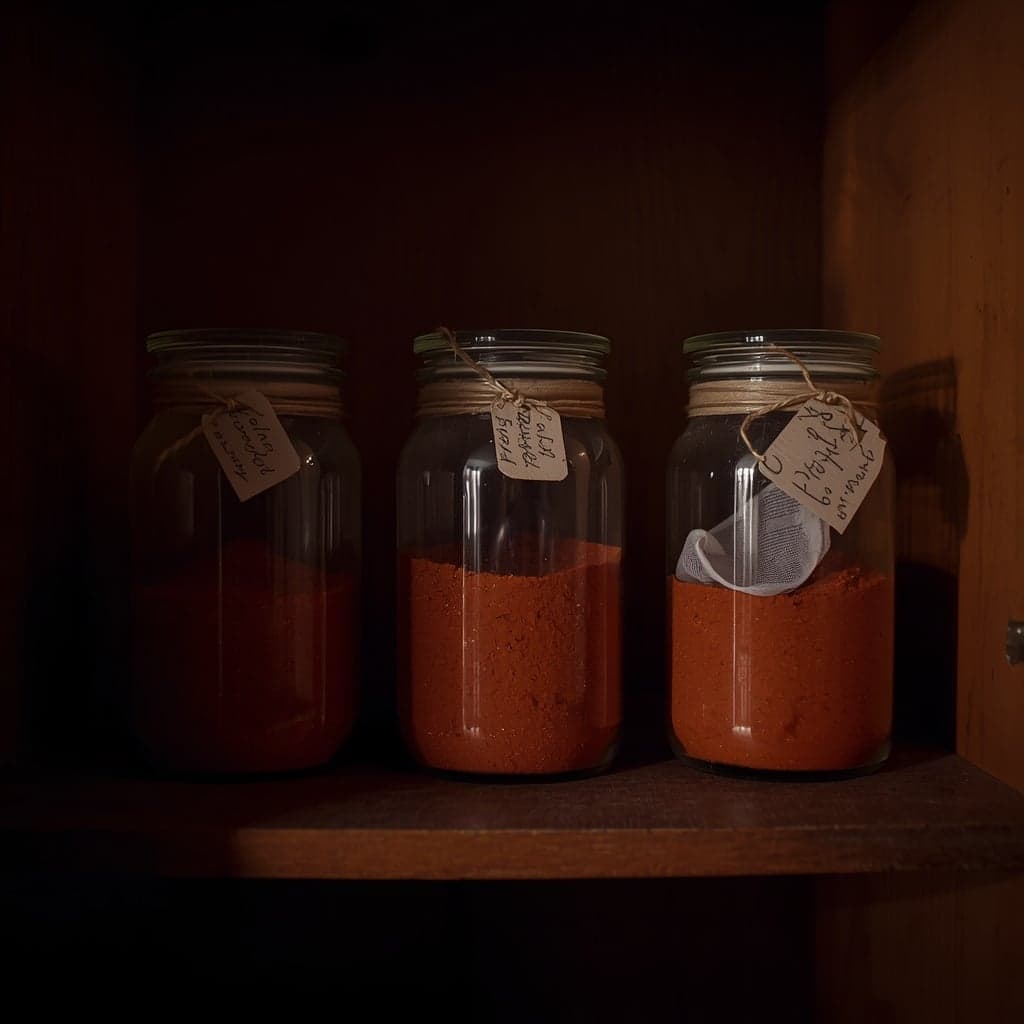
Buying Dye Material by the Pound
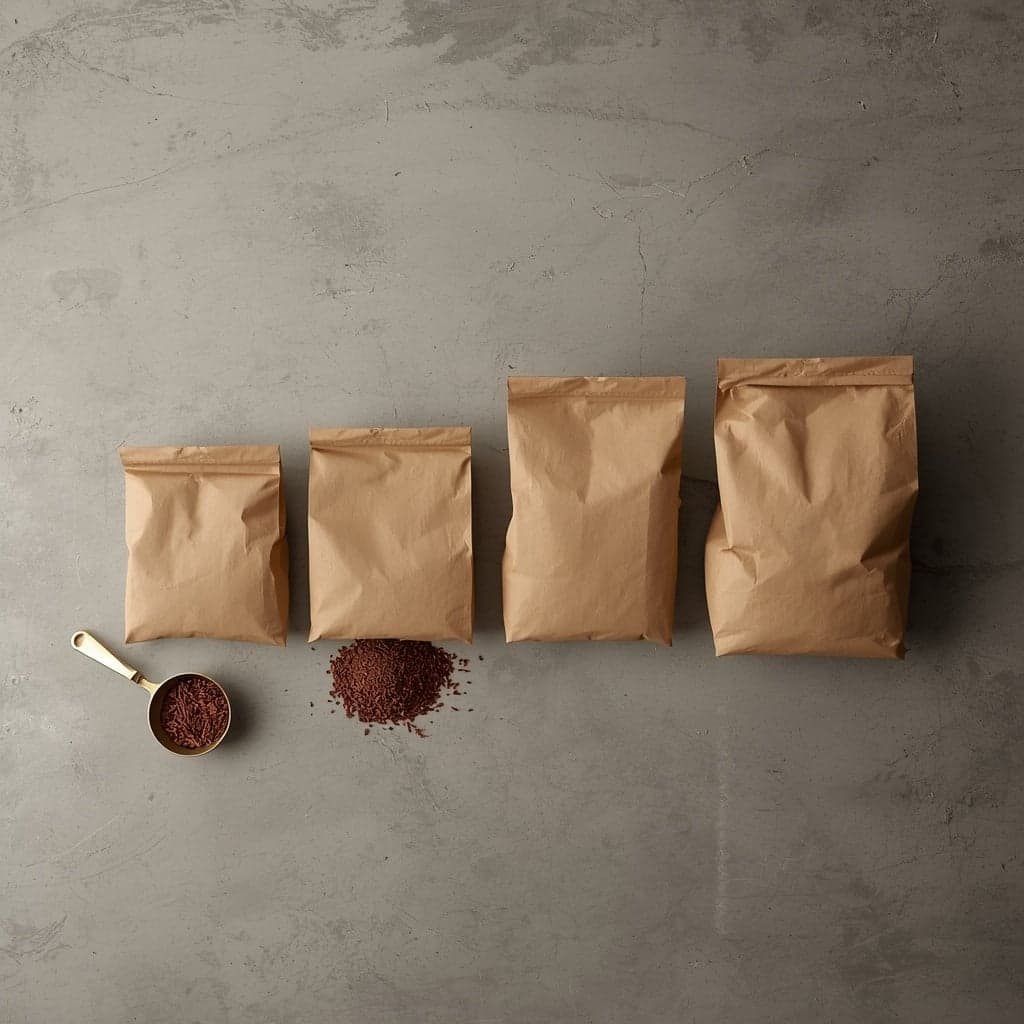
A pound of root bark dyes roughly one to two pounds of wool at useful depth, and two or three times that if you work the exhaust baths. Buying one larger batch also keeps colour consistent across a run, which matters more than the saving for anyone selling finished work.
 The botanical range
Storing Root Bark So It Lasts
Bark does not expire on a date. It is spoiled by damp, heat and light, in that order. Sealed, dry, dark and at an even temperature, a bag holds its colour for years; in a garage that swings from freezing to forty degrees, powder cakes and a year is optimistic.
 The botanical range
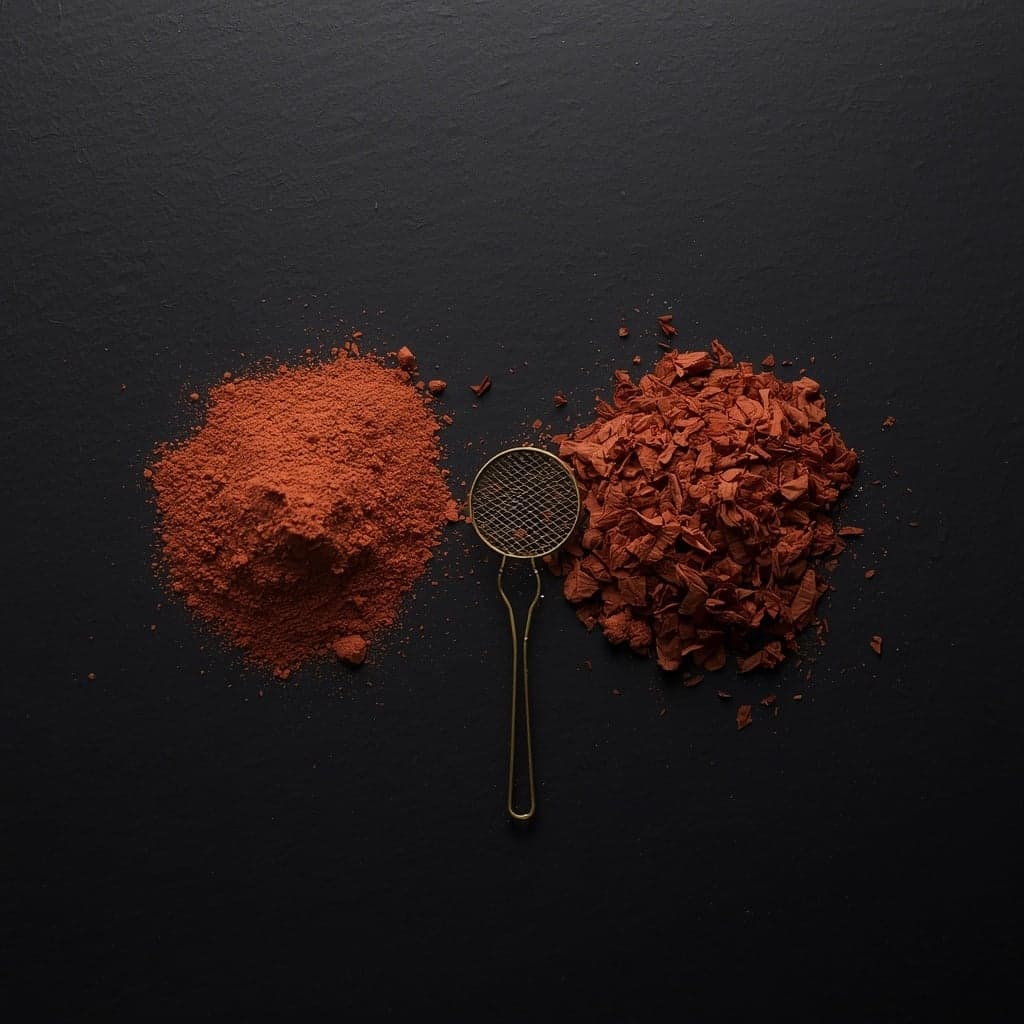
What Tannins Do in a Dye Bath
Tannins bind to protein and to metal ions. That single property explains why tannin-rich bark takes so strongly on wool and silk, why it needs help on cotton, why a pinch of iron darkens a whole pot, and why hard water quietly dulls a colour you had judged in the jar.
 The botanical range
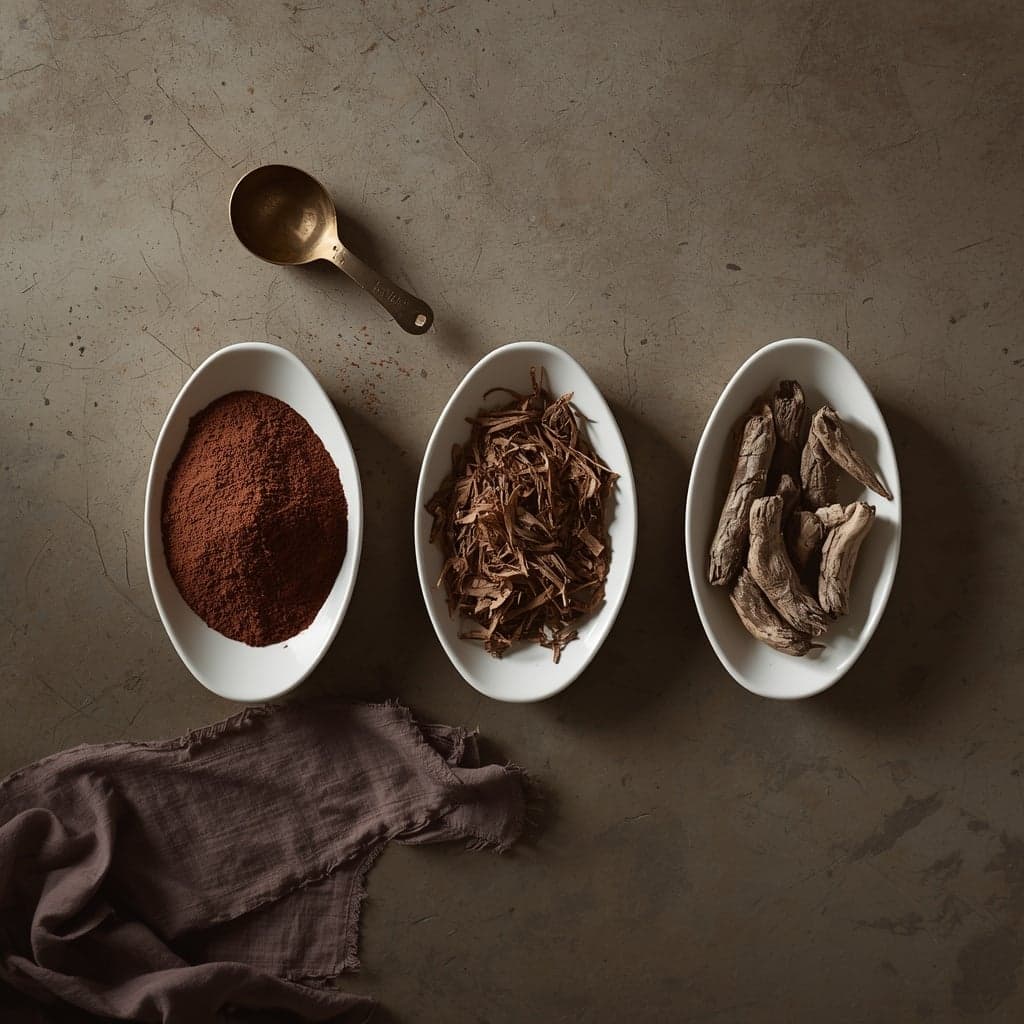
Why Particle Size Changes Everything in a Dye Pot
Milling does not add colour to bark. It multiplies the surface where colour crosses into water, and that one change explains why powder works faster, strains harder, floats, spoils sooner and gives no second bath. Understand the mechanism once and the rest follows without a list.
 The botanical range
The Three Cuts of Mimosa Root Bark, and Who Each One Suits
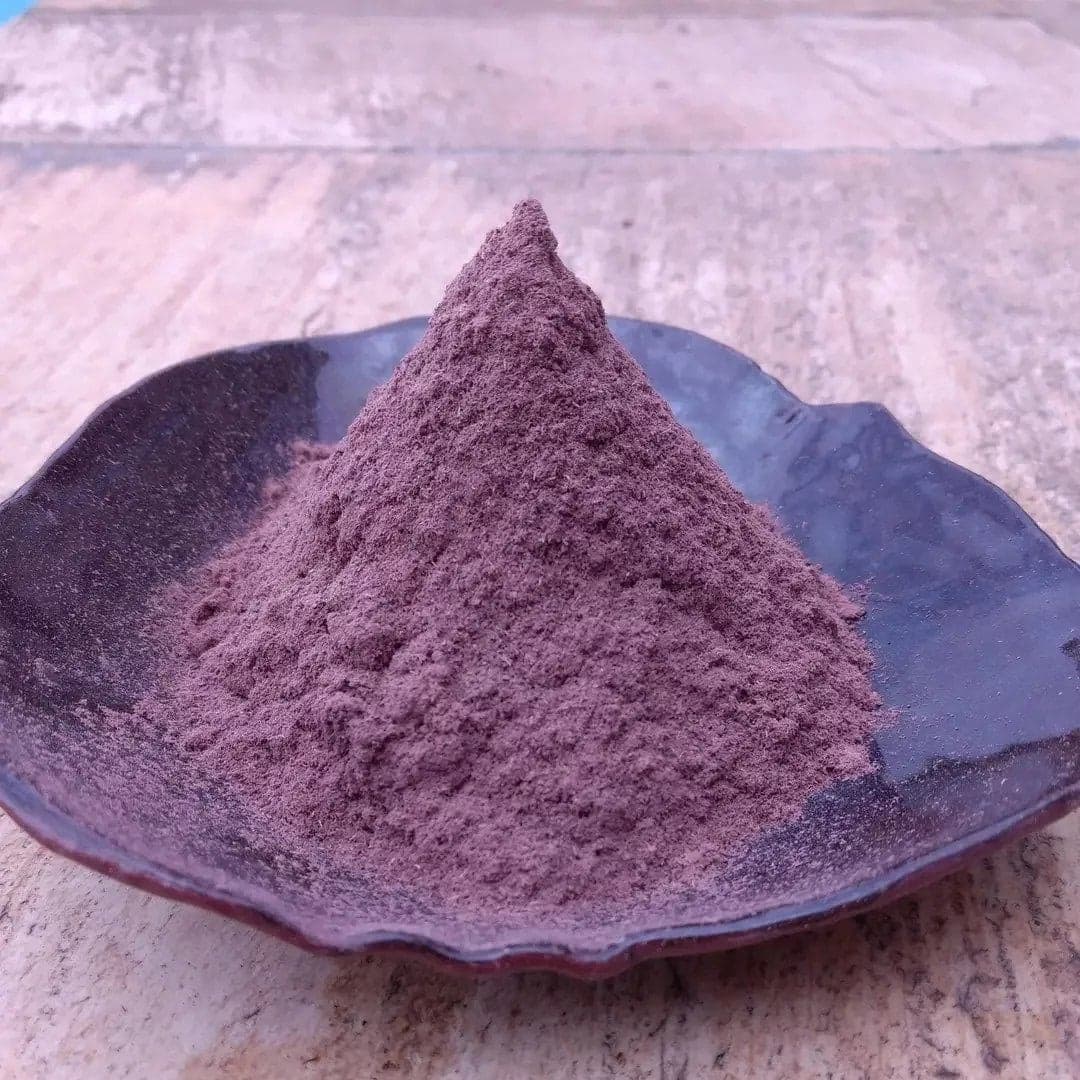
Powder, shredded bark and stripped root are one material cut three ways. Powder gives colour fastest and filters worst. Shredded sits in the middle and is what most regular dyers settle on. Stripped root keeps longest and asks for the most preparation before it is useful.
Dyeing technique
Fifteen articles of working numbers: what to weigh, how hot to hold it, and which single variable to change next. Repeatable, not inspirational.
 Dyeing technique
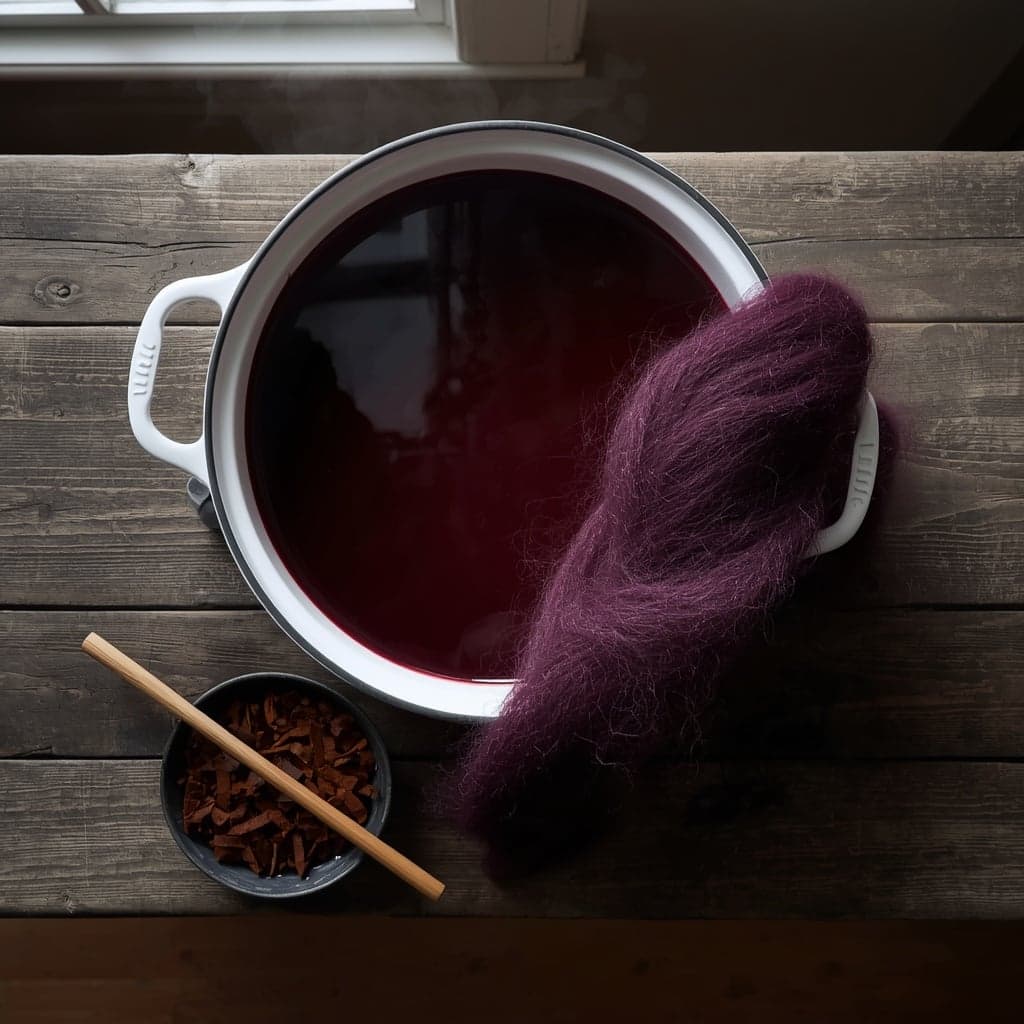
Natural Dyeing With Mimosa Root Bark, Start to Finish
One bath, start to finish: scour the fibre, mordant it with alum at twelve per cent of its dry weight, soak the bark overnight, hold the pot at eighty degrees for an hour, and let it cool with the fibre in it. Everything else in this section is a variation on those five steps.
 Dyeing technique
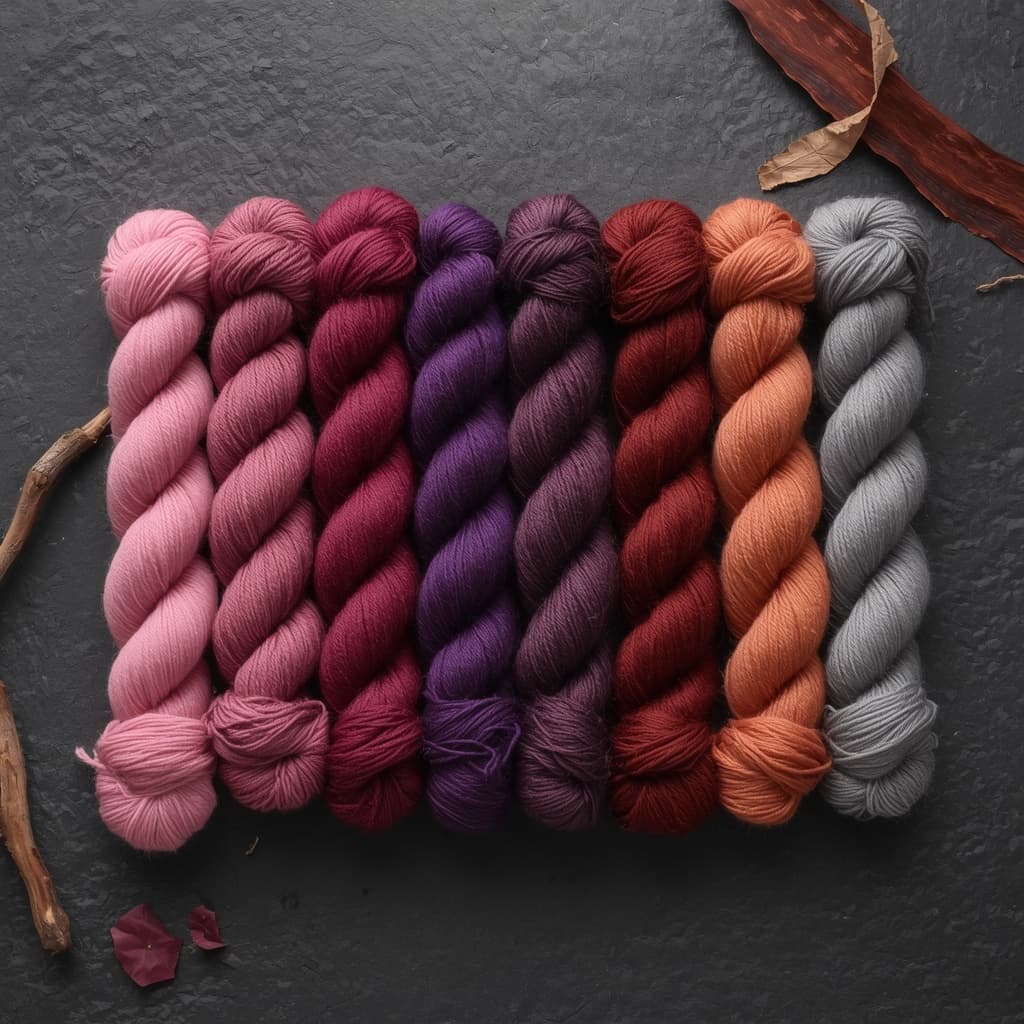
Overdyeing With Mimosa Hostilis: Purples, Rusts and Greys
Overdyeing is dyeing one color on top of another. Mimosa hostilis gives rose to plum, so over indigo blue it makes violet and deep purple, over a yellow dye it makes peach, coral and rust, and with iron it turns grey and slate. Dye small samples first, and change only one thing between them.
 Dyeing technique
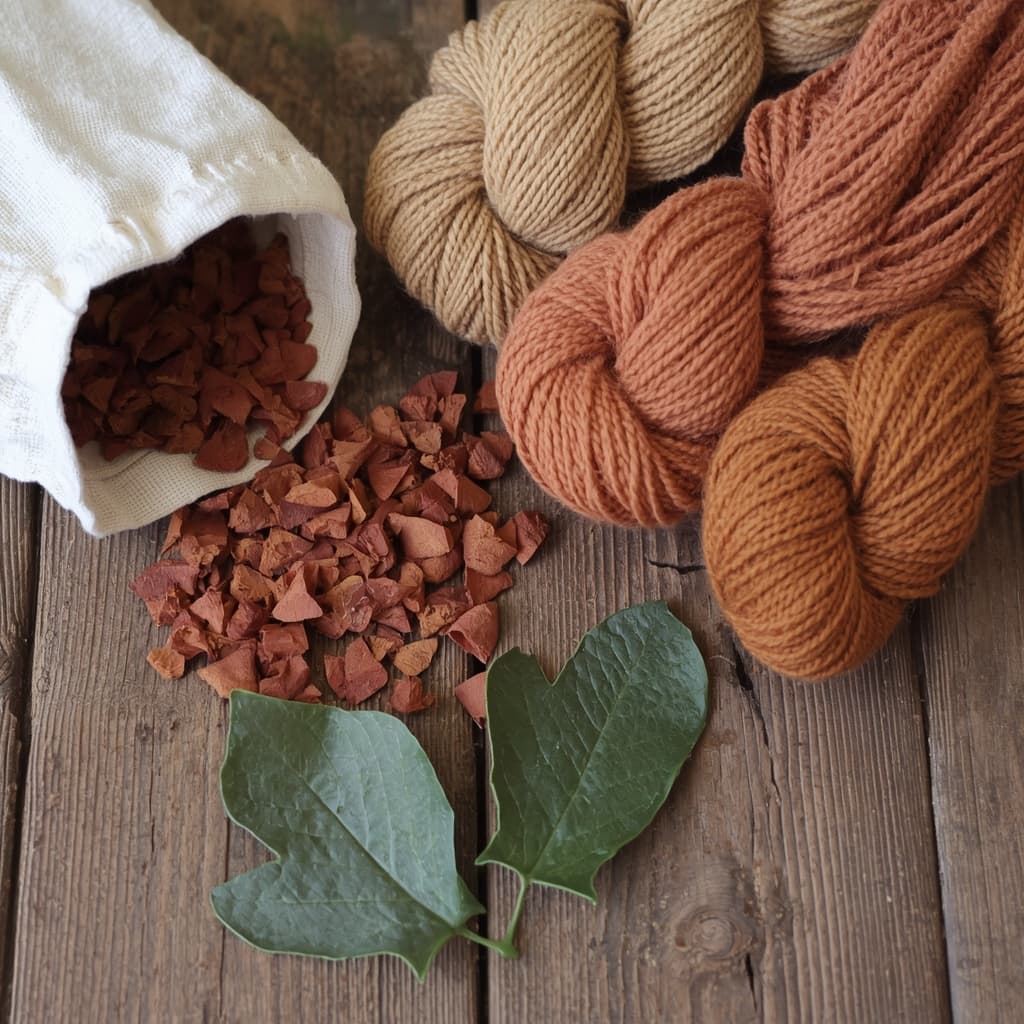
Dyeing Wool With Sassafras Root Bark
Sassafras root bark gives warm tan, rose-tan and orange-brown on wool mordanted with alum, and grey-brown with an iron afterbath. Use about a pound of bark to a pound of dry wool. Soak the bark overnight, simmer it gently for an hour, strain, then hold the mordanted wool in the bath just under a simmer for an hour and let it cool there.
 Dyeing technique
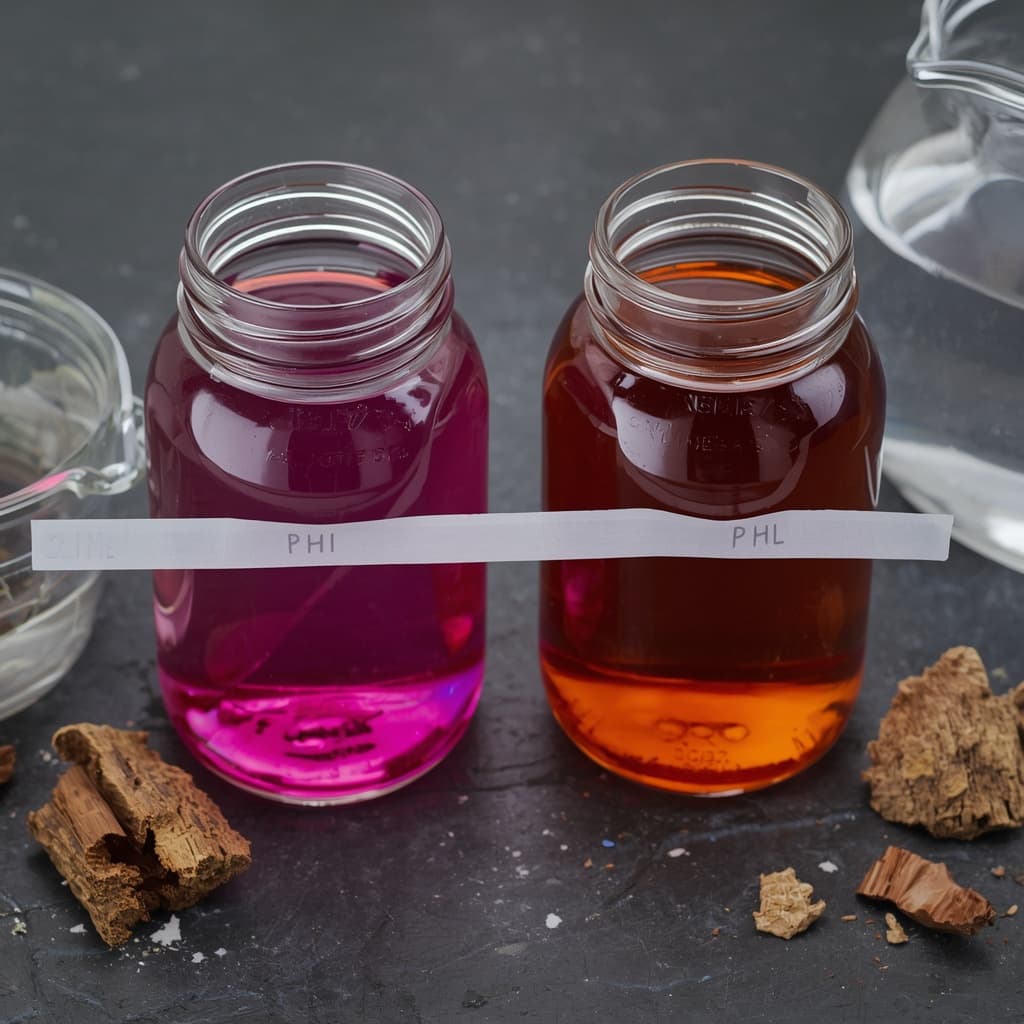
Hard Water and Natural Dyes: What Your Tap Does to the Shade
Hard water carries calcium and magnesium and usually runs alkaline, and both shift a tannin dye. With Mimosa hostilis the purples drift toward brown and the color looks duller. Iron in well water greys it further. Rainwater or distilled water is the simplest answer; a little white vinegar or citric acid, to bring the bath to about pH 5 or 6, is the next best.
 Dyeing technique
Scouring Wool Before a Dye Bath, and Why It Matters
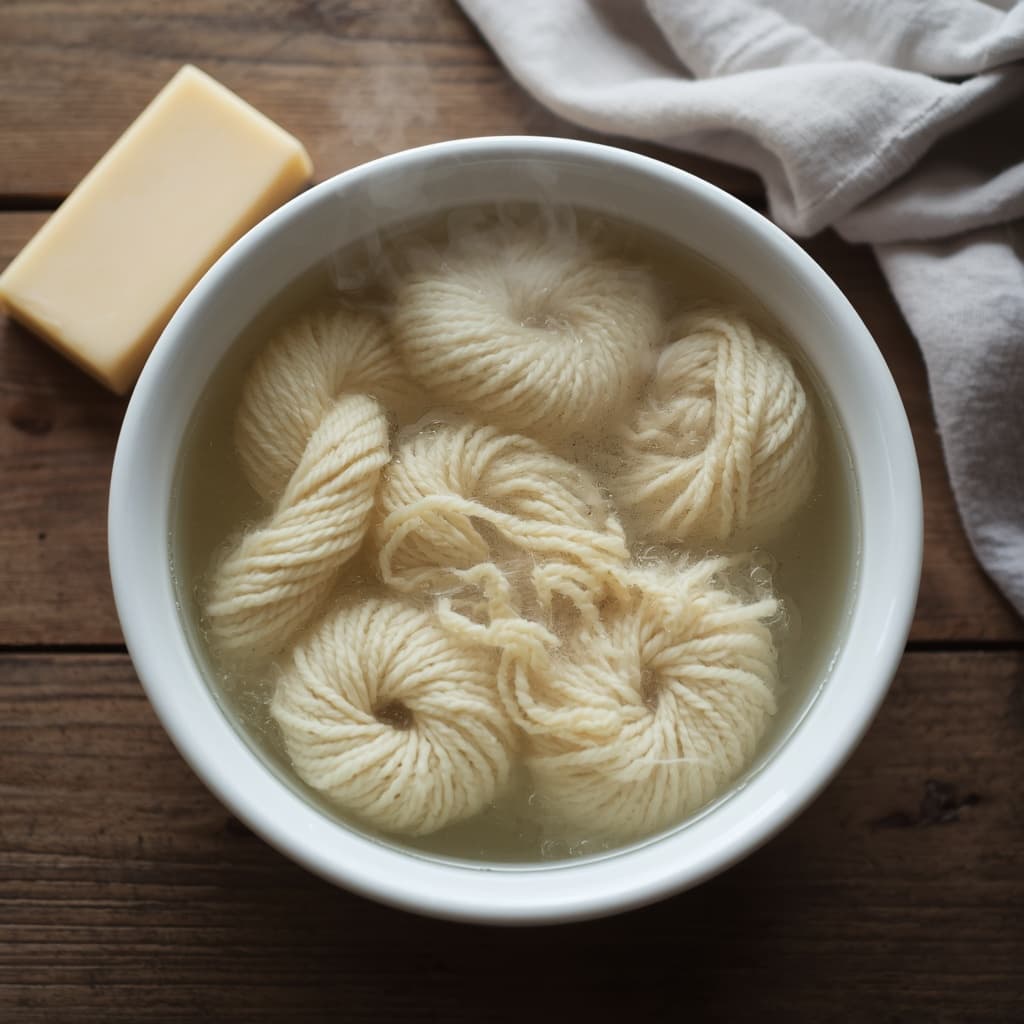
Scouring is washing fiber clean enough to dye. Wool carries lanolin, spinning oil and dust, and any of them leaves pale, patchy color. Soak the wool in hot water with a little pH-neutral detergent, without stirring, then rinse in water of the same temperature. Commercial yarn needs a gentle wash; raw fleece needs a real scour.
 Dyeing technique
Dyeing Cotton and Linen With Mimosa Hostilis Root Bark
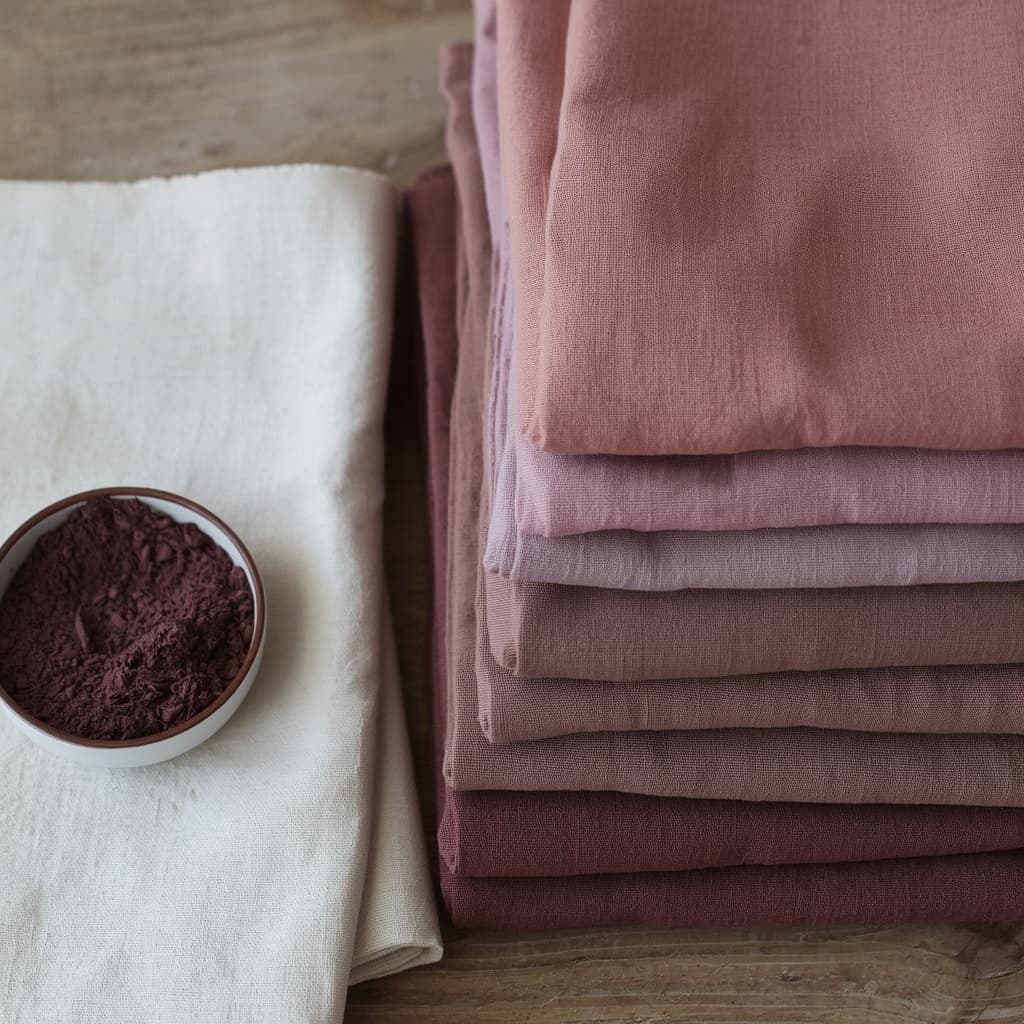
Cotton and linen take Mimosa hostilis paler and browner than wool does, because plant fibers have no protein for the tannins to grip. Scour with soda ash, give the cloth a tannin bath, mordant with aluminum acetate or alum, then dye at a full pound of bark per pound of dry fabric and let it cool in the pot overnight.
 Dyeing technique
Mimosa Hostilis Compared With Cutch, Oak Gall and Quebracho
Mimosa hostilis, cutch, oak gall and quebracho are all tannin-rich dyes, but they are not interchangeable. Mimosa hostilis is the one for rose, plum and burgundy; cutch gives warm browns, quebracho red-browns, and oak gall is used mainly as a tannin mordant and, with iron, for greys and blacks.
 Dyeing technique
Eco Printing Silk With Mimosa Hostilis Root Bark
To eco print silk with Mimosa hostilis, dye a cotton blanket or the silk itself in a bark bath, lay mordanted leaves on the silk, roll it tightly around a dowel, and steam the bundle for about an hour. The leaves print dark on a plum or rose ground that the bark provides.
 Dyeing technique
Is Mimosa Hostilis Dye Colorfast?
On wool and silk, Mimosa hostilis gives colors that hold well in the wash and reasonably well in light, because its tannins bind to protein fiber. Alum mordant improves both, iron-modified greys are the most durable of all, and the pinks are the first shades to soften in strong sun.
 Dyeing technique
A Plain Glossary of Natural Dyeing Terms
The vocabulary is small and most of it is old. Mordant, scour, WOF, exhaust bath, modifier, fastness, protein and cellulose fibre, tannin, substantive and adjective dyes — twenty terms cover nearly every instruction you will read, and knowing them makes older books usable.
 Dyeing technique
Bark as a Colourant in Cold Process Soap
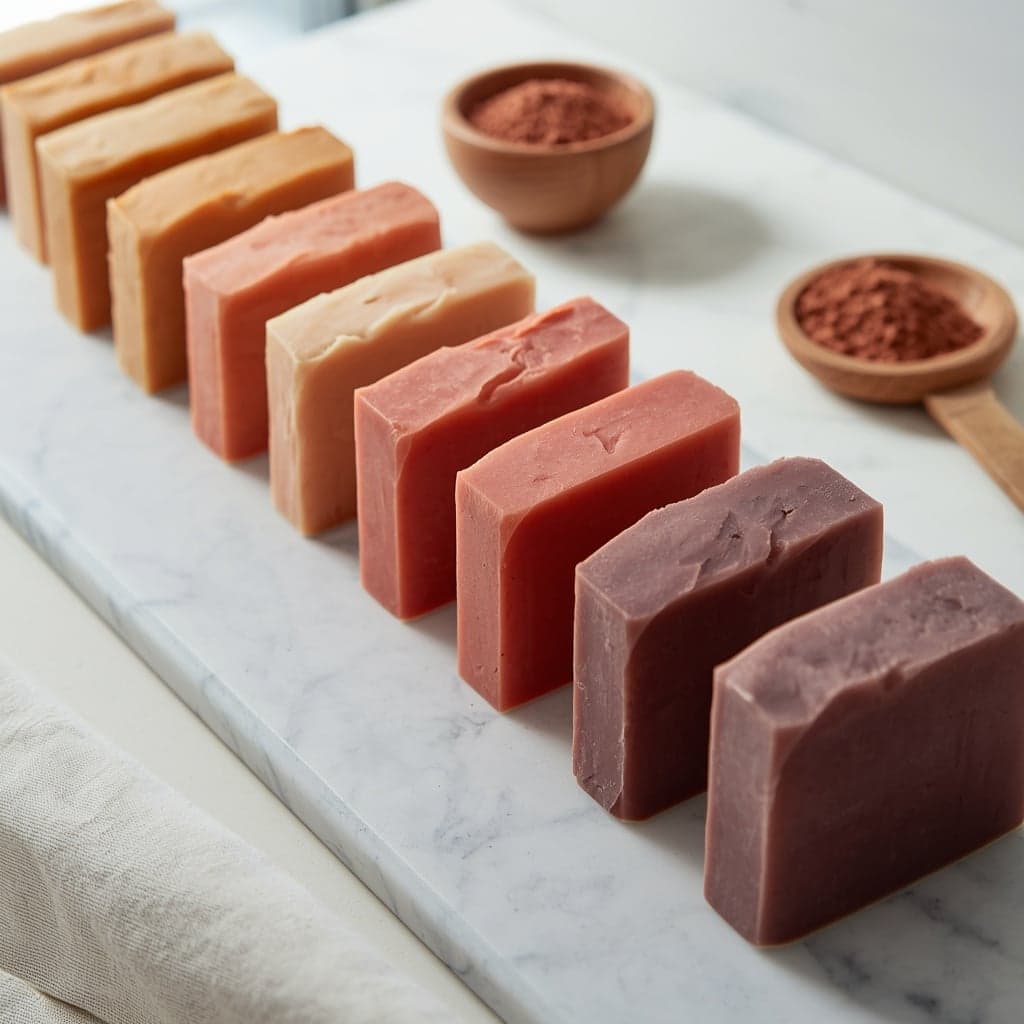
Soap is alkaline, and alkali pushes a tannin colour towards tan, khaki and brown rather than the purple it gives on wool. Use one to two teaspoons of finely milled powder per pound of oils, added at a light trace, and expect the shade to keep shifting for a fortnight.
 Dyeing technique
Does the Colour Last? Testing Light and Washing at Home
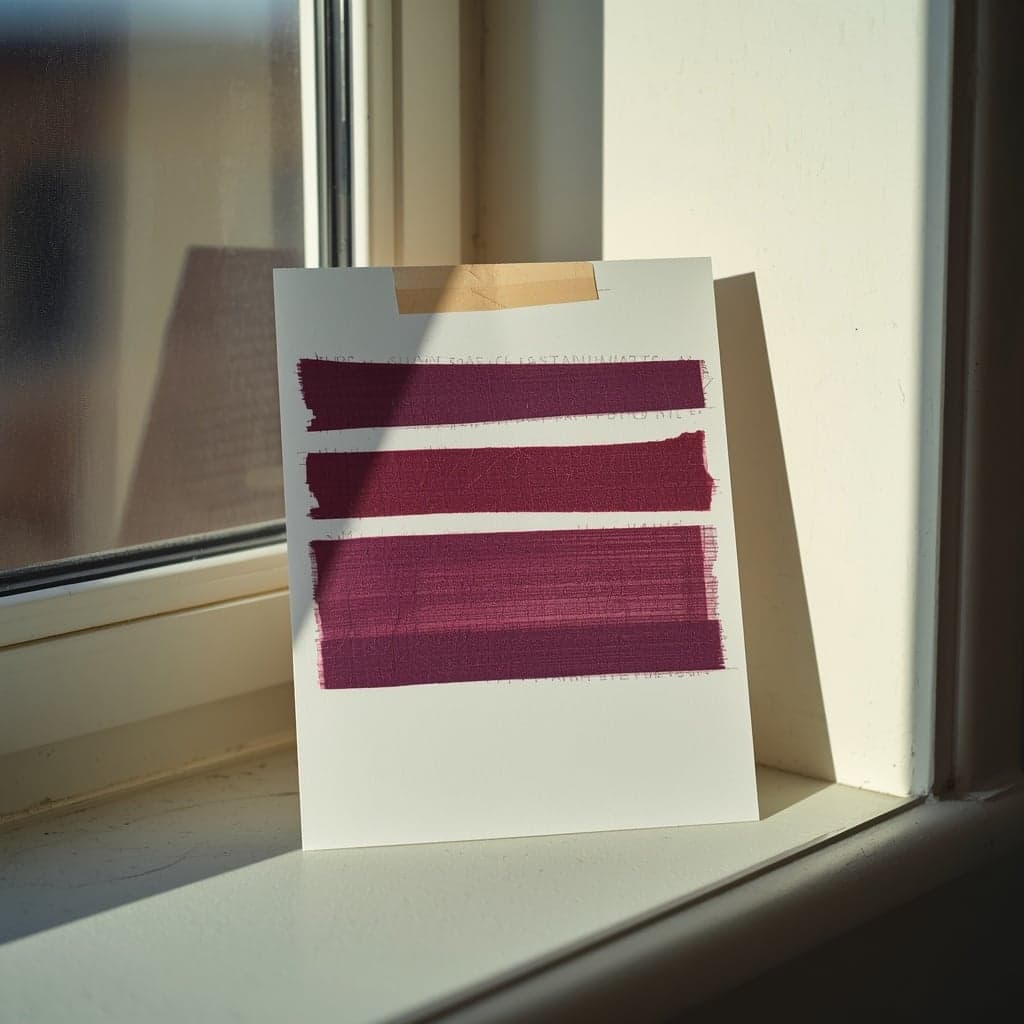
Two tests answer it. Tape half a dyed sample in a south-facing window for four weeks and compare the halves for light fastness; wash another sample four times with a white swatch alongside for wash fastness. Both cost nothing and take one evening to set up.
 Dyeing technique
Eight Faults That Spoil a First Bath
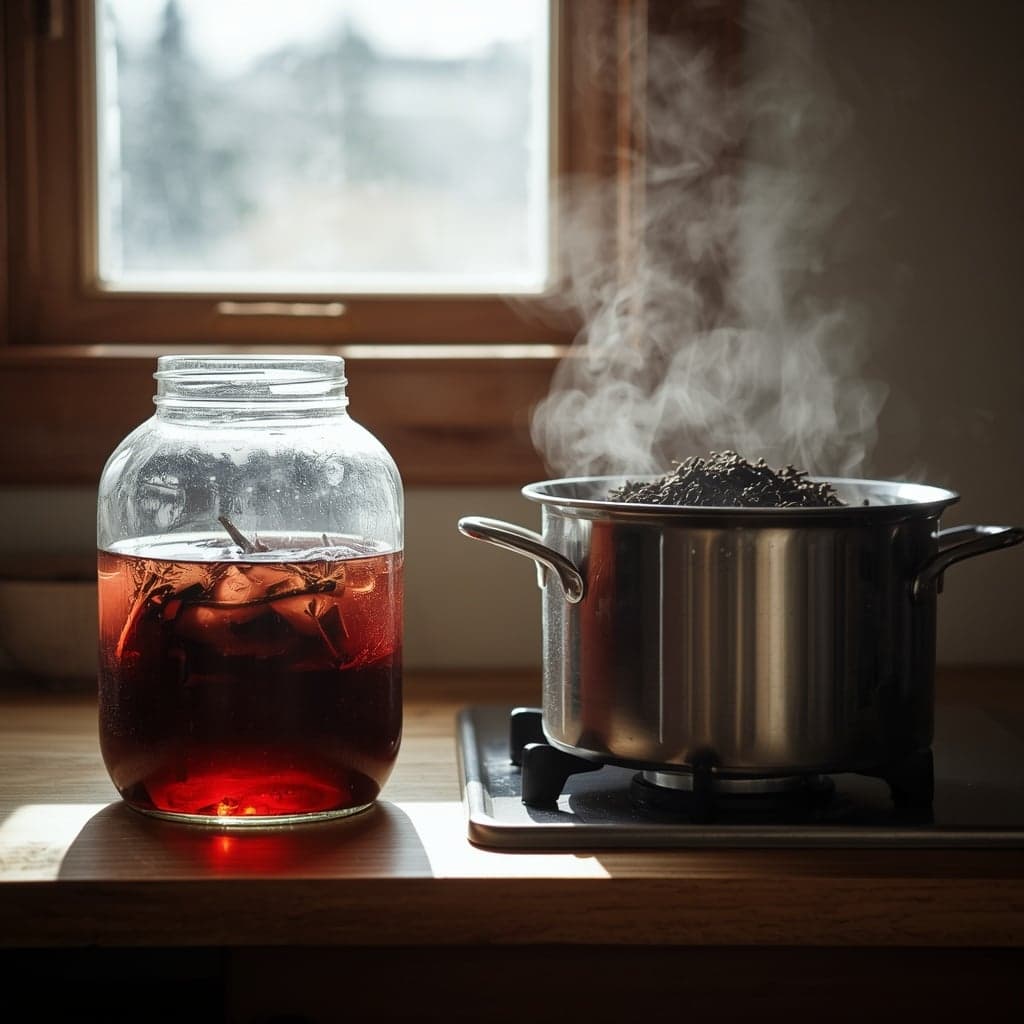
Almost every disappointing first bath comes down to eight things: boiling it, skipping the scour, undissolved alum, weighing wet fibre, leaving material loose in the pot, packing the pot, judging colour wet, and changing three variables at once. None is expensive to fix.
 Dyeing technique
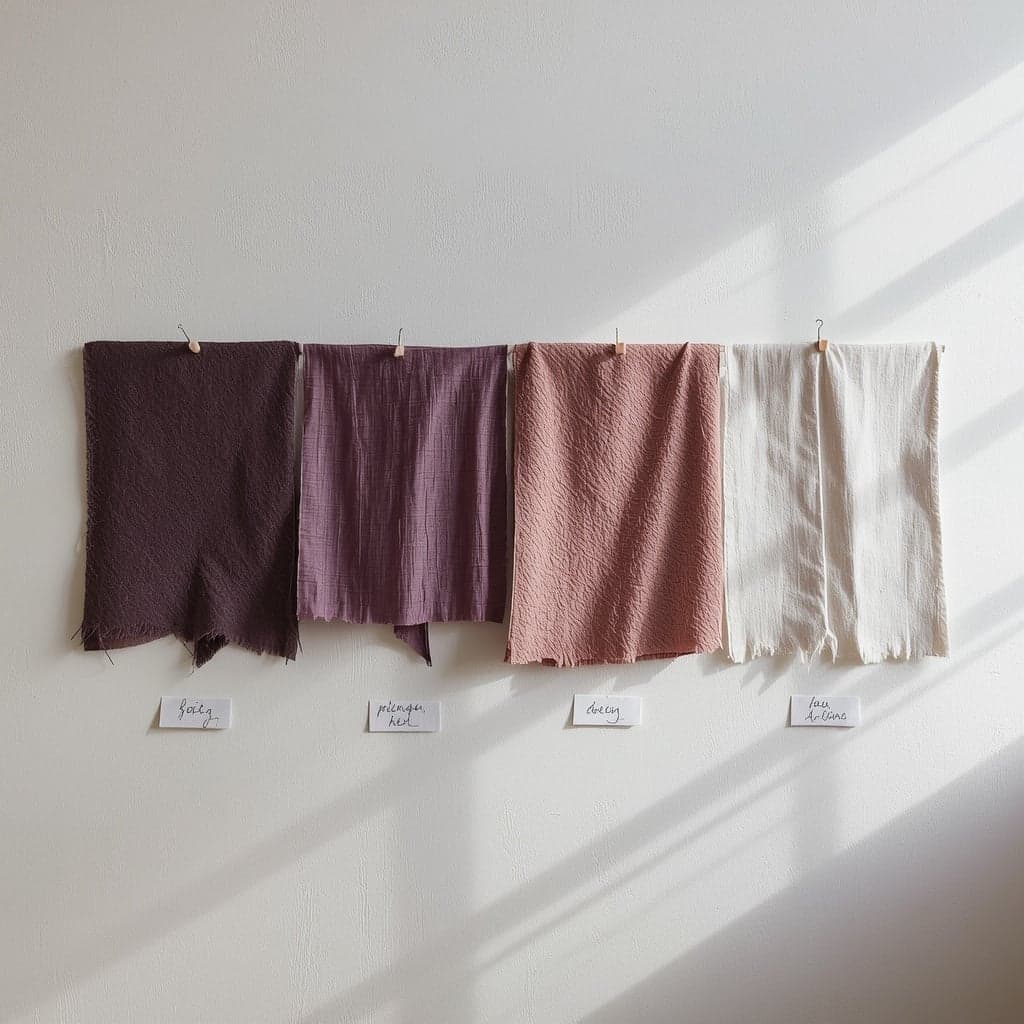
Cold Soak or Straight to Heat
A cold overnight soak pulls a great deal of colour out before any heat is applied, which means the pot needs less time hot and is far less likely to brown. Straight to heat is faster and shallower. For anything you care about, soak first.
 Dyeing technique
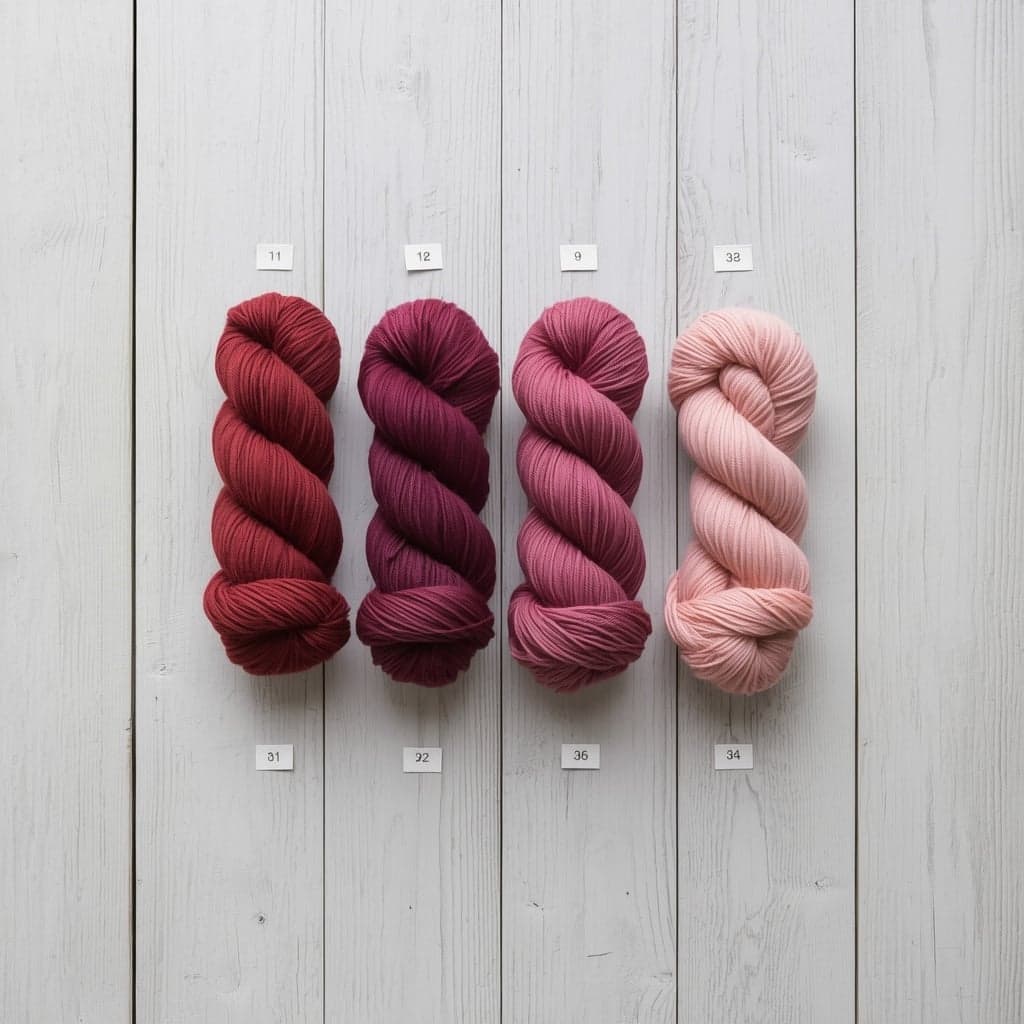
Wool, Silk, Cotton and Linen in the Same Bath
Protein fibres and plant fibres take this colour very differently. Wool and silk go deep with alum alone; cotton and linen need a tannin step and two alum baths and still land paler and browner. Dyeing them together always disappoints one of them.
 Dyeing technique
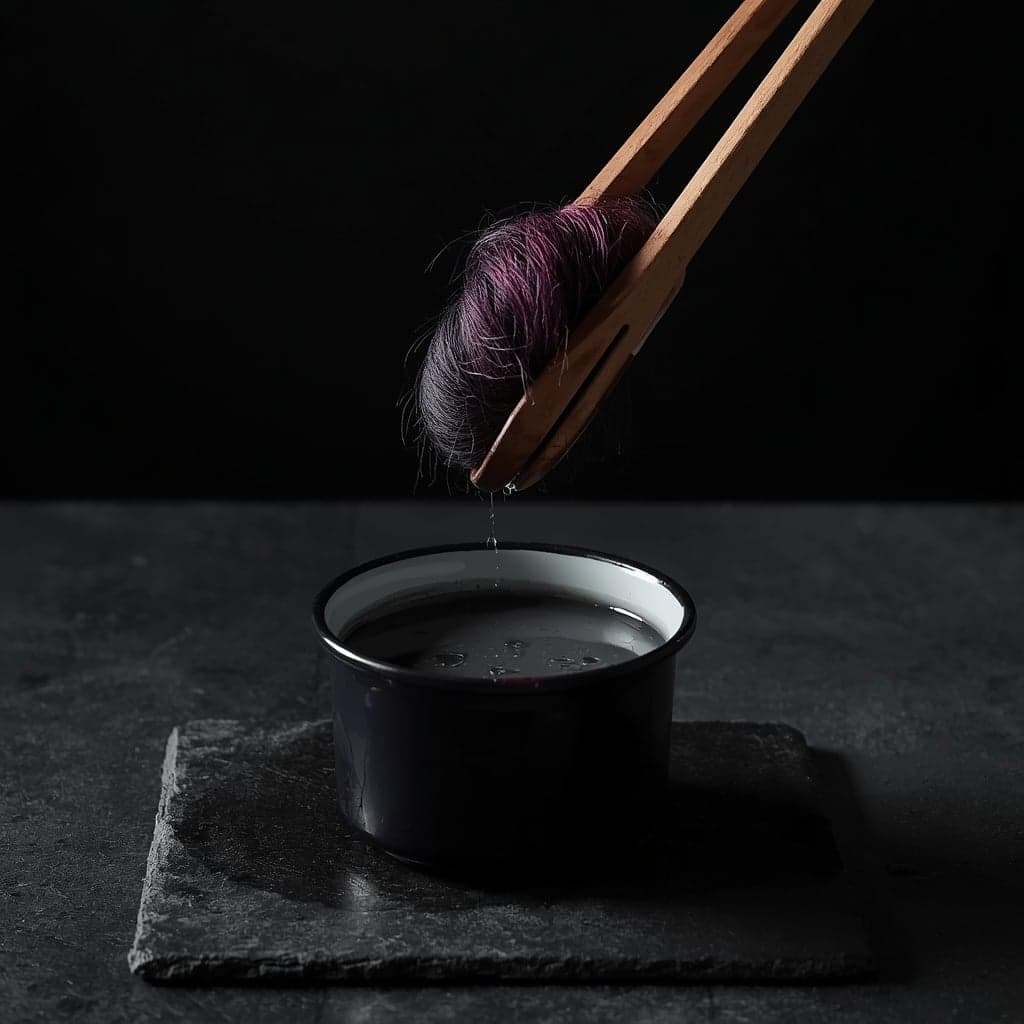
Getting a Second and Third Bath From One Batch
Spent bark still holds colour. A second bath typically gives a shade or two lighter than the first and a third lighter again, which is how a graded set of skeins comes from one batch. Keep the material wet between baths and use it within a few days.
 Dyeing technique
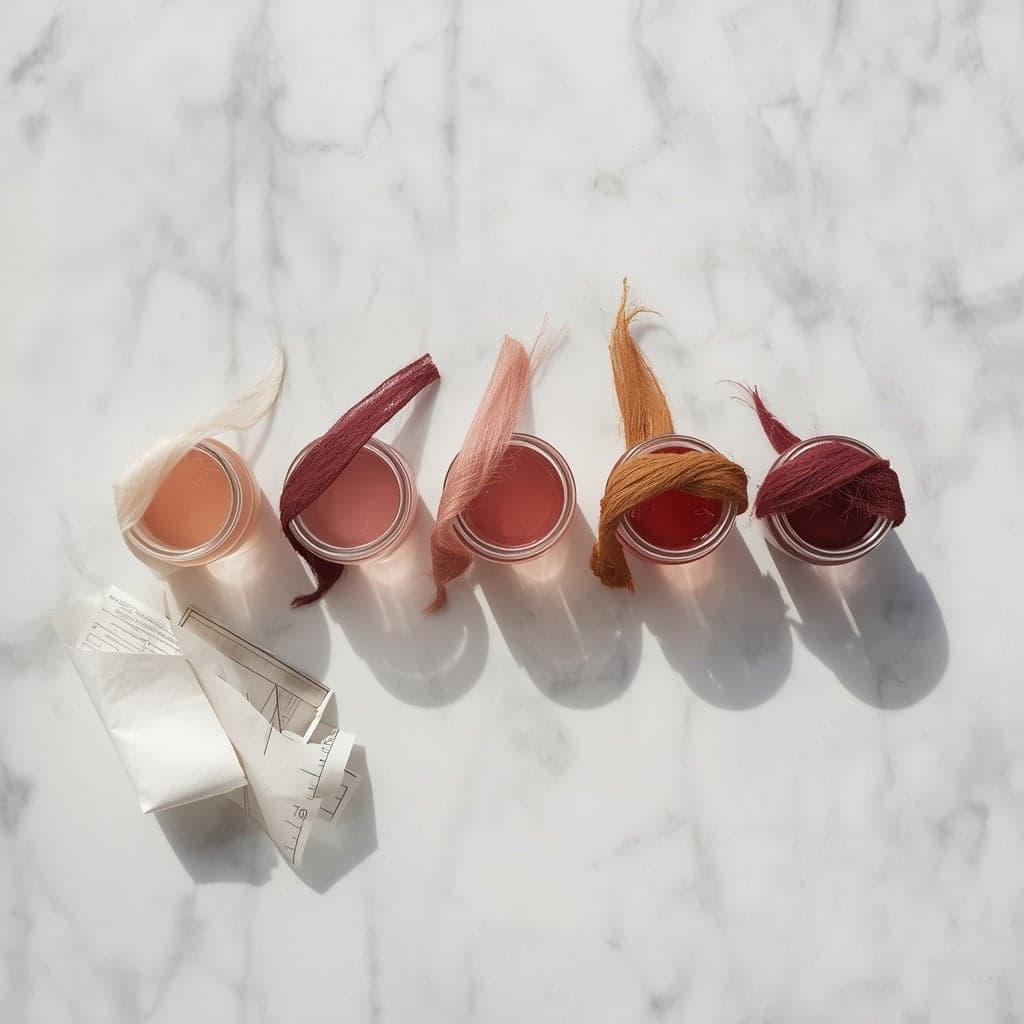
Iron as a Modifier, and How Far to Go
Iron darkens and greys a tannin colour in seconds, taking purple to slate and brown to charcoal. Keep it to one or two per cent of the fibre weight, use a separate pot, dip rather than simmer, and pull the fibre while it still looks too light.
 Dyeing technique
Using pH to Steer the Shade
A small pH shift moves this colour a long way: acid pushes it towards red and rust, alkali towards violet and grey. Change one thing at a time, add it a teaspoon at a time, and keep wool between pH 5 and 8 or the fibre itself starts to suffer.
 Dyeing technique
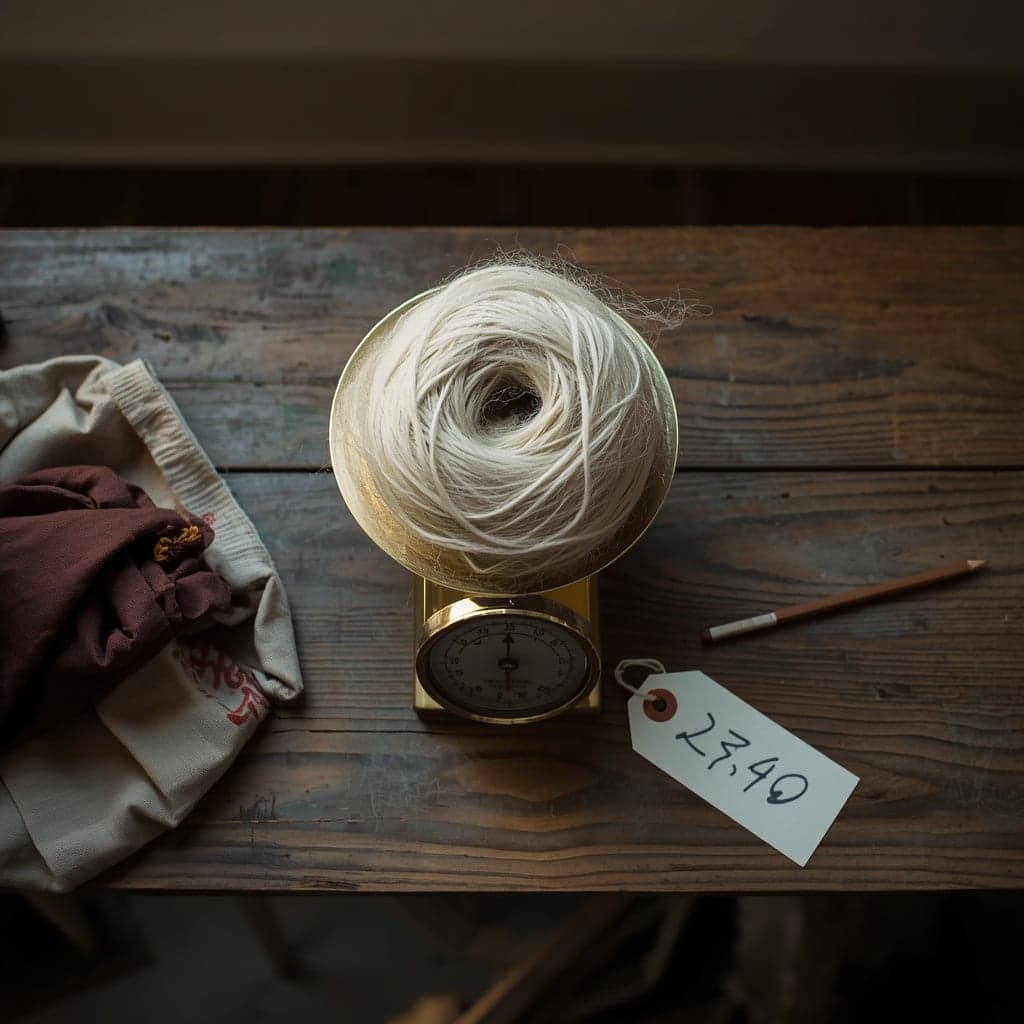
How Much Bark Per Pound of Fibre
Start at fifty to a hundred per cent of the dry fibre weight: half a pound of bark to a pound of wool for a mid shade, a pound to a pound for a deep one. Weigh the fibre dry, before wetting, and write the ratio down.
 Dyeing technique
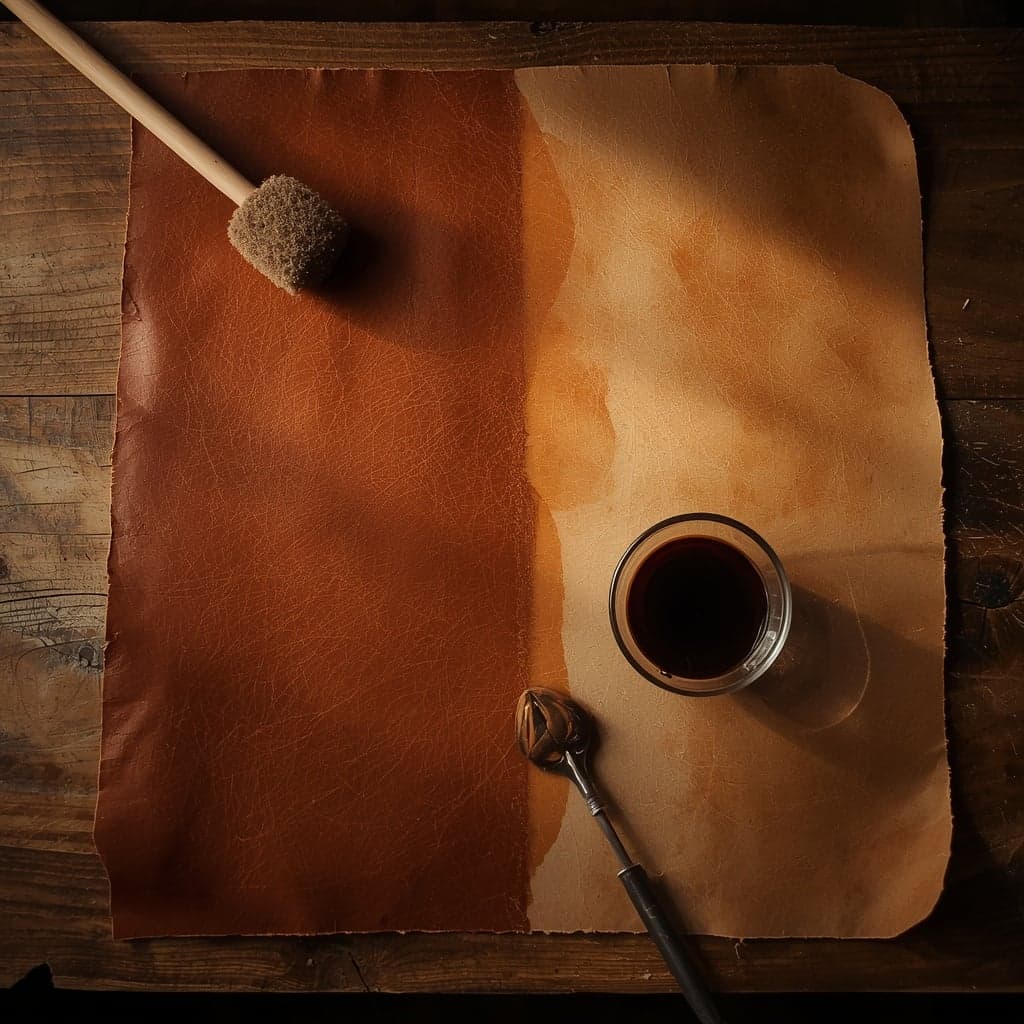
Dyeing Leather With Bark
Vegetable-tanned leather takes a bark solution readily because it is already full of tannin. Work with a strong, well-strained liquid, build the colour in thin coats with a dauber, and let each coat dry before judging it. Powder is the wrong cut here: particles mark a surface you cannot rinse.
 Dyeing technique
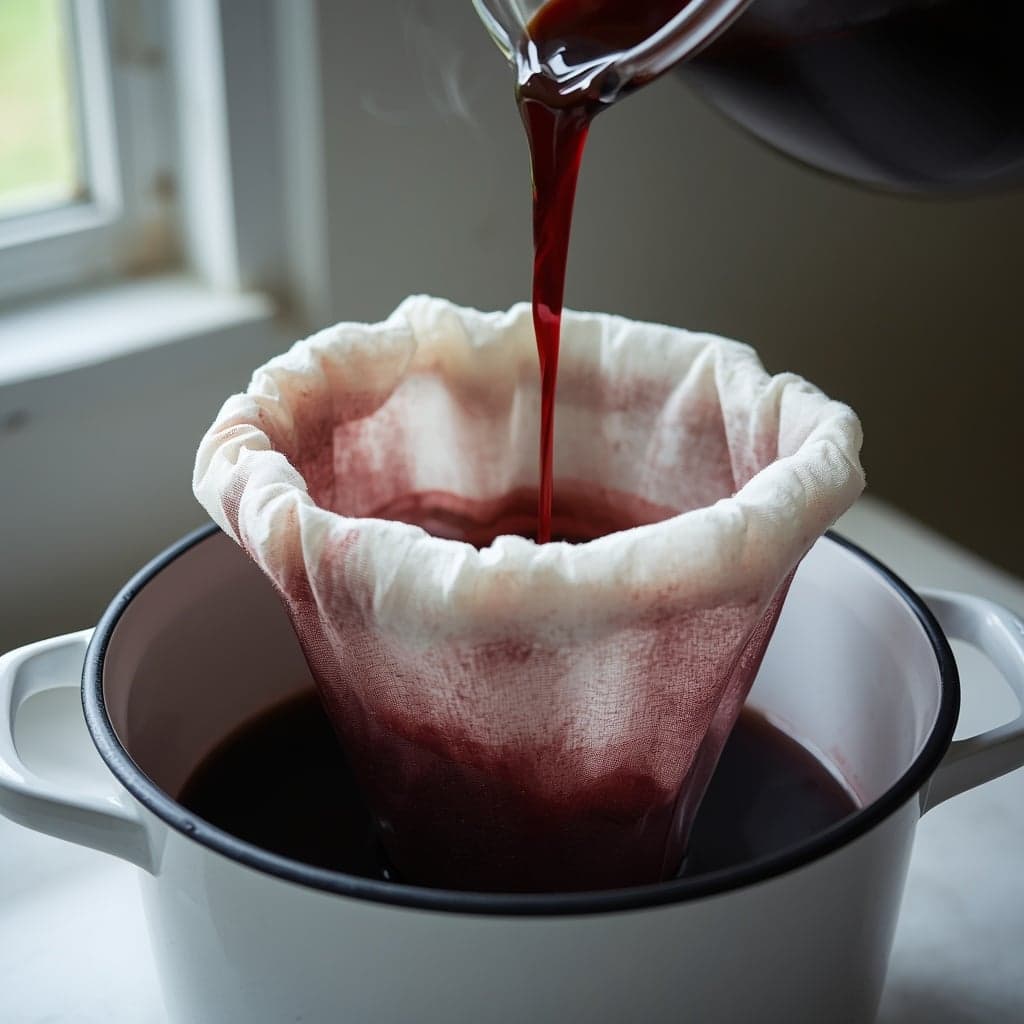
Filtering a Bark Bath Without Losing the Colour
Fine particles do not settle and decanting will not separate them. Hold the material in a mesh bag from the start, or pour the bath through doubled muslin into a second pot. Filter warm, never boiling, and keep the last inch of the pot for the compost rather than the fibre.
 Dyeing technique
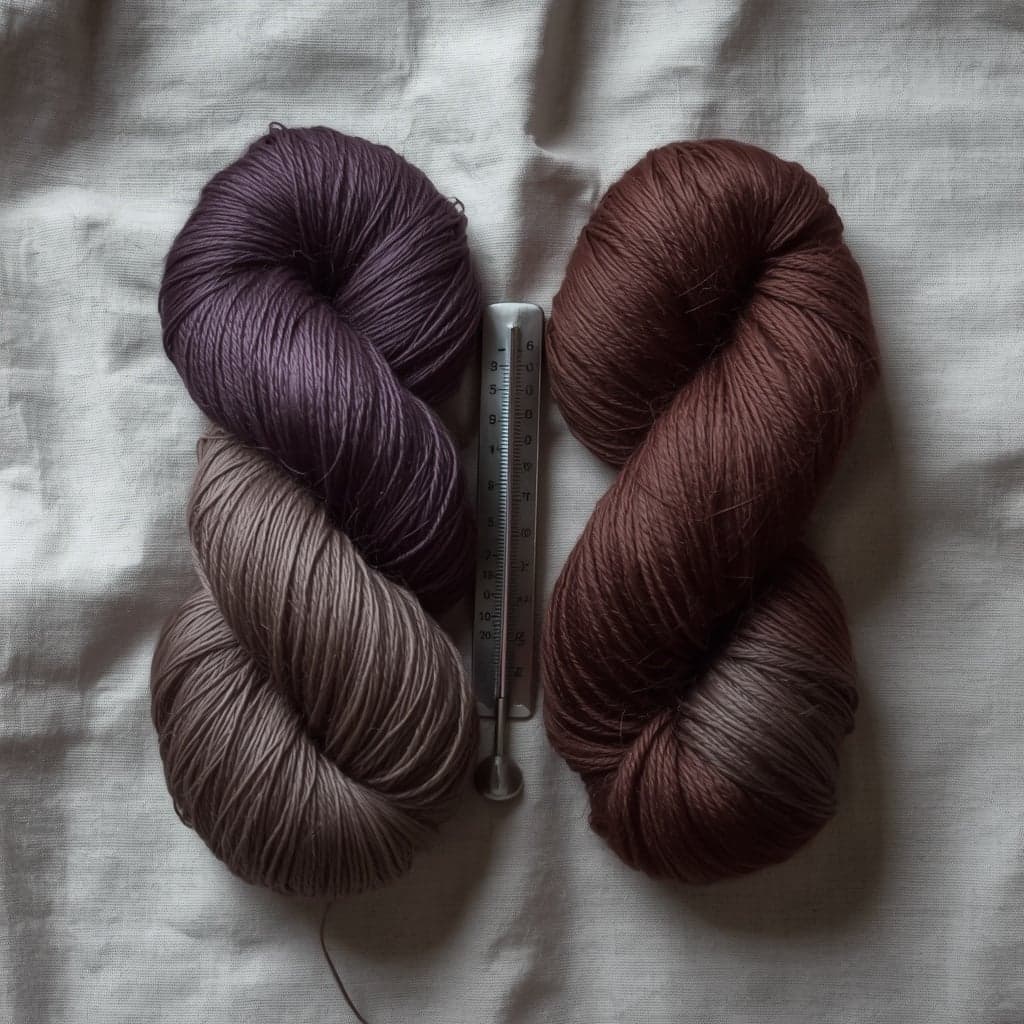
Keeping a Bark Bath Purple Instead of Brown
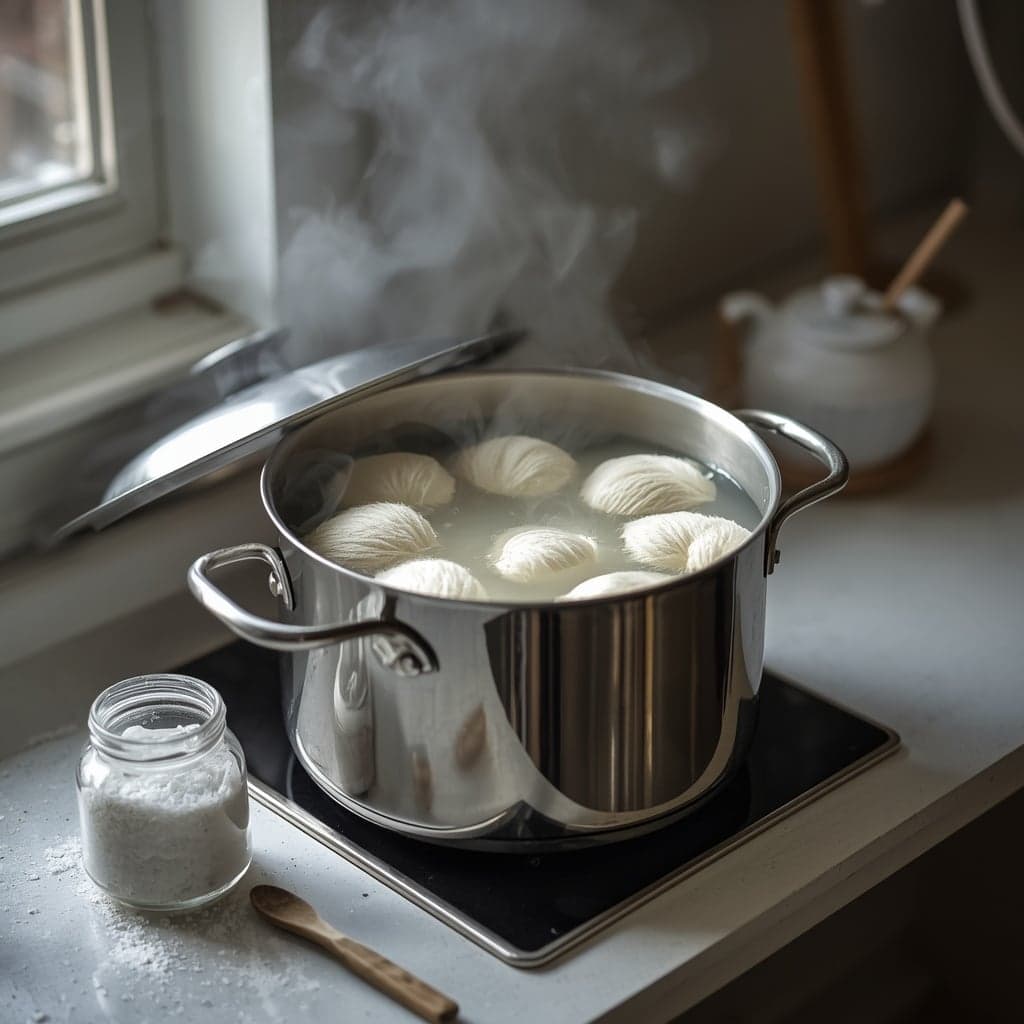
Brown is what heat does to this colour, and heat is the one mistake that cannot be undone. Hold the bath at about eighty degrees, soak the material cold overnight first, strain it out before the fibre goes in, and give the pot time instead of temperature.
 Dyeing technique
Mordanting Wool Before a Bark Bath
Alum at ten to fifteen per cent of the dry fibre weight, dissolved completely in hot water before any fibre goes near it, held just under a simmer for an hour, then left to cool in the pot. Undissolved crystals are the single commonest cause of pale patches people blame on the bark.
 Dyeing technique
Testing a Dye Before You Commit a Fleece
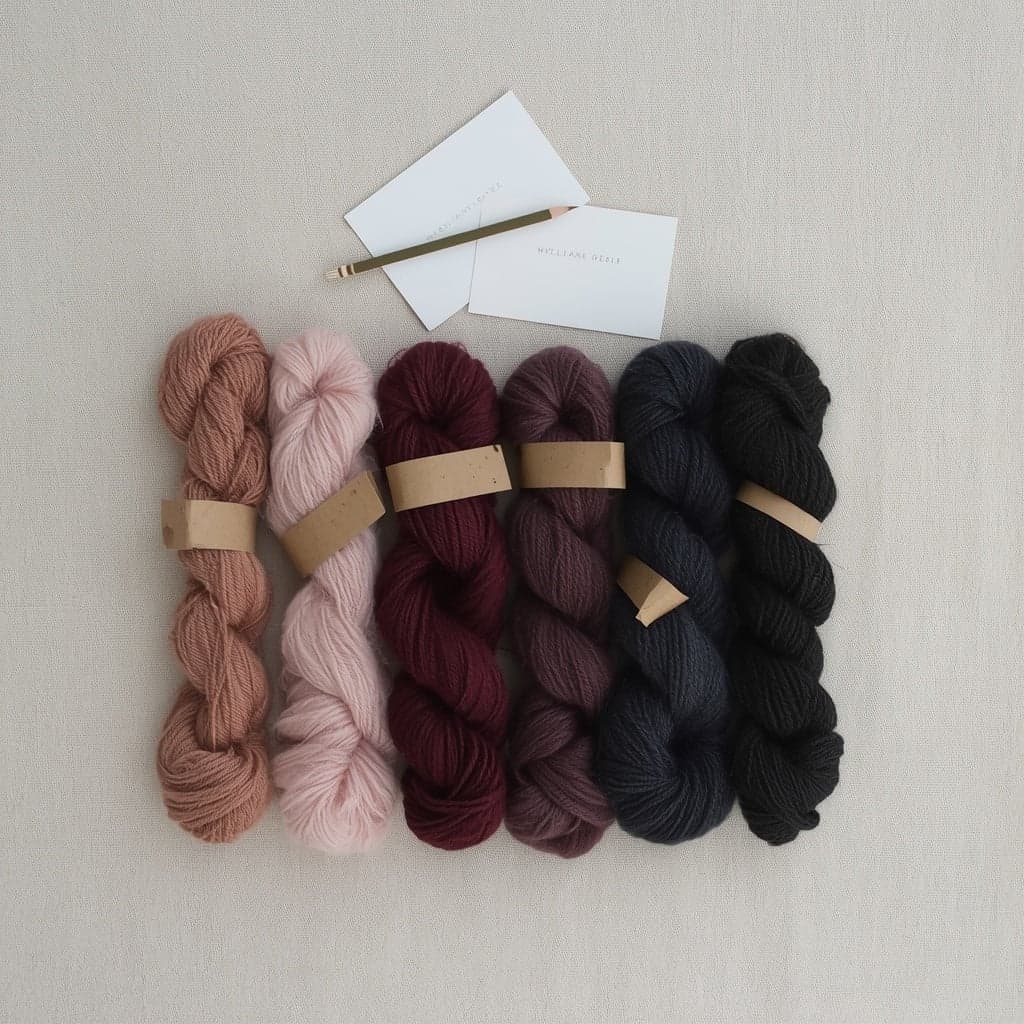
Ten grams of yarn answers in an afternoon what a whole fleece answers in a ruined week. Dye a set of small skeins from one bath, change one thing at a time, dry every sample before judging it, and write the batch code on the card. That card beats any published chart.
Devices and hardware
Threads, coils, blinking lights and blocked airways — how the hardware works, and how to tell a fault from a cold device.
 Devices and hardware
Disposing of Hardware and Lithium Batteries
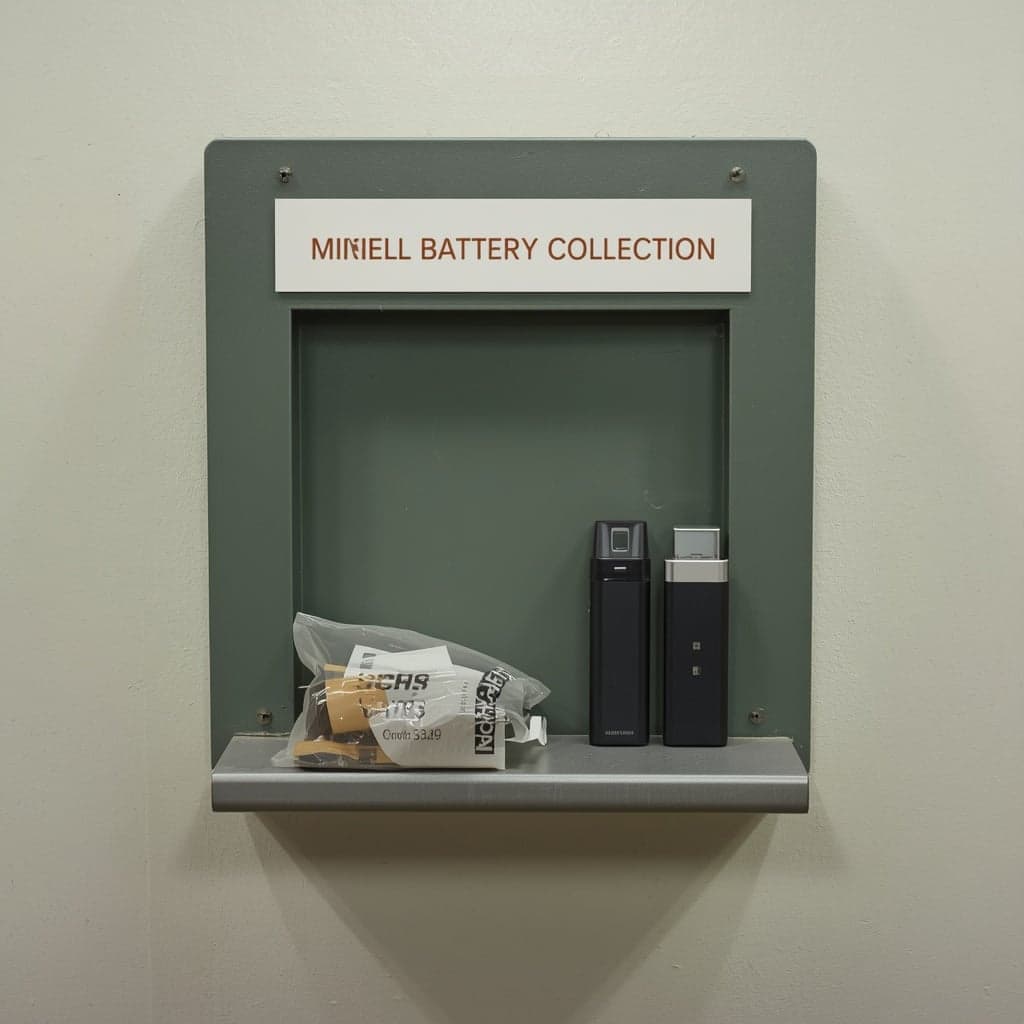
A used device is electronic waste with a lithium cell in it, and it does not belong in household rubbish or a kerbside recycling bin. Take it to a battery collection point, a household hazardous waste site, or a shop that accepts device take-back. Never crush, puncture or bin one.
 Devices and hardware
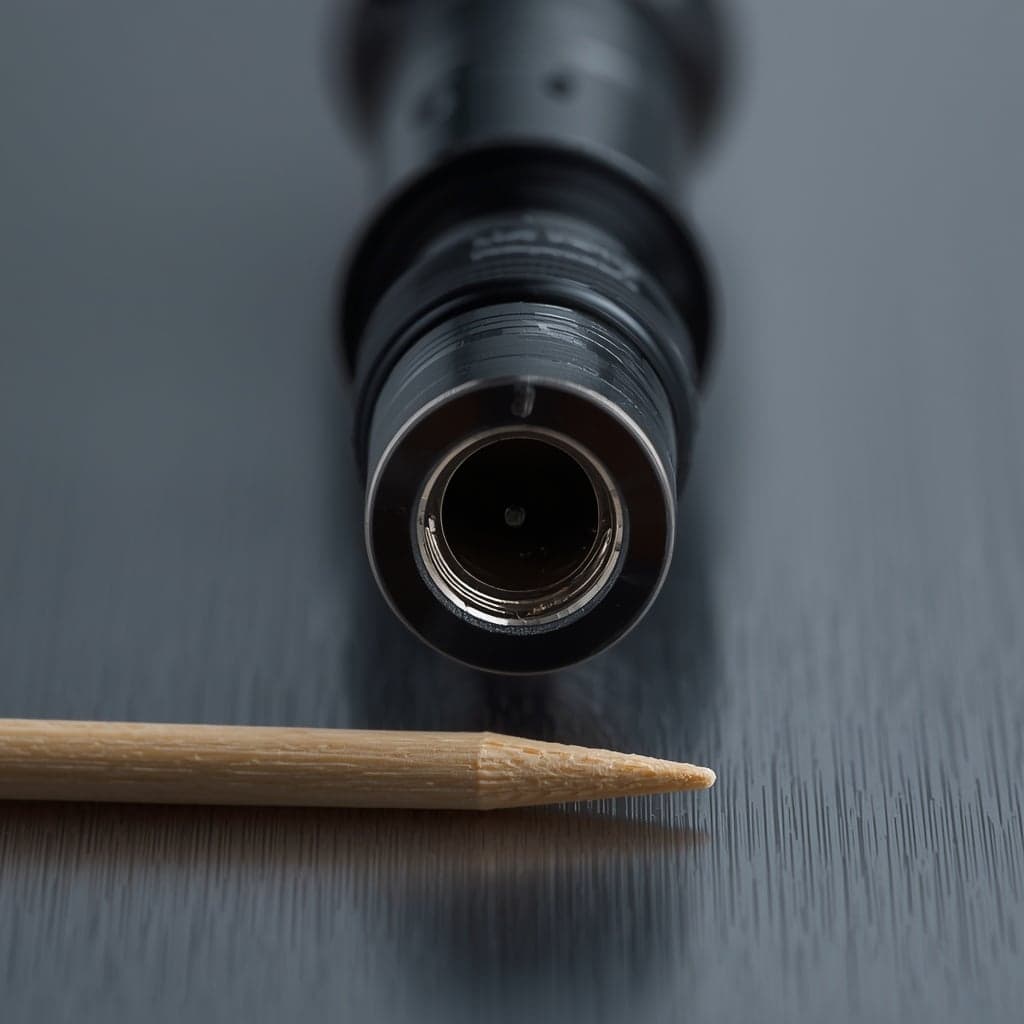
Storing a Device: Heat, Light and Which Way Up
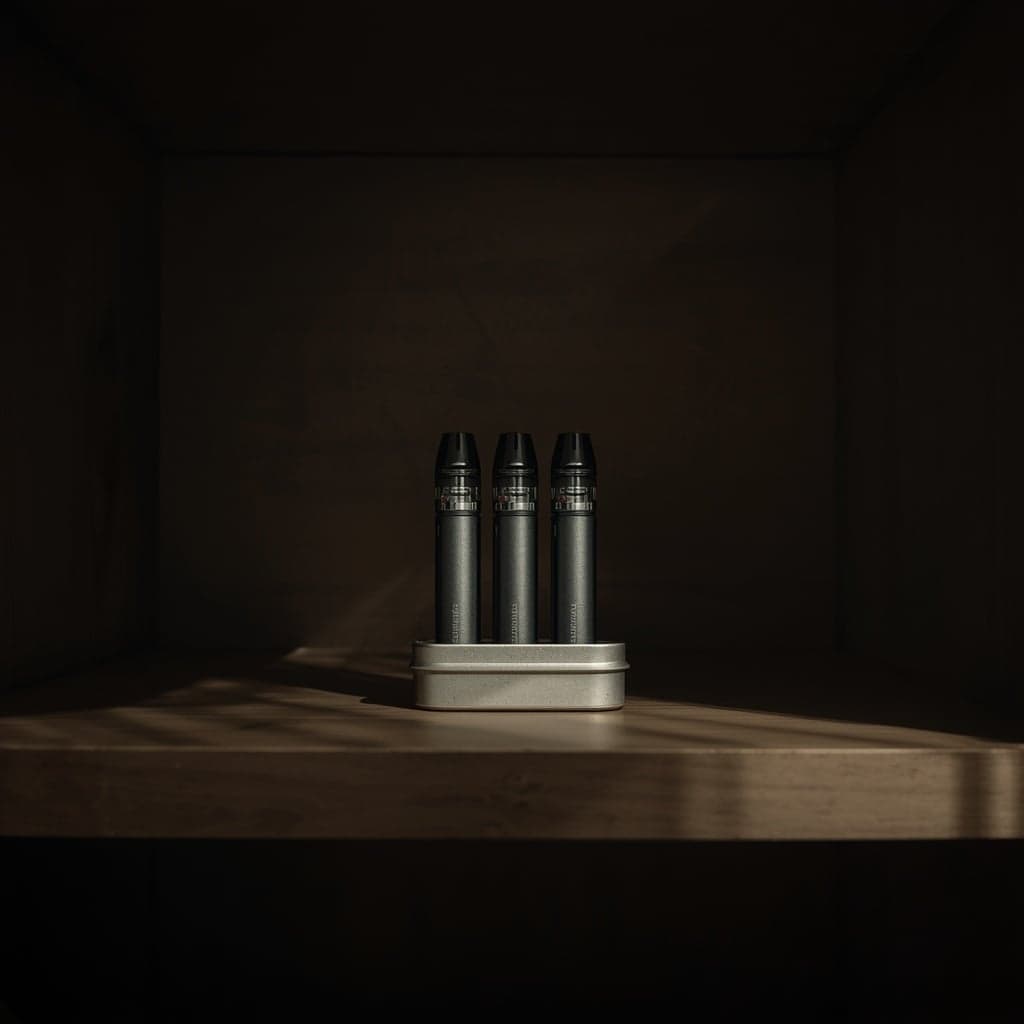
Upright, mouthpiece up, somewhere cool and dark, around half charged if it is going away for a while. Heat thins the contents and causes leaks, cold thickens them and dries the wick, and a device left on its side floods its own airway.
 Devices and hardware
Why a Cartridge Clogs, and What to Do
A clog is nearly always cold, thick contents blocking a narrow airway, or condensation collecting in the mouthpiece. Warm the cartridge in your hands, stand it upright, clear the mouthpiece with a cotton bud or a paperclip, then take short gentle draws rather than hard ones.
 Devices and hardware
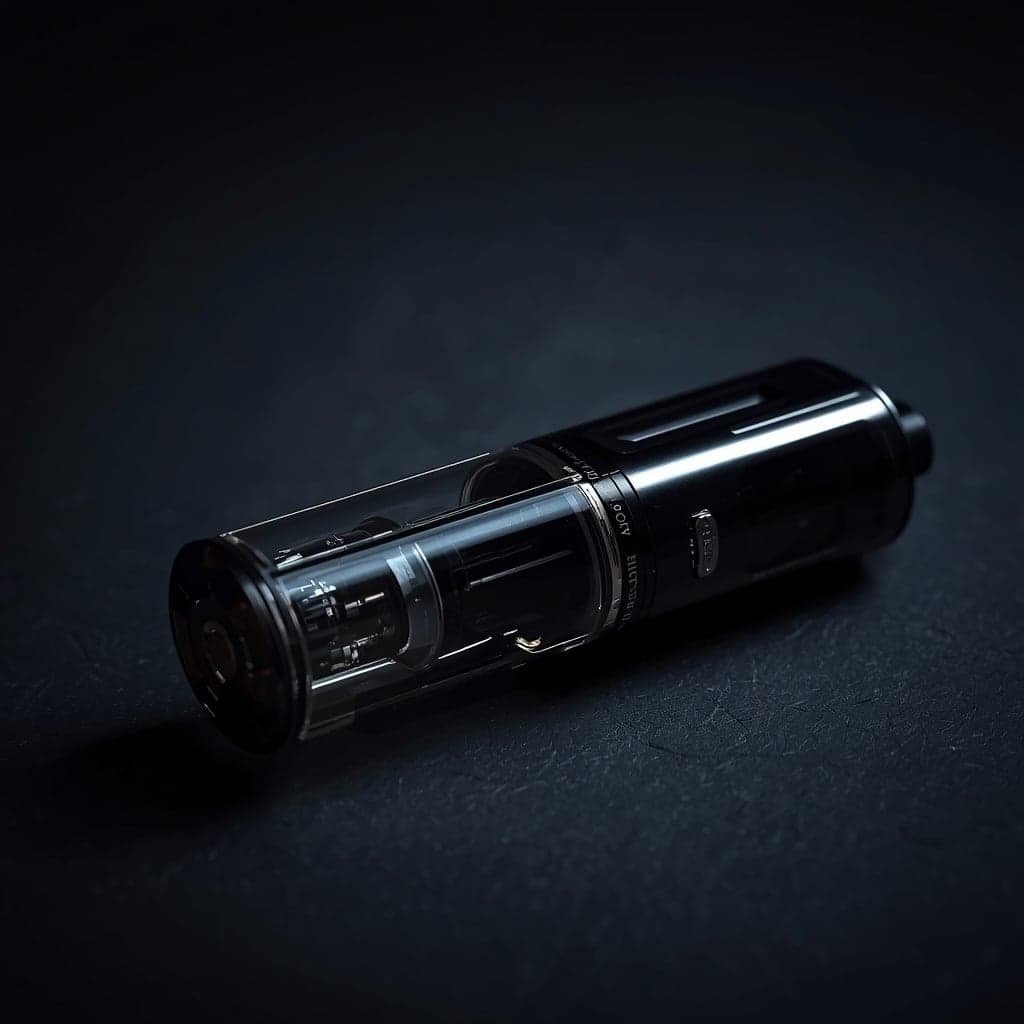
What a Dual Chamber Device Is
Two separate tanks and two heating elements in one body, with a switch that selects which one the battery feeds. It lets one device hold two different contents without mixing them. The trade-off is one cell powering two elements, and twice as many seals that can fail.
 Devices and hardware
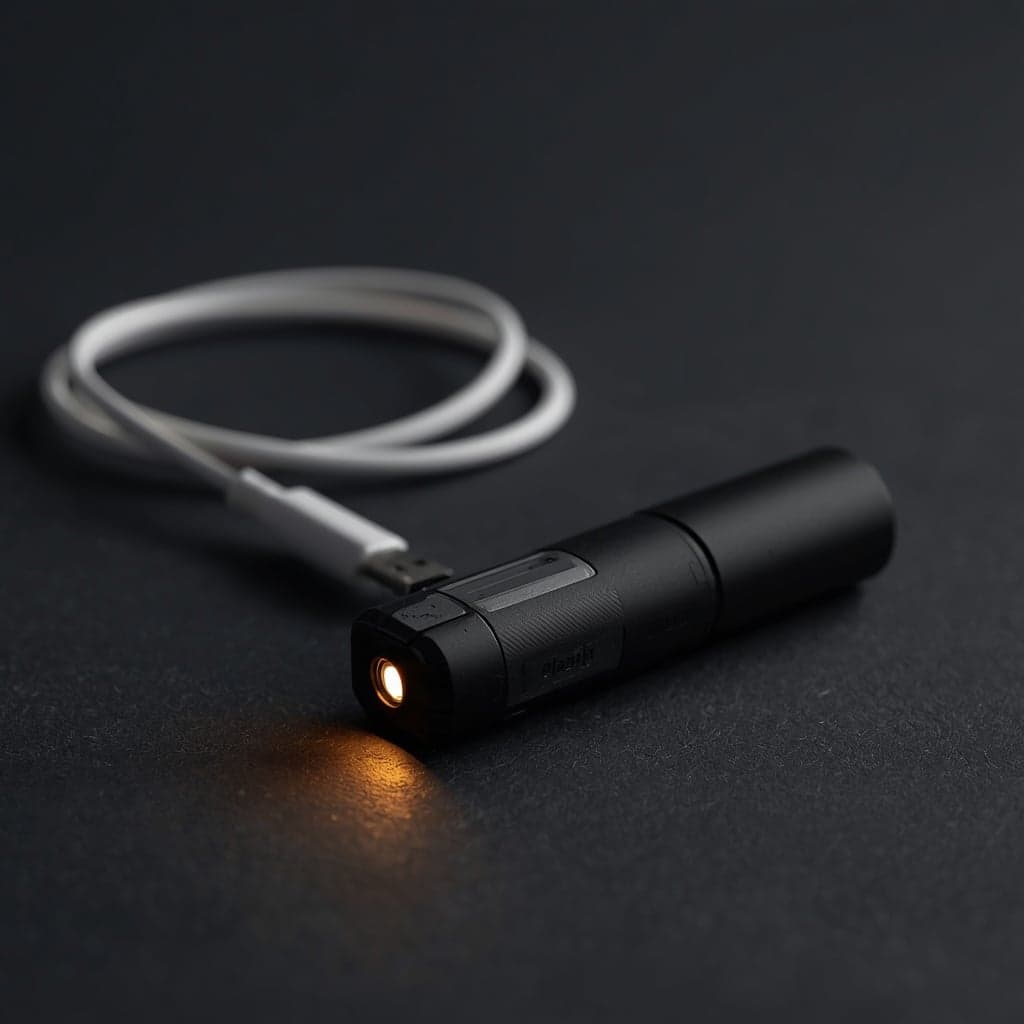
Charging a Rechargeable Device Safely
Use a low-output USB port rather than a fast phone charger, unplug it when the light says full, and never charge it overnight or on anything soft. These are small lithium cells with minimal protection circuitry, and every serious incident with them involves heat, a fast charger or being left connected.
 Devices and hardware
What a Blinking Light Usually Means
There is no common standard, but the patterns repeat across manufacturers: three blinks is usually a short or a bad connection, ten or fifteen is usually a flat battery, and a long continuous blink is usually the draw-time cut-off. Rapid blinking while charging means the cell is refusing the charge.
 Devices and hardware
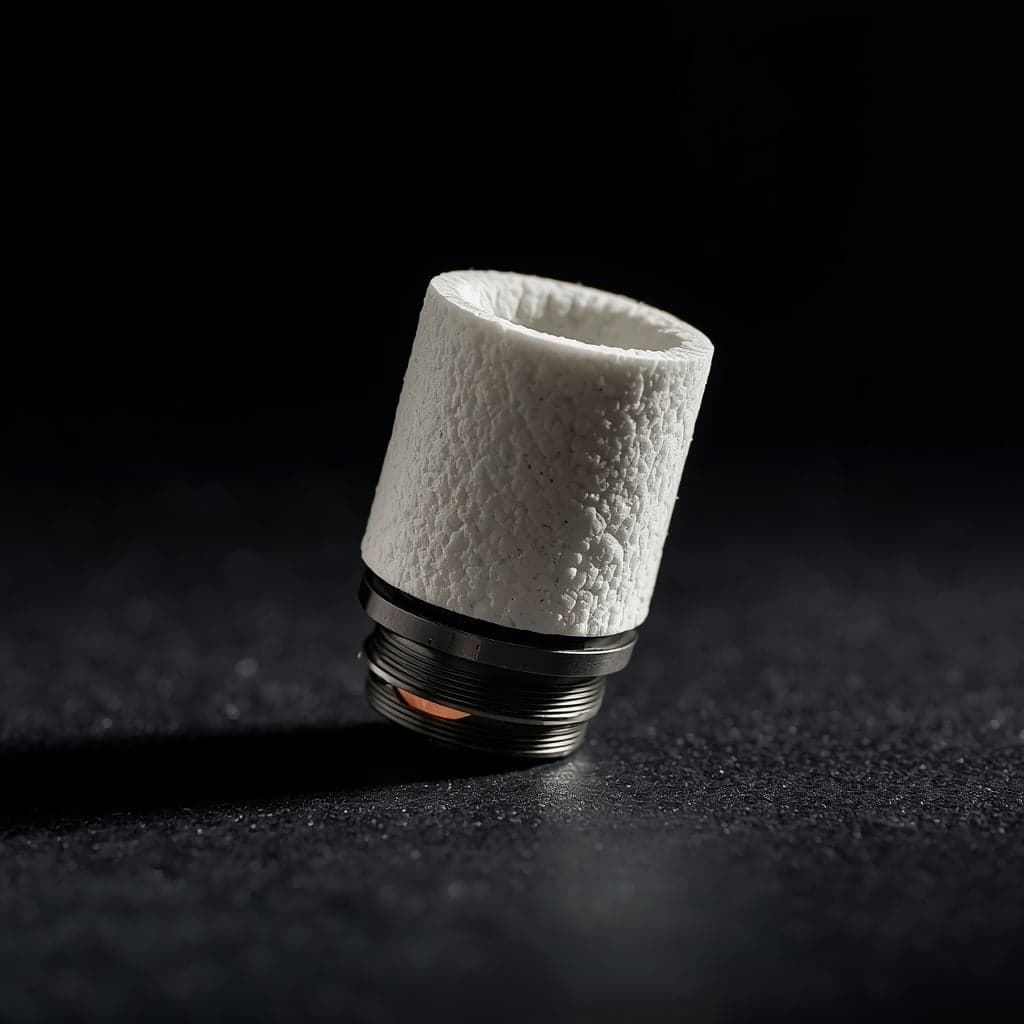
What a Coil Does, and Why the Material Matters
The heating element turns battery power into heat, and what it is made of decides how evenly that heat arrives. Ceramic elements spread it and run cooler; bare wire on cotton wick heats fast and scorches easily. Most complaints about taste are really complaints about the element.
 Devices and hardware
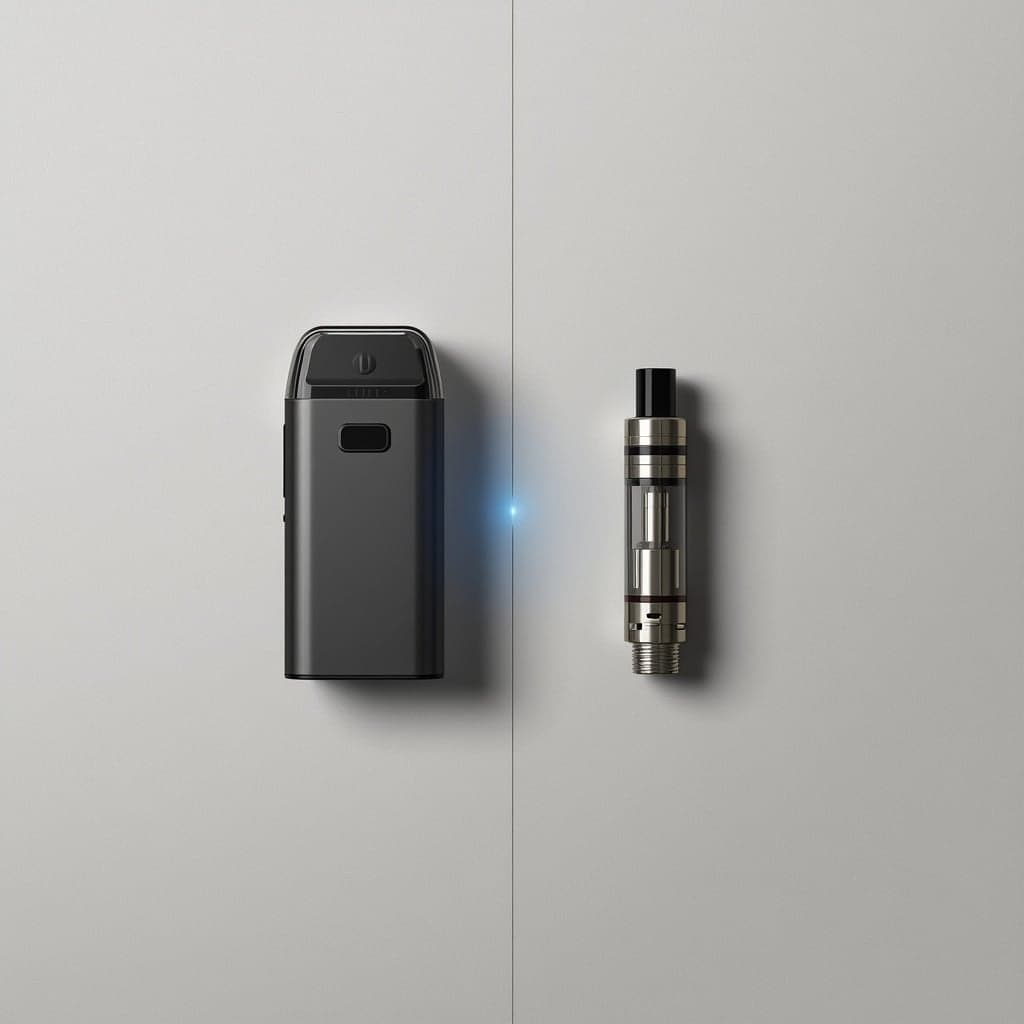
Disposable or Cartridge: What the Difference Is
A disposable is one sealed unit — battery, cartridge and contents together, discarded when empty. A cartridge is the consumable half only, screwed onto a battery you keep. The first is simpler; the second is cheaper over time and easier to diagnose when something stops working.
 Devices and hardware
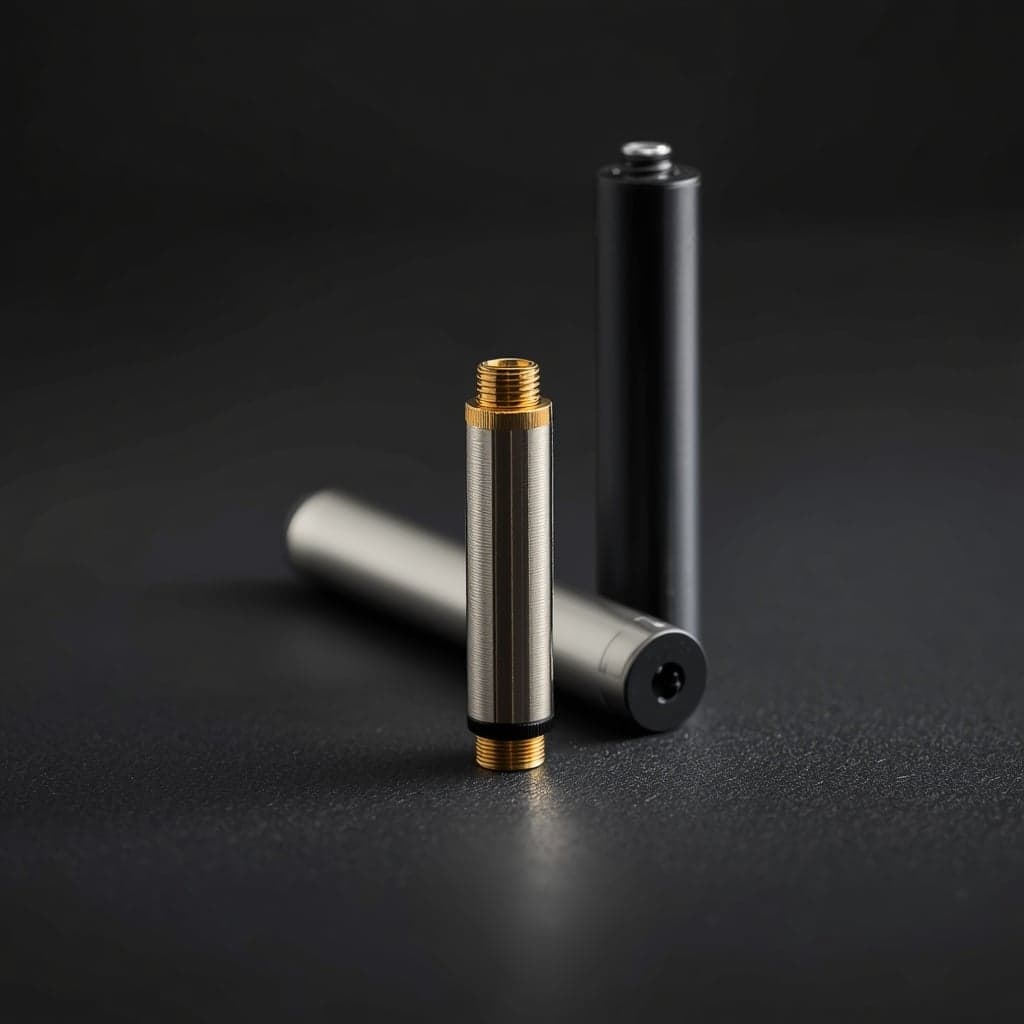
What a 510 Cartridge Is
510 is a thread size, not a brand: ten threads of half a millimetre each, the informal standard that lets almost any cartridge screw onto almost any battery. It says nothing about what is inside the cartridge, how well it is built, or how it will perform.
Cannabinoids and concentrates
The words on the box, explained: acid forms, terpenes, the four process names, and where the arithmetic on a total figure hides.
 Cannabinoids and concentrates
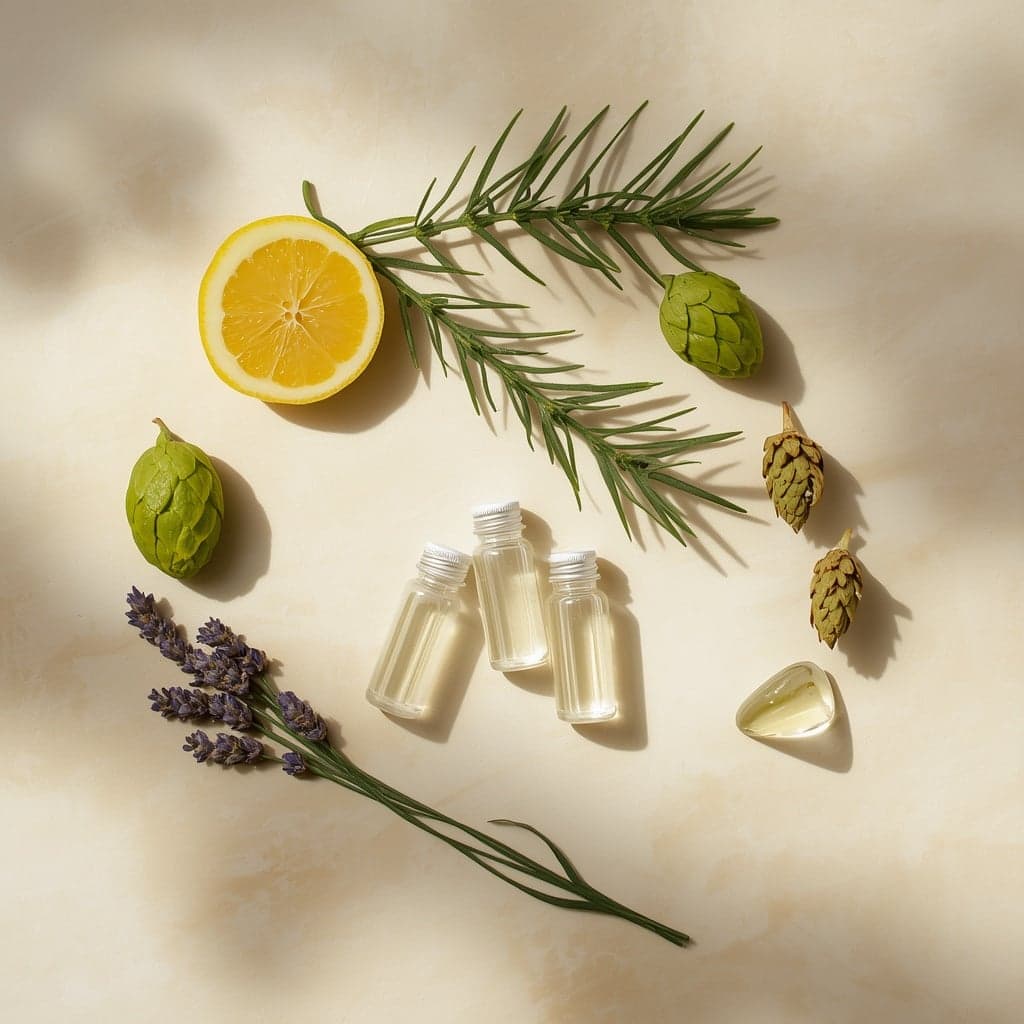
What Terpenes Are, and Why Flavour Varies
Terpenes are the volatile aromatic compounds that give plants their smell — limonene in citrus peel, pinene in pine, linalool in lavender. They are why two products with similar cannabinoid figures taste nothing alike, and because they evaporate easily, they are also the first thing heat and time take away.
 Cannabinoids and concentrates
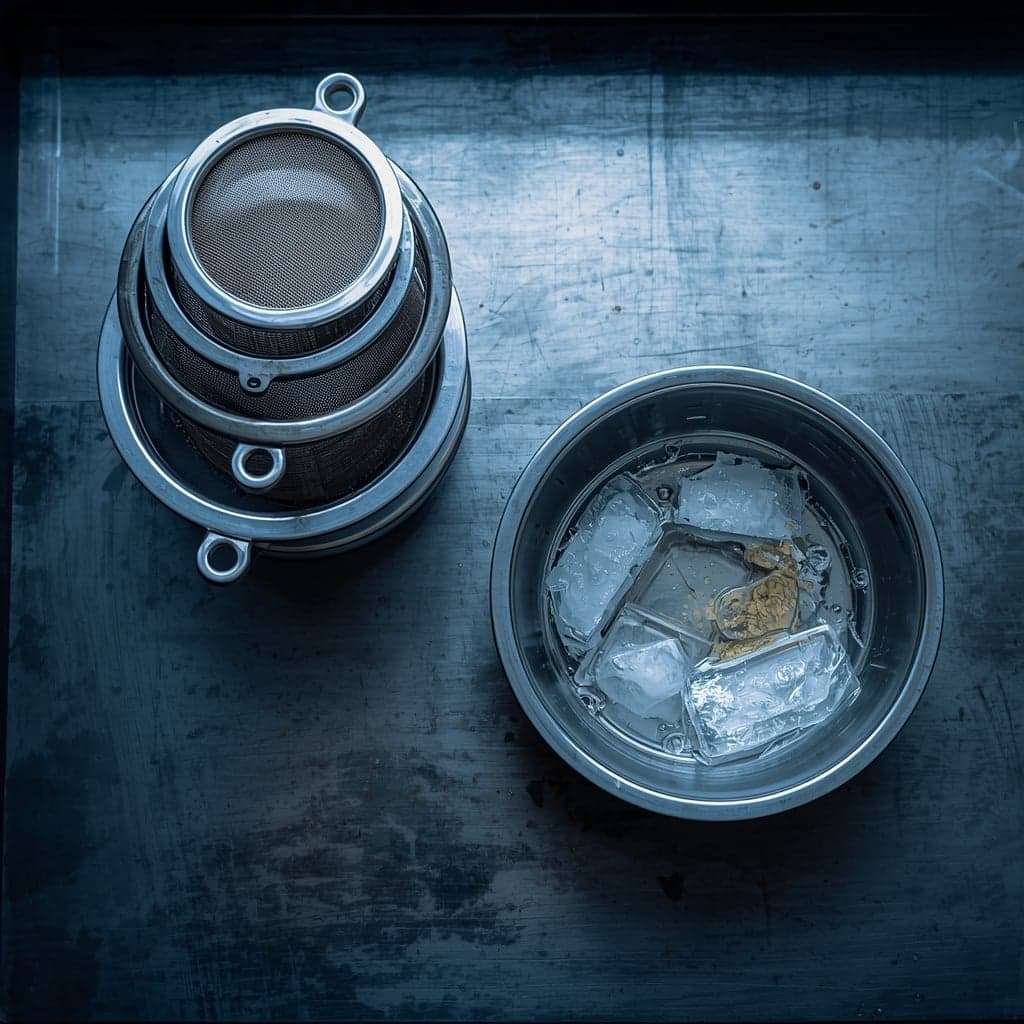
What Solventless Actually Means
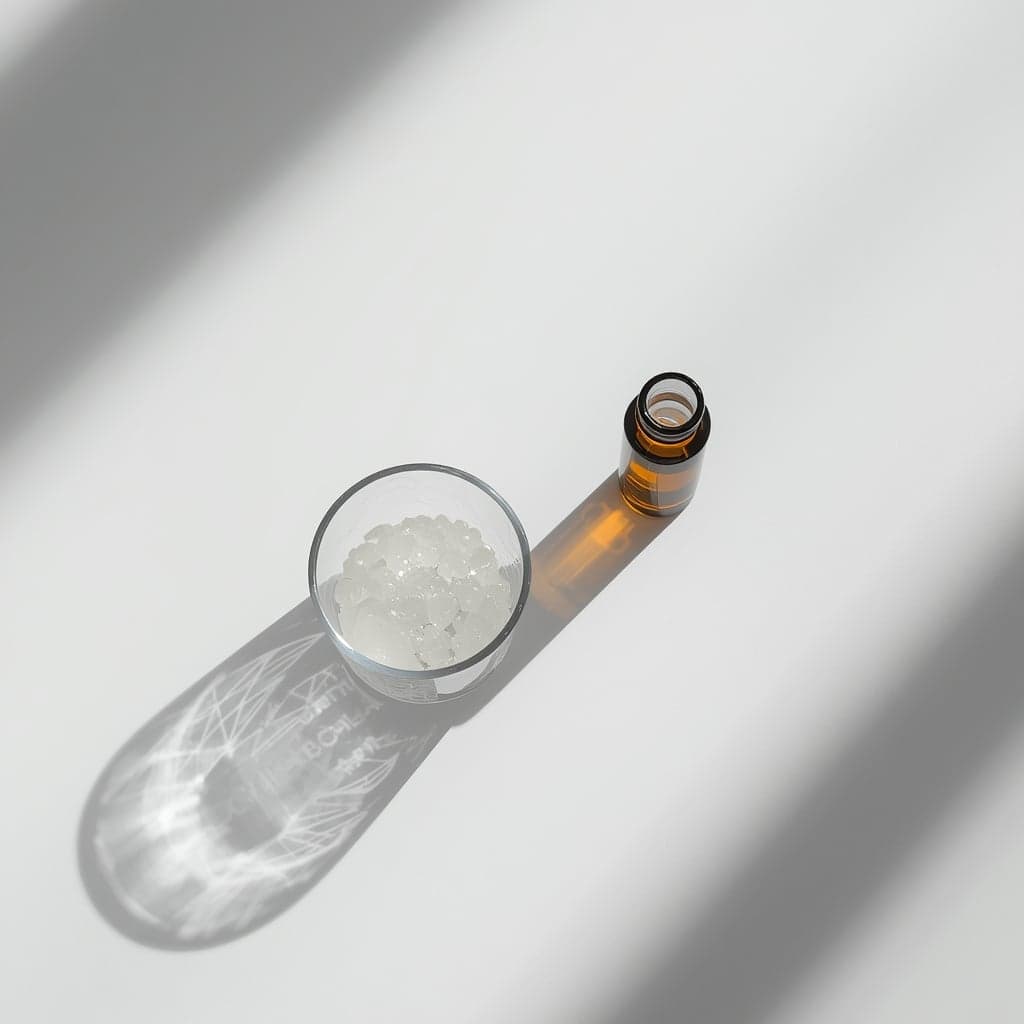
Solventless means the material was separated using only water, ice, heat, pressure or agitation — no butane, propane, ethanol or carbon dioxide at any stage. It is not a synonym for clean or for strong. It removes one category of risk, and every other question about contamination still applies.
 Cannabinoids and concentrates
THCa and What Heat Does to It
THCa is the acid form the living plant actually produces. Heat drives off a carbon dioxide group and converts it to the non-acid compound, losing about 12 per cent of the molecular weight in the process. That conversion is why a certificate reports both figures and why totals are calculated rather than added.
 Cannabinoids and concentrates
Live Resin, Distillate, Rosin and Diamonds
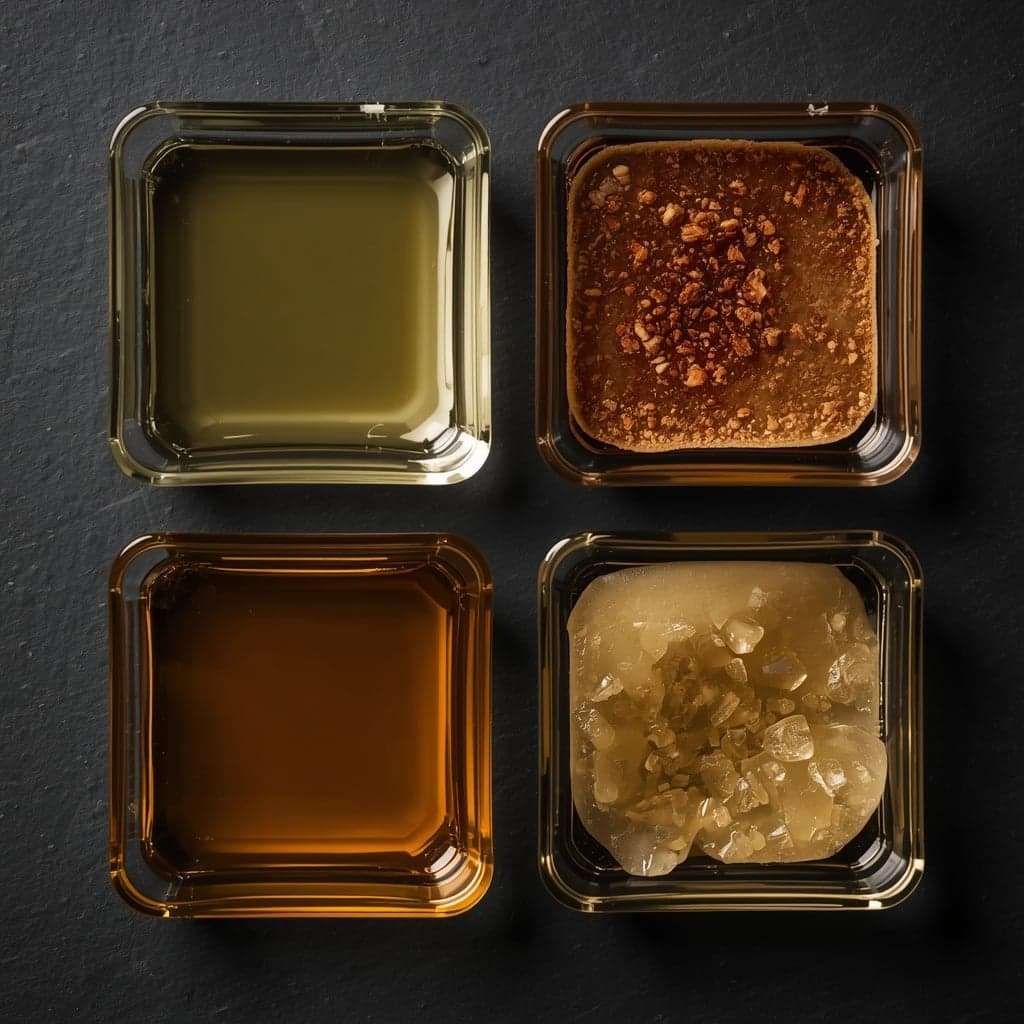
Four words describing how a concentrate was made. Live resin is processed from fresh-frozen material to keep aroma compounds; distillate is refined with heat until one compound dominates; rosin is pressed with heat and pressure and no solvent; diamonds are crystallised cannabinoid acid, usually sitting in a sauce.
 Cannabinoids and concentrates
What Indica, Sativa and Hybrid Actually Tell You
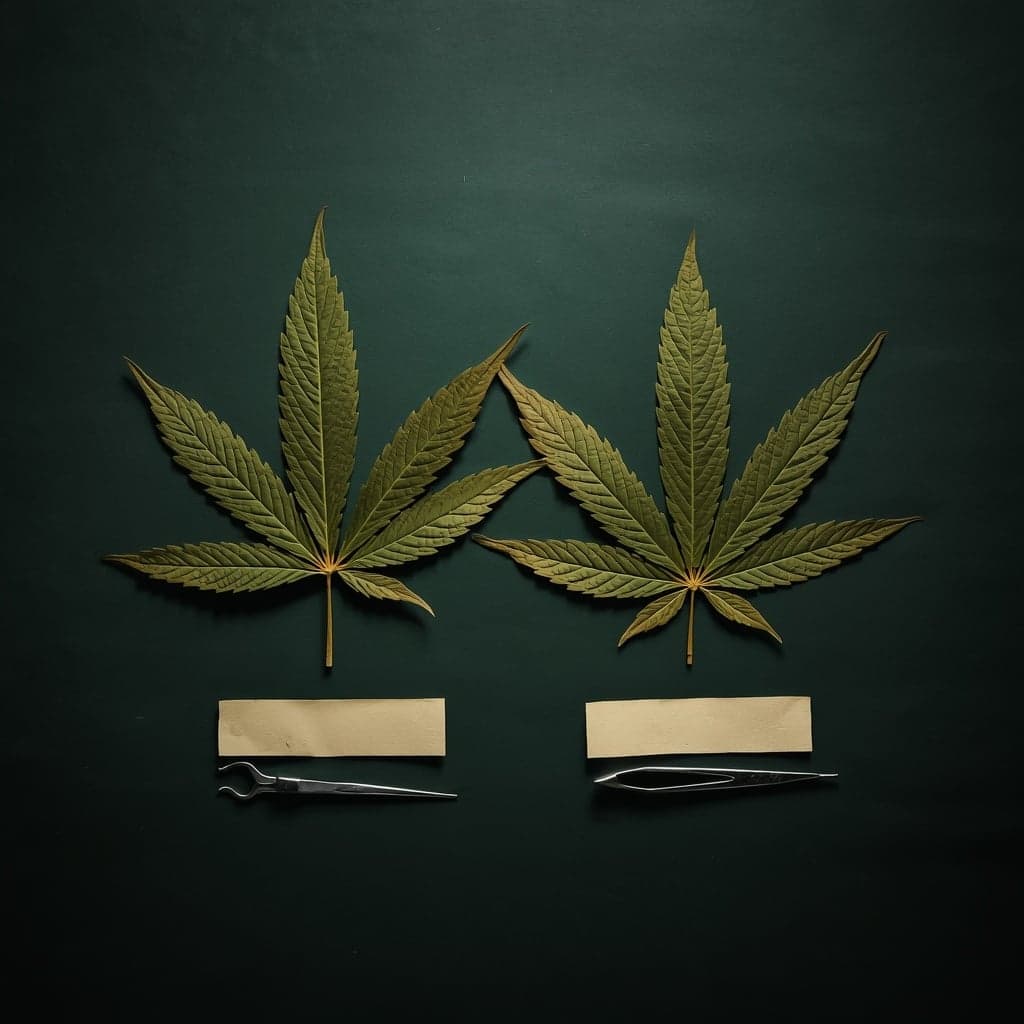
Almost nothing, at this point. The words began as botanical descriptions of plant shape and growing region, and generations of crossbreeding have made them commercial shorthand. Two products labelled the same way can have entirely different chemistry, which is why the certificate and the terpene profile are the useful information.
 Cannabinoids and concentrates
What Happens in Heat, Light and Air
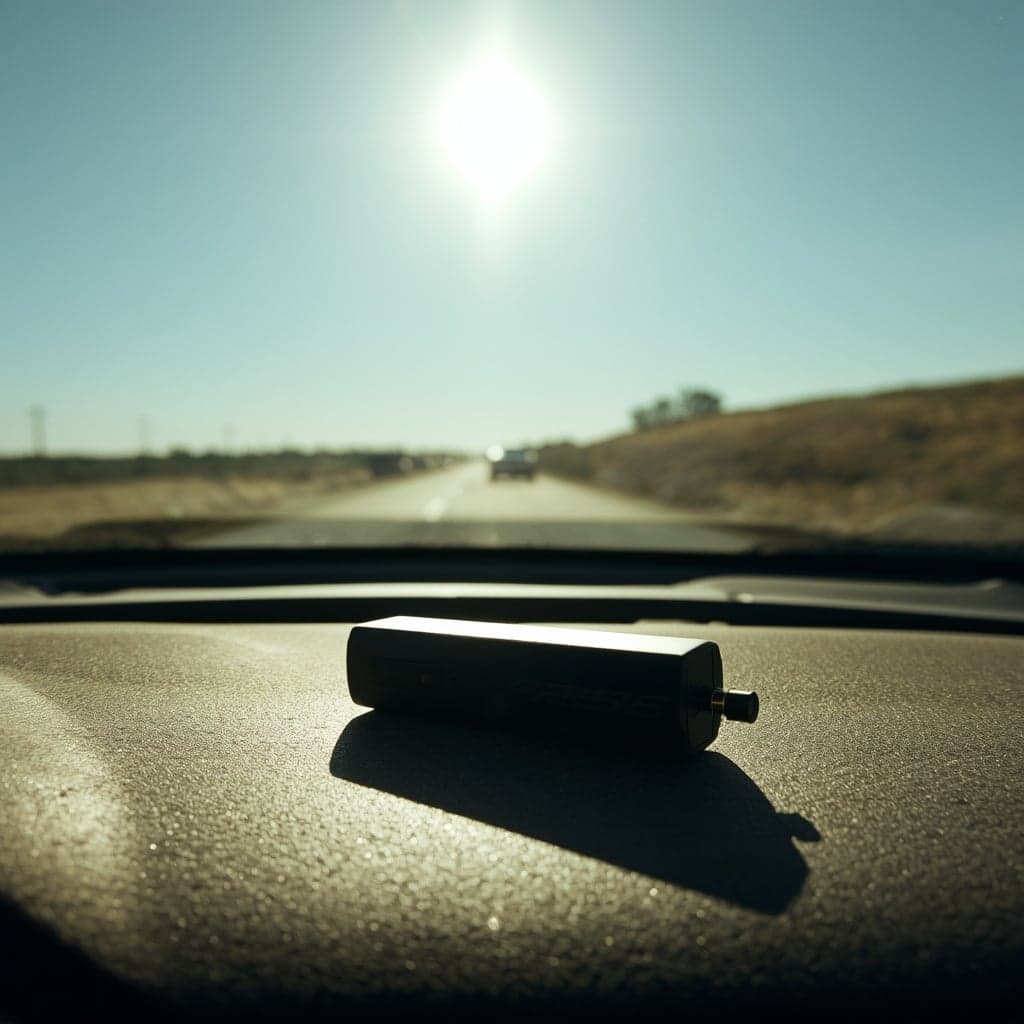
Three things degrade a product and they act at different speeds: light drives oxidation fastest, heat accelerates every reaction including conversion of acid forms, and air supplies the oxygen. Aroma goes first, colour darkens next, and the cannabinoid profile shifts last. Cool, dark and sealed is the whole answer.
 Cannabinoids and concentrates
How a Total Figure on a Certificate Is Worked Out
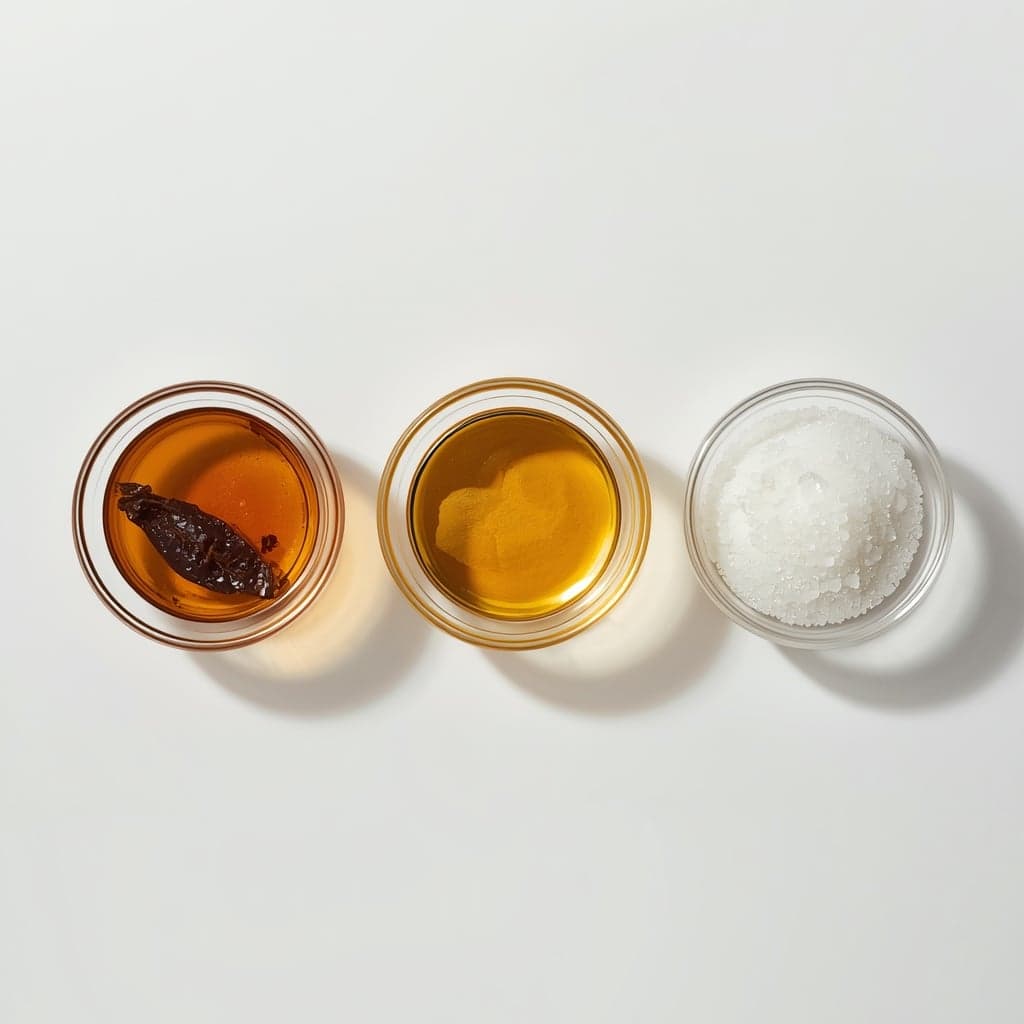
A total is calculated, not added: the acid figure is multiplied by 0.877 to account for mass lost on conversion, then the non-acid figure is added. Adding the two raw numbers instead inflates the result by about 12 per cent, which is the most common way a legitimate certificate is misread.
 Cannabinoids and concentrates
Full Spectrum, Broad Spectrum and Isolate
Full spectrum keeps everything the plant produced. Broad spectrum keeps the rest but removes one or more compounds deliberately. Isolate is a single compound purified to 95 per cent and above, with nothing else left. The three are processing descriptions, not quality grades, and only a certificate confirms which you have.
 Cannabinoids and concentrates
CBD, CBG, CBN and the Minor Cannabinoids
Beyond the two best-known compounds sit dozens of others, present in much smaller amounts. CBG is the precursor the plant builds the rest from, CBN forms as material ages and oxidises, and CBC and THCV appear in traces. A certificate lists them because the panel measures them, not because any claim attaches.
Testing and certificates
Batch code first, then the date, then the accreditation scope, then the panels. How to settle a certificate in two minutes.
 Testing and certificates
How Cannabinoid Figures Are Measured
A sample is homogenised, the compounds are dissolved out with a solvent, and the mixture is separated by chromatography — usually HPLC, which does not heat the sample and so can report acid and non-acid forms separately. Results are then compared against calibrated reference standards.
 Testing and certificates
Why a Test Date Matters as Much as the Figure
Dried bark keeps changing after it is tested. Moisture drifts, light fades the surface, and air slowly oxidizes tannins, which darkens and dulls the color a bath gives. A report describes the bark on the day it was sampled, so the date tells you how far the bag in your hands may have moved since.
 Testing and certificates
What a Contaminant Panel Actually Covers for Dried Bark
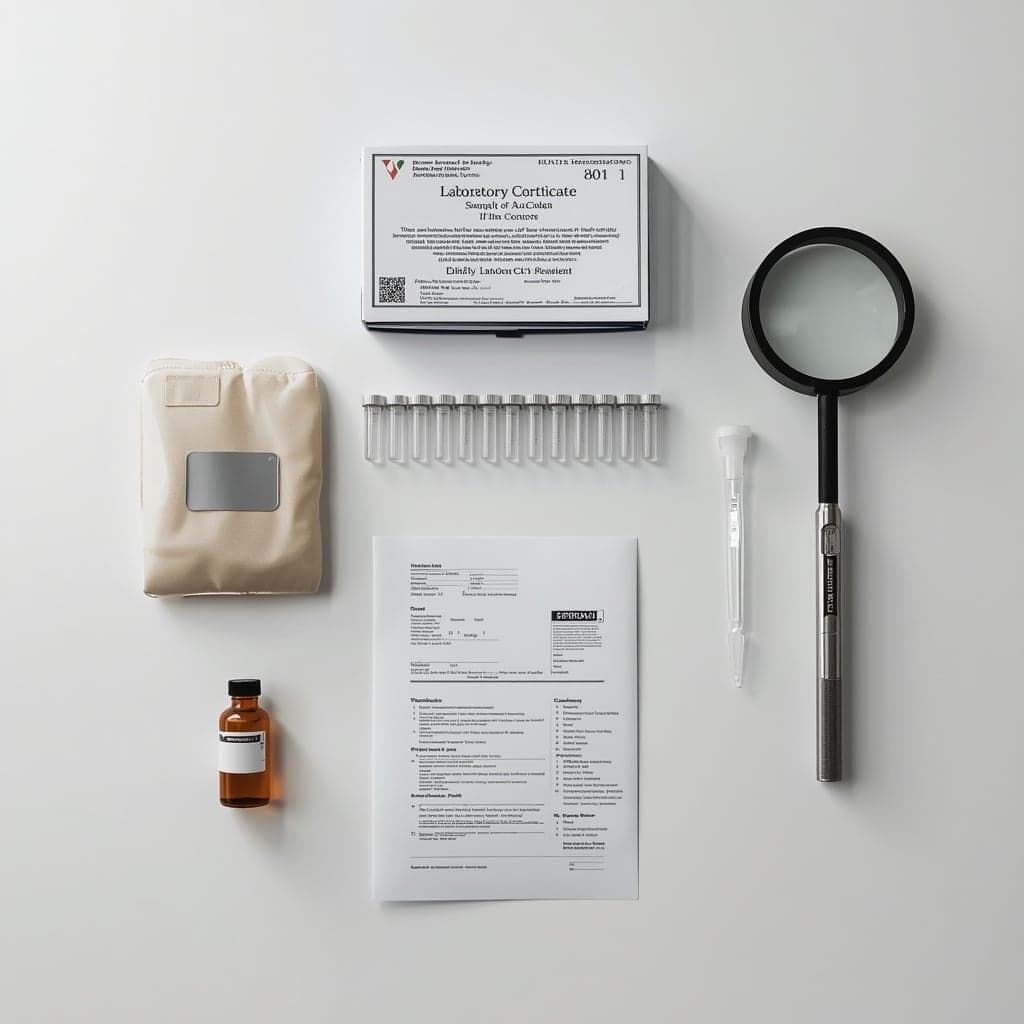
A contaminant panel for dried botanical material usually checks four heavy metals (lead, arsenic, cadmium, mercury), microbial counts such as total aerobic count and yeast and mold, pesticide residues, moisture and foreign matter. Each matters for bark you weigh, sift and handle by hand, and each figure only means something next to its method and units.
 Testing and certificates
A Glossary of Certificate of Analysis Terms for Botanicals
A botanical certificate of analysis uses a small working vocabulary: LOD and LOQ set what a method can see and measure, ND means nothing was found above that level, ppm and ppb express tiny amounts, and CFU/g counts living microbes. Knowing these terms lets you read any bark report in minutes.
 Testing and certificates
Spotting Counterfeit Hardware
Counterfeits copy the artwork and not the engineering. Look for misaligned or low-resolution printing, a missing or generic batch code, no working certificate lookup, unusually light weight, rough threads, and a price far below the market. Any one of these is a question; two together is an answer.
 Testing and certificates
Reading a Root Bark Label Line by Line
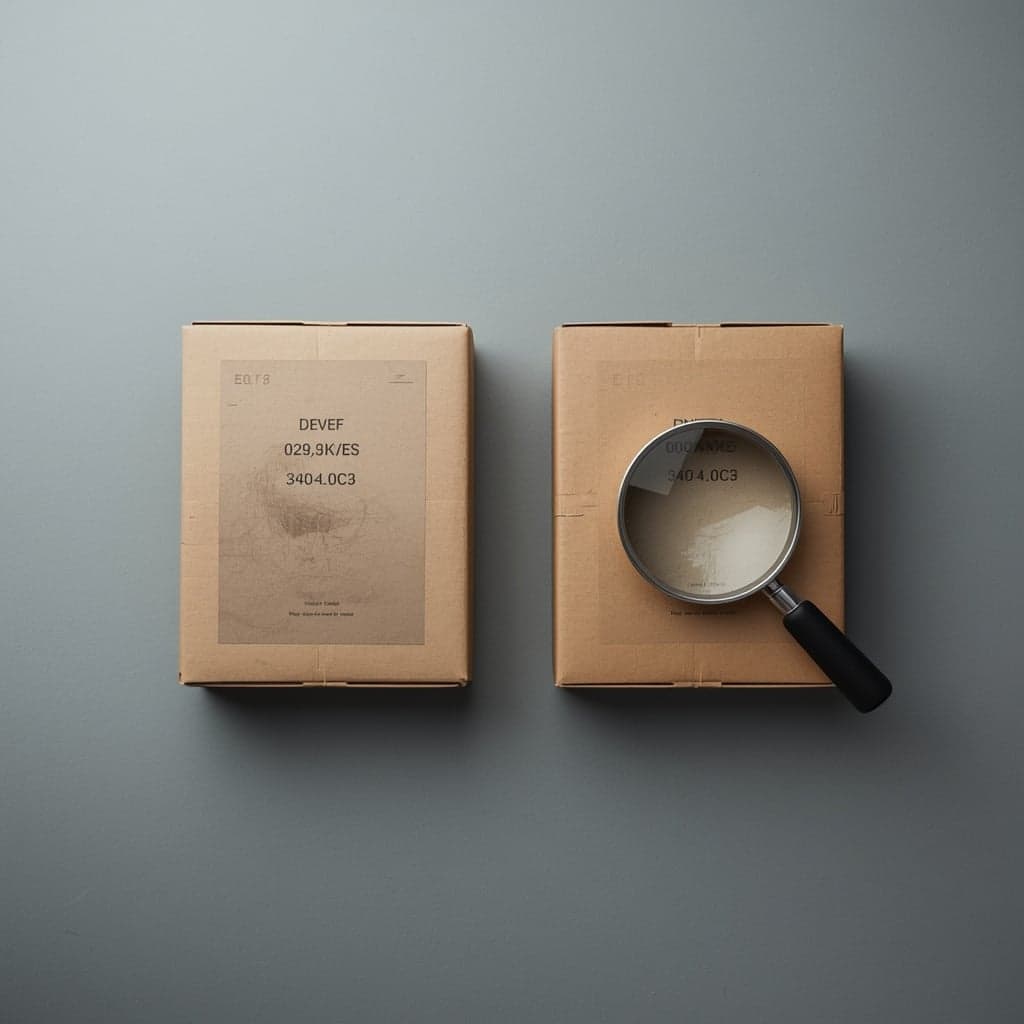
A root bark label should name the plant by its botanical name, state the part and the cut, give the net weight and a batch code, and carry a clear not for human consumption statement. Read each line in order, because Mimosa tenuiflora, sold as Mimosa hostilis, is not the leather trade's mimosa tanning material.
 Testing and certificates
Why Potency Belongs on a Certificate, Not a Box
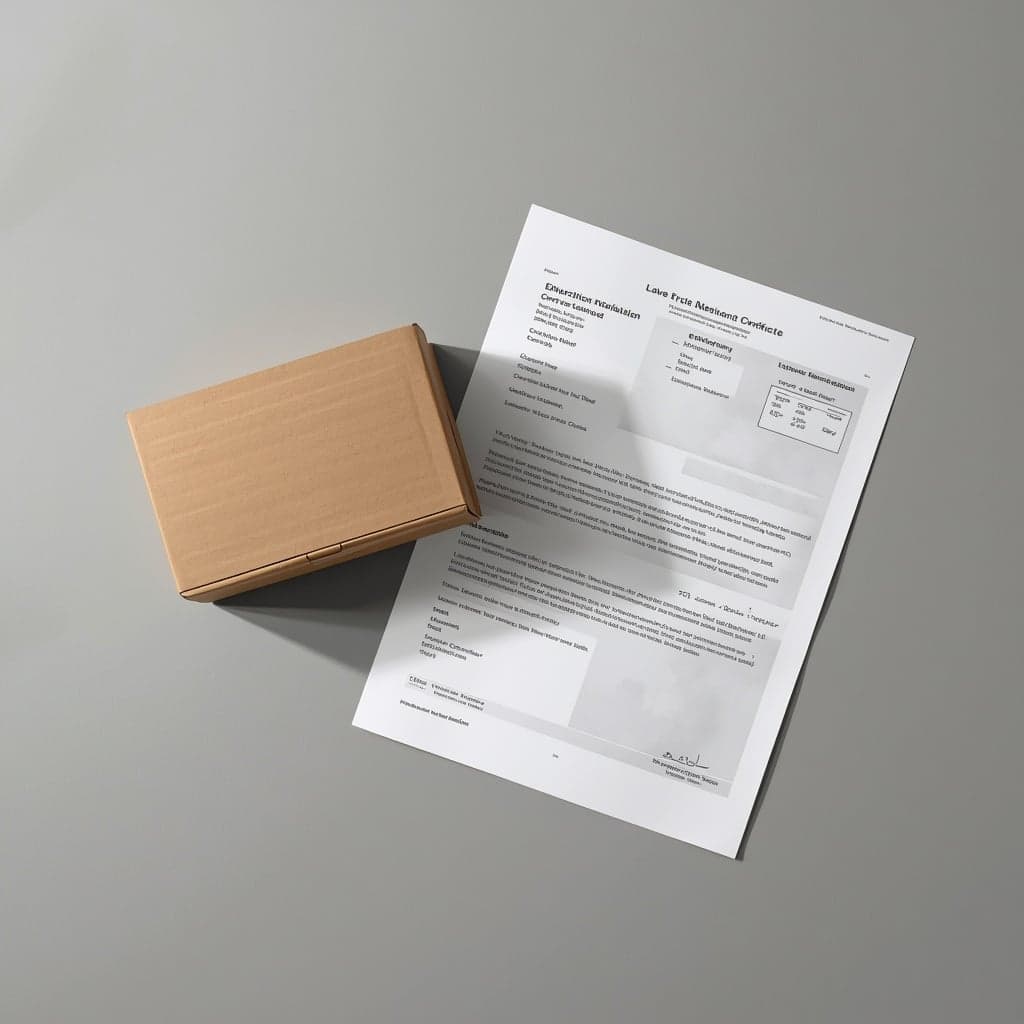
A figure printed on packaging is a marketing claim fixed at design time; a figure on a batch certificate is a measurement of what was in the material. Packaging is printed in bulk before the batch exists, so a printed number describes an intention rather than a result.
 Testing and certificates
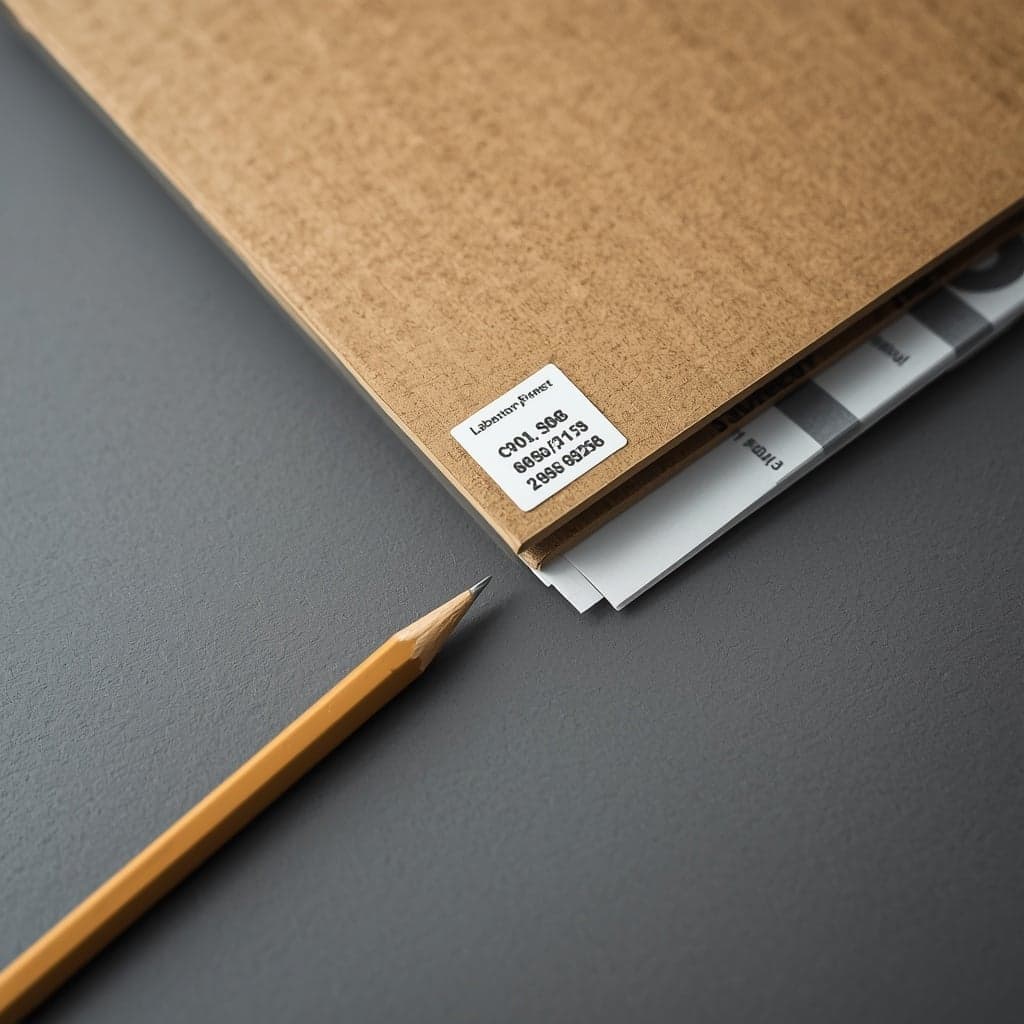
What a Batch Code on a Bag of Root Bark Is For
A batch code ties a bag of root bark to one harvest, one milling run and one set of paperwork. It lets you match your bag to its report, explains why two bags of the same cut can dye differently, and, written into your dye notes, turns a lucky color into one you can repeat.
 Testing and certificates
What ISO/IEC 17025 Accreditation Means for a Testing Lab
ISO/IEC 17025 is the international standard for the competence of testing and calibration laboratories. Accreditation means an independent body has assessed a lab's methods, staff, equipment and record-keeping for a defined list of tests. It covers only the tests on the lab's scope, so a buyer should check that scope, not just the logo.