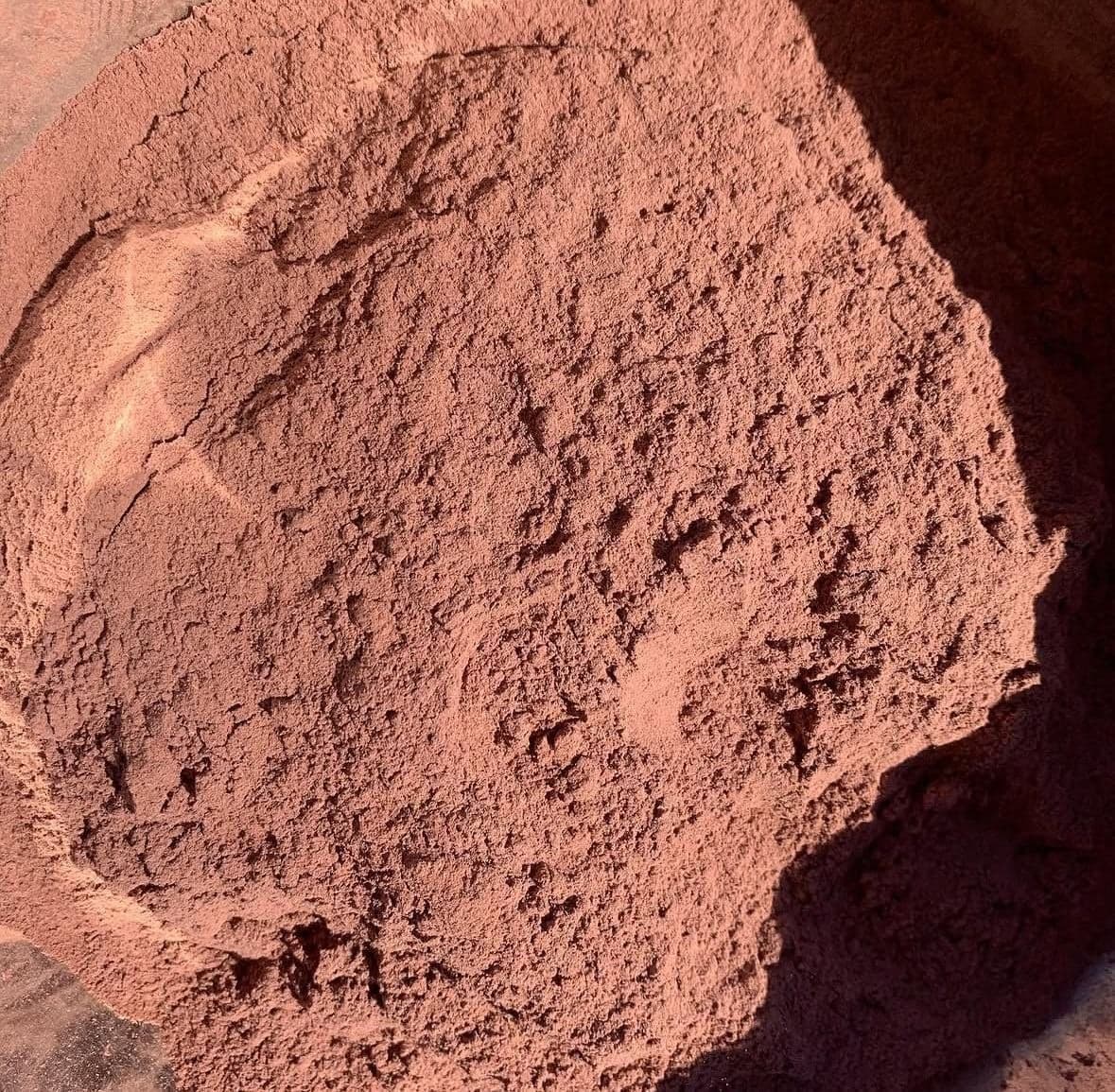
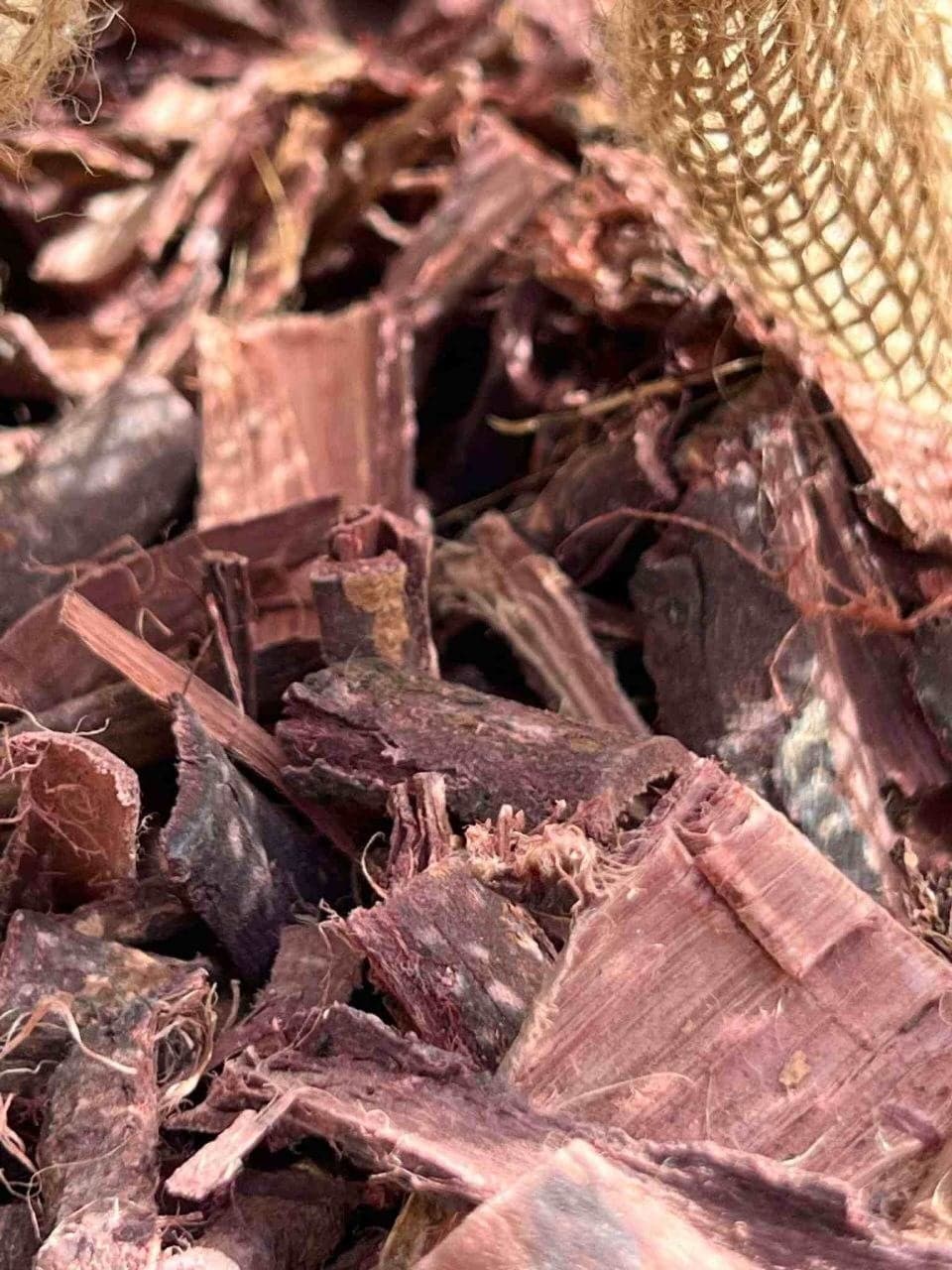
Whole Mimosa Hostilis Root Bark (Chips and Strips)
Botanical use only
$32.501/4 lb
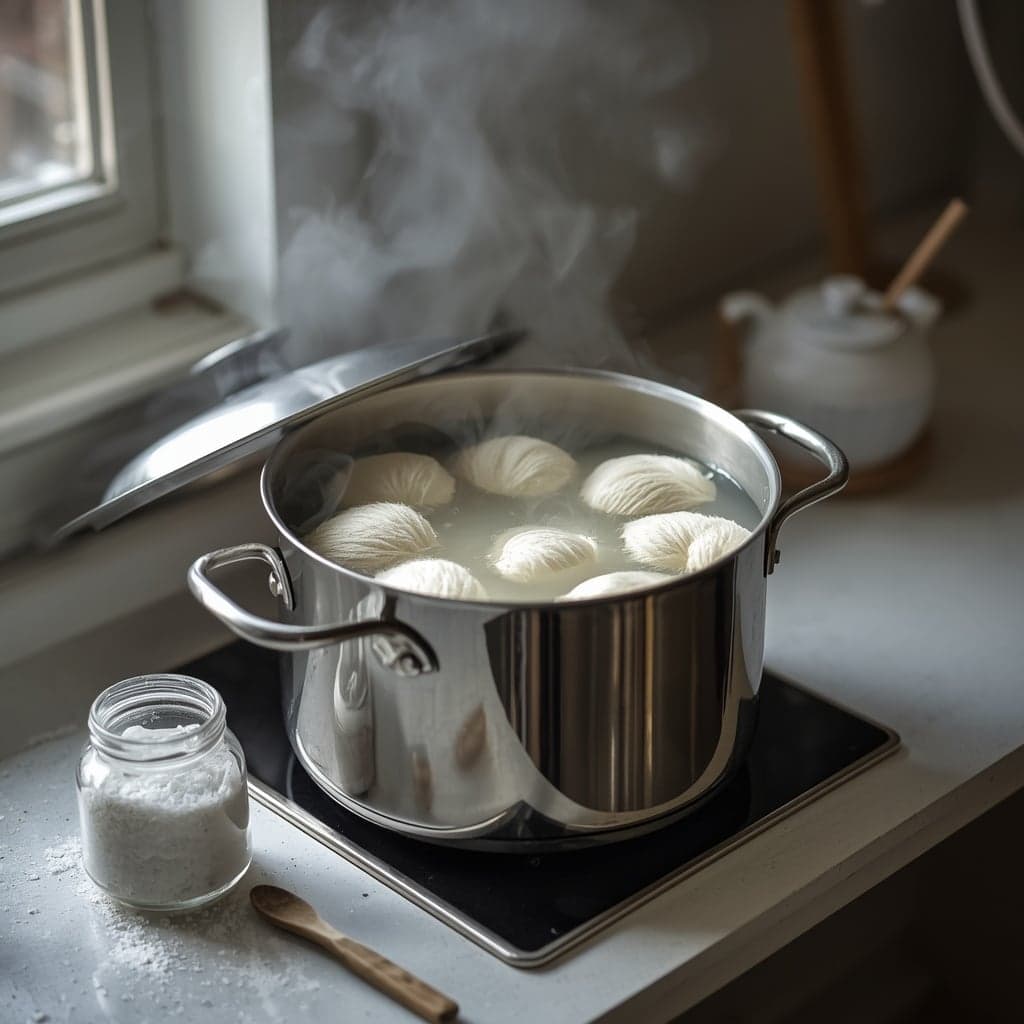
Alum at ten to fifteen per cent of the dry fibre weight, dissolved completely in hot water before any fibre goes near it, held just under a simmer for an hour, then left to cool in the pot. Undissolved crystals are the single commonest cause of pale patches people blame on the bark.
Editorial desk · Written and checked in house · Updated
A mordant is what makes colour stay. Skip it and a bark bath will still stain wool, and the first wash will take most of it away again.
| Item | Quantity | Note |
|---|---|---|
| Alum, potassium aluminium sulfate | 10 to 15% of dry fibre weight | Twelve is a sensible default |
| Cream of tartar | 5 to 7% of dry fibre weight | Optional; keeps the handle soft |
| Water | Enough that the fibre moves freely | Volume changes nothing about depth |
Percentages are always of the dry weight of the fibre, taken before anything is wetted. For a hundred grams of wool, twelve grams of alum.
More is not better. Past about eighteen per cent wool starts to feel harsh and faintly tacky, and that does not wash out. If mordanted fibre feels unpleasant before it has met any colour, the answer is less alum next time, not more rinsing.
1. Scour first. Wash in hot water with a pH-neutral detergent to remove grease and spinning oil, rinse, and keep the fibre wet. Fibre that dries between scouring and mordanting wets out unevenly afterwards. 2. Dissolve the alum in a jug of very hot water, completely, until the water is clear. This is the step people rush. 3. Stir it into the pot before any fibre goes in. 4. Add the wet fibre, then raise the heat slowly over about half an hour to just under a simmer, around 80°C or 175°F. 5. Hold for an hour, turning gently once or twice. Wool at temperature does not want to be stirred; that is how felting starts. 6. Turn the heat off and let it cool in the pot, overnight if you can. 7. Rinse in water of roughly the same temperature as the fibre.
A crystal that has not dissolved does not sit in the water; it settles against the fibre and mordants that spot far more heavily than everything around it. The bath afterwards then takes unevenly, and the result is hard-edged pale patches on an otherwise good skein.
It is the most common fault in a first attempt, and it is entirely avoided by the jug of hot water in step two.
Alum is not something to be careless with. Weigh it without raising dust, keep it away from food surfaces, and use a pot kept for dyeing. Sudden temperature changes are what felt wool, so move fibre between baths of similar temperature rather than plunging it from hot to cold.
Everything described here is raw botanical material sold for dyeing, soap making and craft work. It is not food, it is not a supplement, and it is not for human consumption. Nothing on this page is a recommendation to put any of it in or on a body.
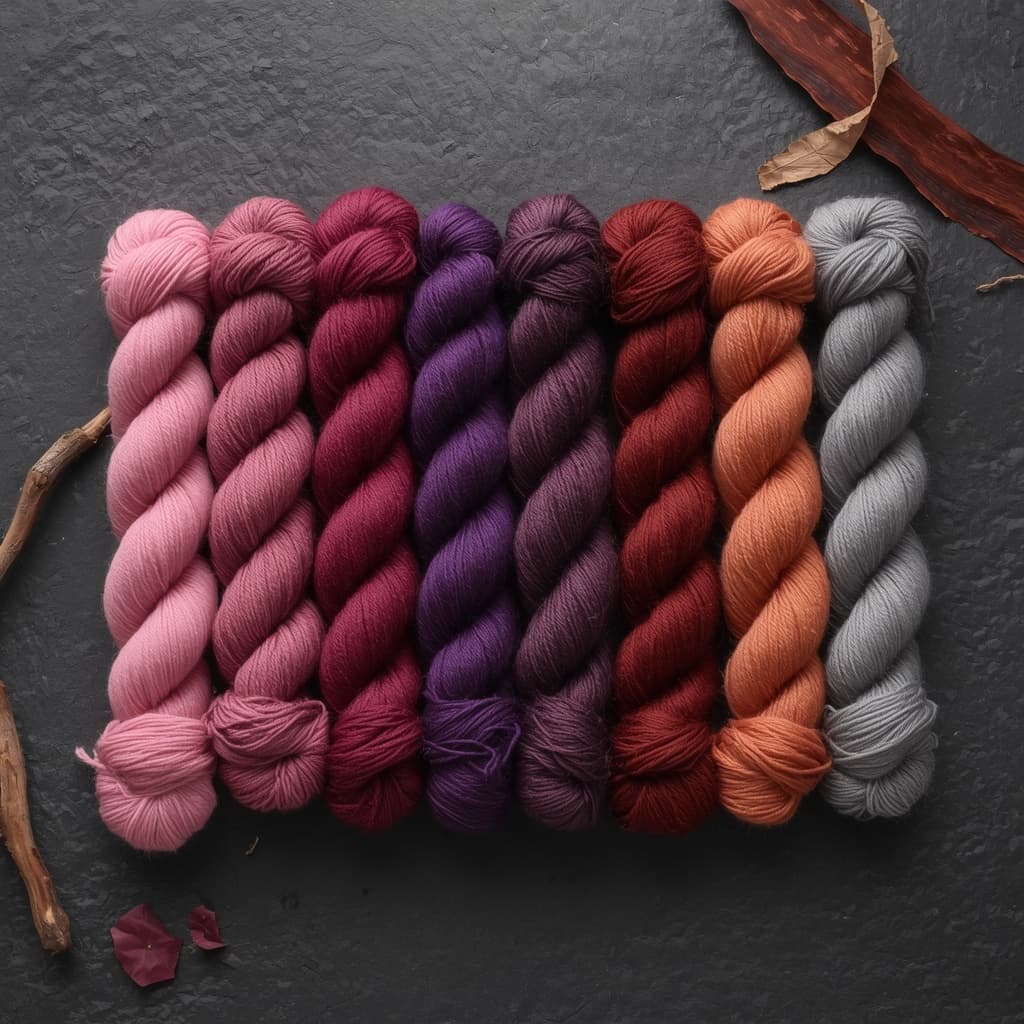
Overdyeing is dyeing one color on top of another. Mimosa hostilis gives rose to plum, so over indigo blue it makes violet and deep purple, over a yellow dye it makes peach, coral and rust, and with iron it turns grey and slate. Dye small samples first, and change only one thing between them.
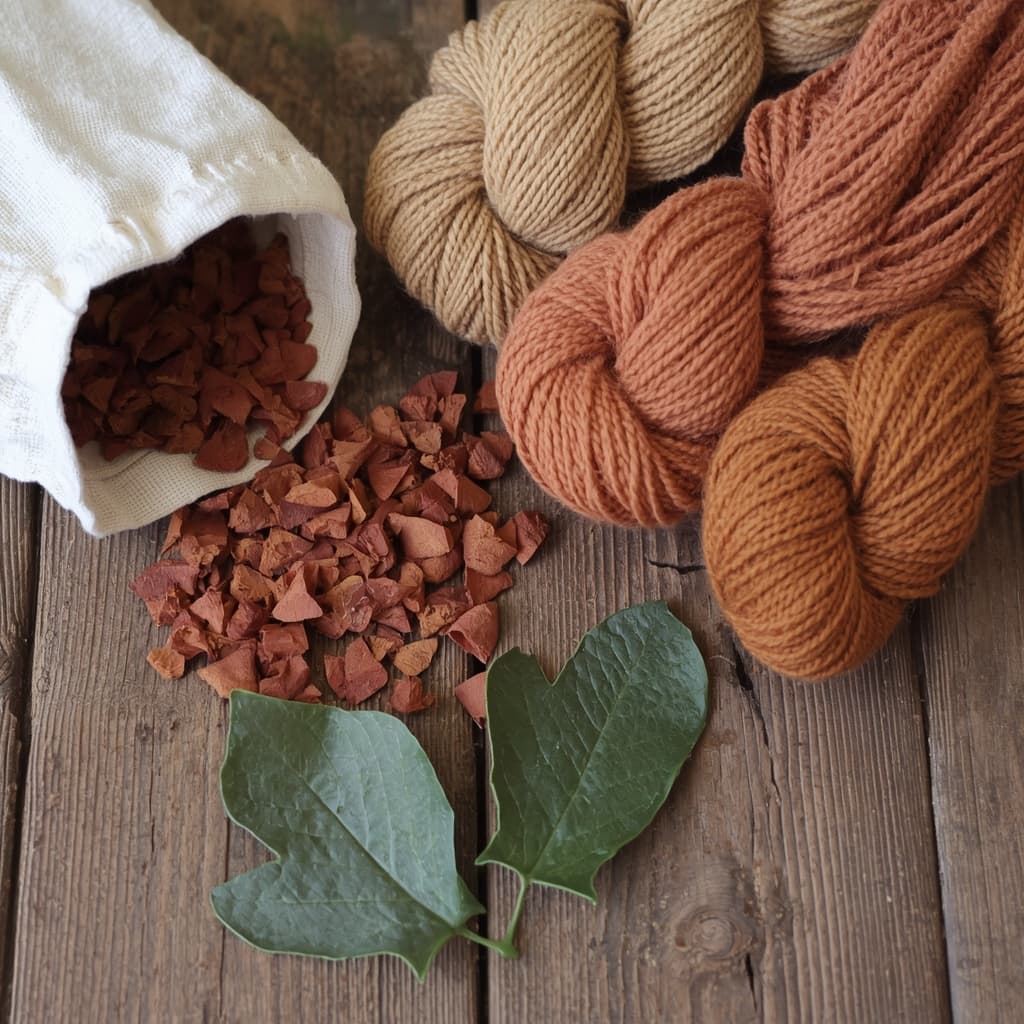
Sassafras root bark gives warm tan, rose-tan and orange-brown on wool mordanted with alum, and grey-brown with an iron afterbath. Use about a pound of bark to a pound of dry wool. Soak the bark overnight, simmer it gently for an hour, strain, then hold the mordanted wool in the bath just under a simmer for an hour and let it cool there.
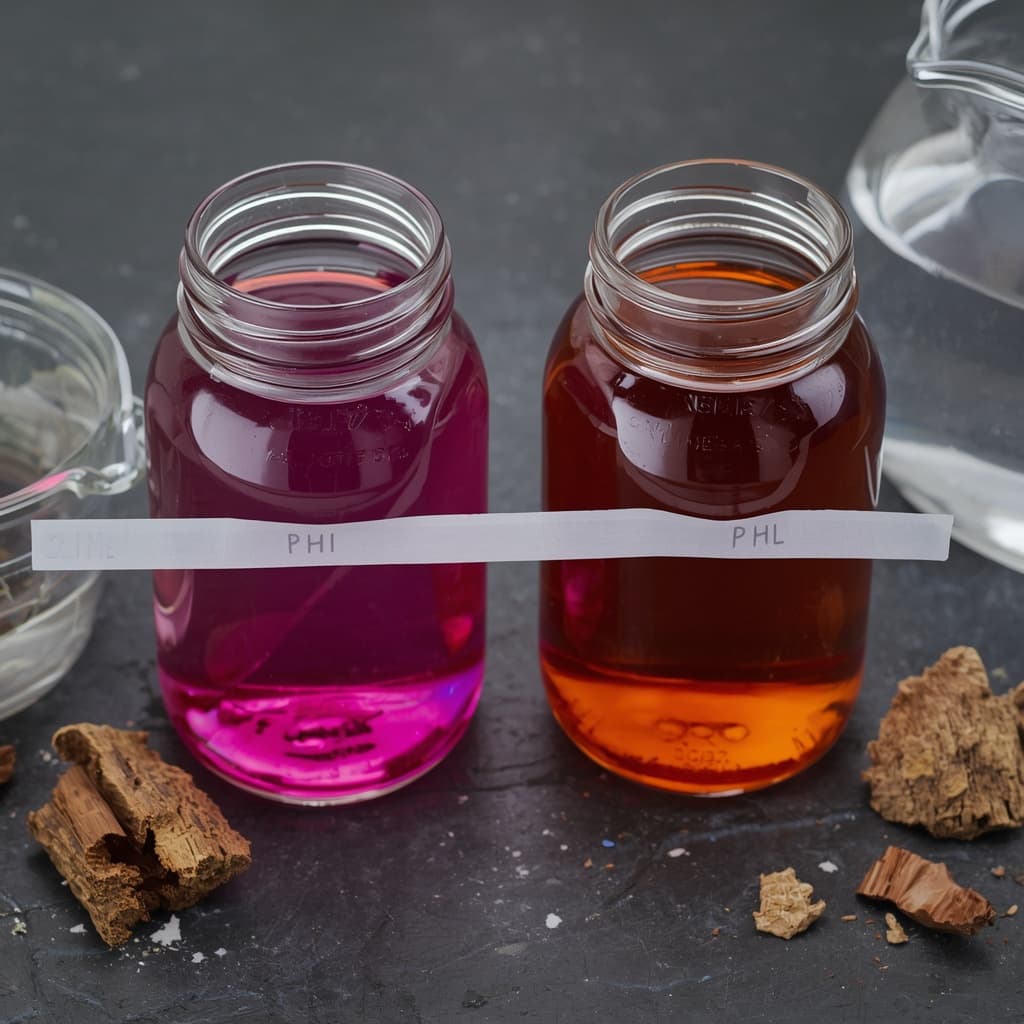
Hard water carries calcium and magnesium and usually runs alkaline, and both shift a tannin dye. With Mimosa hostilis the purples drift toward brown and the color looks duller. Iron in well water greys it further. Rainwater or distilled water is the simplest answer; a little white vinegar or citric acid, to bring the bath to about pH 5 or 6, is the next best.
Your cart is empty
Everything we sell is batch-tested, and we tell you what ships to your state before you add it.
Browse the shop