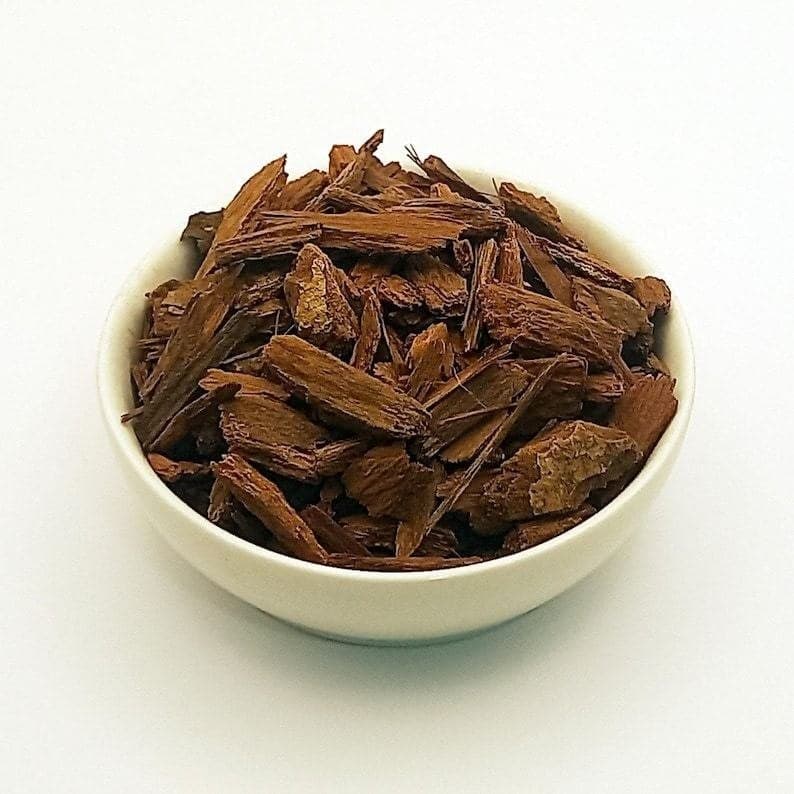
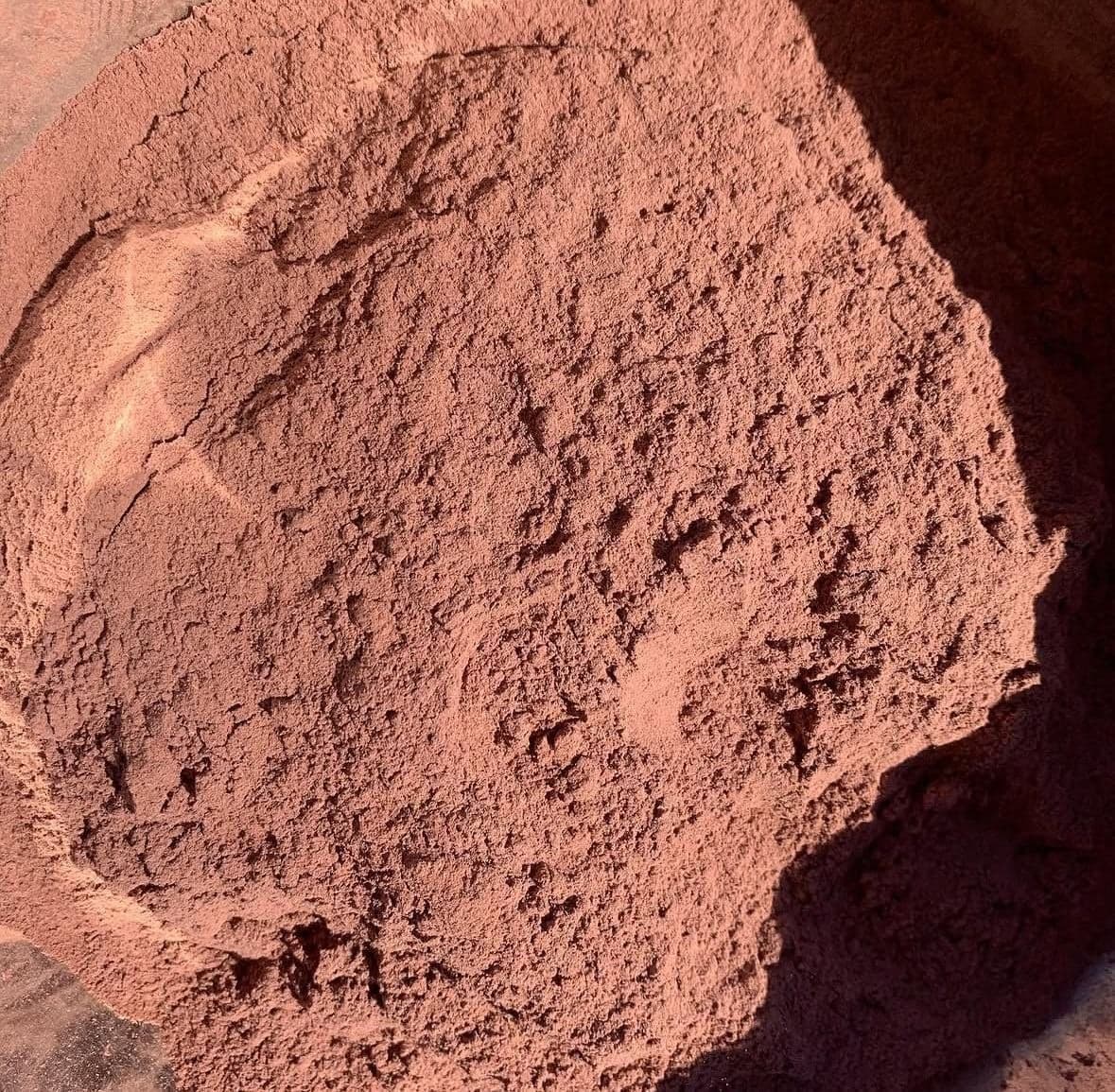
Mimosa Hostilis Root Bark Powder
Botanical use only
$37.501/4 lb
Check four things in this order: does the batch code on the report match the bag in your hand, when was it tested, is the laboratory accredited for those tests, and does the report cover species identity and contaminants such as heavy metals and microbes. A report that fails the first check describes different material.
Editorial desk · Written and checked in house · Updated
A certificate of analysis is a laboratory's report on one sample from one batch. For root bark sold as a dye material it answers two questions: is this the plant the label says it is, and what else came with it. Read in the right order, it settles both in a couple of minutes.
## The order that matters
| Step | What you are checking | If it fails | | --- | --- | --- | | 1 | The batch code matches your bag | The report describes different material | | 2 | The test date | An old report describes the bark as it was then | | 3 | The laboratory, in its accreditor's directory | It is one company's word | | 4 | Identity and contaminant results | Neither question has been answered |
Step one first, always. The most common disappointment is not a forged report but a genuine one for a batch you do not have. See [what a batch code is for](/blog/what-a-batch-code-is-for).
## Why the date matters
Dried bark keeps well but not forever. Moisture creeps in, light fades the cut faces, and oxygen slowly darkens the color compounds. Sealed, nitrogen-flushed packaging slows that a great deal, which is why a report dated close to when the bag was packed is the one that describes it best. See [why a test date matters as much as the figure](/blog/why-a-test-date-matters-as-much-as-the-figure).
## Accreditation is scoped
A laboratory is accredited for **specific tests**, not in general. One accredited for heavy metals is not thereby accredited for microbial counts, even on the same letterhead. The accreditor publishes the scope, and it takes a minute to check. See [what ISO 17025 accreditation means](/blog/what-iso-17025-accreditation-means).
## What a report on bark should cover
- **Identity**: that the material is the species named, by microscopy or a chemical fingerprint. - **Heavy metals**: lead, arsenic, cadmium and mercury, which a root can take up from its soil. - **Microbial counts**: bacteria, yeast and mold, which matter in anything handled by hand. - **Moisture and foreign matter**: damp bark spoils, and grit or soil is weight you paid for.
For what each line means, see [what a contaminant panel actually covers](/blog/what-a-contaminant-panel-actually-covers).
## Dry weight or as received
A result on a dry weight basis is not the same as one reported as received: bark that holds some moisture reads lower as received. The certificate says which basis it uses; the bag usually does not.
## The abbreviations
**ND** not detected. **LOD** the smallest amount the method can detect. **LOQ** the smallest amount it can put a reliable number on; a result below it reads `<LOQ`, which is not the same as zero. **Action limit** the threshold a result is judged against. The rest are in [a glossary of certificate terms](/blog/a-glossary-of-certificate-terms).
## What to ask a seller
Ask for the report held for the batch code printed on your bag, not a sample report for the product in general, and not a screenshot. You can ask us for ours through the [contact page](/contact).
ISO/IEC 17025 is the international standard for the competence of testing and calibration laboratories. Accreditation means an independent body has assessed a lab's methods, staff, equipment and record-keeping for a defined list of tests. It covers only the tests on the lab's scope, so a buyer should check that scope, not just the logo.
A contaminant panel for dried botanical material usually checks four heavy metals (lead, arsenic, cadmium, mercury), microbial counts such as total aerobic count and yeast and mold, pesticide residues, moisture and foreign matter. Each matters for bark you weigh, sift and handle by hand, and each figure only means something next to its method and units.
A batch code ties a bag of root bark to one harvest, one milling run and one set of paperwork. It lets you match your bag to its report, explains why two bags of the same cut can dye differently, and, written into your dye notes, turns a lucky color into one you can repeat.
Dried bark keeps changing after it is tested. Moisture drifts, light fades the surface, and air slowly oxidizes tannins, which darkens and dulls the color a bath gives. A report describes the bark on the day it was sampled, so the date tells you how far the bag in your hands may have moved since.
A root bark label should name the plant by its botanical name, state the part and the cut, give the net weight and a batch code, and carry a clear not for human consumption statement. Read each line in order, because Mimosa tenuiflora, sold as Mimosa hostilis, is not the leather trade's mimosa tanning material.
Written and checked in house
Everything here is written by the people who weigh, pack and answer the phone. We publish the working numbers — ratios, temperatures, quantities — and where a figure depends on your water or your fibre we say so instead of rounding it into a promise.
Your cart is empty
Everything we sell is batch-tested, and we tell you what ships to your state before you add it.
Browse the shop