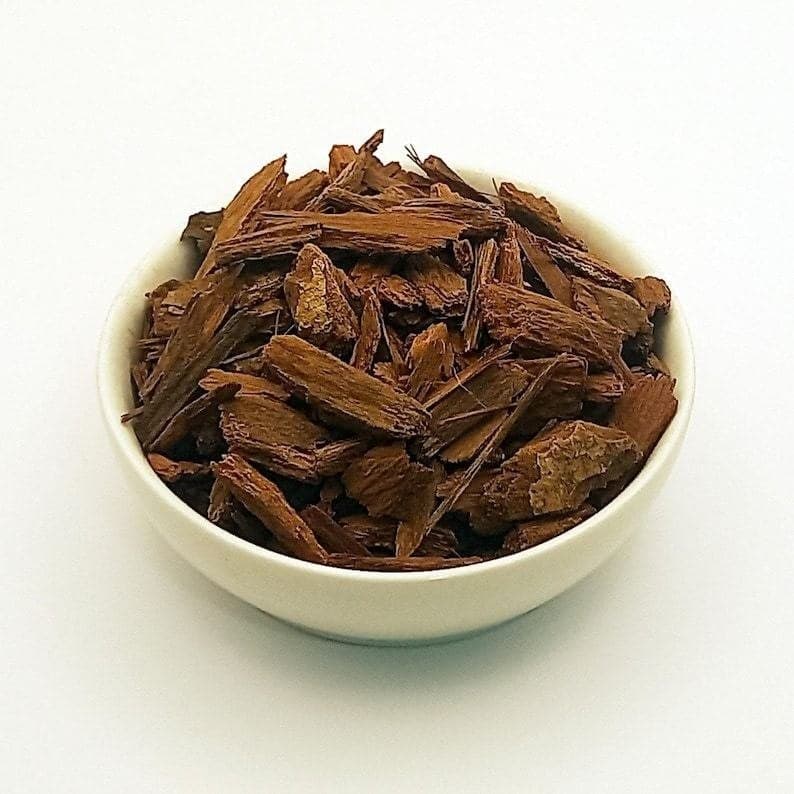
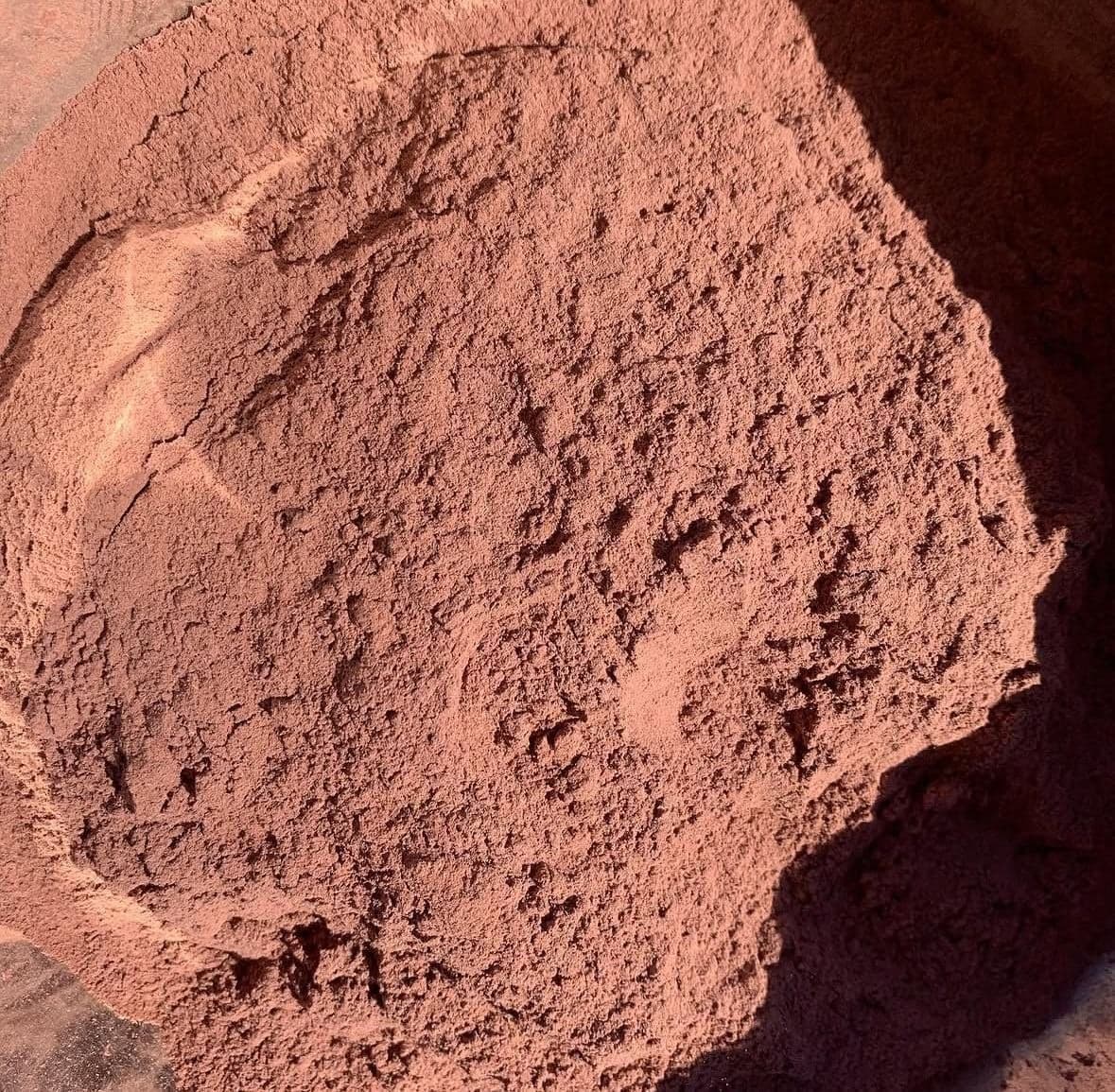
Mimosa Hostilis Root Bark Powder
Botanical use only
$37.501/4 lb
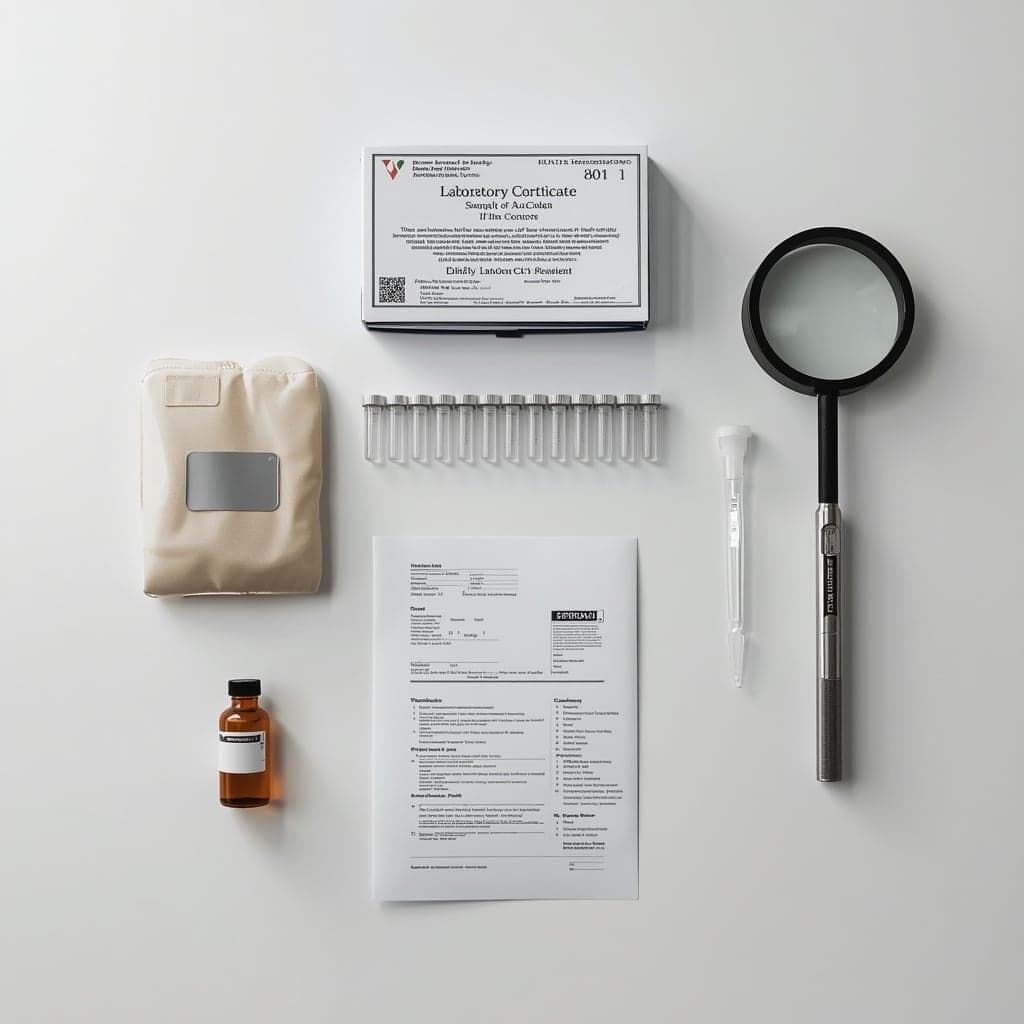
A botanical certificate of analysis uses a small working vocabulary: LOD and LOQ set what a method can see and measure, ND means nothing was found above that level, ppm and ppb express tiny amounts, and CFU/g counts living microbes. Knowing these terms lets you read any bark report in minutes.
Editorial desk · Written and checked in house · Updated
A certificate of analysis, or COA, packs a lot into one page. The numbers are only half of it; the other half is the small print that says what each number means. This glossary covers the terms you are most likely to meet on a report for dried root bark.
A typical COA names the lab and the client, identifies the sample, usually by batch code, lists each test with its method, result, units and limits, and gives the dates the sample was received and the report issued. Some add a pass or fail column against a stated specification. The dates matter more than they look; see why a test date matters as much as the figure.
| Term | Meaning |
|---|---|
| COA | Certificate of analysis: the lab's formal report for one sample |
| LOD | Limit of detection: the lowest level a method can tell apart from zero |
| LOQ | Limit of quantitation: the lowest level a method can measure with a stated confidence |
| ND | Not detected: below the LOD for that test |
| < LOQ | Seen, but too low to put a reliable number on |
| ppm | Parts per million; the same as mg/kg |
| ppb | Parts per billion; the same as µg/kg, a thousand times smaller than ppm |
| CFU/g | Colony-forming units per gram: living microbes able to grow on the test plate |
| As received | Result on the sample as it arrived, water included |
| Dry weight basis |
ND does not mean none. It means the test could not see any above its detection limit. A method with a low LOD says more with its ND than a method with a high one. So an ND should always be read next to the LOD printed beside it. The same goes for results shown as below the LOQ: something was seen, but not enough to measure well.
Bark always holds some water. A result on an as-received basis includes that water in the weight; a dry weight basis result removes it. The dry weight figure is always a little higher for the same sample. Neither is wrong, but comparing one of each is. Check which basis each report uses before setting two side by side.
Identification confirms that the material is the plant named on the label. Labs use one or more of these:
A report should say which method was used. This matters for bark because names get mixed up in the trade, as covered in reading a label line by line.
Chain of custody shows the sample moved from bag to lab without an unrecorded hand in between. Accreditation shows the lab is competent for the listed tests; see what ISO/IEC 17025 accreditation means. For everyday dyeing terms rather than lab ones, keep a plain glossary of natural dyeing terms nearby.
If you would like to read a real one, note the batch code on your bag and ask us for the report we hold for your batch.
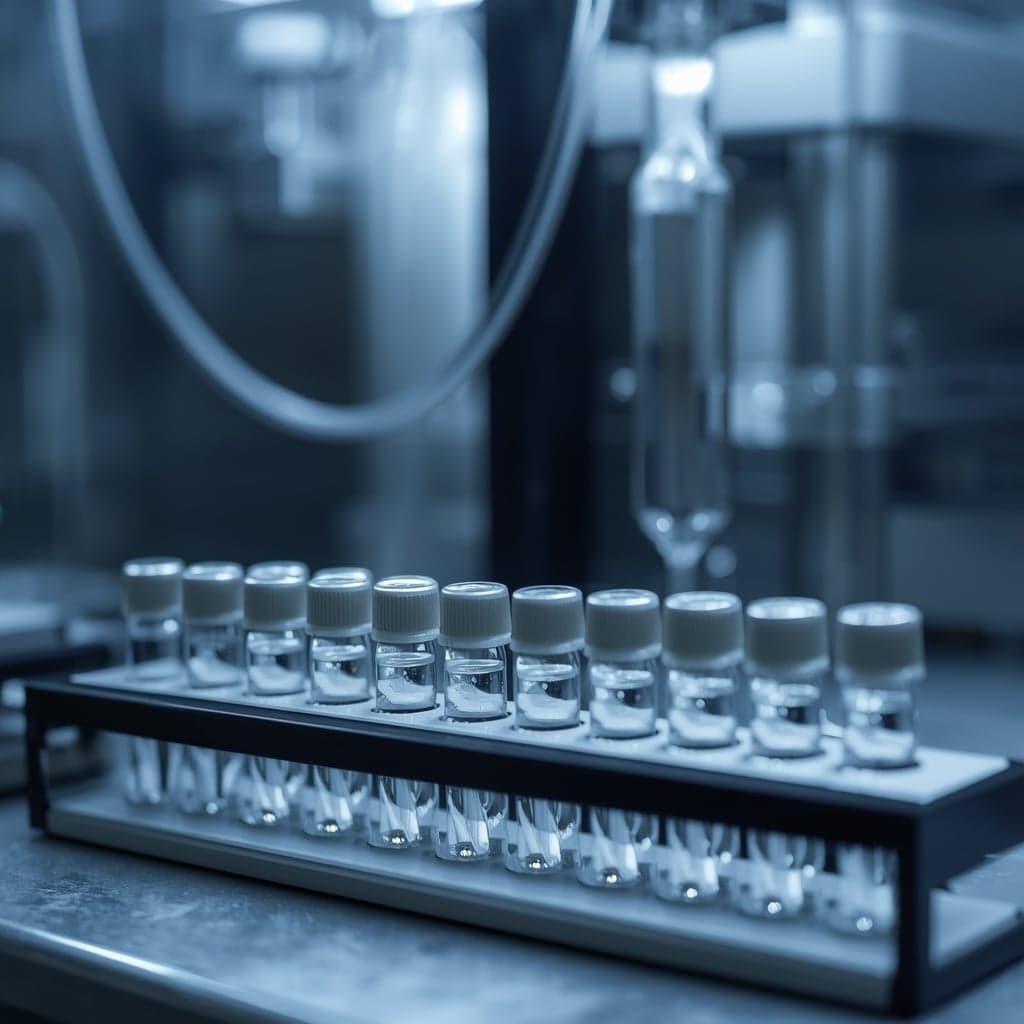
A sample is homogenised, the compounds are dissolved out with a solvent, and the mixture is separated by chromatography — usually HPLC, which does not heat the sample and so can report acid and non-acid forms separately. Results are then compared against calibrated reference standards.

Dried bark keeps changing after it is tested. Moisture drifts, light fades the surface, and air slowly oxidizes tannins, which darkens and dulls the color a bath gives. A report describes the bark on the day it was sampled, so the date tells you how far the bag in your hands may have moved since.
| Result recalculated as if all moisture were removed |
| Action limit | A level set by the lab or client above which a result needs follow-up |
|---|
| Specification | The range a result must fall in to pass |
|---|
| Chain of custody | The signed record of who held the sample, and when |
|---|
| Method | The named procedure used for a test |
|---|
| Measurement uncertainty | The stated margin around a result |
|---|
A contaminant panel for dried botanical material usually checks four heavy metals (lead, arsenic, cadmium, mercury), microbial counts such as total aerobic count and yeast and mold, pesticide residues, moisture and foreign matter. Each matters for bark you weigh, sift and handle by hand, and each figure only means something next to its method and units.
Your cart is empty
Everything we sell is batch-tested, and we tell you what ships to your state before you add it.
Browse the shop