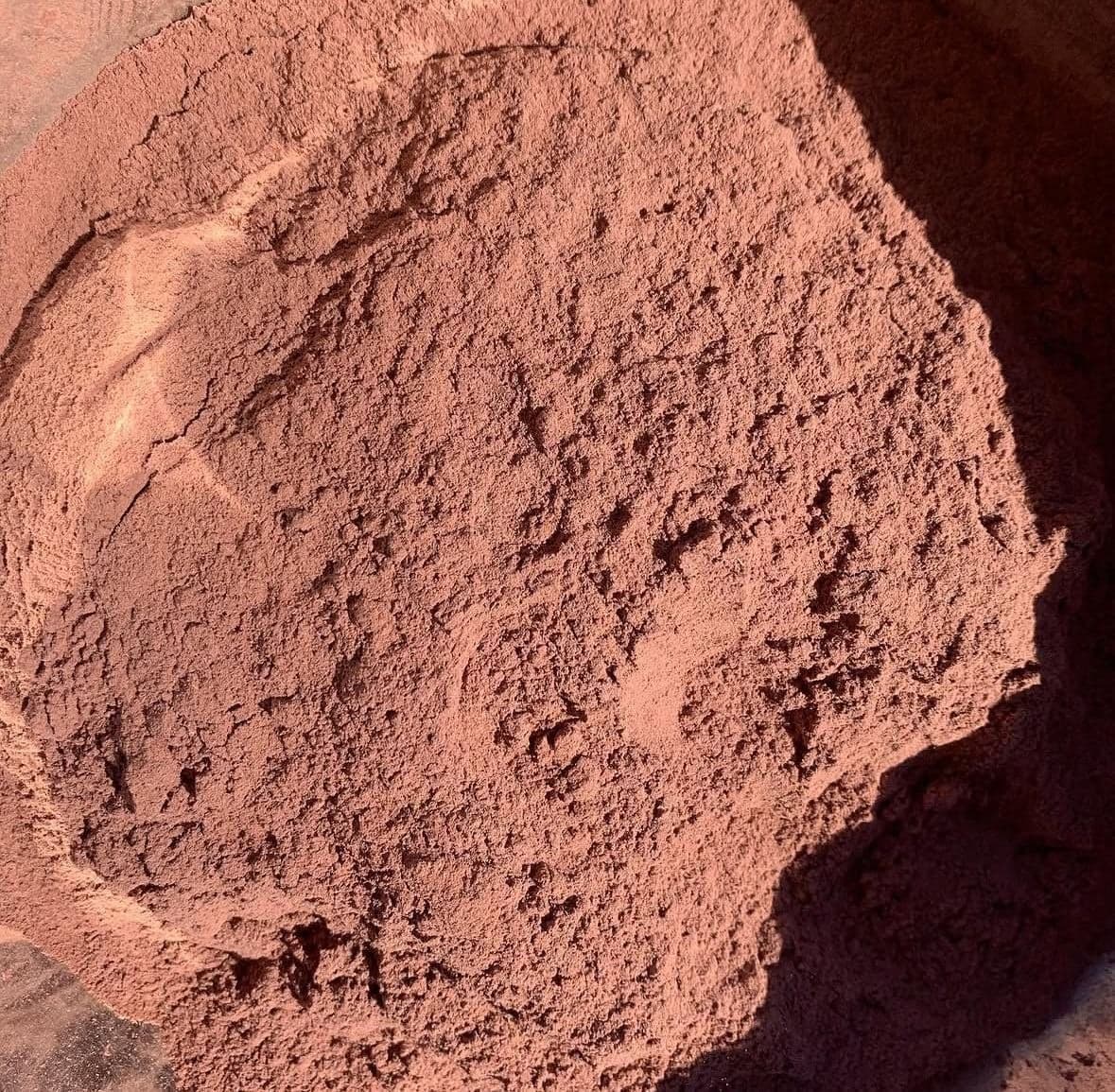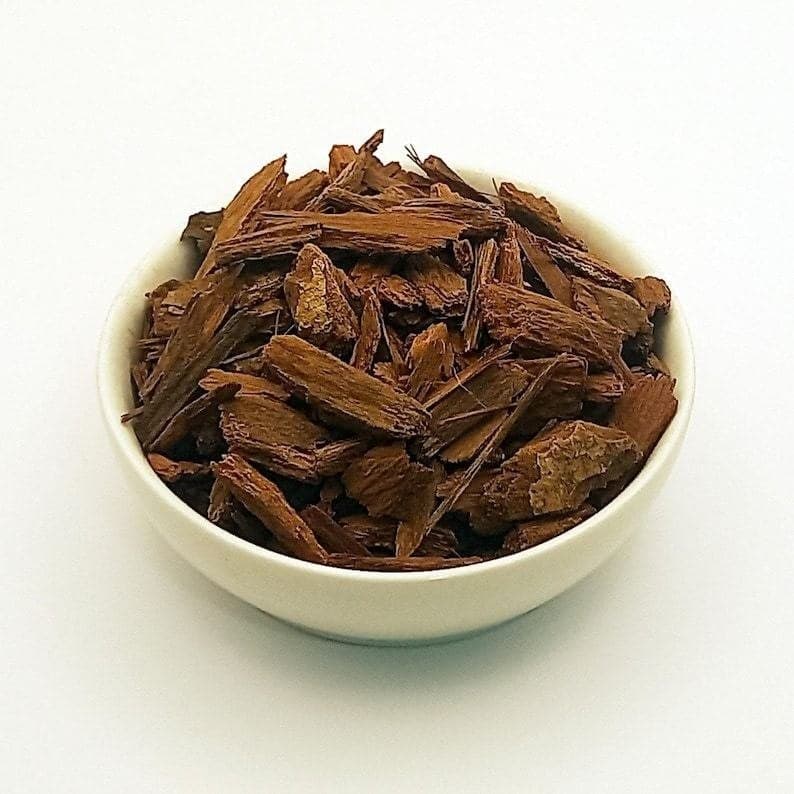
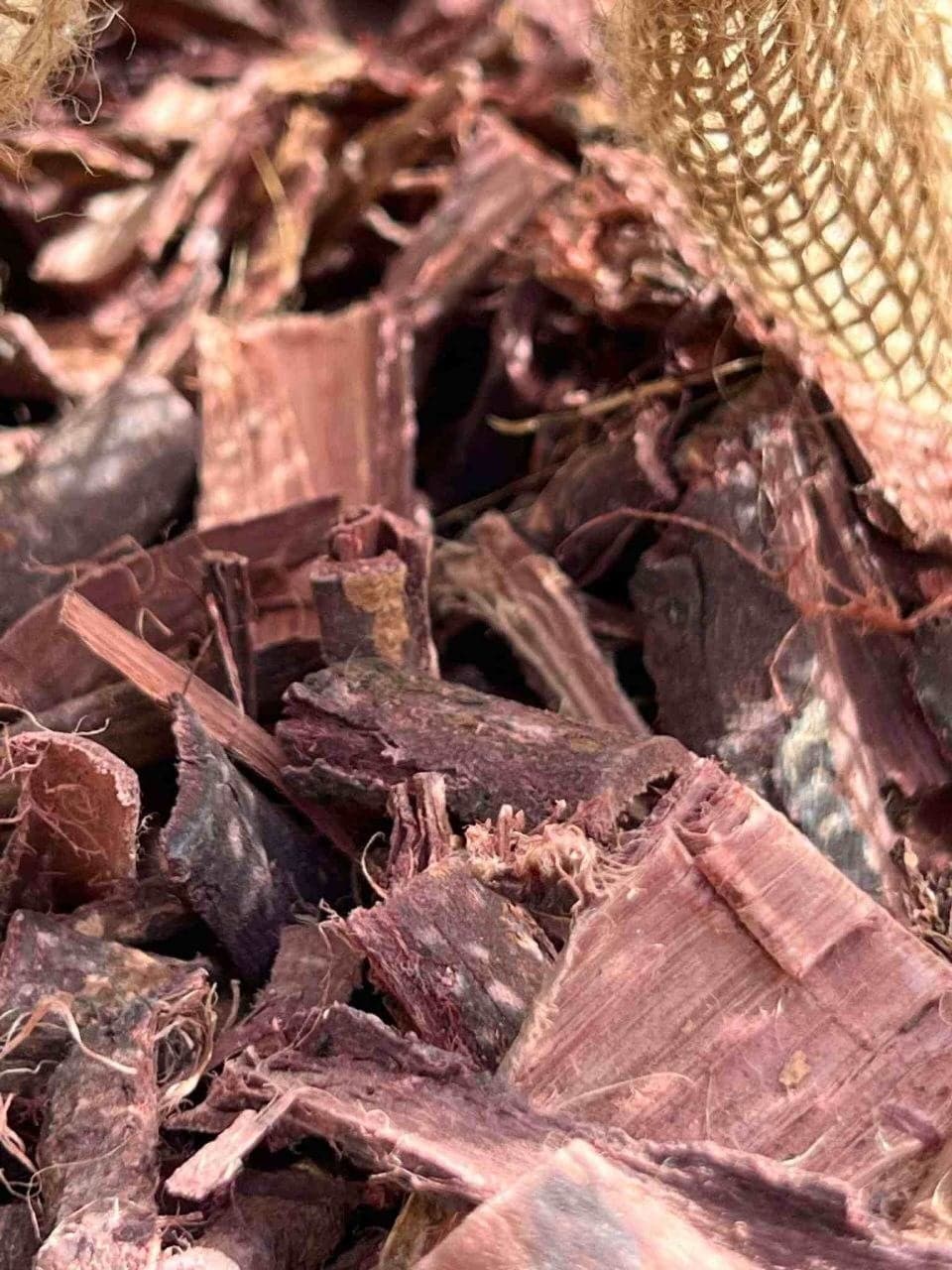
Whole Mimosa Hostilis Root Bark (Chips and Strips)
Botanical use only
$32.501/4 lb

Dried bark keeps changing after it is tested. Moisture drifts, light fades the surface, and air slowly oxidizes tannins, which darkens and dulls the color a bath gives. A report describes the bark on the day it was sampled, so the date tells you how far the bag in your hands may have moved since.
Editorial desk · Written and checked in house · Updated
A lab report is a photograph, not a film. It shows what a sample looked like on one day. Dried root bark is not inert, so every report carries an unspoken question: how long ago was that day, and what has happened to the bark since?
Yes, slowly. Drying stops most of the obvious change, but not all of it. Four things keep working on bark in storage.
Powder changes fastest, because it has the most surface exposed. Whole bark changes slowest. That is one reason the cut matters, as covered in the three cuts of mimosa root bark.
Mimosa and sassafras root barks color fiber largely through tannins and related compounds. Oxidation changes those molecules. In practice, older bark often gives a warmer, browner, less clear color than the same batch gave when fresh, and the bath may exhaust differently. It is not ruined bark; it is different bark. For how tannins behave in the pot, see what tannins do in a dye bath.
Our bags are double-sealed, smell-proof and nitrogen-flushed. Flushing replaces most of the air in the bag with nitrogen, which does not react with the bark, before it is sealed. Less oxygen in the bag means slower oxidation while the bag stays closed. The double seal keeps humid air out and the flush in. Keeping the bag somewhere dark deals with light.
The protection ends when the bag is opened. After that, the bark is in ordinary air and the clock runs at the normal rate. Reseal tightly, press out the air, keep it cool and dark, and read storing root bark so it lasts for the details.
Most figures on a botanical report describe things that can move. Moisture moves with the weather. Microbial counts can rise if bark gets damp. Color-related properties drift with oxidation. Heavy metals do not change with age, but moisture shifts how the figure reads if it was reported "as received". A report from last month and one from three years ago can carry the same numbers and mean very different things for the bag you are holding.
So when you read any report, check three dates:
| Date | What it tells you |
|---|---|
| Sample date | When the material was taken for testing |
| Report date | When the lab issued its result |
| Pack or batch date | When your bag was sealed |
The gap between the sample date and today is the span over which things could have changed. A short gap, with sealed storage in between, means the report is a fair picture. A long gap means the report is history, still useful, but not a description of today's bark.
Nothing drastic. Test it. Run a small sample skein before you commit a whole project, compare it to your notes from the same batch code, and adjust bark weight if the color has softened. If you want the paperwork, note the code and ask us for the report we hold for your batch, then read its date first.

A sample is homogenised, the compounds are dissolved out with a solvent, and the mixture is separated by chromatography — usually HPLC, which does not heat the sample and so can report acid and non-acid forms separately. Results are then compared against calibrated reference standards.

A contaminant panel for dried botanical material usually checks four heavy metals (lead, arsenic, cadmium, mercury), microbial counts such as total aerobic count and yeast and mold, pesticide residues, moisture and foreign matter. Each matters for bark you weigh, sift and handle by hand, and each figure only means something next to its method and units.
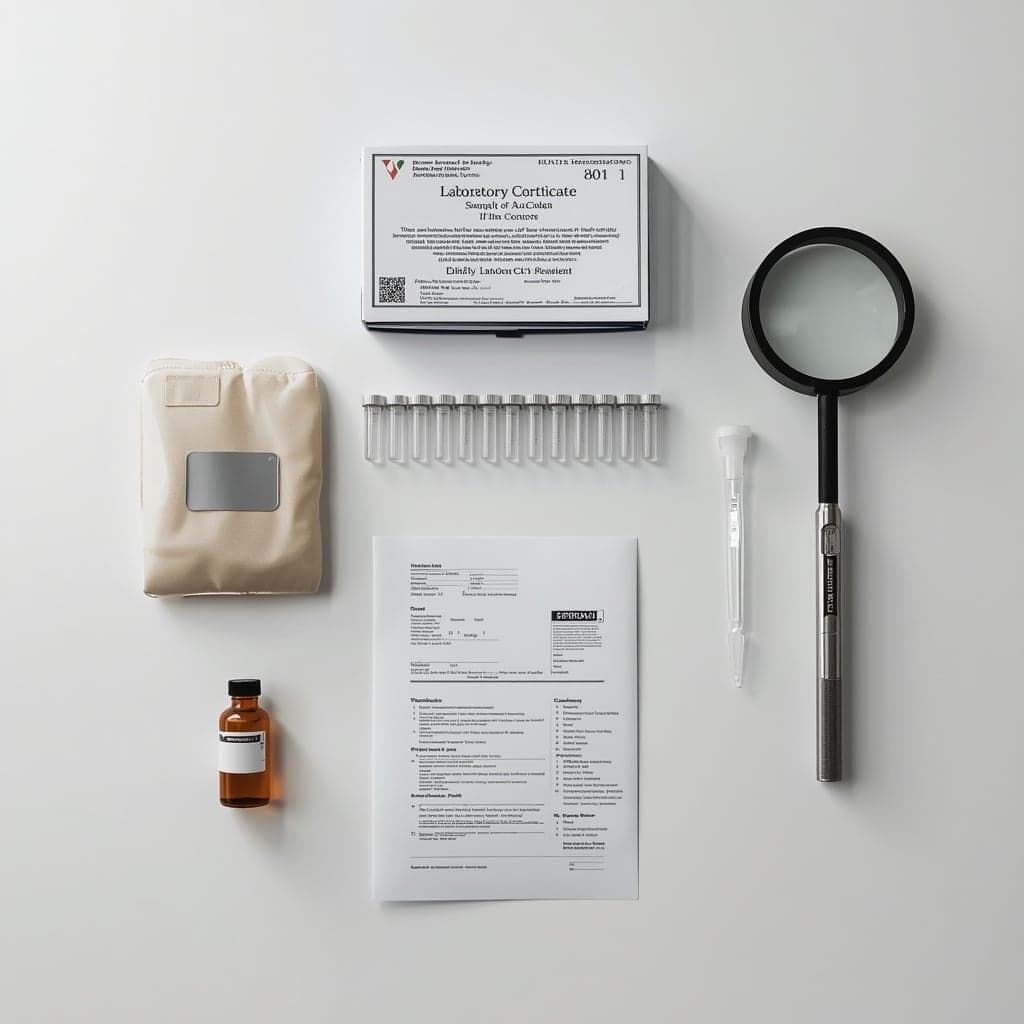
A botanical certificate of analysis uses a small working vocabulary: LOD and LOQ set what a method can see and measure, ND means nothing was found above that level, ppm and ppb express tiny amounts, and CFU/g counts living microbes. Knowing these terms lets you read any bark report in minutes.
Your cart is empty
Everything we sell is batch-tested, and we tell you what ships to your state before you add it.
Browse the shop