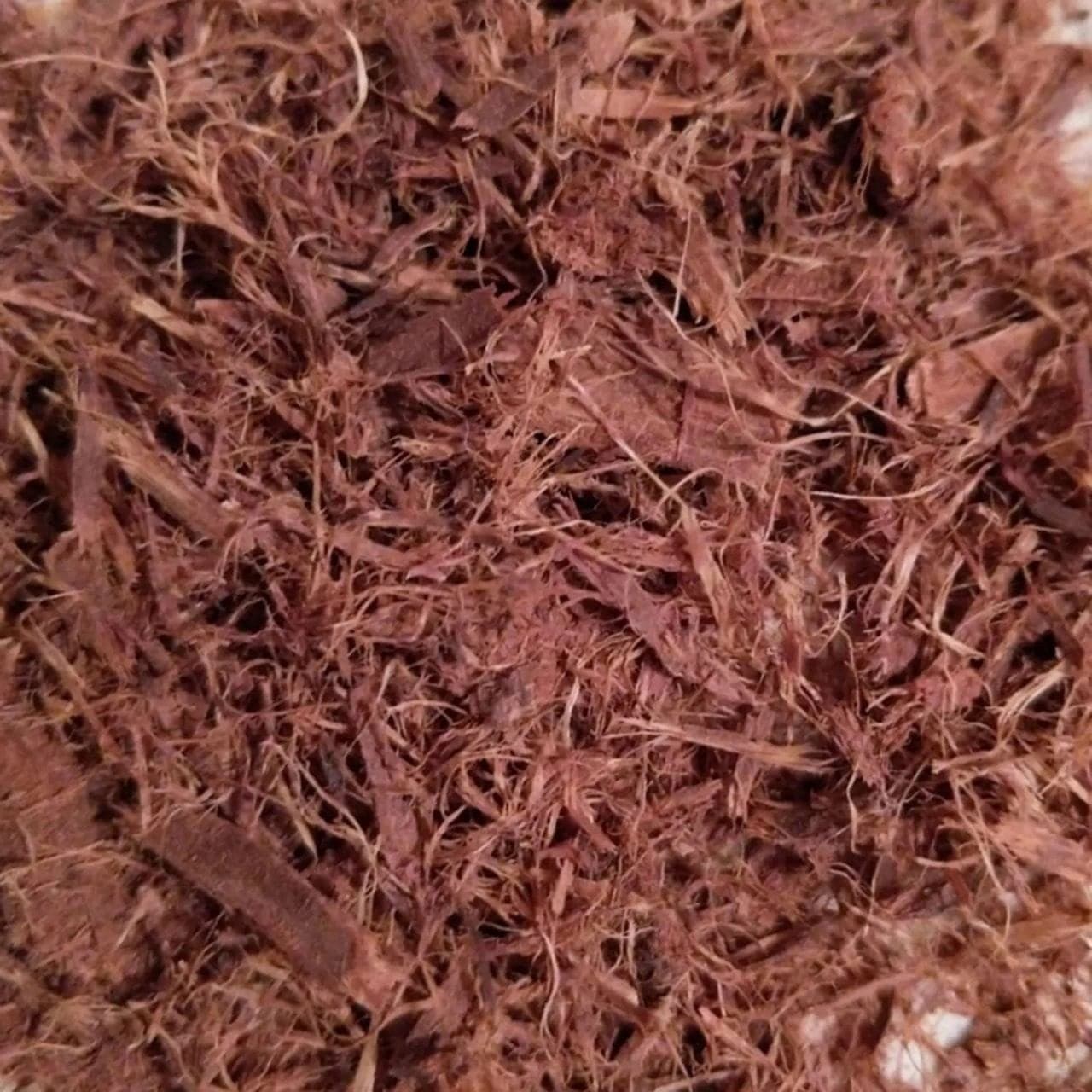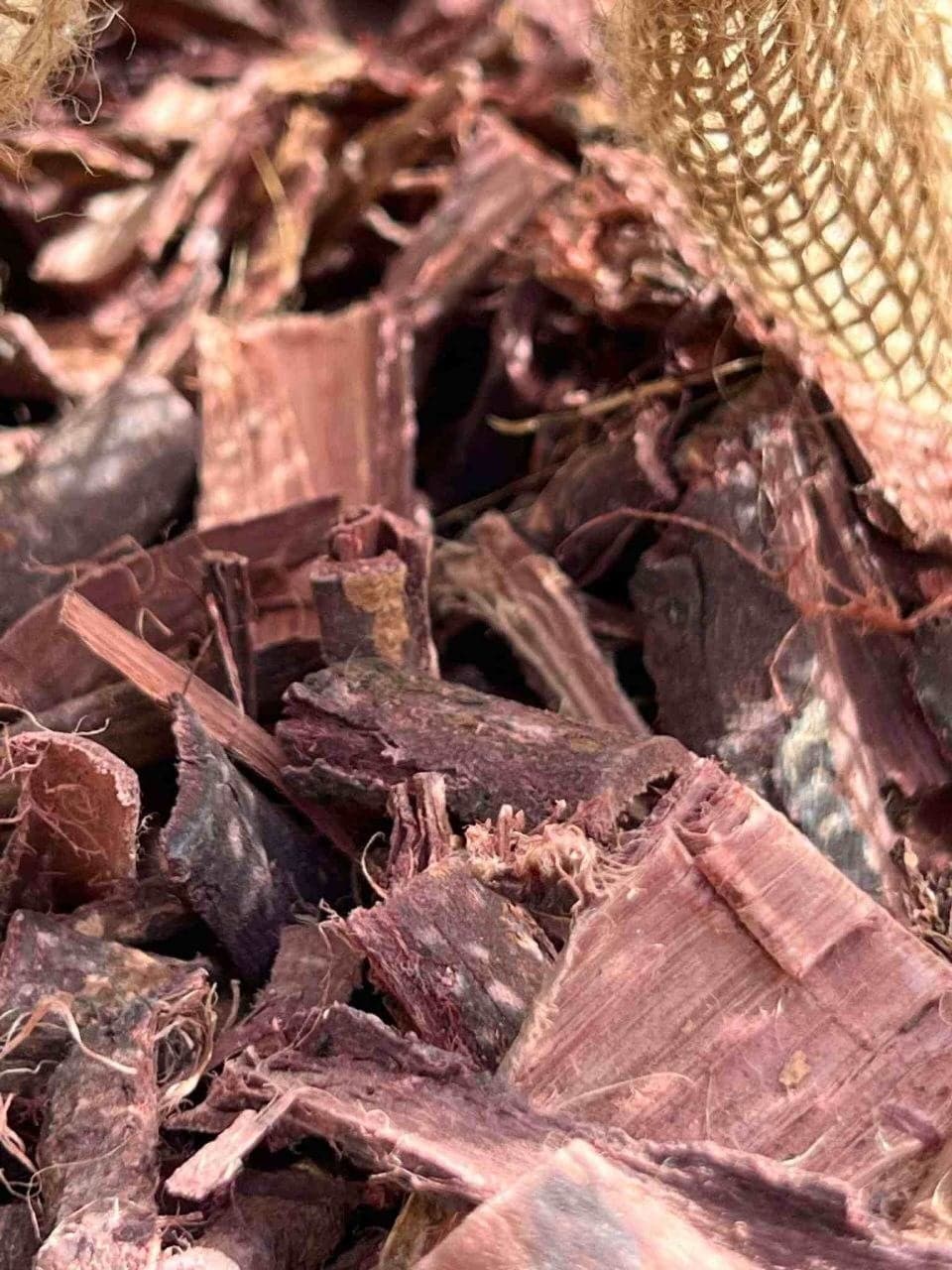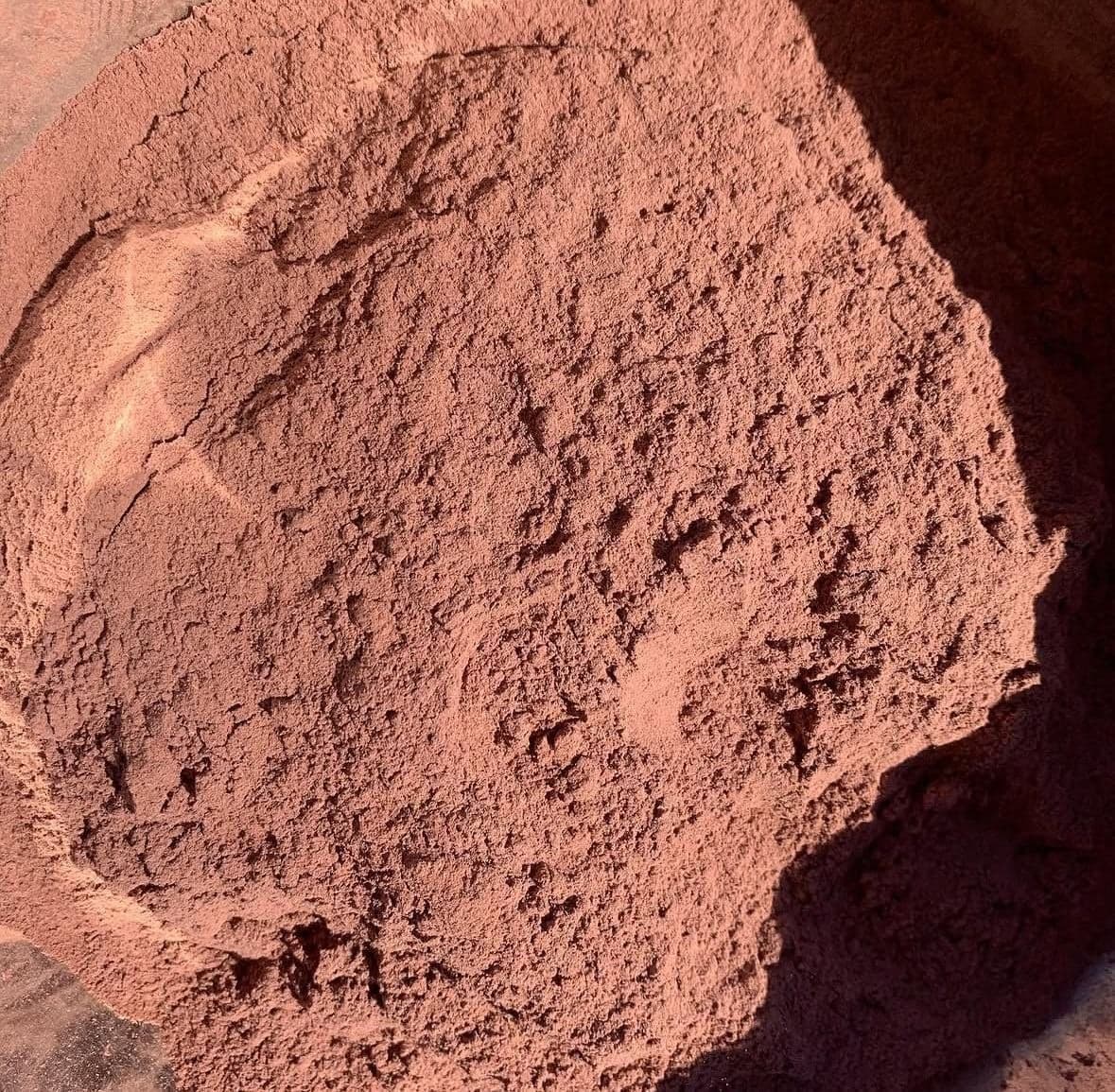
Mimosa Hostilis Root Bark Powder
Botanical use only
$37.501/4 lb
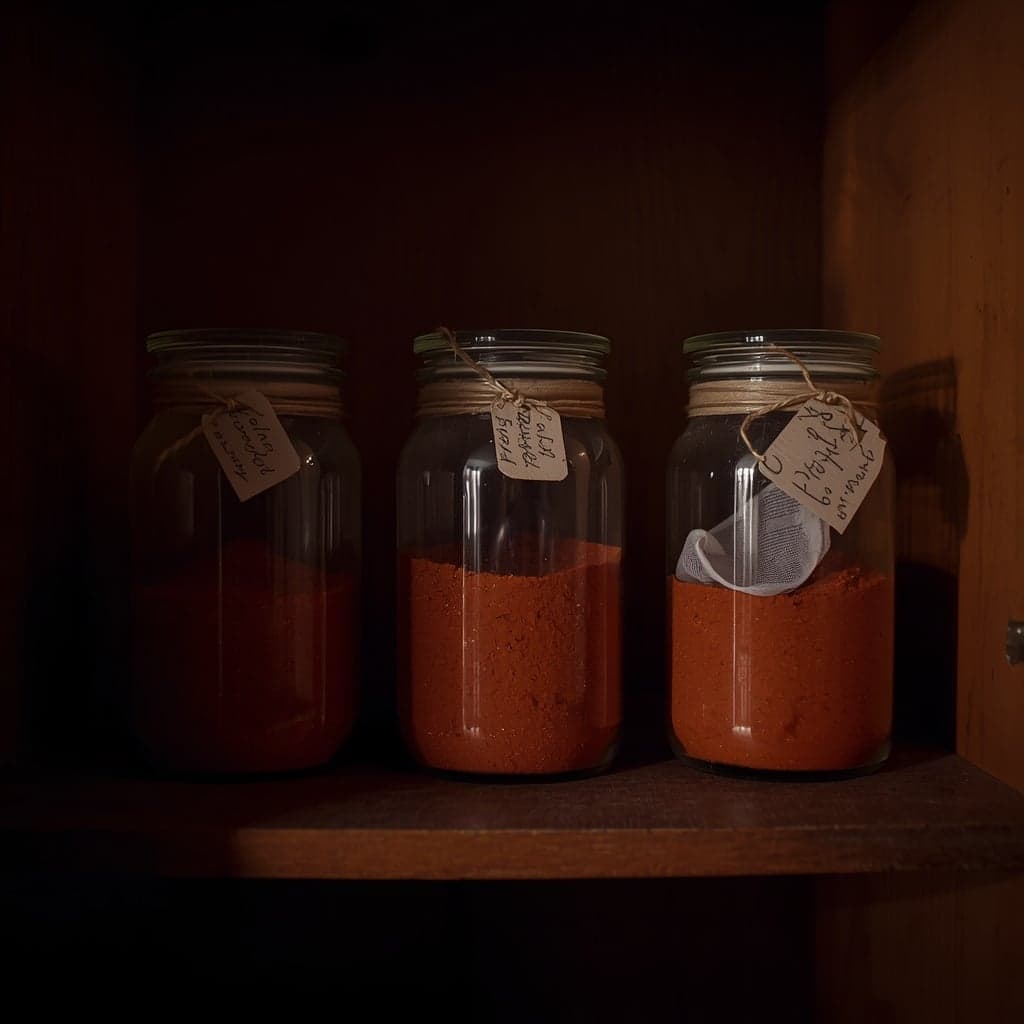
Bark does not expire on a date. It is spoiled by damp, heat and light, in that order. Sealed, dry, dark and at an even temperature, a bag holds its colour for years; in a garage that swings from freezing to forty degrees, powder cakes and a year is optimistic.
Editorial desk · Written and checked in house · Updated
The question behind most storage questions is really: has this gone off? Bark rarely goes off in the way food does. It gets damp, it cakes, and in a bad spot it grows something. Each of those is avoidable with a container and a sensible shelf.
Bark takes up moisture from the air. A bag that has absorbed it will cake, and caked powder never disperses evenly again: it clumps in the bath and gives blotchy colour no amount of stirring fixes.
Worse, damp plus warmth inside a sealed bag is how mould starts. Material that smells musty or shows any bloom belongs on the compost heap rather than in a pot, whatever it cost.
| Condition | Why | What it looks like in a house |
|---|---|---|
| Sealed | Keeps humidity out | A jar with a gasket, or the original bag inside a tub |
| Dry | Stops caking and mould | Not the cupboard beside the kettle |
| Dark | Slows fading in the bag | A cupboard, a tin, an opaque tub |
| Even temperature | Avoids cycles of condensation | Not a garage that freezes and bakes |
Stripped root keeps longest, because so little of it is cut surface. Shredded is next. Powder is the most vulnerable, for the same reason it works fastest: nearly all of it is surface, and surface is where moisture arrives.
If you are buying ahead for the year, buy the coarse cut and mill what you need as you go rather than storing a year of powder.
Good material smells faintly earthy and woody, pours loose, and shows its colour the moment it hits warm water. Doubtful material clumps, smells sour or musty, or sits on top of the water without wetting. When in doubt, run ten grams against a test skein before you commit a project to it.
Everything described here is raw botanical material sold for dyeing, soap making and craft work. It is not food, it is not a supplement, and it is not for human consumption. Nothing on this page is a recommendation to put any of it in or on a body.

We are a US business first, but we also ship Mimosa hostilis and sassafras root bark to other countries. Each international order is quoted separately, because the cost of sending bark abroad depends on its weight. Ask through the bulk enquiry form, choose Outside the United States, and check your own country's import rules for plant material before you order.
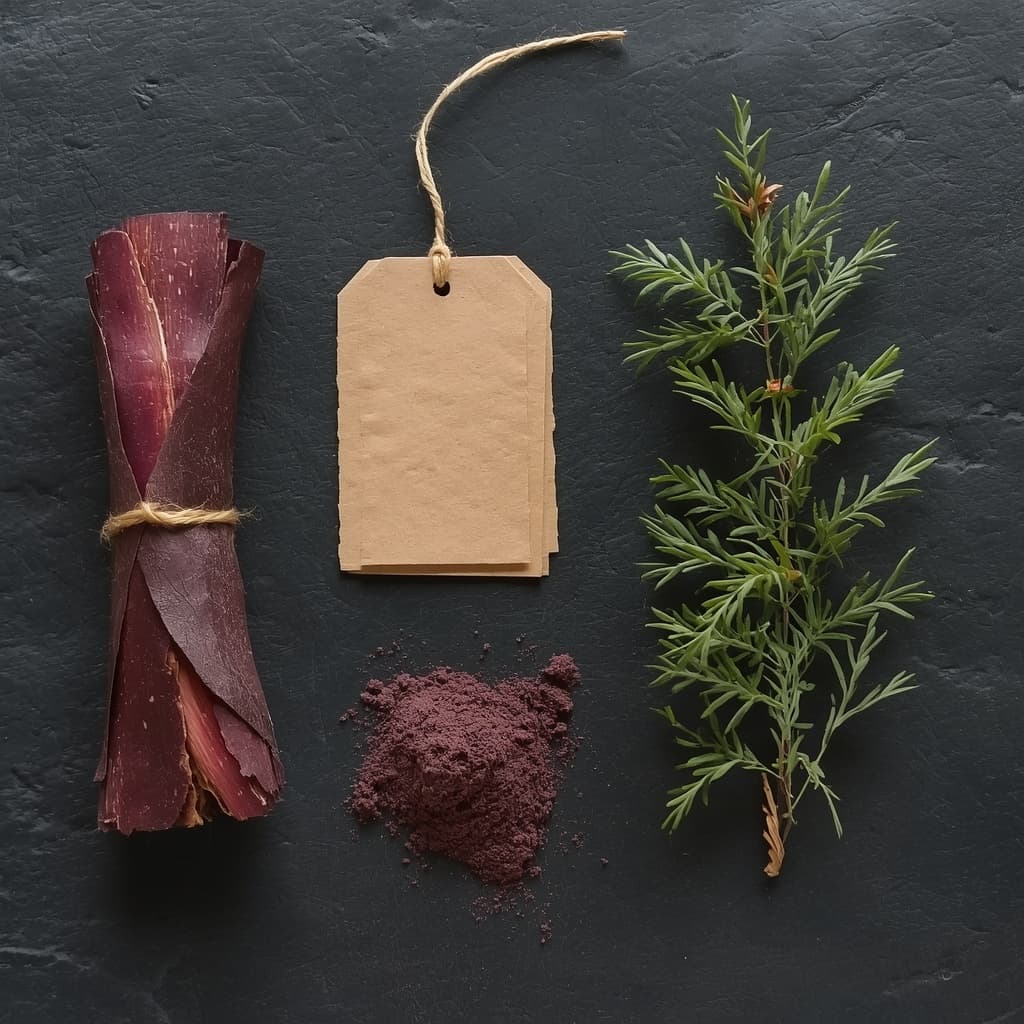
Mimosa hostilis and Mimosa tenuiflora are the same tree. Mimosa tenuiflora is the botanical name in current use and Mimosa hostilis is an older synonym that the dye trade kept. Jurema preta and tepezcohuite are its common names. It is not the leather trade's mimosa, the sensitive plant, or the pink-flowered mimosa tree of American gardens.
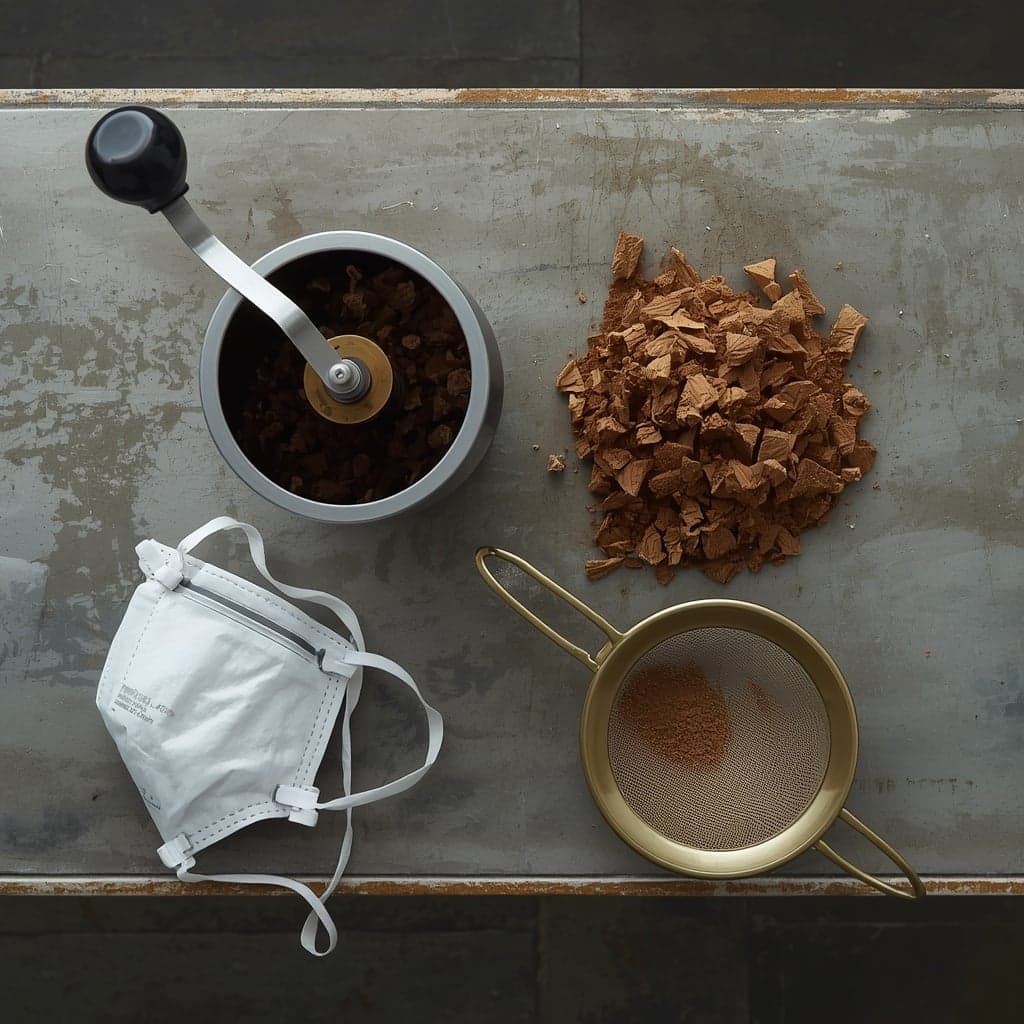
A coffee or spice grinder will take shredded bark to a usable powder in short bursts, sieved between passes. It is worth doing when you want one cut in the cupboard and both in the pot; it is not worth doing for volume, because domestic grinders overheat and the dust is considerable.
Your cart is empty
Everything we sell is batch-tested, and we tell you what ships to your state before you add it.
Browse the shop