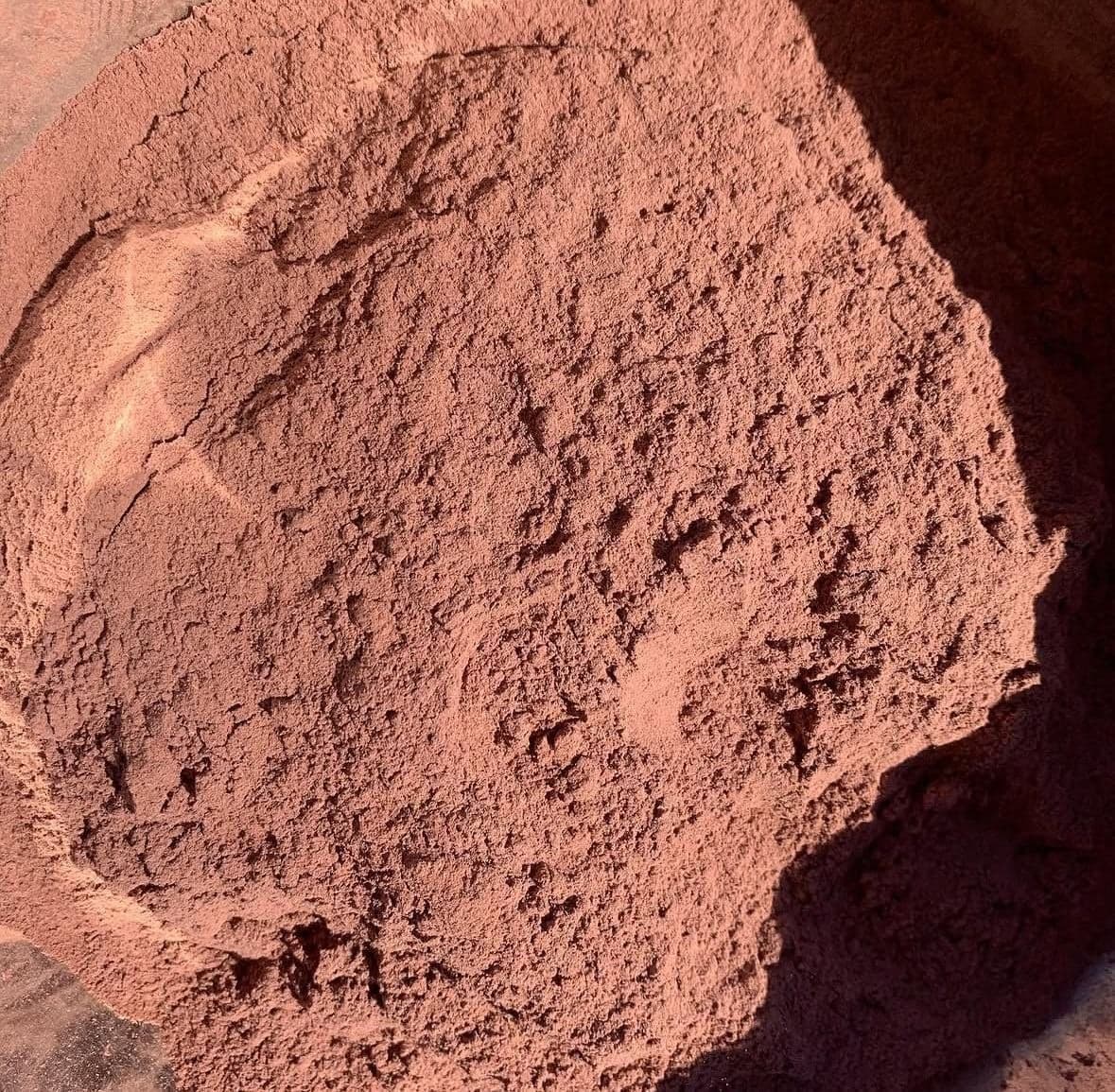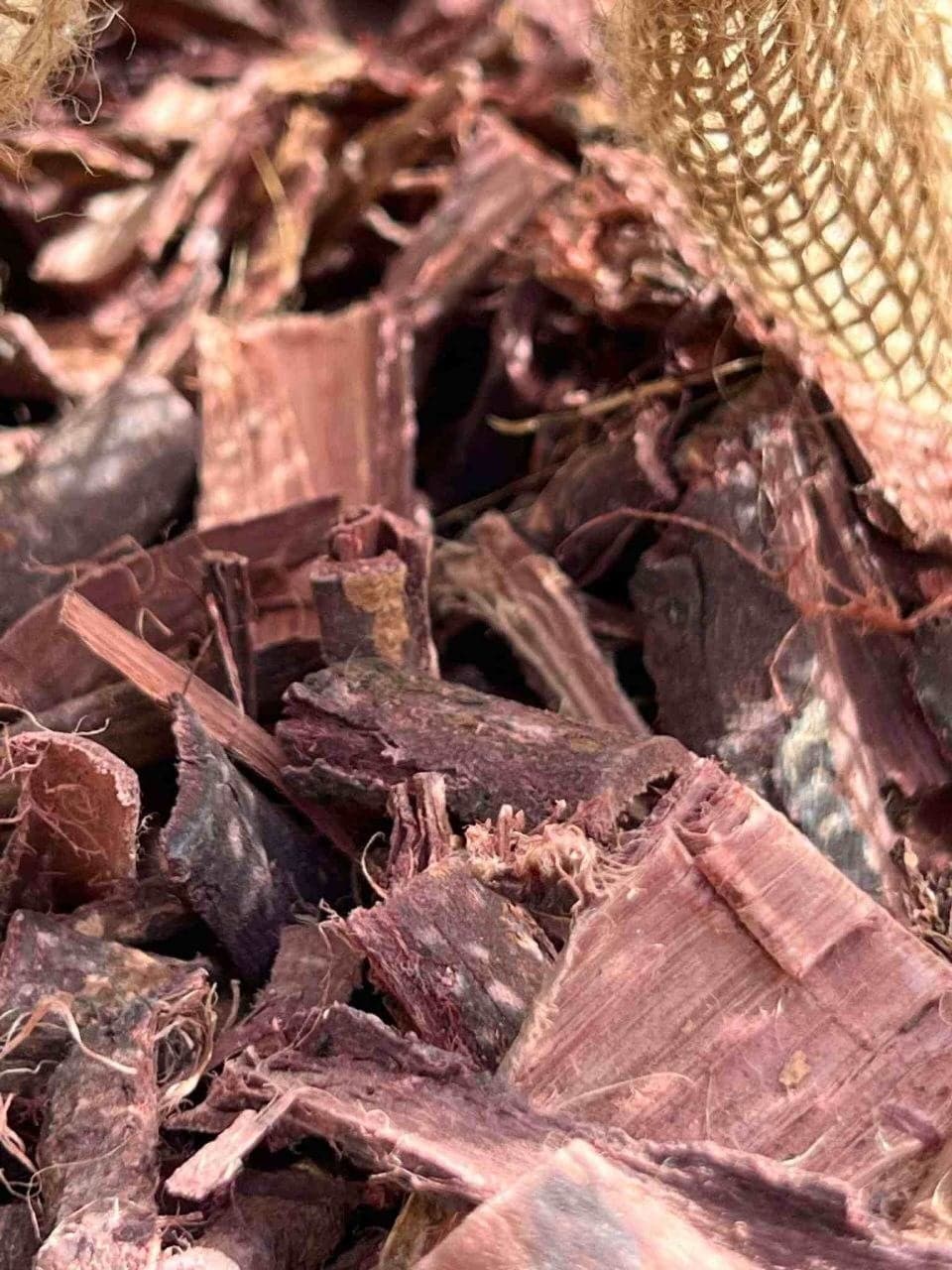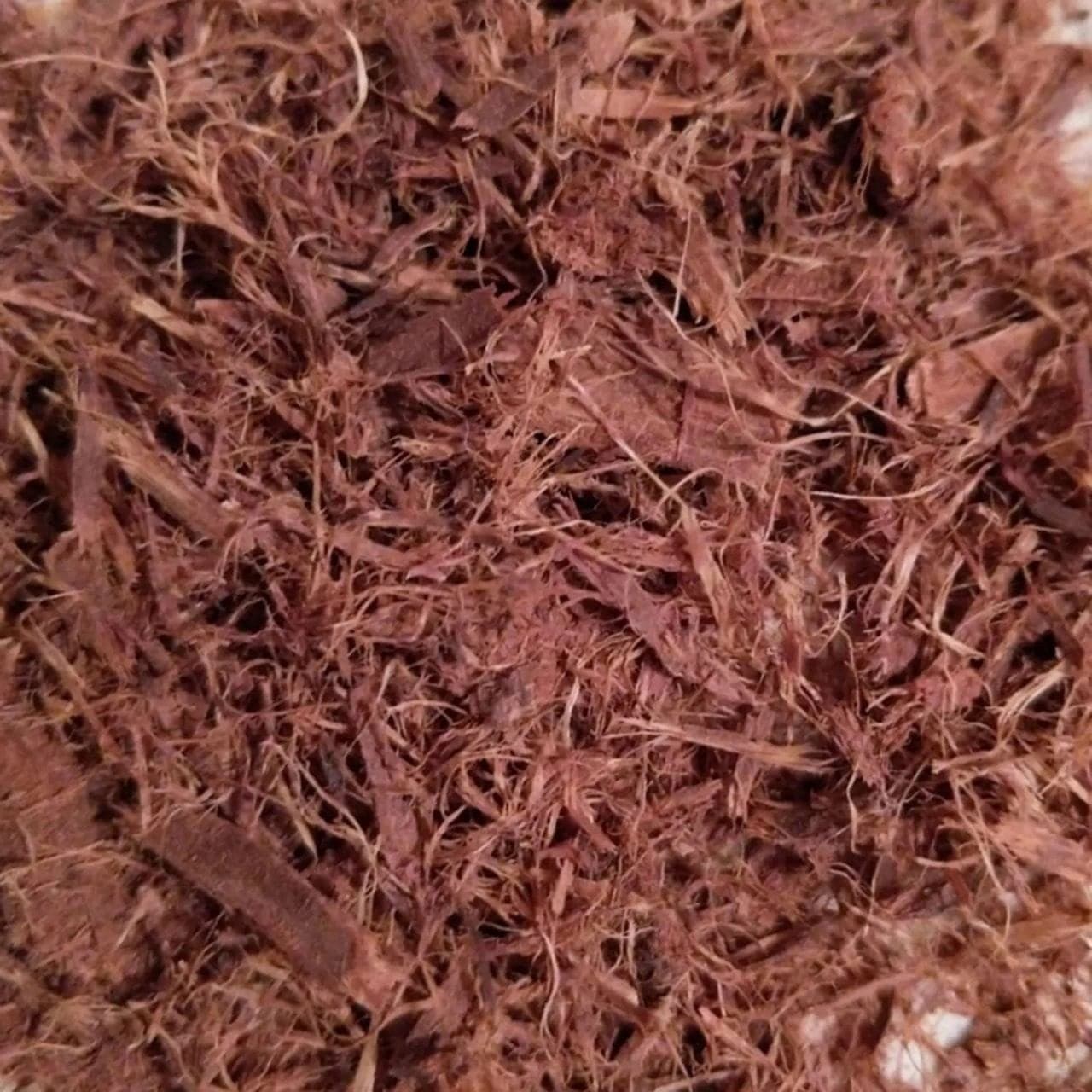
Shredded Mimosa Hostilis Root Bark
Botanical use only
$351/4 lb
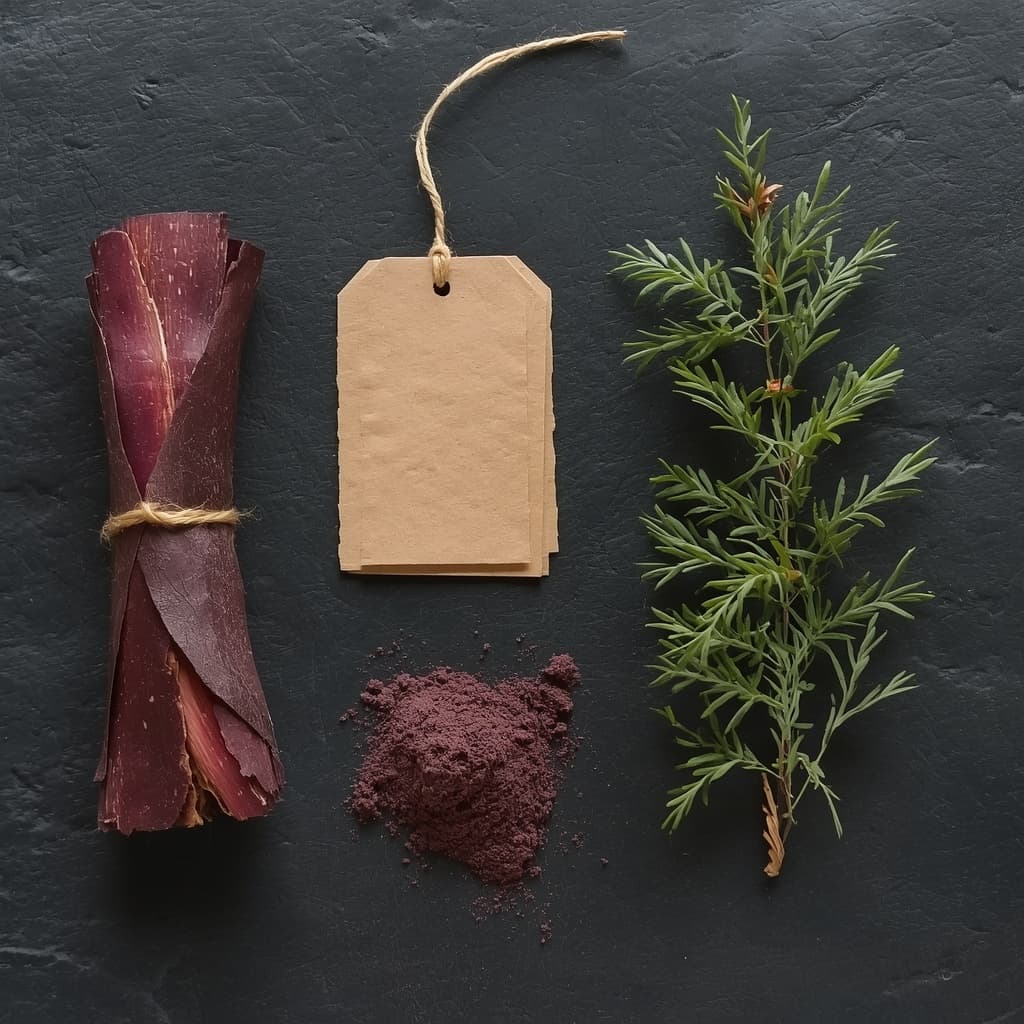
Mimosa hostilis and Mimosa tenuiflora are the same tree. Mimosa tenuiflora is the botanical name in current use and Mimosa hostilis is an older synonym that the dye trade kept. Jurema preta and tepezcohuite are its common names. It is not the leather trade's mimosa, the sensitive plant, or the pink-flowered mimosa tree of American gardens.
Editorial desk · Written and checked in house · Updated
A dyer shopping for this bark meets at least four names for it, and three other plants that share the word mimosa. Sorting them out takes five minutes and saves buying the wrong material.
Botanists described the tree more than once in the nineteenth century, and two of those names stuck. Mimosa tenuiflora is the name botanical references use today. Mimosa hostilis is a later name for the same species, now listed as a synonym. Nothing separates them in the pot: a bag labelled either way holds bark from one species, and any difference between two bags comes from the harvest, the cut and the storage, not from the name.
The dye and craft trade in the United States mostly kept the older name, which is why this shop lists the bark as Mimosa hostilis.
It is a thorny, drought-hardy tree of the pea family, usually a few yards tall, with fine fern-like leaves and white flower spikes. The part dyers use is the bark of the root. The outer surface is brown and rough; the inner bark is a deep red-purple, and that inner layer holds the tannins and the color. What tannins do in a dye bath explains why that matters on wool and silk.
| Name on the label | What it is | Use |
|---|---|---|
| Mimosa, in a leather catalog | Black wattle, Acacia mearnsii | A tanning material that gives tan and brown on hide |
| Sensitive plant | Mimosa pudica | A small houseplant whose leaves fold when touched |
| Mimosa tree, silk tree | Albizia julibrissin | A garden tree with pink flowers, common in the American South |
None of these gives the rose, plum and purple range this bark is bought for. The leather trade's mimosa is the one most often confused with it, because both are sold to craftspeople as a tannin-rich powder. Mimosa hostilis compared with cutch, oak gall and quebracho sets the tannin dyes side by side.
Reading a root bark label line by line goes through each of those in turn, and the three cuts of Mimosa root bark covers which cut suits which job.

We are a US business first, but we also ship Mimosa hostilis and sassafras root bark to other countries. Each international order is quoted separately, because the cost of sending bark abroad depends on its weight. Ask through the bulk enquiry form, choose Outside the United States, and check your own country's import rules for plant material before you order.
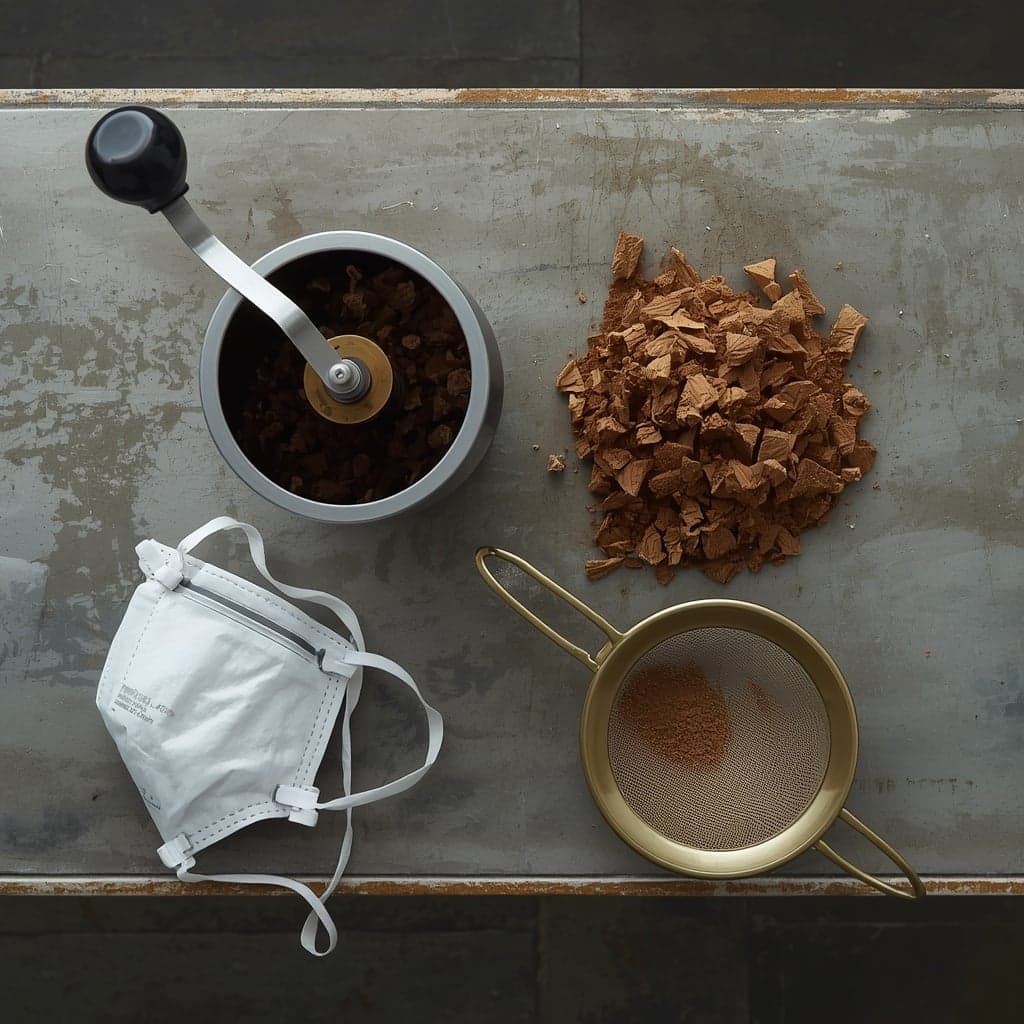
A coffee or spice grinder will take shredded bark to a usable powder in short bursts, sieved between passes. It is worth doing when you want one cut in the cupboard and both in the pot; it is not worth doing for volume, because domestic grinders overheat and the dust is considerable.
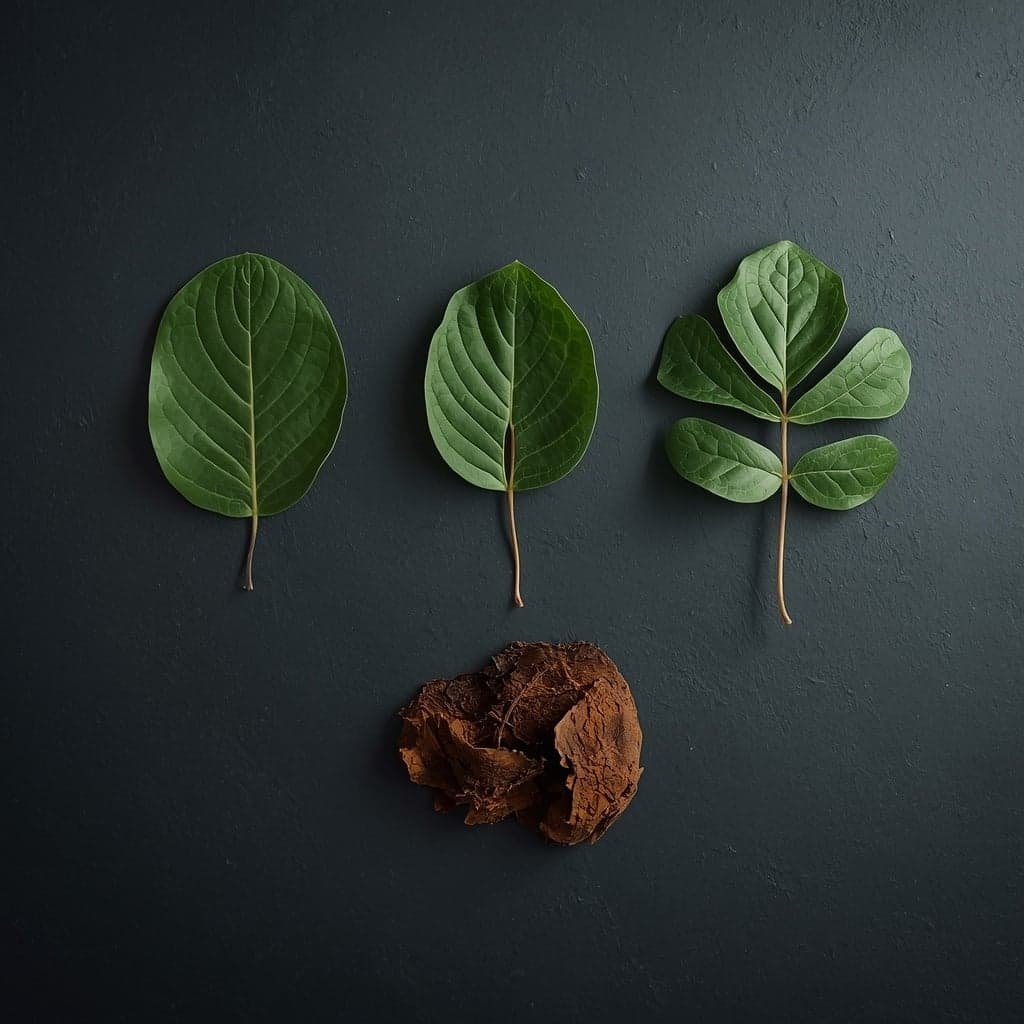
Sassafras albidum is a small deciduous tree of eastern North America, recognised by three leaf shapes on the same branch: unlobed oval, two-lobed mitten and three-lobed. Its aromatic root bark is used by dyers for rose-tan and orange-brown shades, and greys with an iron modifier.
Your cart is empty
Everything we sell is batch-tested, and we tell you what ships to your state before you add it.
Browse the shop