Mimosa Hostilis Root Bark Powder
Botanical use only
$37.501/4 lb
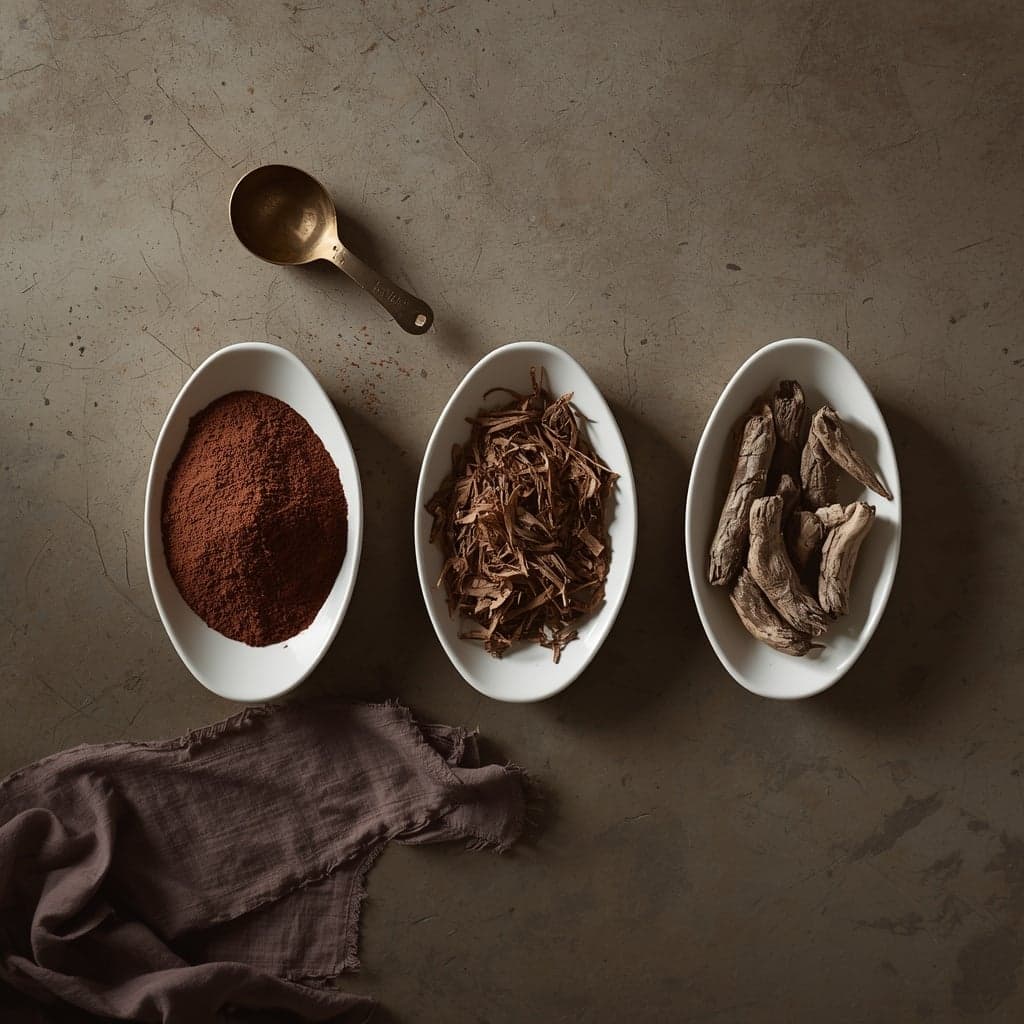
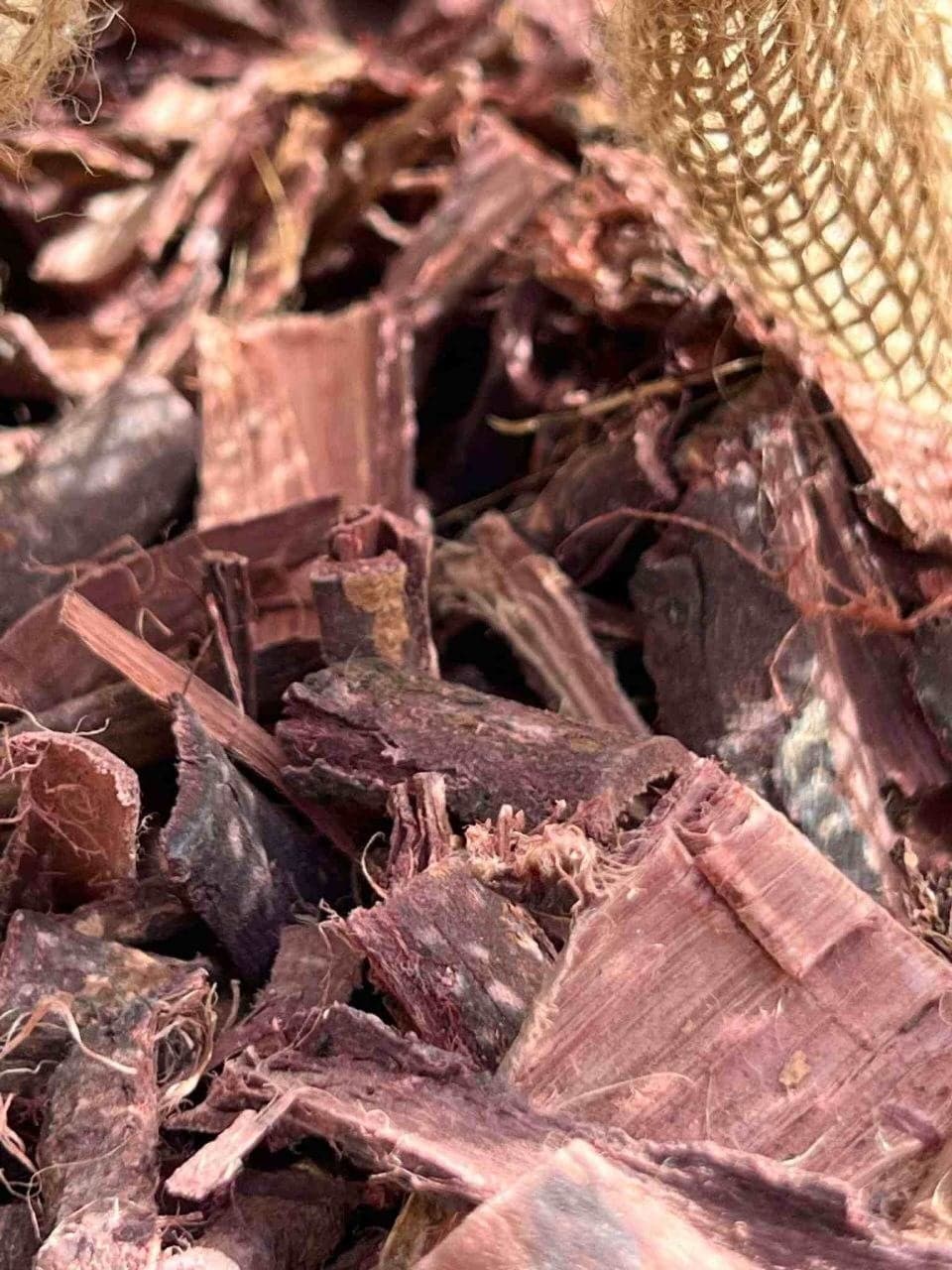
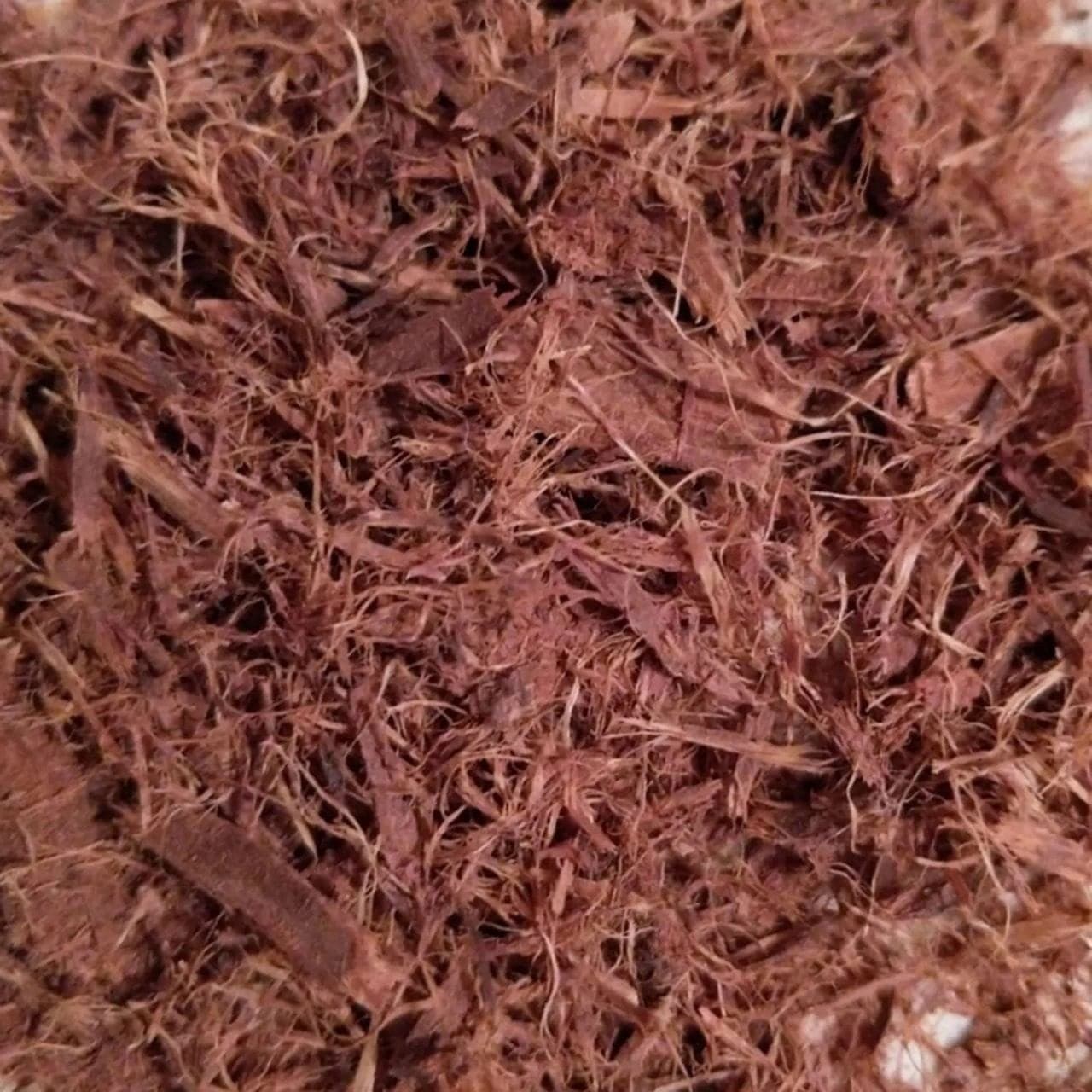
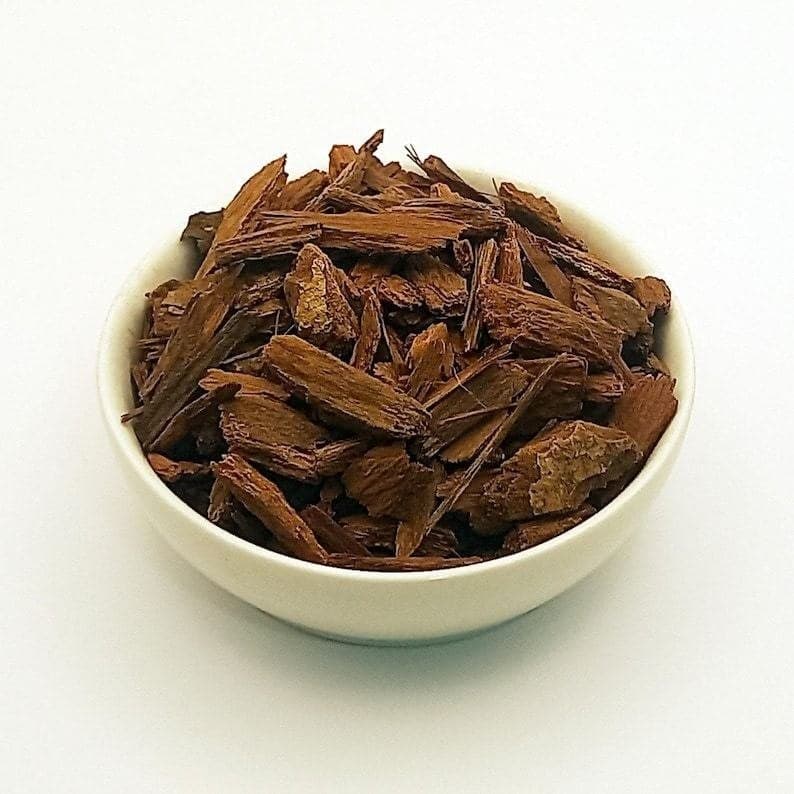
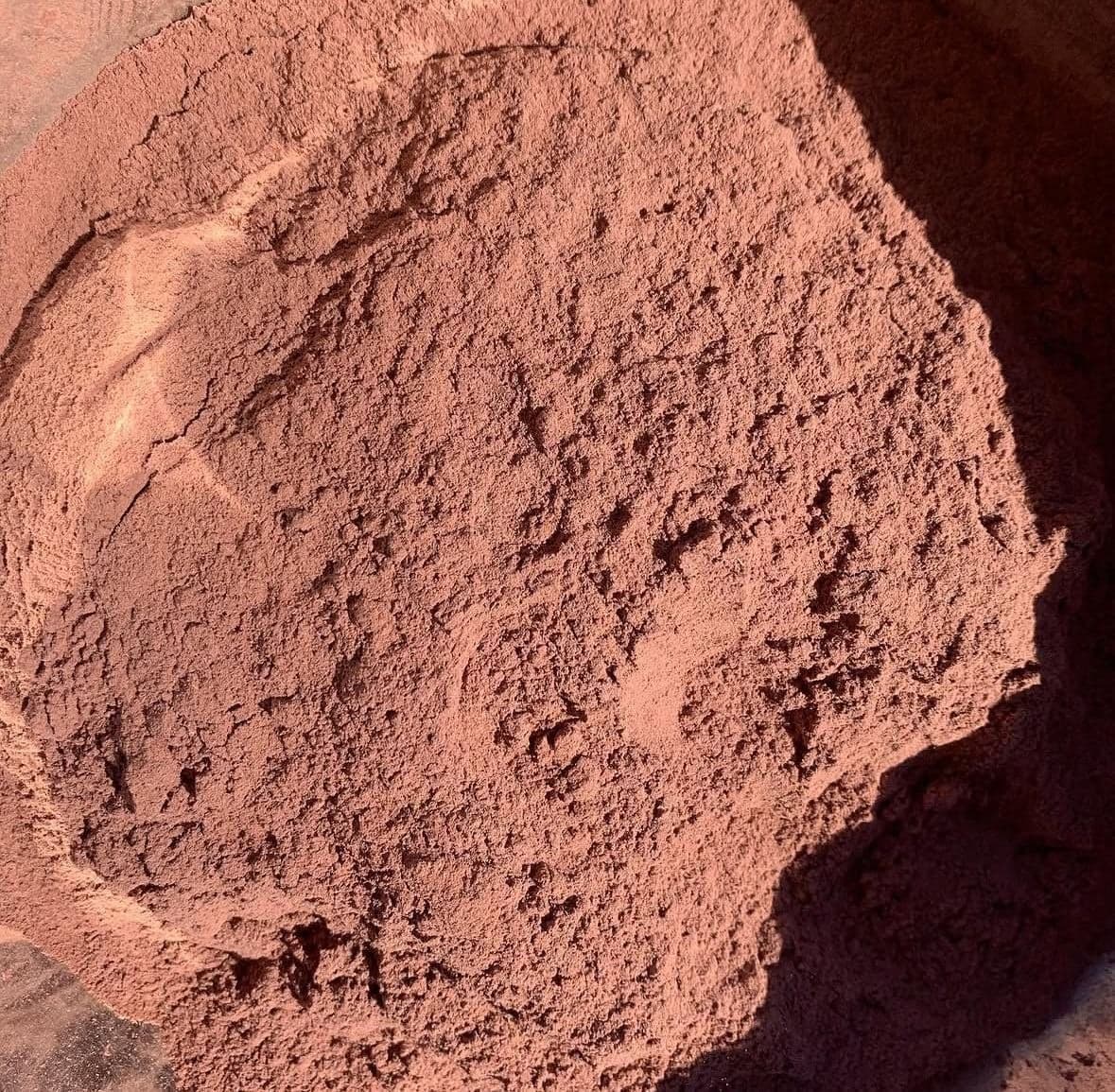
Powder, shredded bark and stripped root are one material cut three ways. Powder gives colour fastest and filters worst. Shredded sits in the middle and is what most regular dyers settle on. Stripped root keeps longest and asks for the most preparation before it is useful.
Editorial desk · Written and checked in house · Updated
A first order is usually placed before anyone knows how they will actually work, which is why the same question arrives every week: which cut should I buy? The honest answer is that it depends on one thing you can decide in advance, which is whether you care more about speed or about getting more than one bath out of a bag.
All three cuts contain the same colour. What separates them is how much of the material meets the water at once. A chip of bark has an outside and an inside; milling it to powder turns almost all of it into outside. Everything a dyer notices about the three forms follows from that single fact, which is why it is worth understanding once rather than memorising a list of tips.
Powder is for people in a hurry and for people running tests. Soaked overnight and brought up to temperature, it has usually given what it has within the hour.
The cost is at the other end of the process. Fine particles stay in suspension rather than settling, they lodge between the plies of a skein, and they leave dark specks that look like a fault in the dyeing rather than a bit of material that could be rinsed out. They also give up nearly everything on the first pass, so a second bath is rarely worth the water you heat for it.
Where powder earns its place: small test skeins, cold-process soap, and any job small enough that straining is a two-minute problem rather than an afternoon.
Shredded is the working cut. Colour comes out more slowly, which pushes you towards the long warm bath that produces the better purples anyway, and the material lifts out of the pot in one movement with a slotted spoon or a mesh bag.
It also holds something in reserve. A pound that has given a full-strength first bath will usually give a second at roughly half to two-thirds the depth, and sometimes a third after that. Measured per usable bath rather than per pound, it is the cheapest of the three.
Whole stripped root is the least processed thing on the shelf, and it behaves accordingly. Less cut surface is exposed to air and damp, so it keeps longer than either of the other two: this is the cut to buy if you are stocking for a year rather than a season.
In exchange it asks for work. You will be breaking or cutting it down before it is useful, an overnight cold soak stops being optional, and a first bath wants more time than you expect. Most people who buy it either mill their own to a grind they prefer, or are holding material against a gap in supply.
| If your priority is | Buy | Because |
|---|---|---|
| Speed, and small quantities | Powder | Ready within an hour of reaching temperature |
| Several tones from one bag | Shredded | A reliable second bath, often a third |
| Storing for next year | Stripped root | Least cut surface, so the slowest to change |
| Even colour in soap | Powder | Fine enough to disperse without specks |
| Least straining | Stripped root | Lifts out whole |
The colour range is the same. So is the ratio: between fifty and a hundred grams of material for every hundred grams of dry fibre gives a full shade on wool whichever cut you use. And so is the temperature rule, because a boiled bath turns brown no matter how the material was cut.
There is no rule against using two cuts on one project, and a quarter pound of powder alongside a pound of shredded is the combination we see most often on repeat orders. The powder pays for itself on the first afternoon of testing; the shredded is what does the actual work once you know what you are aiming at.
Everything described here is raw botanical material sold for dyeing, soap making and craft work. It is not food, it is not a supplement, and it is not for human consumption. Nothing on this page is a recommendation to put any of it in or on a body.

We are a US business first, but we also ship Mimosa hostilis and sassafras root bark to other countries. Each international order is quoted separately, because the cost of sending bark abroad depends on its weight. Ask through the bulk enquiry form, choose Outside the United States, and check your own country's import rules for plant material before you order.
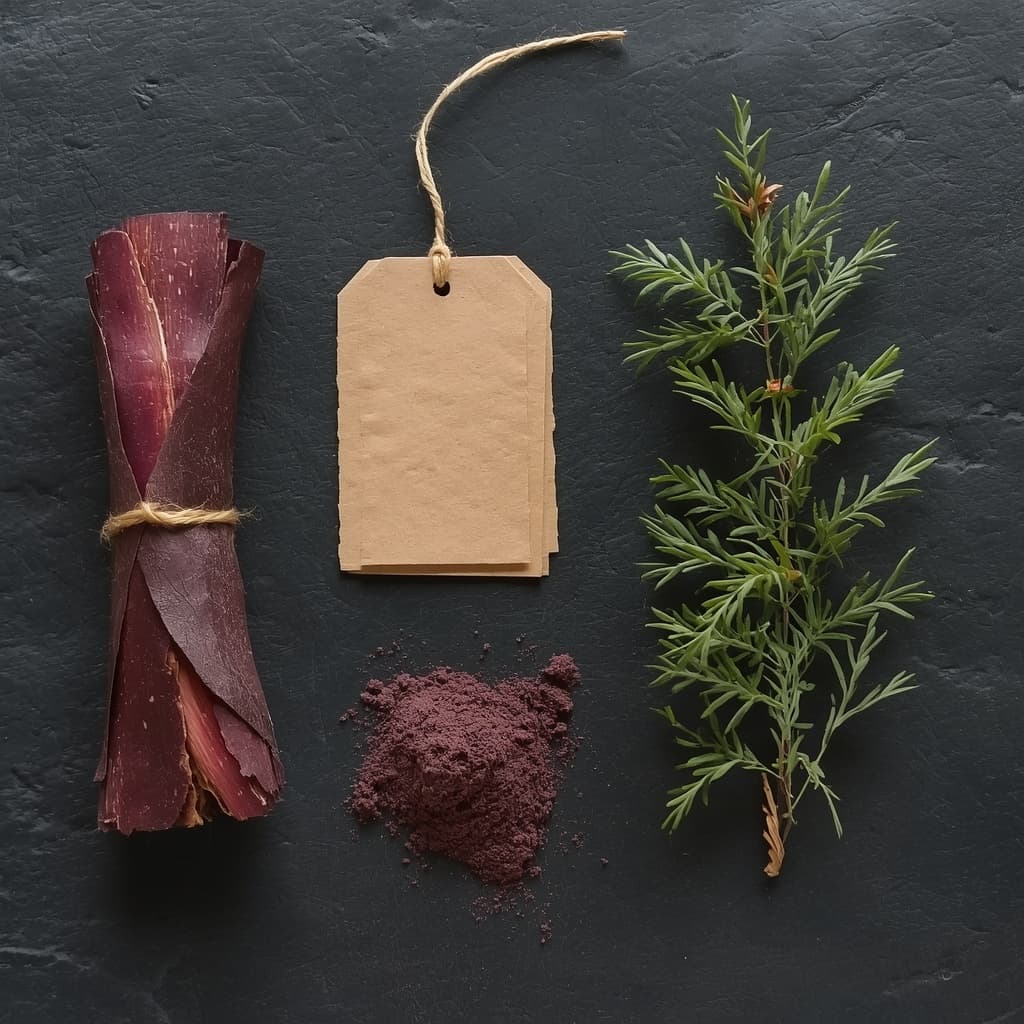
Mimosa hostilis and Mimosa tenuiflora are the same tree. Mimosa tenuiflora is the botanical name in current use and Mimosa hostilis is an older synonym that the dye trade kept. Jurema preta and tepezcohuite are its common names. It is not the leather trade's mimosa, the sensitive plant, or the pink-flowered mimosa tree of American gardens.
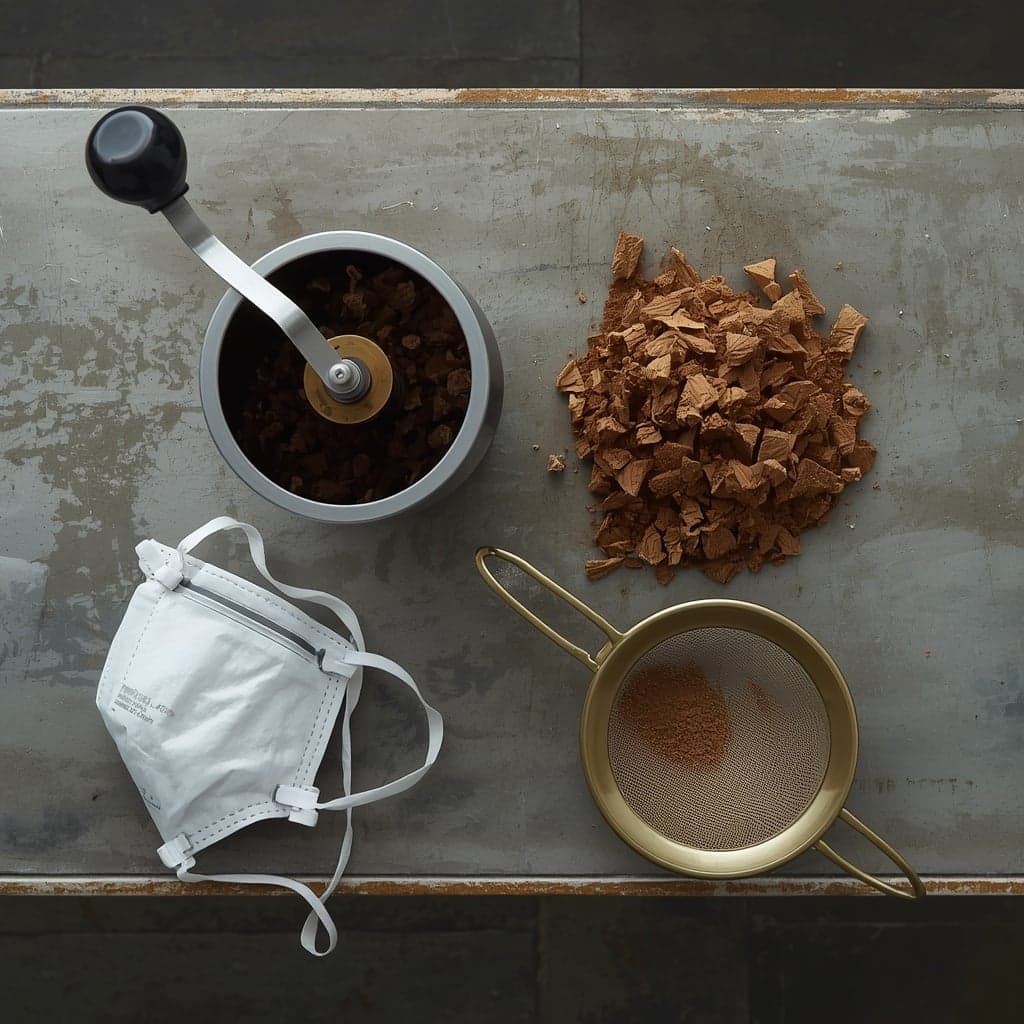
A coffee or spice grinder will take shredded bark to a usable powder in short bursts, sieved between passes. It is worth doing when you want one cut in the cupboard and both in the pot; it is not worth doing for volume, because domestic grinders overheat and the dust is considerable.
Your cart is empty
Everything we sell is batch-tested, and we tell you what ships to your state before you add it.
Browse the shop