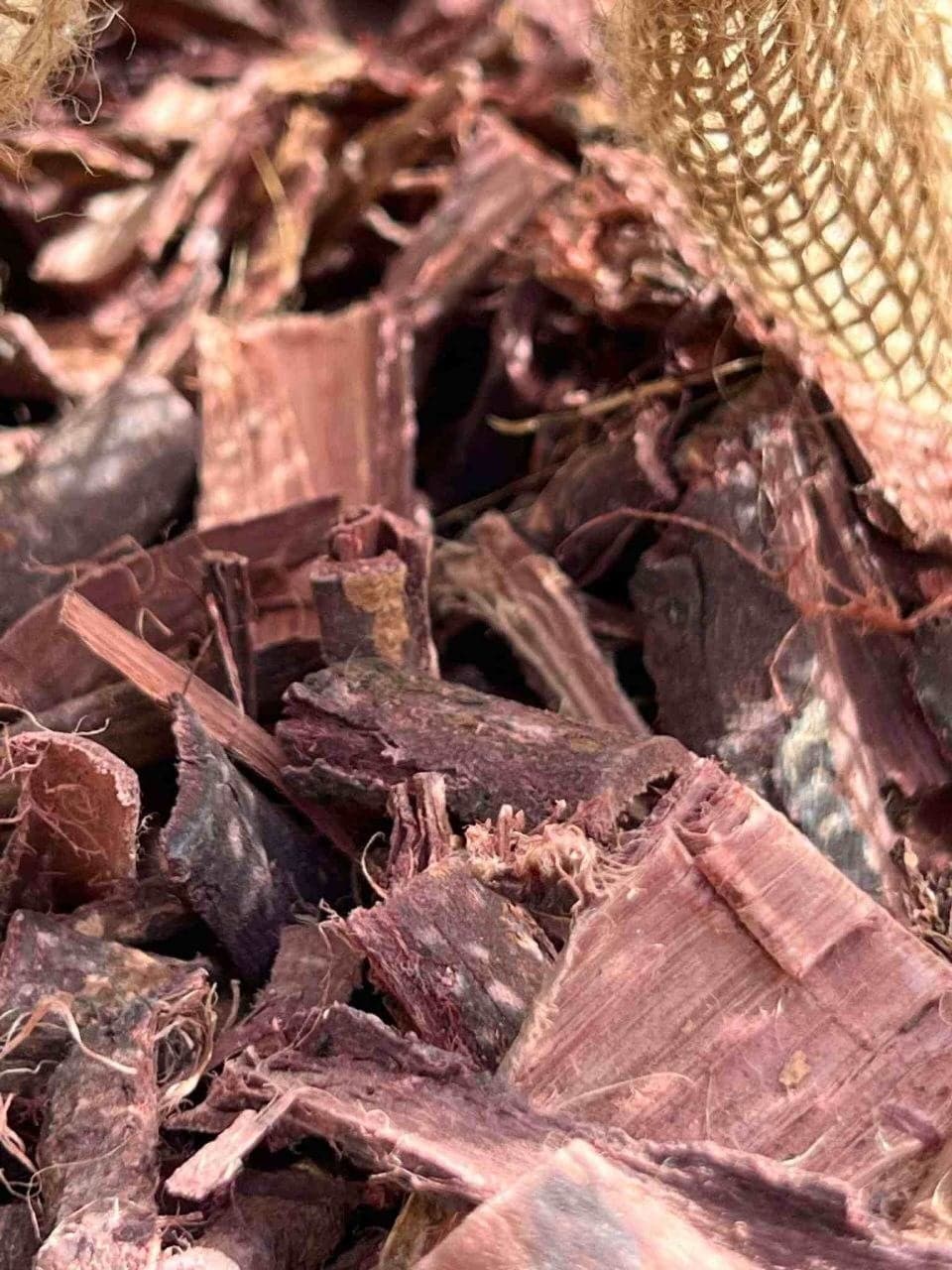
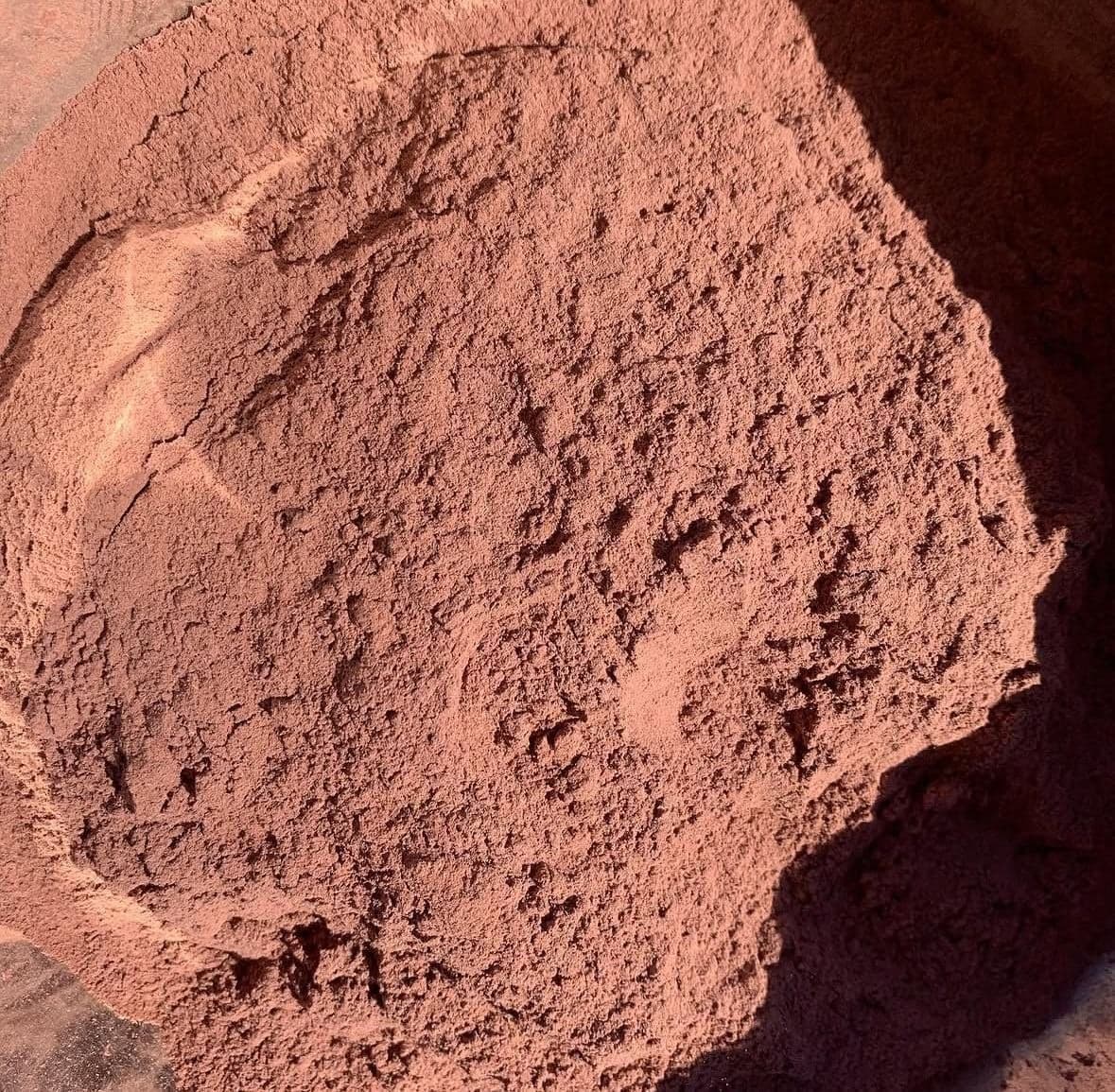
Mimosa Hostilis Root Bark Powder
Botanical use only
$37.501/4 lb
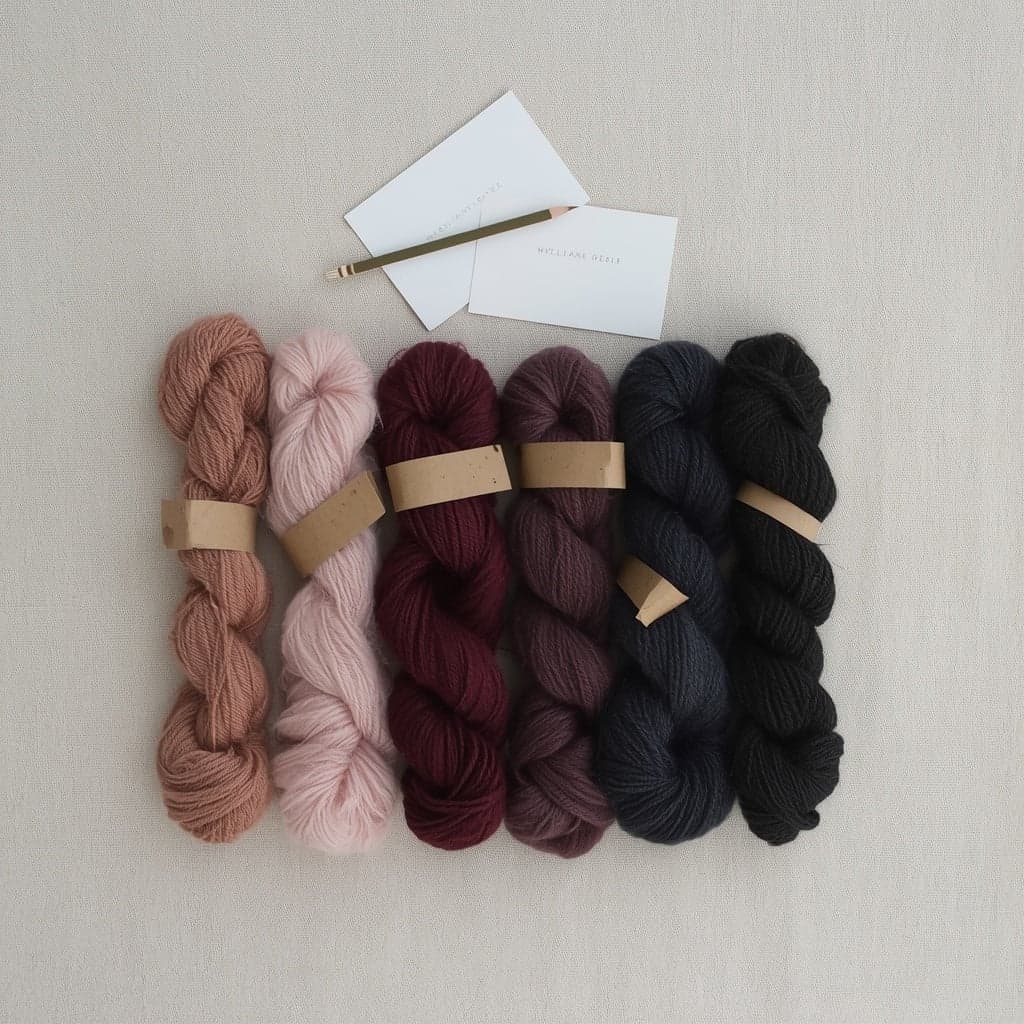
Ten grams of yarn answers in an afternoon what a whole fleece answers in a ruined week. Dye a set of small skeins from one bath, change one thing at a time, dry every sample before judging it, and write the batch code on the card. That card beats any published chart.
Editorial desk · Written and checked in house · Updated
Nobody plans to waste a fleece. It happens because a colour that looked right in a warm wet skein dried two shades lighter and slightly browner, and by then there was no undyed fibre left to try again with.
A test card costs about an hour and roughly thirty grams of material.
This is the one job where powder is plainly the right choice. You want the bath ready quickly, you are working in quantities where straining is trivial, and you have no interest in a second bath from the same material.
Very small samples lie. A gram of fibre in a jar has a different ratio of water to material than a pot does, and it wets out differently. Ten grams is enough to behave like the real thing and small enough that a set of six costs almost nothing.
Mordant the whole set together, in one pot, so that the mordant is not one of the variables you are trying to read.
The discipline is the whole method. A useful set looks like this:
Six samples, one bath, one afternoon. Anything you change in pairs tells you nothing about which of the two did the work.
Wet fibre reads darker and more saturated than it will ever look again. Dry every sample fully before you decide anything, and look at them by a window rather than under a kitchen bulb, which pushes everything warm.
Pin the samples to stiff card and write, for each one: the fibre, the mordant and its percentage, the material and its percentage, what you changed, how long it sat, and the batch code from the bag.
That last item is the one everybody leaves off and the one that matters six months later. Bark is an agricultural product; two harvests are not identical, and when you want to reproduce a colour, knowing which batch produced it is half the answer.
A published chart tells you what somebody else's water, wool and thermometer did. Your card tells you what yours do. After two or three of them you stop guessing at quantities altogether, which is the point at which this craft becomes repeatable rather than lucky.
Everything described here is raw botanical material sold for dyeing, soap making and craft work. It is not food, it is not a supplement, and it is not for human consumption. Nothing on this page is a recommendation to put any of it in or on a body.
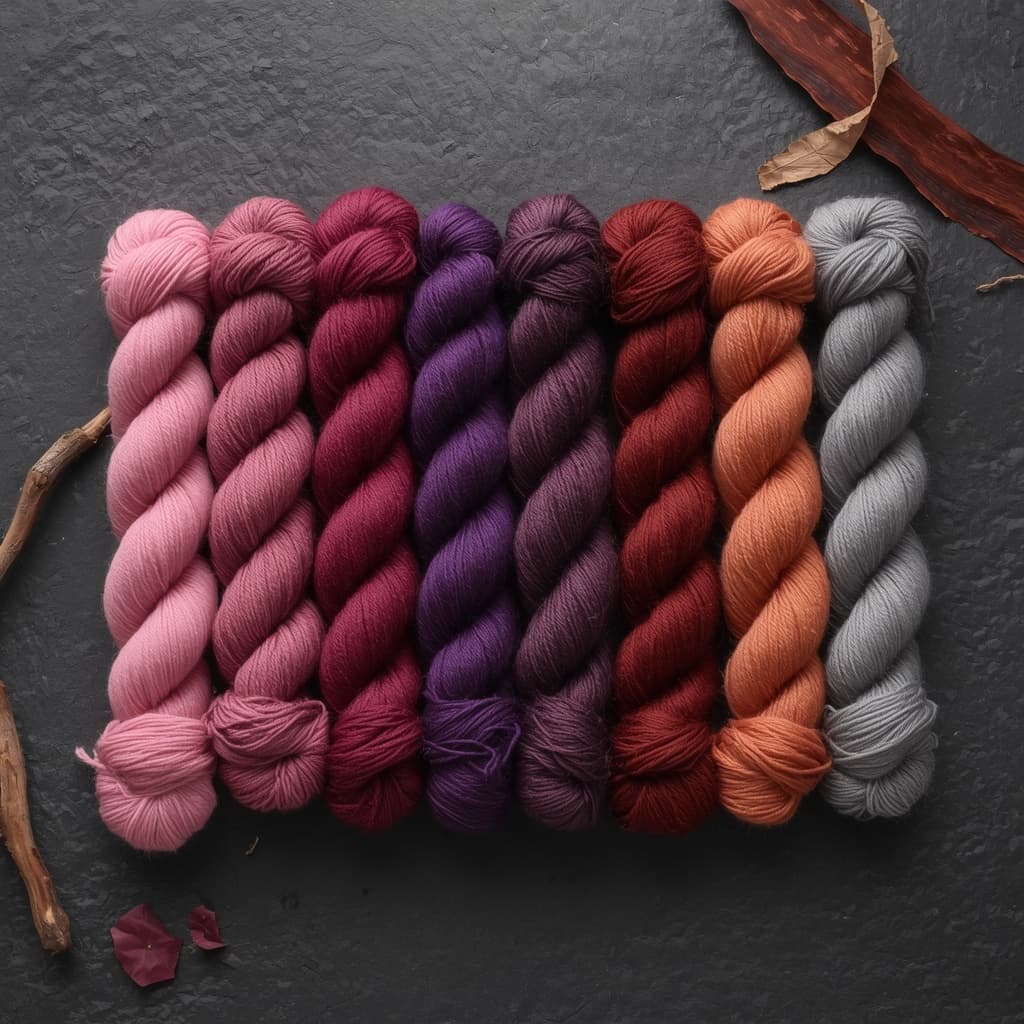
Overdyeing is dyeing one color on top of another. Mimosa hostilis gives rose to plum, so over indigo blue it makes violet and deep purple, over a yellow dye it makes peach, coral and rust, and with iron it turns grey and slate. Dye small samples first, and change only one thing between them.
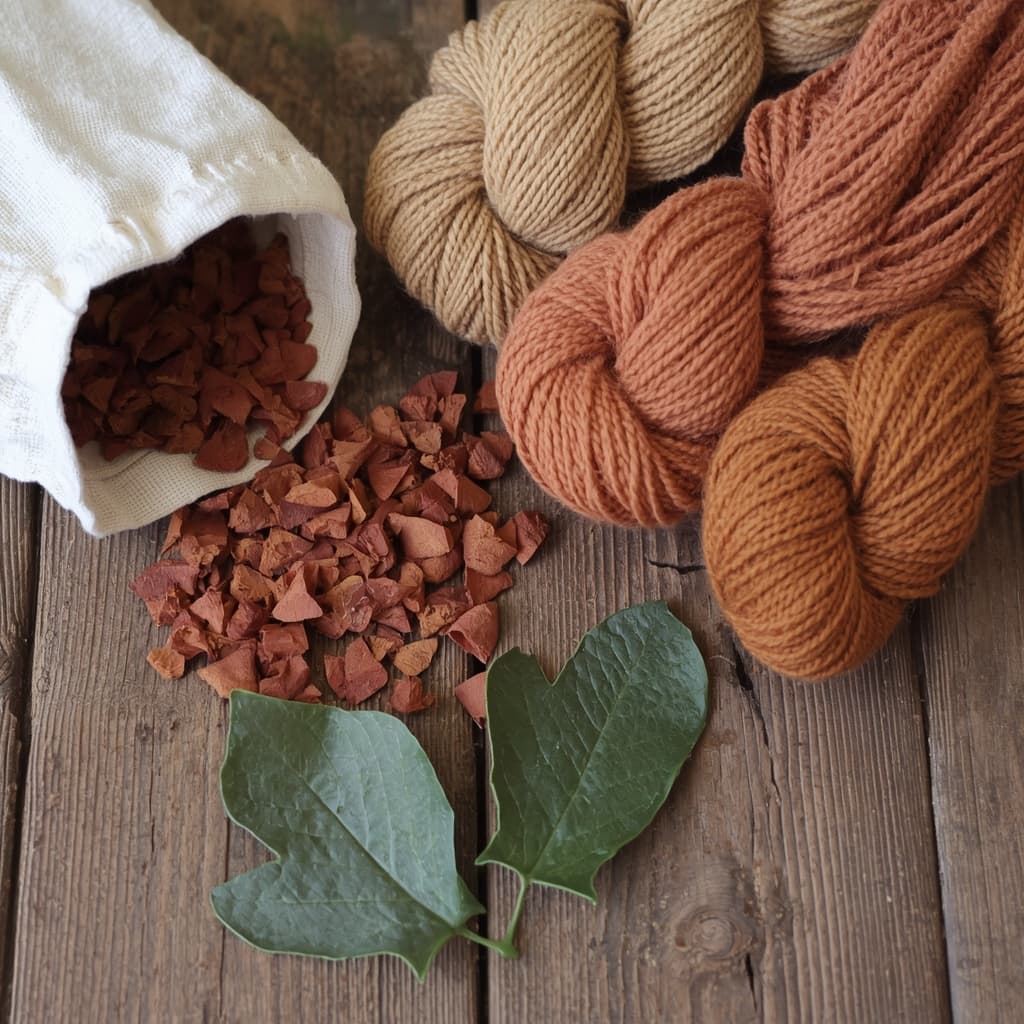
Sassafras root bark gives warm tan, rose-tan and orange-brown on wool mordanted with alum, and grey-brown with an iron afterbath. Use about a pound of bark to a pound of dry wool. Soak the bark overnight, simmer it gently for an hour, strain, then hold the mordanted wool in the bath just under a simmer for an hour and let it cool there.
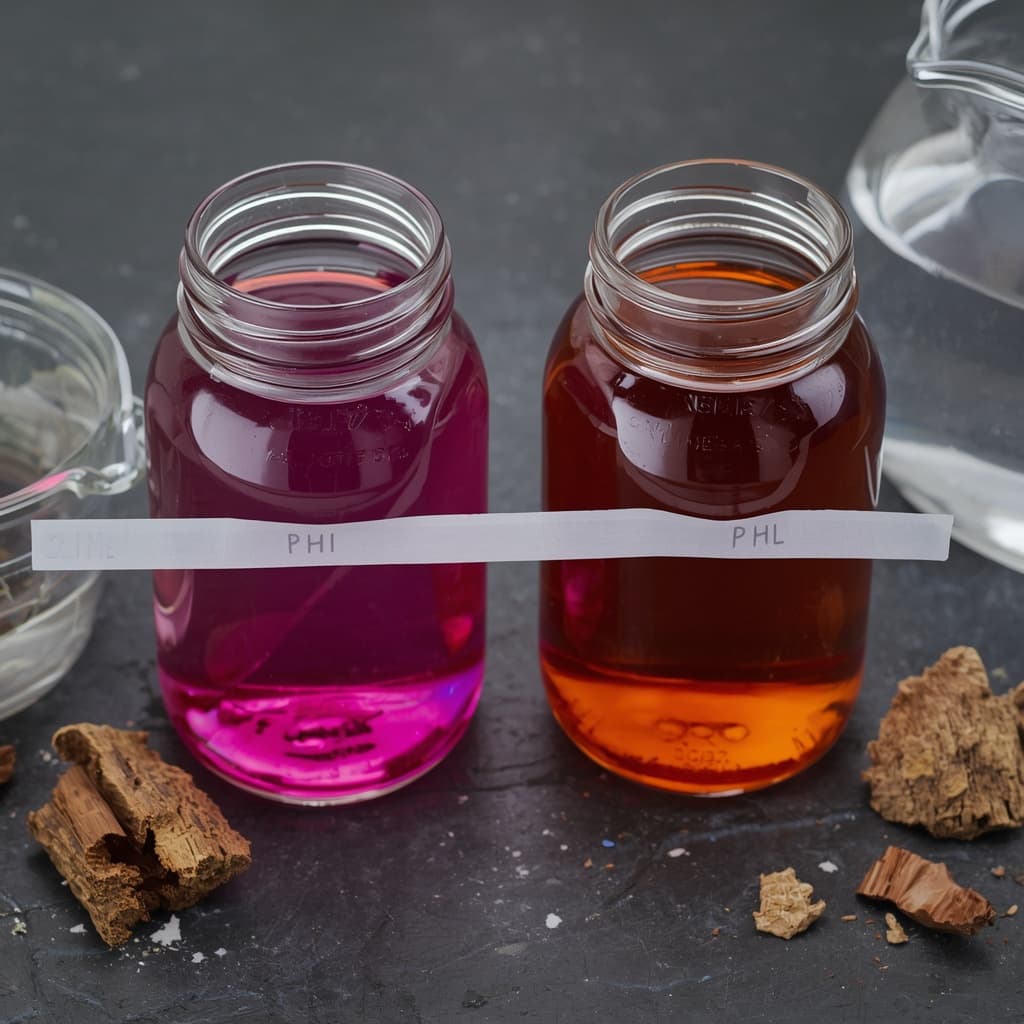
Hard water carries calcium and magnesium and usually runs alkaline, and both shift a tannin dye. With Mimosa hostilis the purples drift toward brown and the color looks duller. Iron in well water greys it further. Rainwater or distilled water is the simplest answer; a little white vinegar or citric acid, to bring the bath to about pH 5 or 6, is the next best.
Your cart is empty
Everything we sell is batch-tested, and we tell you what ships to your state before you add it.
Browse the shop