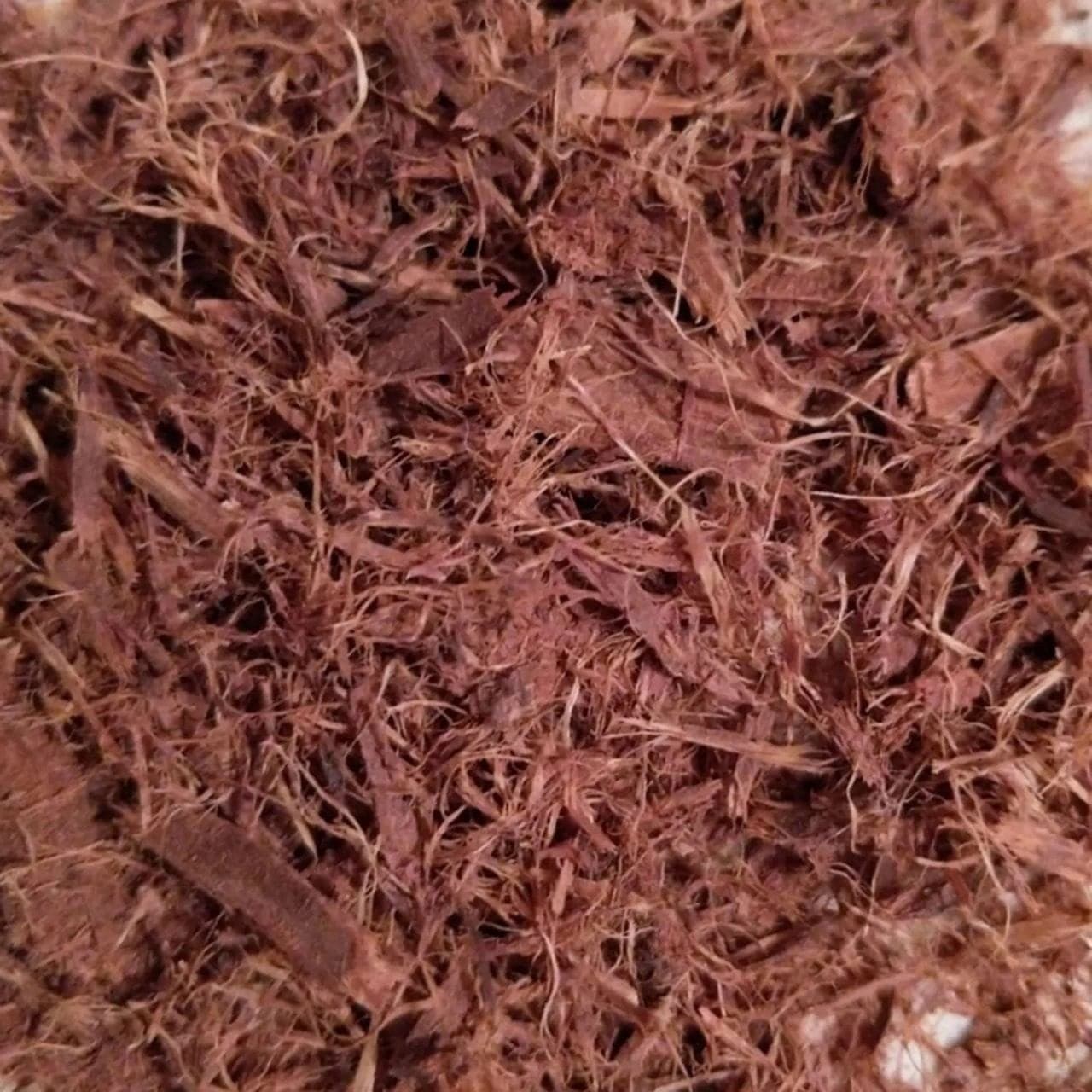
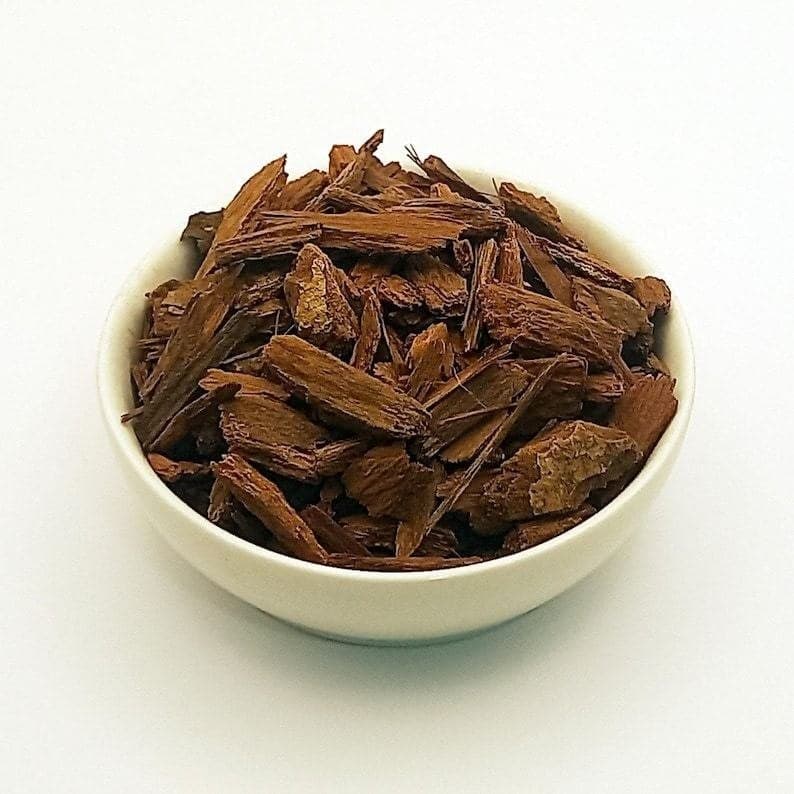
Sassafras Root Bark, Cut (Sassafras albidum)
Botanical use only
$42.501/4 lb
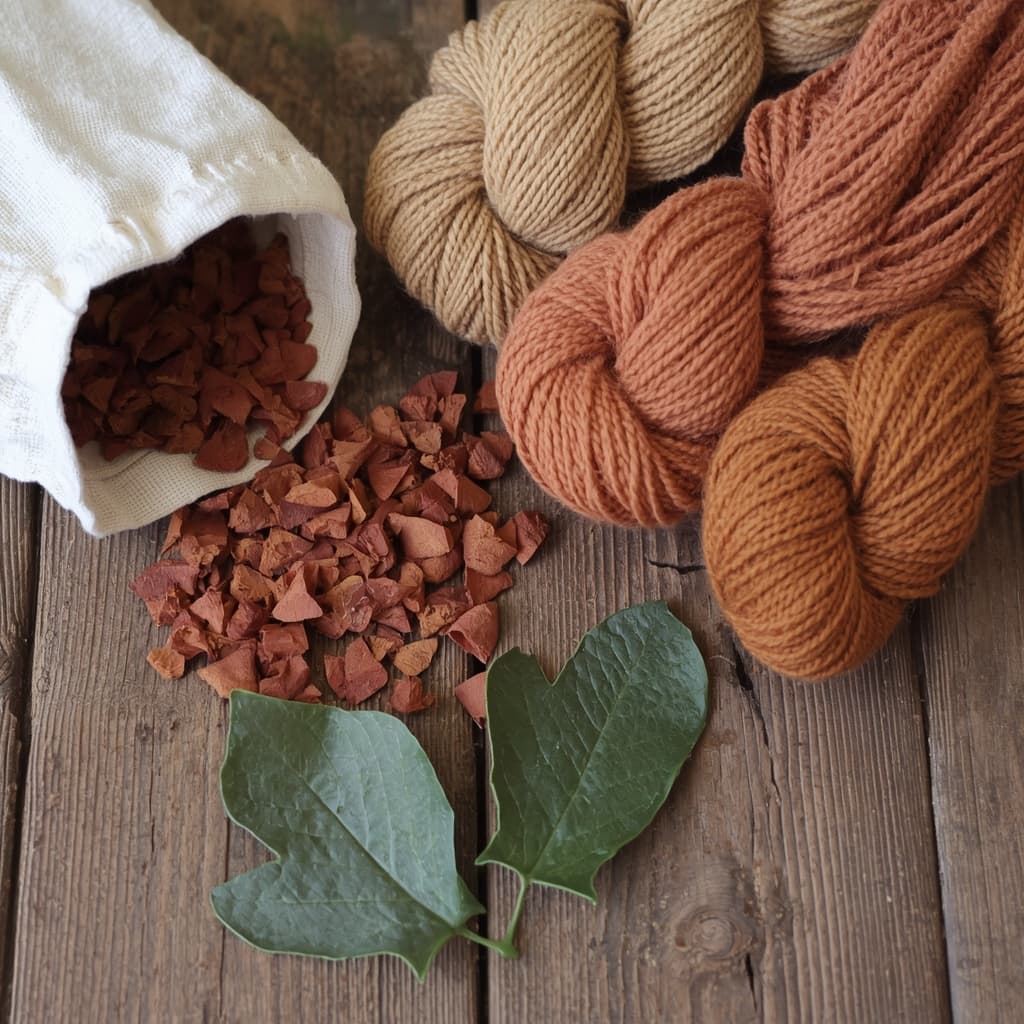
Sassafras root bark gives warm tan, rose-tan and orange-brown on wool mordanted with alum, and grey-brown with an iron afterbath. Use about a pound of bark to a pound of dry wool. Soak the bark overnight, simmer it gently for an hour, strain, then hold the mordanted wool in the bath just under a simmer for an hour and let it cool there.
Editorial desk · Written and checked in house · Updated
Sassafras is one of the traditional dye trees of eastern North America, and its root bark is an easy first dye: it is forgiving about temperature, it smells pleasant in the pot, and it gives the kind of warm, quiet browns that sit well beside brighter colors. Sassafras albidum, a North American dye tree covers the tree itself.
Weigh the wool dry, then scour it so the color can reach the fiber; scouring wool before a dye bath gives the method. Mordant with alum at 10 to 15 percent of the dry weight. Sassafras will color unmordanted wool, but paler, and it does not last as well. Mordanting wool before a bark bath has the steps.
Put the bark in the pot, cover it with cold water, and leave it overnight. The next day bring it slowly to a gentle simmer and hold it there for an hour. The water turns a clear red-brown. Strain the bark out and keep it: it will give a second, lighter bath.
Let the bath cool until it is comfortable to touch, add the wet mordanted wool, and bring it back up slowly to just under a simmer, about 180°F (82°C). Hold it for 45 minutes to an hour, turning the wool gently once or twice. Then switch off the heat and leave the wool to cool in the pot, overnight if you can. Rinse in water of the same temperature until it runs clear, and dry it in the shade.
| Method | Typical color on wool |
|---|---|
| Alum mordant, full-strength bath | Warm tan to orange-brown |
| Alum mordant, second bath | Pale rose-tan, soft beige |
| Alum, then an iron afterbath | Grey-brown, taupe |
| No mordant | Light tan |
Water and wool both change the result, so dye a small sample first. An iron afterbath needs very little iron and only a few minutes; iron as a modifier gives the amounts.
The two barks work well together. A pale pink from a light Mimosa hostilis bath, dipped afterwards in sassafras, turns a warm rosewood, and a set of skeins dyed from both barks at different strengths gives a range of pinks, plums, tans and browns that all sit comfortably in one piece of knitting or weaving. Overdyeing with Mimosa hostilis covers the order to work in.
Sassafras root bark is sold here as a dye and craft material only, not for human consumption. Keep dye pots and tools separate from kitchen ones, and work somewhere with moving air.
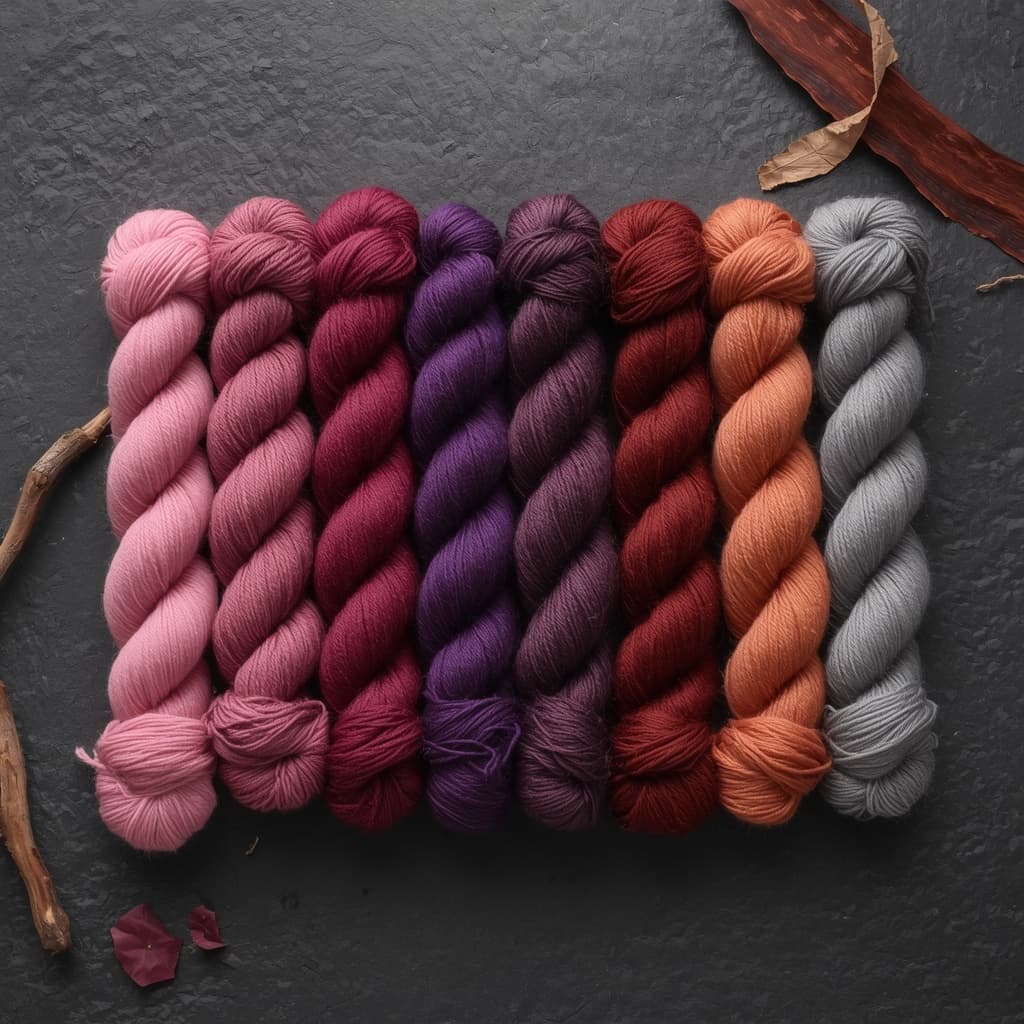
Overdyeing is dyeing one color on top of another. Mimosa hostilis gives rose to plum, so over indigo blue it makes violet and deep purple, over a yellow dye it makes peach, coral and rust, and with iron it turns grey and slate. Dye small samples first, and change only one thing between them.
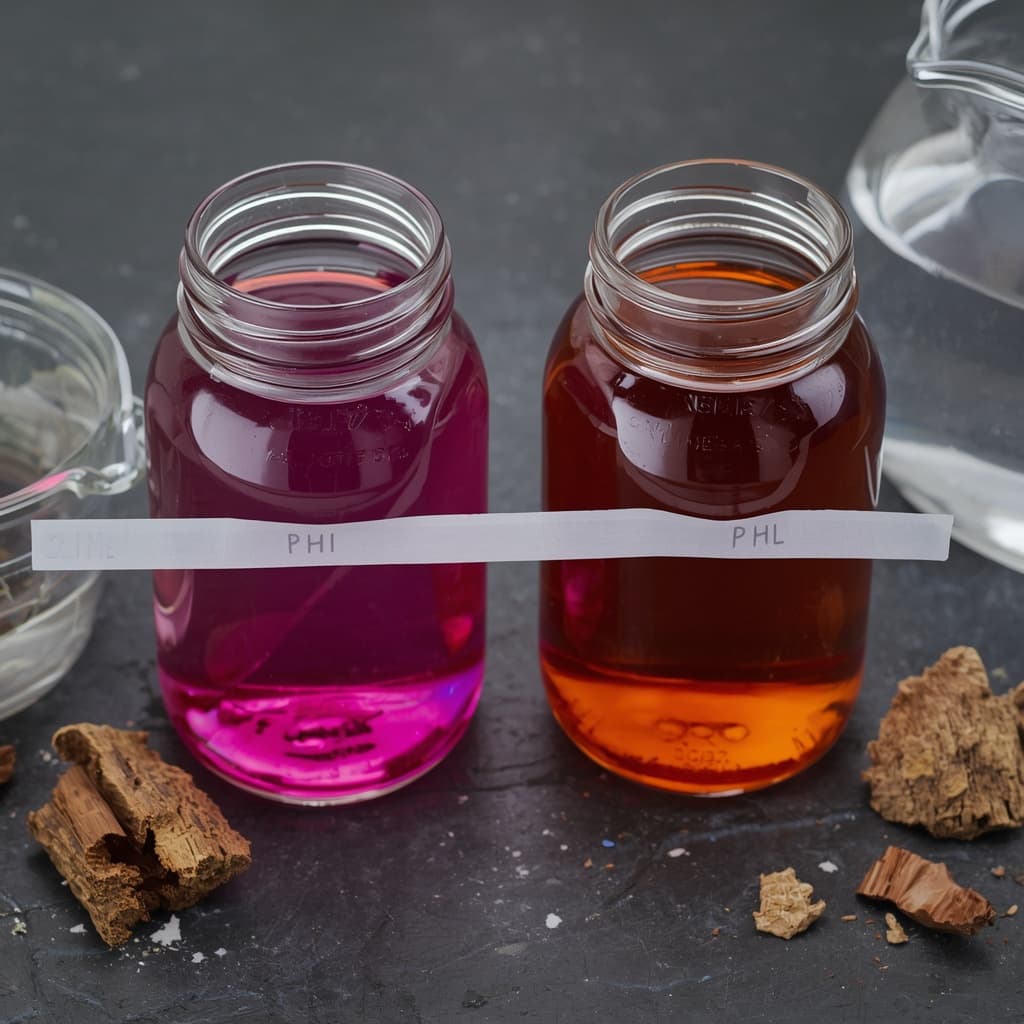
Hard water carries calcium and magnesium and usually runs alkaline, and both shift a tannin dye. With Mimosa hostilis the purples drift toward brown and the color looks duller. Iron in well water greys it further. Rainwater or distilled water is the simplest answer; a little white vinegar or citric acid, to bring the bath to about pH 5 or 6, is the next best.
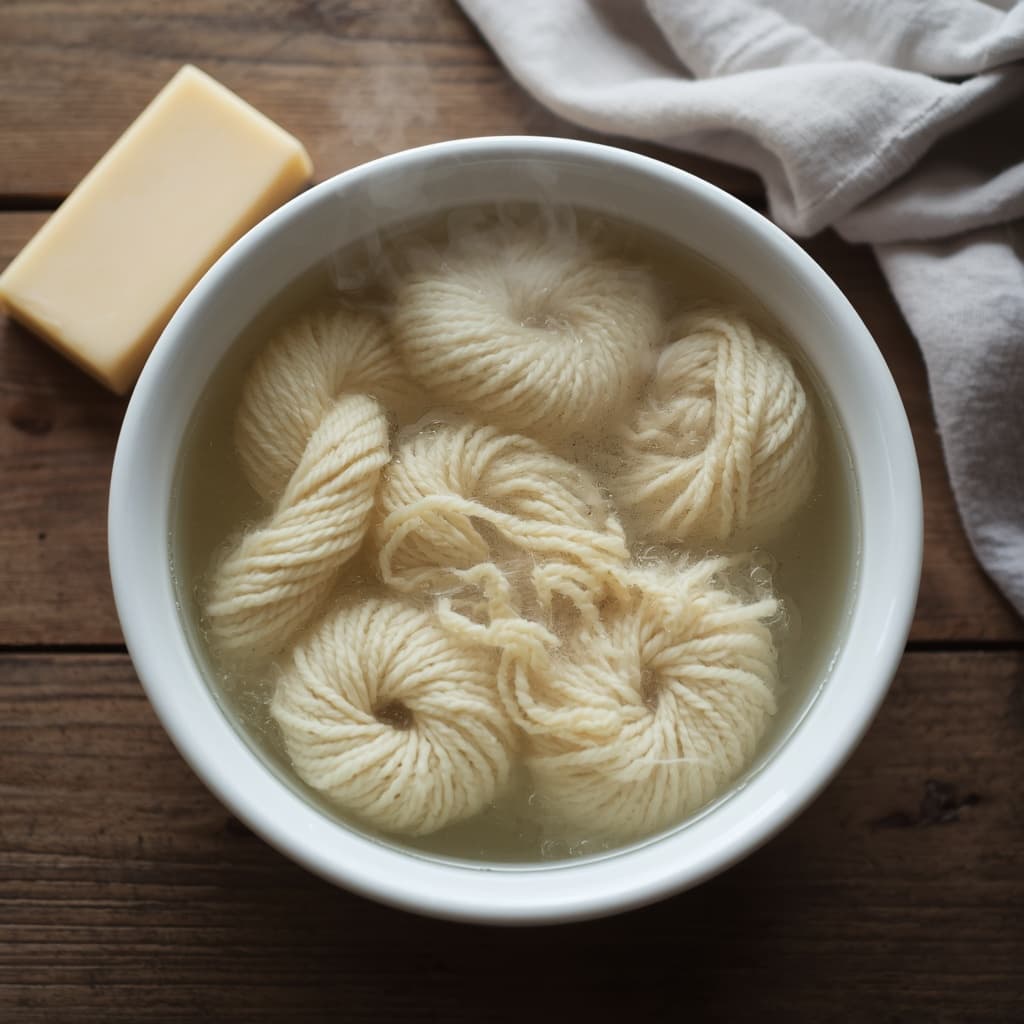
Scouring is washing fiber clean enough to dye. Wool carries lanolin, spinning oil and dust, and any of them leaves pale, patchy color. Soak the wool in hot water with a little pH-neutral detergent, without stirring, then rinse in water of the same temperature. Commercial yarn needs a gentle wash; raw fleece needs a real scour.
Your cart is empty
Everything we sell is batch-tested, and we tell you what ships to your state before you add it.
Browse the shop