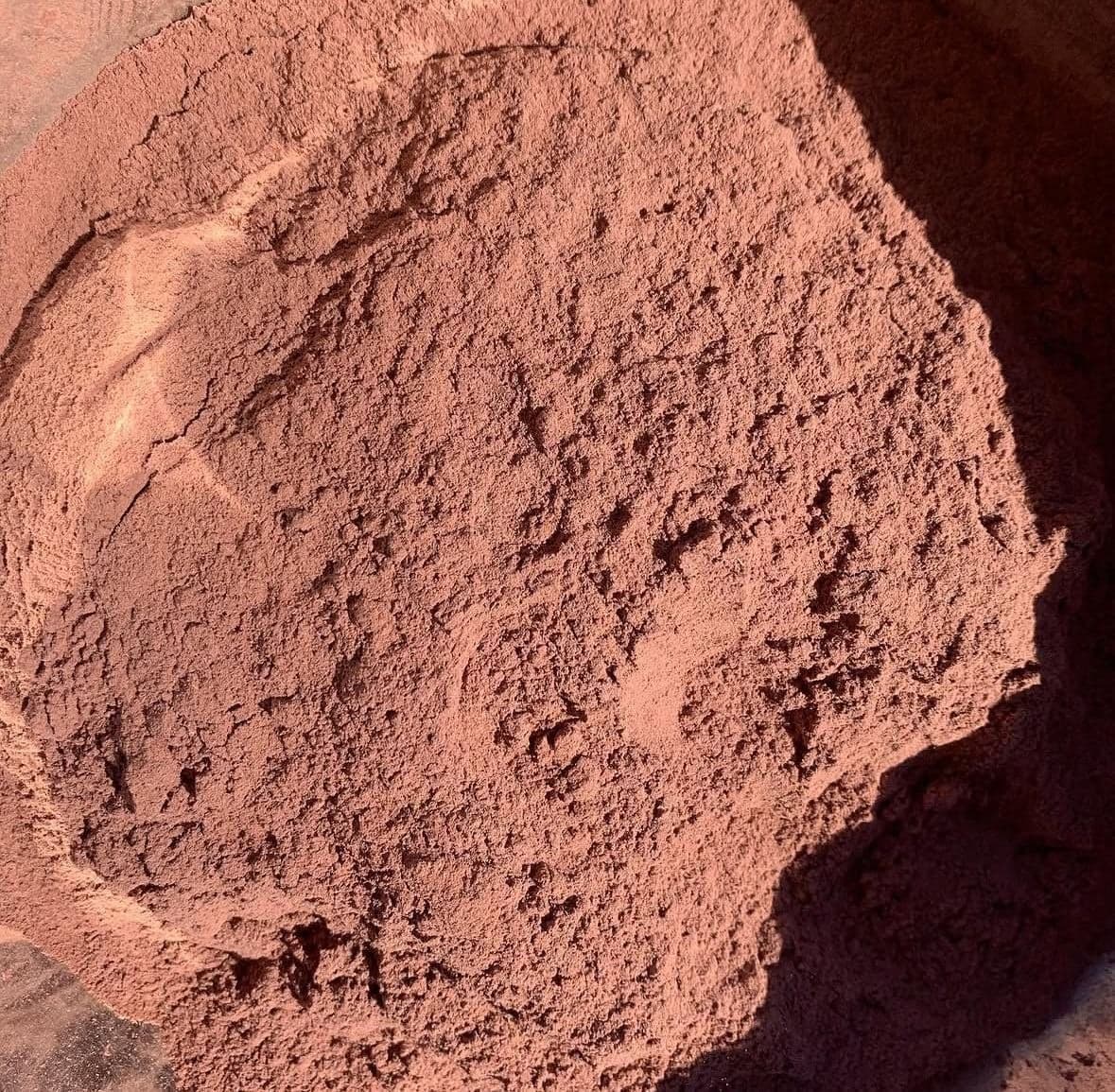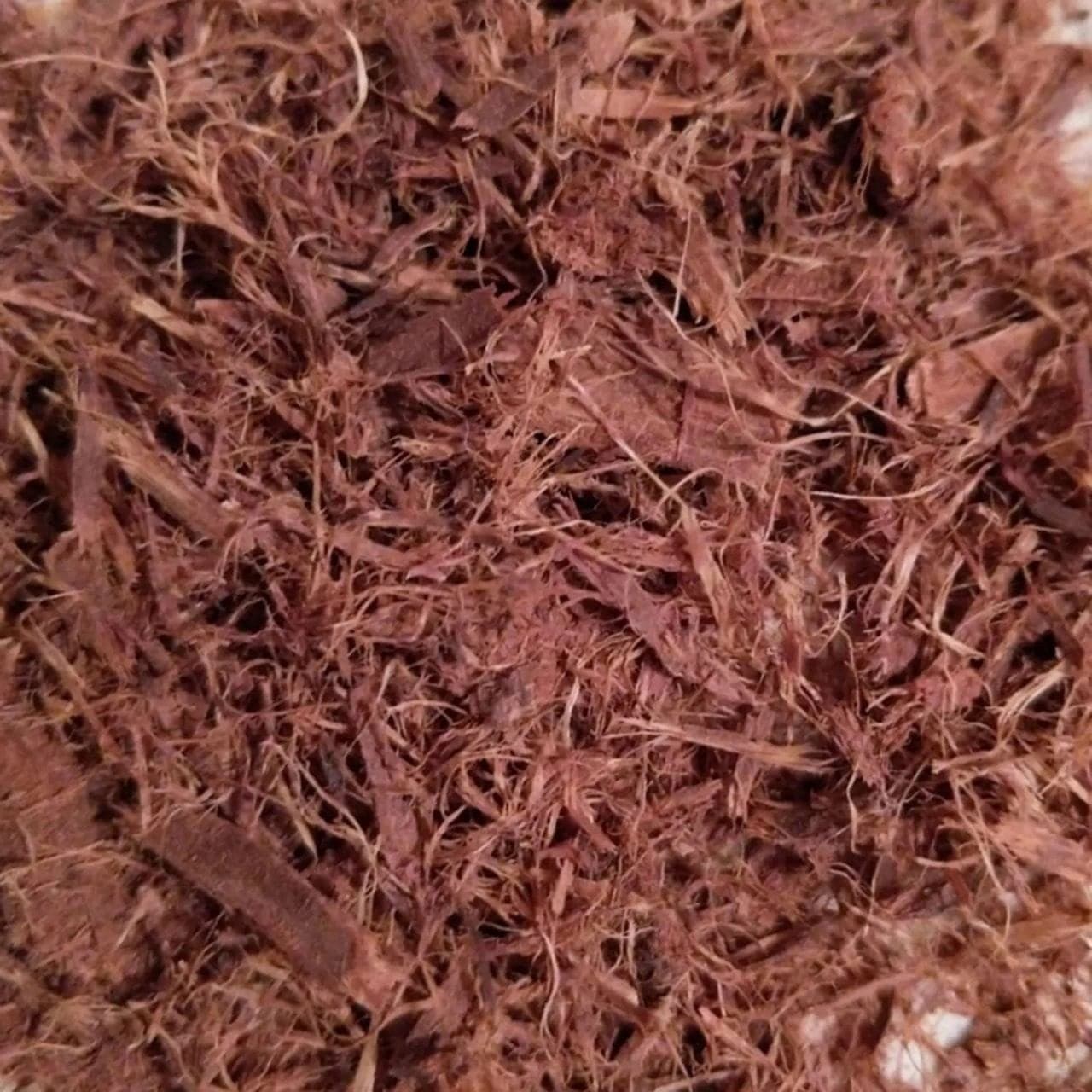
Shredded Mimosa Hostilis Root Bark
Botanical use only
$351/4 lb
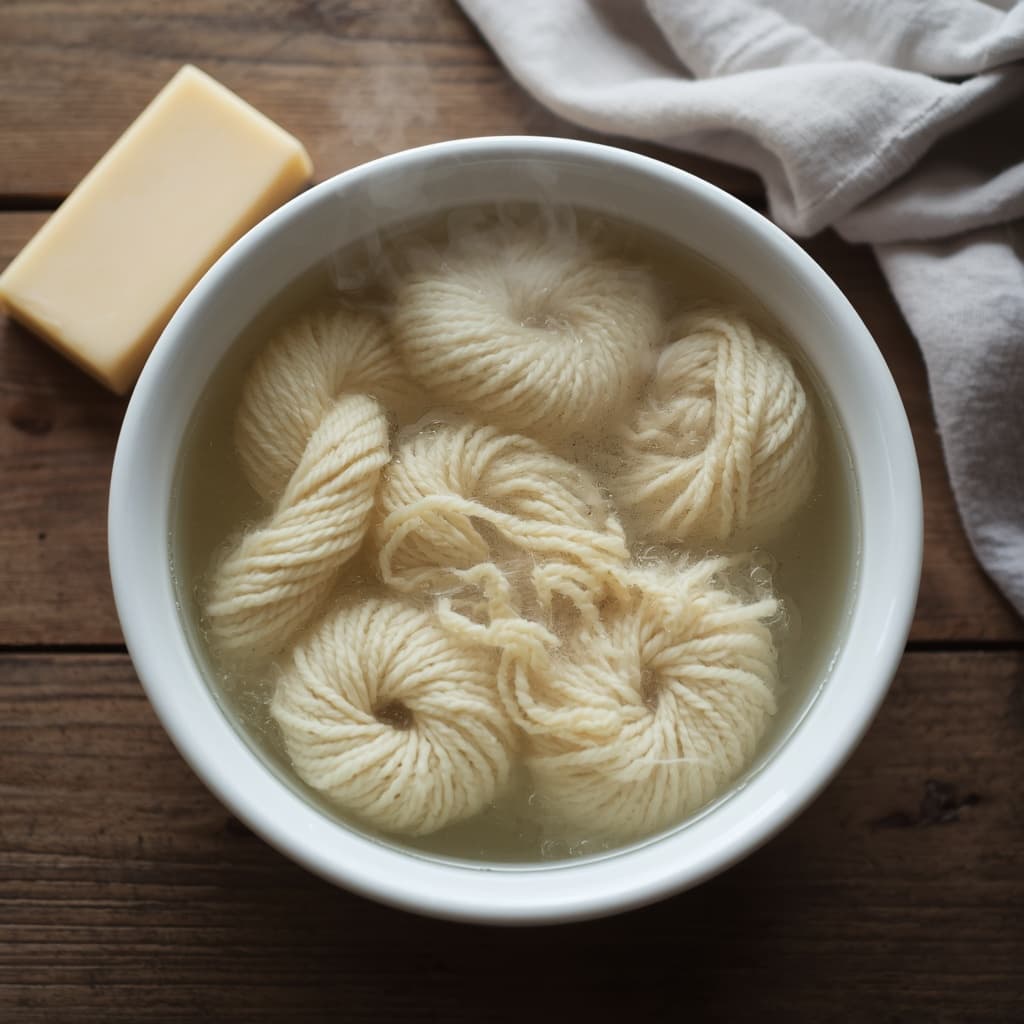
Scouring is washing fiber clean enough to dye. Wool carries lanolin, spinning oil and dust, and any of them leaves pale, patchy color. Soak the wool in hot water with a little pH-neutral detergent, without stirring, then rinse in water of the same temperature. Commercial yarn needs a gentle wash; raw fleece needs a real scour.
Editorial desk · Written and checked in house · Updated
When a skein comes out of a good bath streaky, with pale patches where the color seems to have slid off, the cause is nearly always on the fiber and not in the pot. Dye and mordant cannot reach wool through a film of grease.
Weigh the fiber dry before it touches water and write the figure down. Mordant and bark are both measured against the dry weight, and wet wool weighs far more than the fiber in it. How much bark per pound of fiber uses that number.
Tie each skein loosely in four places so it cannot tangle. Fill a pot or basin with hot tap water, about 120°F (50°C), and stir in a pH-neutral detergent: a wool wash, or plain unscented dish soap, about a teaspoon for a quarter pound of yarn. Lower the yarn in, press it under, and leave it for 30 to 45 minutes. Lift it out, let it drain, and rinse it in water of the same temperature until no suds remain.
Lanolin only melts in properly hot water, about 140°F (60°C), and it settles back onto the wool if the bath is allowed to cool. Use more detergent, soak for 20 minutes, lift the fleece out while the water is still hot, and repeat with fresh hot water until it runs nearly clear. Two or three washes is normal. Rinse hot, then let the fleece cool on its own.
Clean wool wets out at once and sinks. Greasy wool floats and beads water. It should also smell of nothing much: a strong sheep smell from wet yarn means lanolin is still there.
Scoured wool can go straight into the mordant bath while it is still wet. Mordanting wool before a bark bath picks up from here, and eight faults that spoil a first bath lists the other common causes of uneven color. Cotton and linen need a different scour, with soda ash at a simmer; dyeing cotton and linen with Mimosa hostilis covers it.
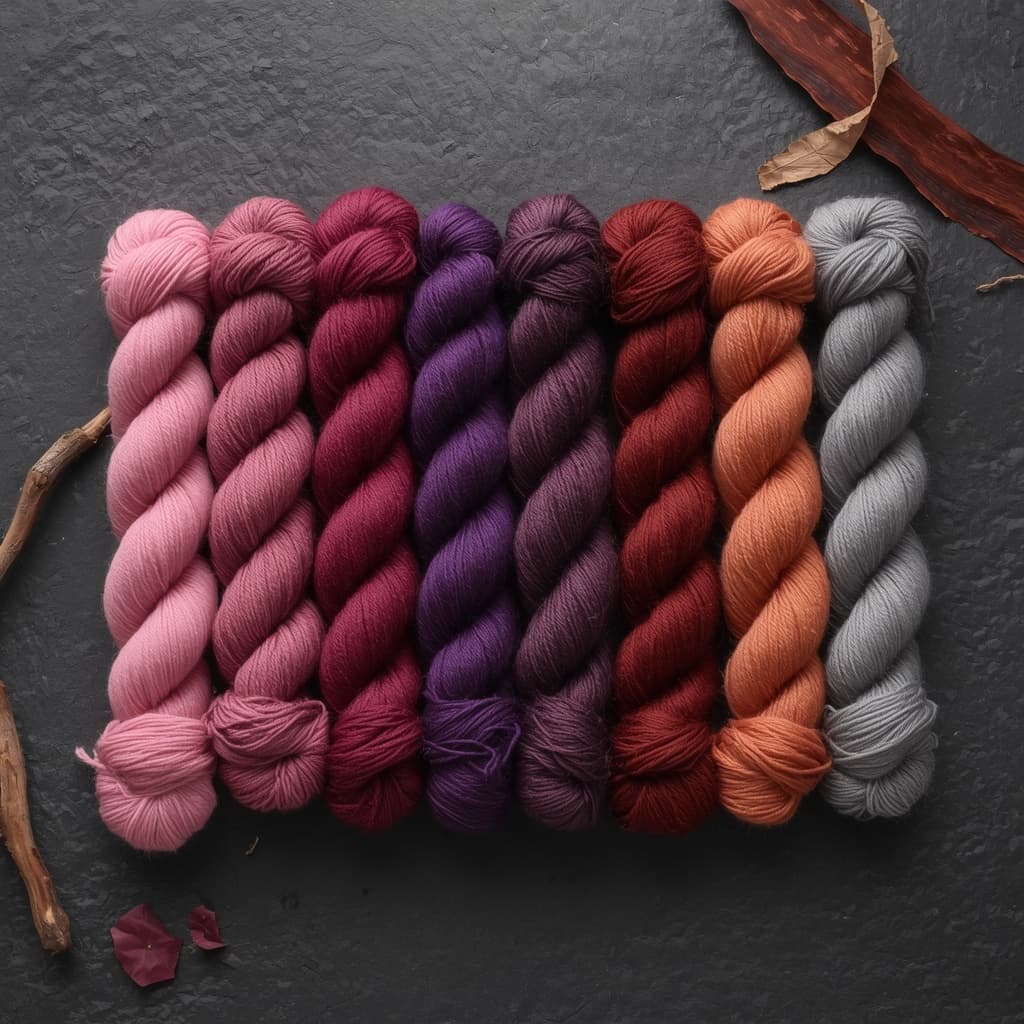
Overdyeing is dyeing one color on top of another. Mimosa hostilis gives rose to plum, so over indigo blue it makes violet and deep purple, over a yellow dye it makes peach, coral and rust, and with iron it turns grey and slate. Dye small samples first, and change only one thing between them.
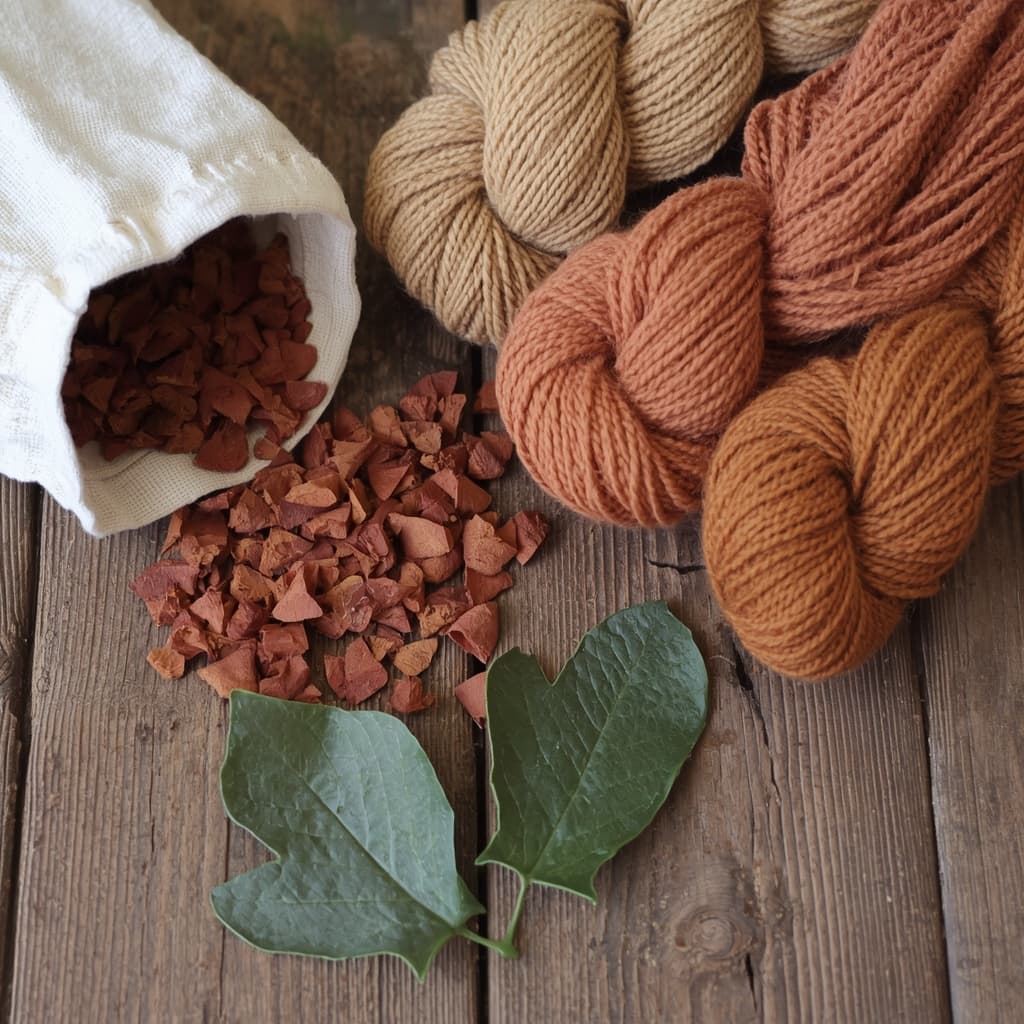
Sassafras root bark gives warm tan, rose-tan and orange-brown on wool mordanted with alum, and grey-brown with an iron afterbath. Use about a pound of bark to a pound of dry wool. Soak the bark overnight, simmer it gently for an hour, strain, then hold the mordanted wool in the bath just under a simmer for an hour and let it cool there.
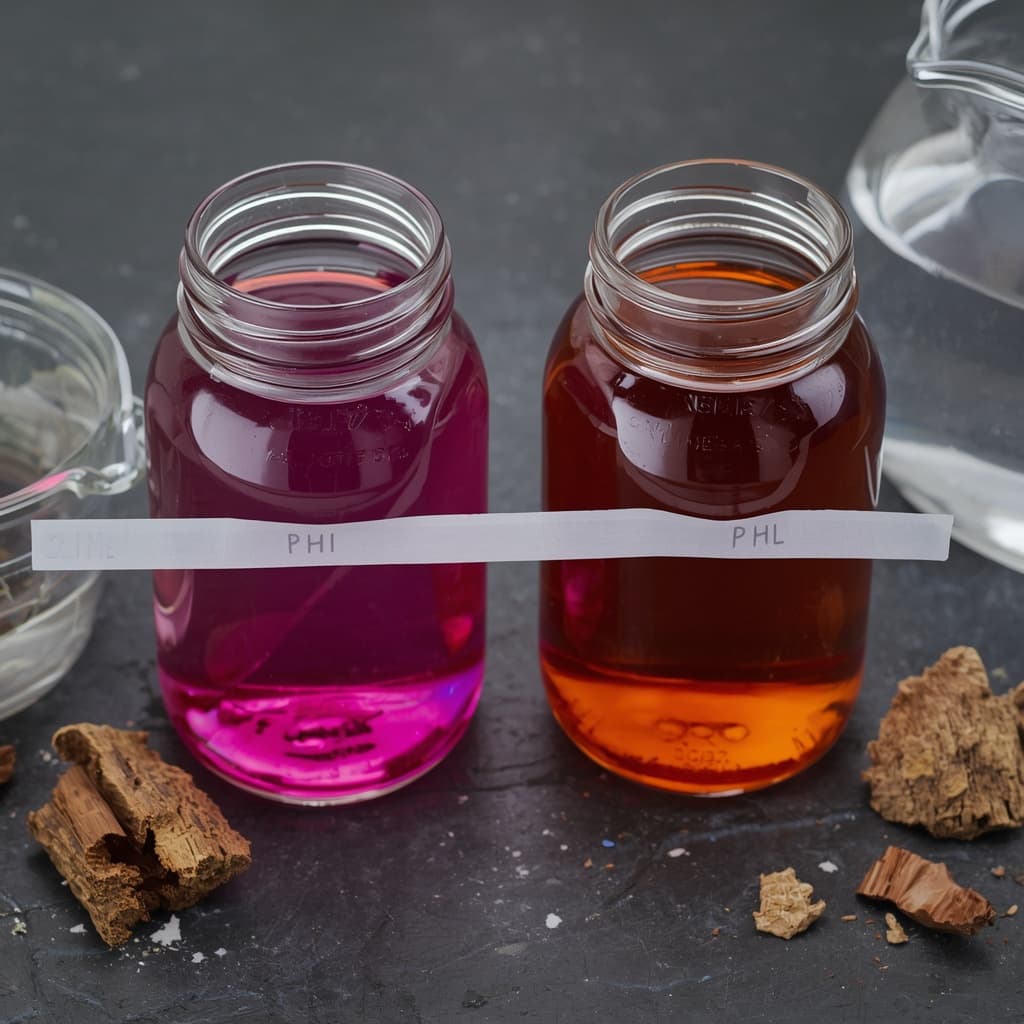
Hard water carries calcium and magnesium and usually runs alkaline, and both shift a tannin dye. With Mimosa hostilis the purples drift toward brown and the color looks duller. Iron in well water greys it further. Rainwater or distilled water is the simplest answer; a little white vinegar or citric acid, to bring the bath to about pH 5 or 6, is the next best.
Your cart is empty
Everything we sell is batch-tested, and we tell you what ships to your state before you add it.
Browse the shop