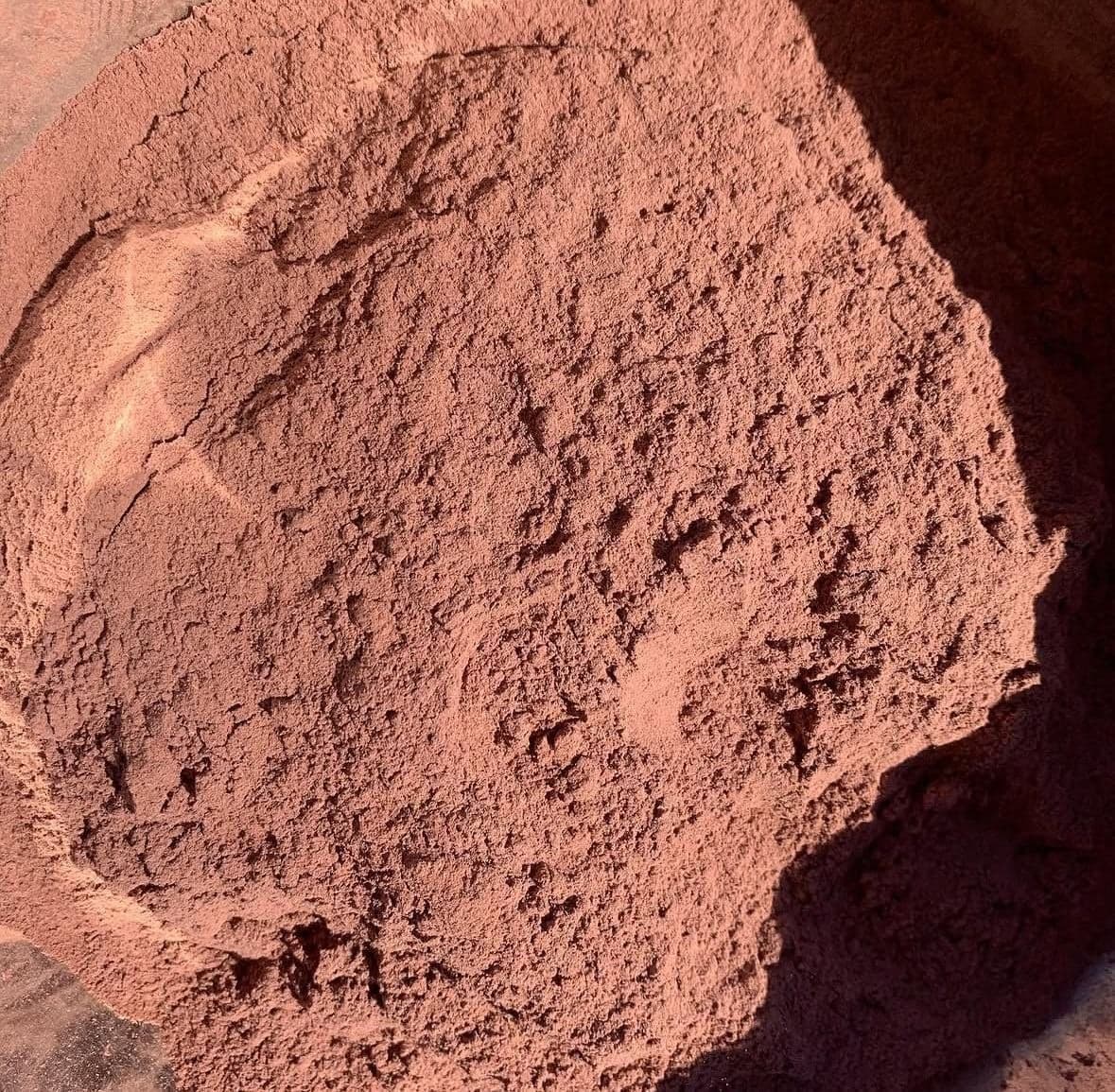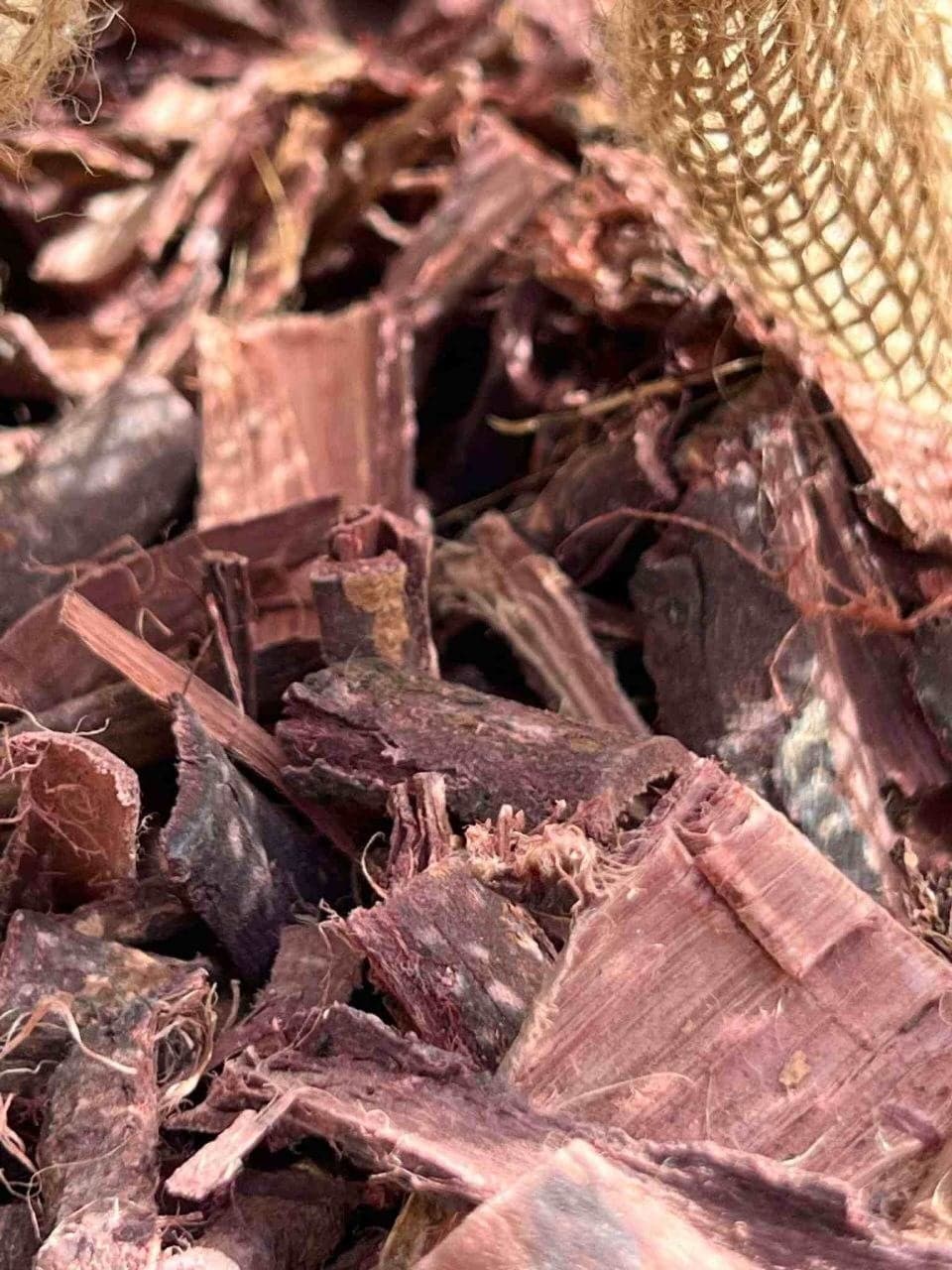
Whole Mimosa Hostilis Root Bark (Chips and Strips)
Botanical use only
$32.501/4 lb
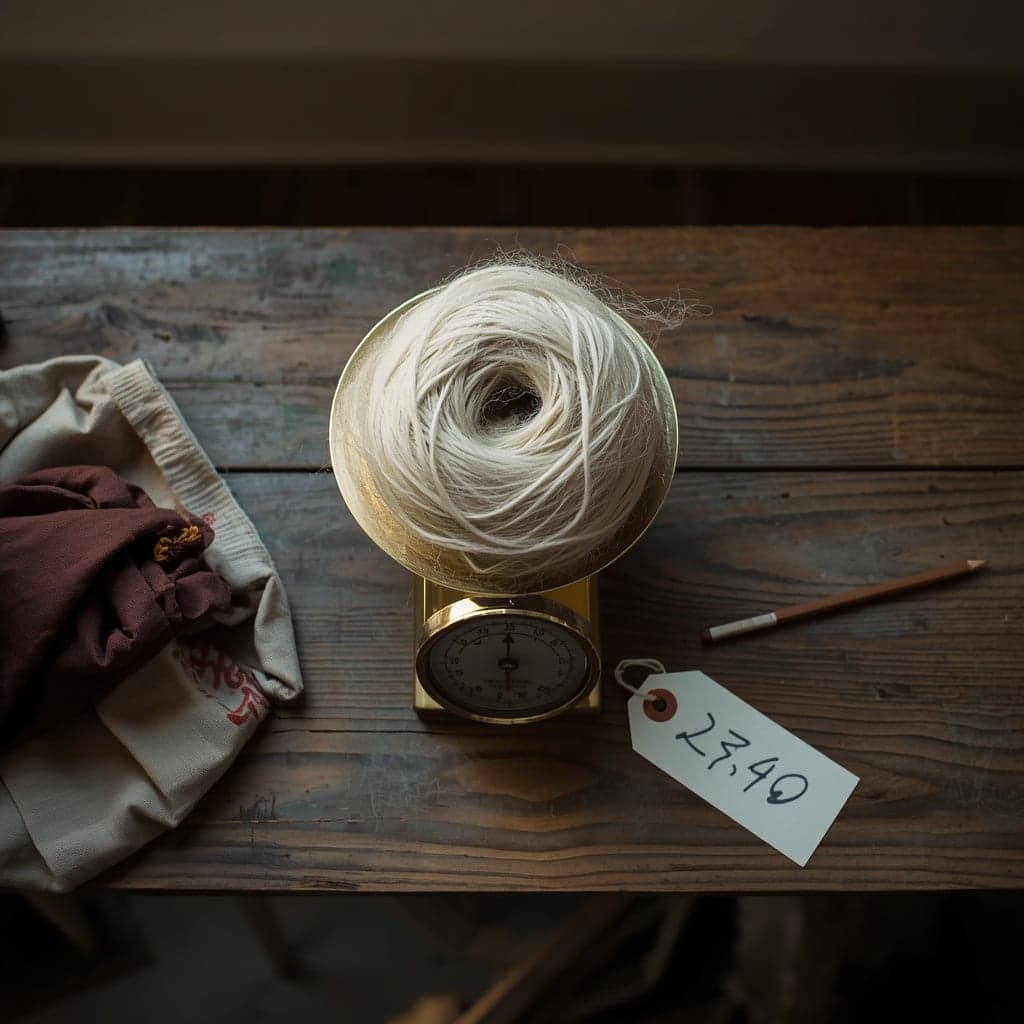
Start at fifty to a hundred per cent of the dry fibre weight: half a pound of bark to a pound of wool for a mid shade, a pound to a pound for a deep one. Weigh the fibre dry, before wetting, and write the ratio down.
Editorial desk · Written and checked in house · Updated
Every ratio in natural dyeing is a percentage of the dry weight of the fibre, weighed before it is wetted. Wet wool holds several times its own weight in water, so weighing it damp makes every number afterwards meaningless.
| Depth wanted | Bark as % of fibre weight | For 1 lb of wool |
|---|---|---|
| Pale, tint | 25 to 40% | 4 to 6 oz |
| Mid shade | 50 to 75% | 8 to 12 oz |
| Deep | 100% | 1 lb |
| As dark as the fibre will take | 125% and a second bath | 1 lb 4 oz |
Past about a hundred and twenty-five per cent the bath holds more colour than the fibre can pick up. The surplus goes down the drain or into a second bath, which is the sensible use for it.
This is the point that takes longest to believe. Depth comes from the ratio of colour to fibre, not from how concentrated the liquid looks. A pound of bark in two gallons and a pound in five give much the same shade — the five-gallon pot just lets the fibre move.
What volume does decide is evenness. Fibre packed into too little water dyes in patches where it touched itself. Use enough water that a skein can be lifted and turned without force.
Powder puts far more surface area into the water than the same weight of shredded bark, so it loads a bath faster and reaches a usable depth sooner. Shredded bark works more slowly and is easier to strain. The same weight of either ends up in roughly the same place given time; the powder simply gets there first. See why particle size changes everything in a dye pot.
Bark from different harvests varies, and so does your water. A ratio that gave the right shade in March will not repeat in September unless you recorded it. Note the dry fibre weight, the bark weight, the cut, the temperature, the time and the water — the last one surprises people, because hard water shifts this colour.
For small quantities and test pots, see testing a dye before you commit a fleece.
Everything described here is raw botanical material sold for dyeing, soap making and craft work. It is not food, it is not a supplement, and it is not for human consumption. Nothing on this page is a recommendation to put any of it in or on a body.
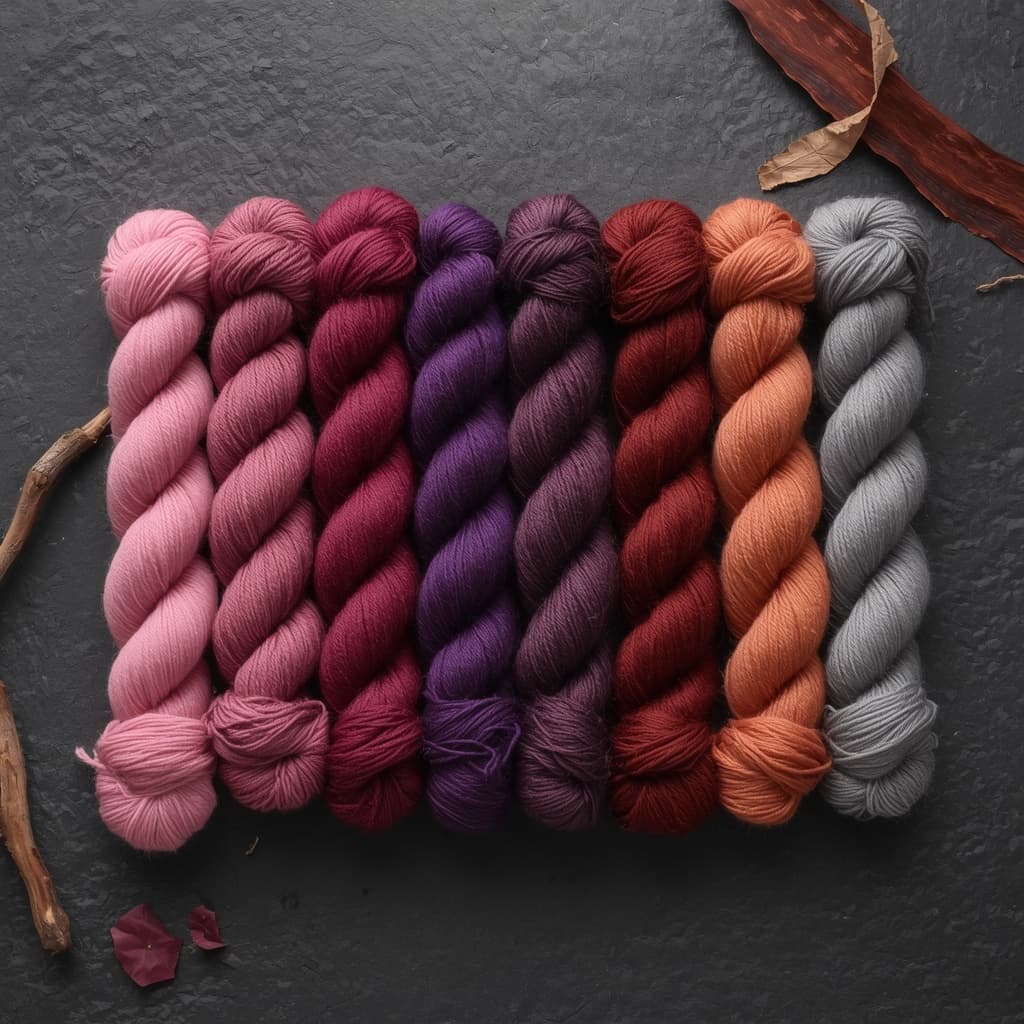
Overdyeing is dyeing one color on top of another. Mimosa hostilis gives rose to plum, so over indigo blue it makes violet and deep purple, over a yellow dye it makes peach, coral and rust, and with iron it turns grey and slate. Dye small samples first, and change only one thing between them.
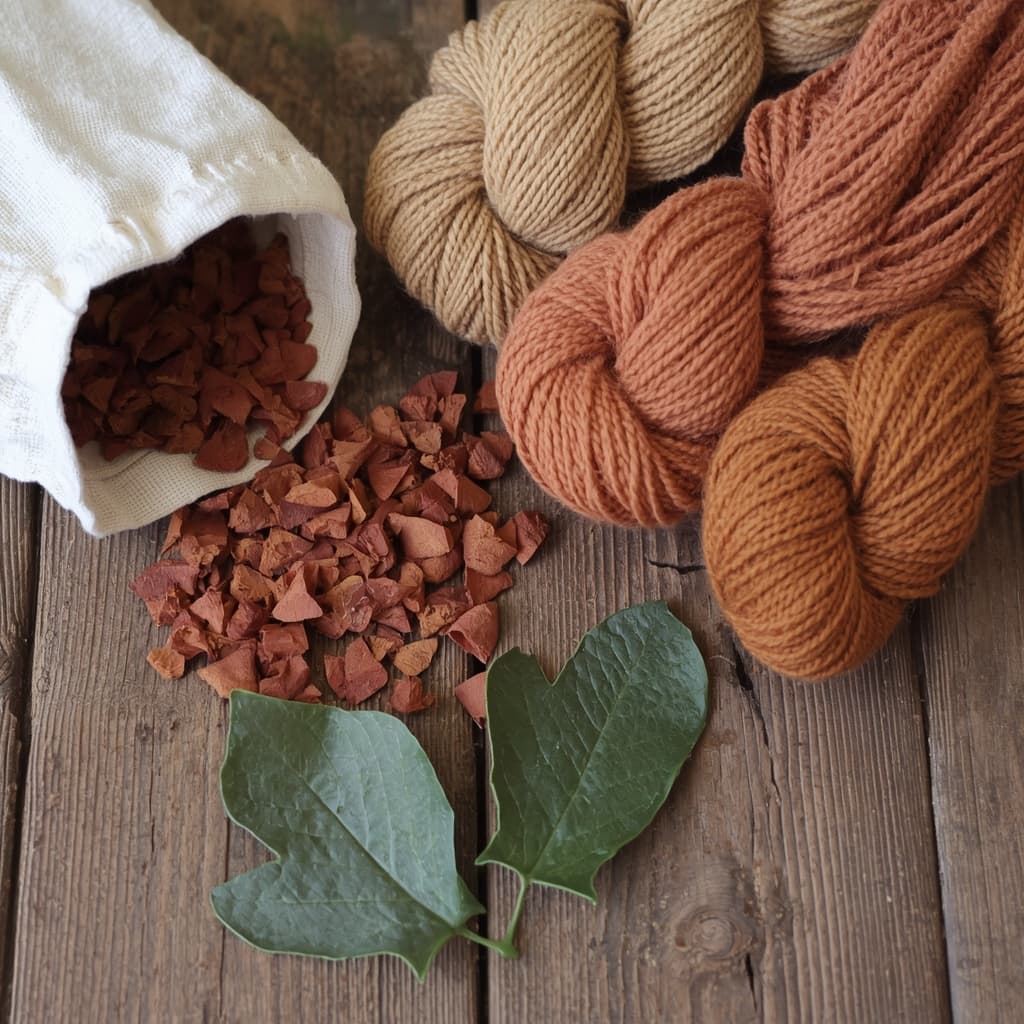
Sassafras root bark gives warm tan, rose-tan and orange-brown on wool mordanted with alum, and grey-brown with an iron afterbath. Use about a pound of bark to a pound of dry wool. Soak the bark overnight, simmer it gently for an hour, strain, then hold the mordanted wool in the bath just under a simmer for an hour and let it cool there.
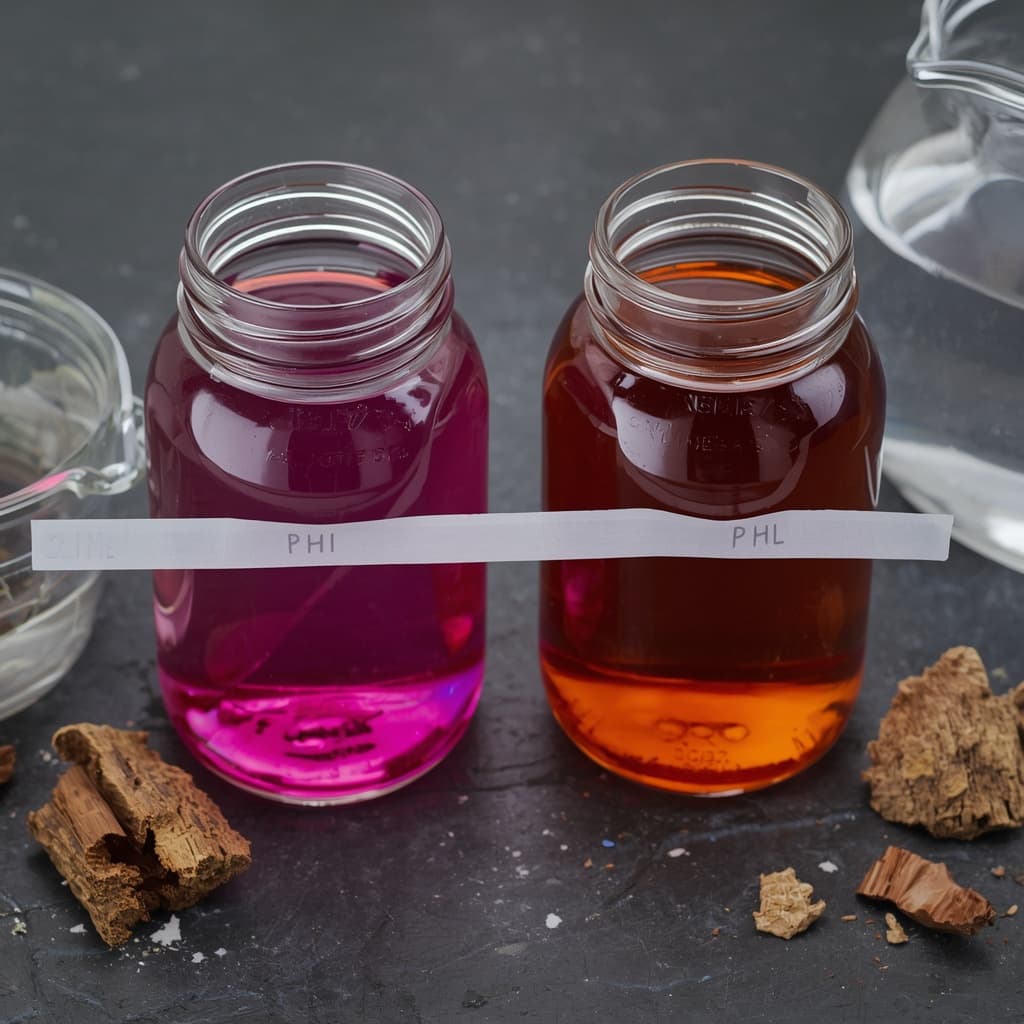
Hard water carries calcium and magnesium and usually runs alkaline, and both shift a tannin dye. With Mimosa hostilis the purples drift toward brown and the color looks duller. Iron in well water greys it further. Rainwater or distilled water is the simplest answer; a little white vinegar or citric acid, to bring the bath to about pH 5 or 6, is the next best.
Your cart is empty
Everything we sell is batch-tested, and we tell you what ships to your state before you add it.
Browse the shop