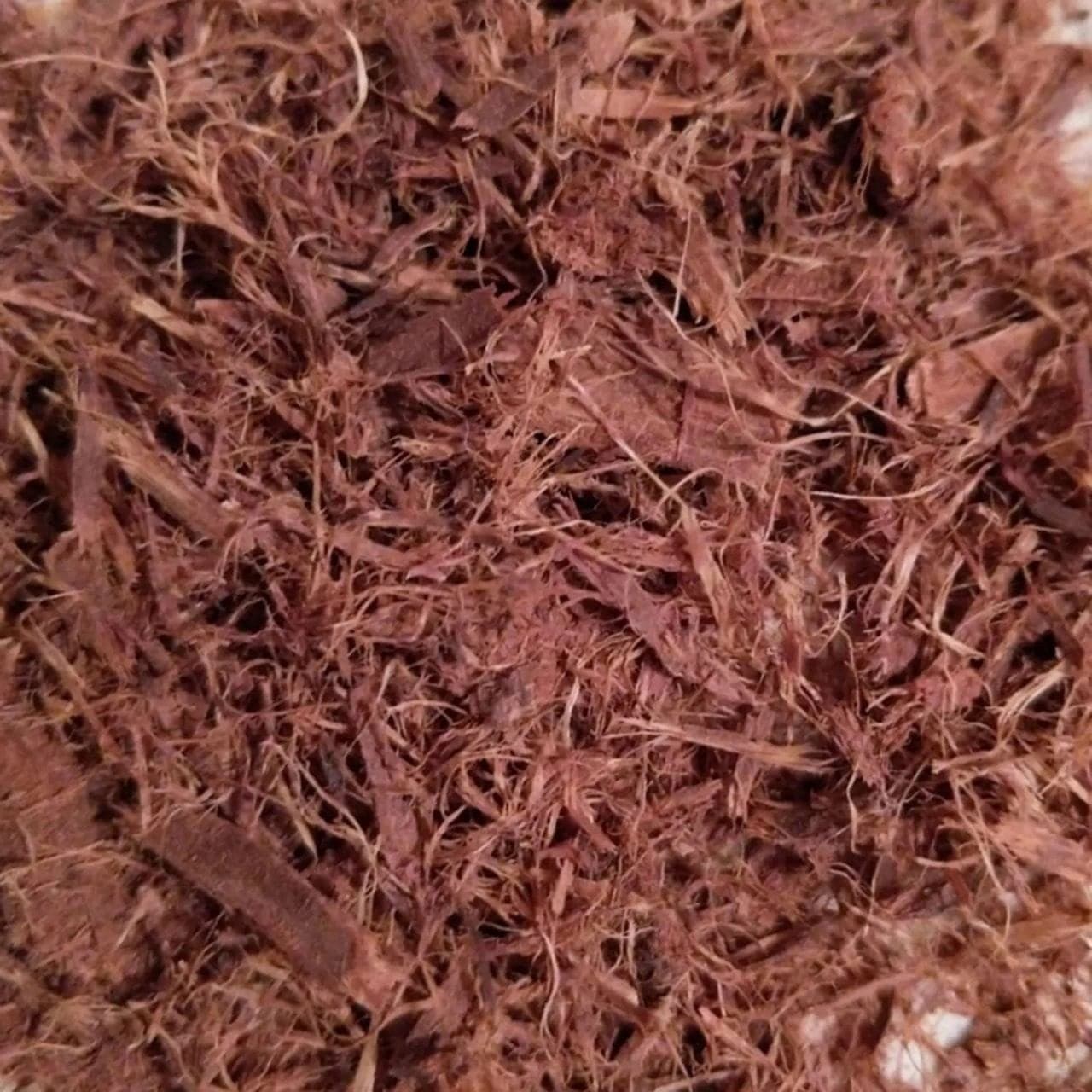
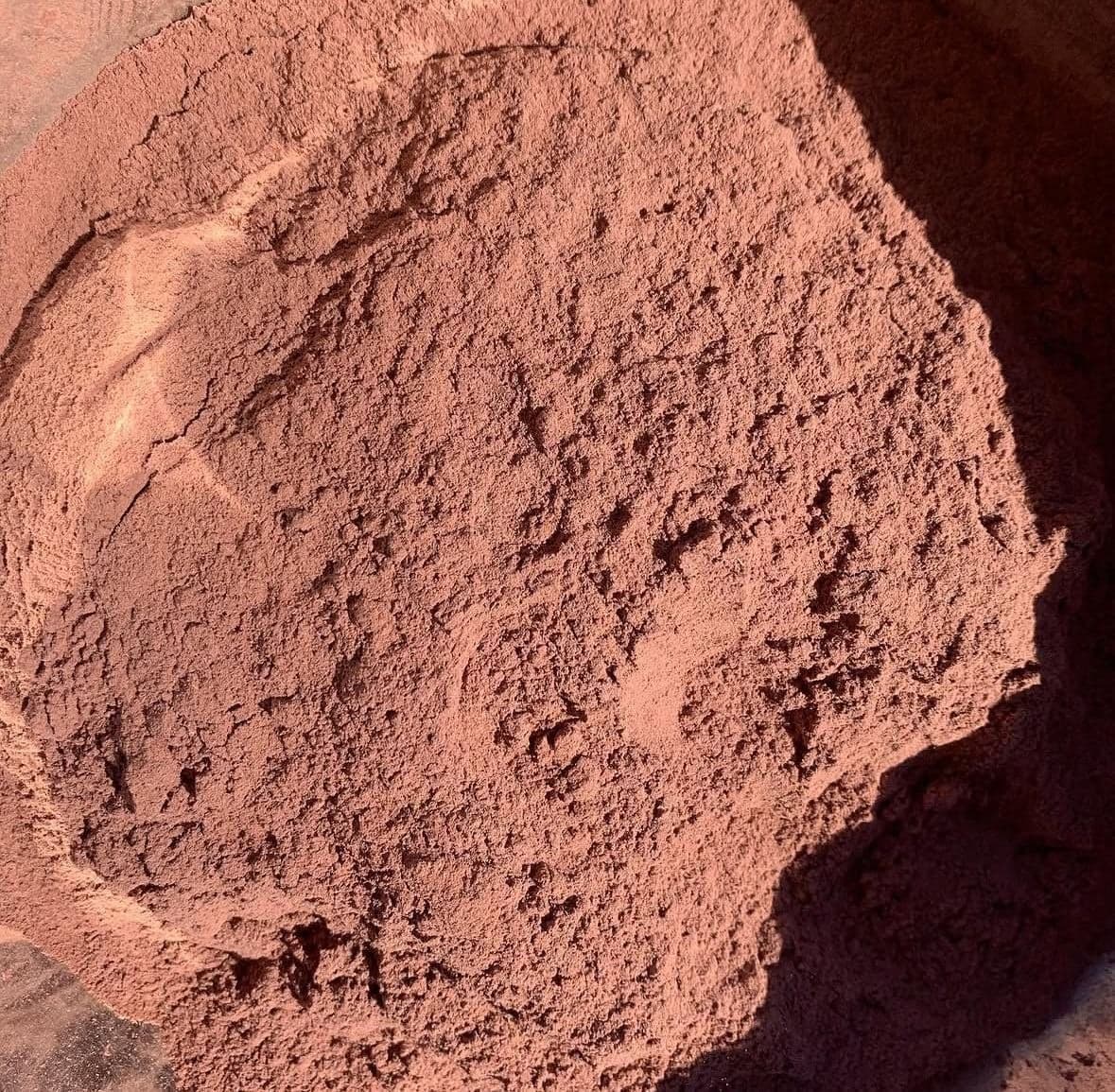
Mimosa Hostilis Root Bark Powder
Botanical use only
$37.501/4 lb
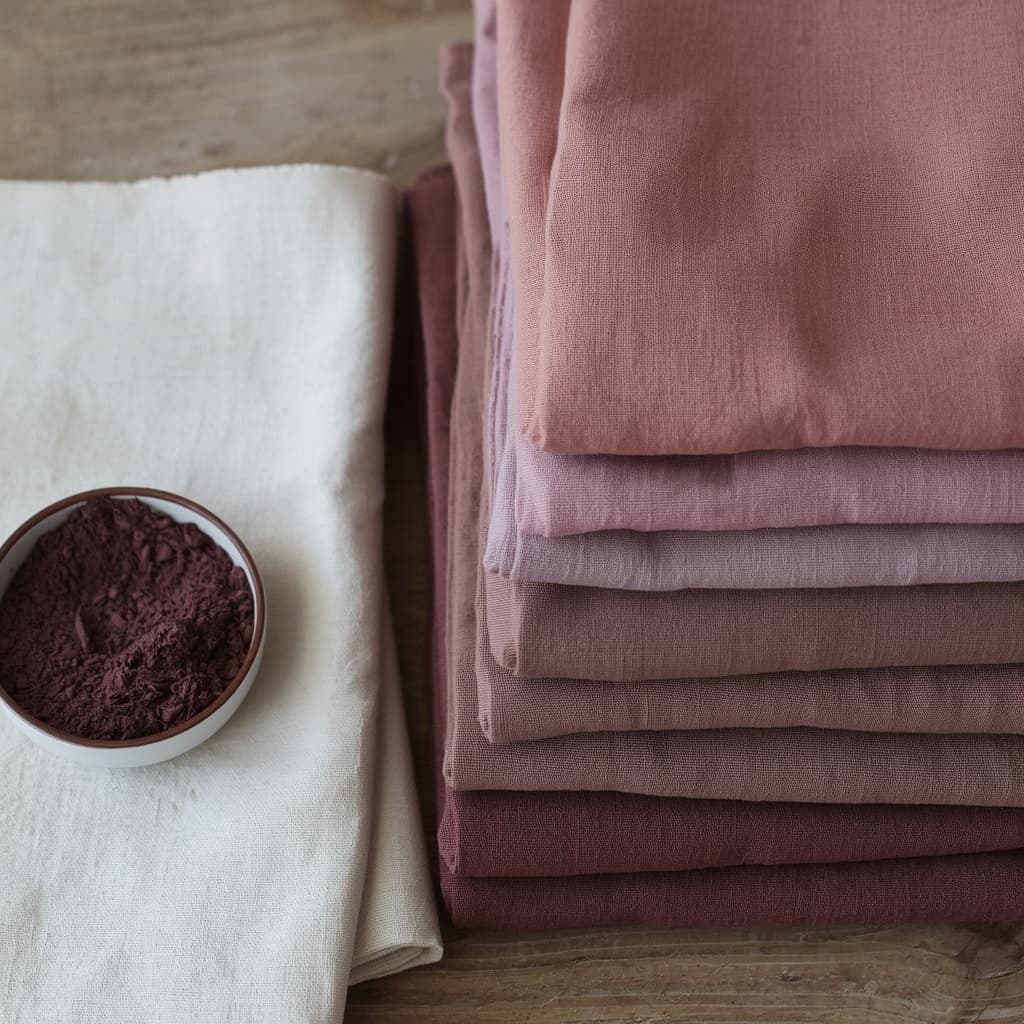
Cotton and linen take Mimosa hostilis paler and browner than wool does, because plant fibers have no protein for the tannins to grip. Scour with soda ash, give the cloth a tannin bath, mordant with aluminum acetate or alum, then dye at a full pound of bark per pound of dry fabric and let it cool in the pot overnight.
Editorial desk · Written and checked in house · Updated
Wool forgives a great deal. Cotton and linen do not, and most disappointing results on plant fiber come from skipping the preparation rather than from anything that happens in the dye pot. The four steps below are the standard sequence for any tannin dye on cellulose.
The tannins in the bark bond directly to the protein in wool and silk. Cotton, linen and hemp are cellulose, which offers the tannin far less to hold. The color still lands, but lighter, and it leans toward dusty rose, mauve and brown rather than the deep plum wool gives from the same bath. Wool, silk, cotton and linen in the same bath shows the gap on one set of swatches.
New cotton carries wax, pectin and often a factory finish, and all three block dye. Weigh the fabric dry first and write the weight down, because every later amount is a percentage of it. Then simmer the cloth for an hour or two in plenty of water with soda ash at about 2 percent of the fabric weight and a small squeeze of plain detergent. If the water comes out yellow or brown, that was the wax. Rinse well.
Alum will not hold on bare cellulose, so the fiber is given tannin first. Oak gall at 6 to 8 percent of the fabric weight is the usual choice because it adds almost no color: soak the cloth in a warm bath for an hour or two, then squeeze it out without rinsing hard. The bark is itself rich in tannin, so some dyers skip this bath, but a separate tannin step usually gives a deeper and more even result. Try both on samples.
Rinse lightly before dyeing. For the deepest shades some dyers repeat the mordant bath a second time.
Use a full pound of bark to a pound of dry fabric. Soak the bark in cold water overnight, warm the bath slowly to about 175°F (80°C), and hold it there for an hour without letting it boil. Strain the bark out, or keep it in a mesh bag from the start, add the wet fabric, and hold the same temperature for another hour, moving the cloth now and then so it dyes evenly. Then turn off the heat and leave the cloth in the bath overnight.
Heat is what turns this color brown, so a thermometer is worth having. Keeping a bark bath purple instead of brown covers that one mistake in detail.
| Fiber | Typical result from the same bath |
|---|---|
| Wool, silk | Rose through deep plum and burgundy |
| Cotton | Dusty rose, mauve, soft brown-pink |
| Linen, hemp | A shade paler and cooler than cotton |
A second dip in a fresh bath deepens plant fiber more than a longer soak in the first one. An iron afterbath shifts any of these to grey and slate; iron as a modifier gives the amounts. Wash finished cloth in cool water with a pH-neutral soap, and dry it out of direct sun.
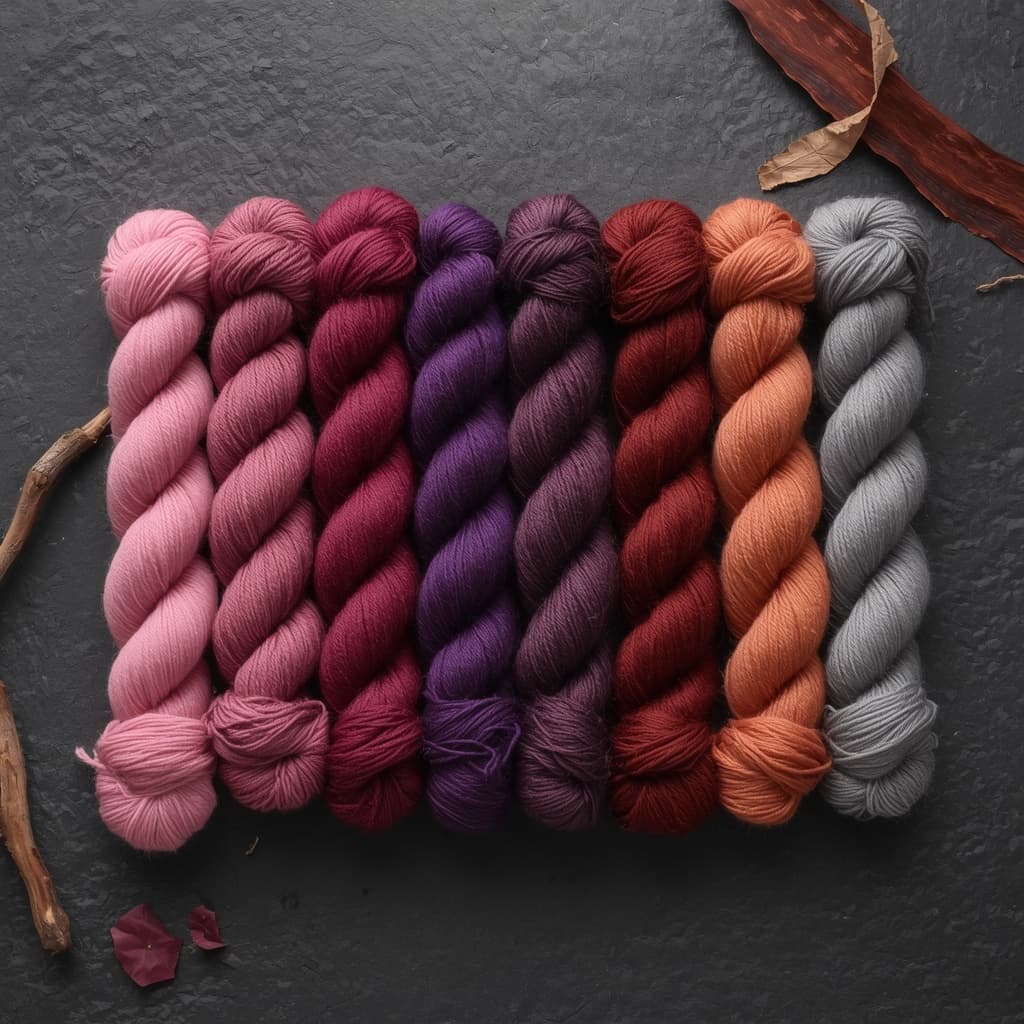
Overdyeing is dyeing one color on top of another. Mimosa hostilis gives rose to plum, so over indigo blue it makes violet and deep purple, over a yellow dye it makes peach, coral and rust, and with iron it turns grey and slate. Dye small samples first, and change only one thing between them.
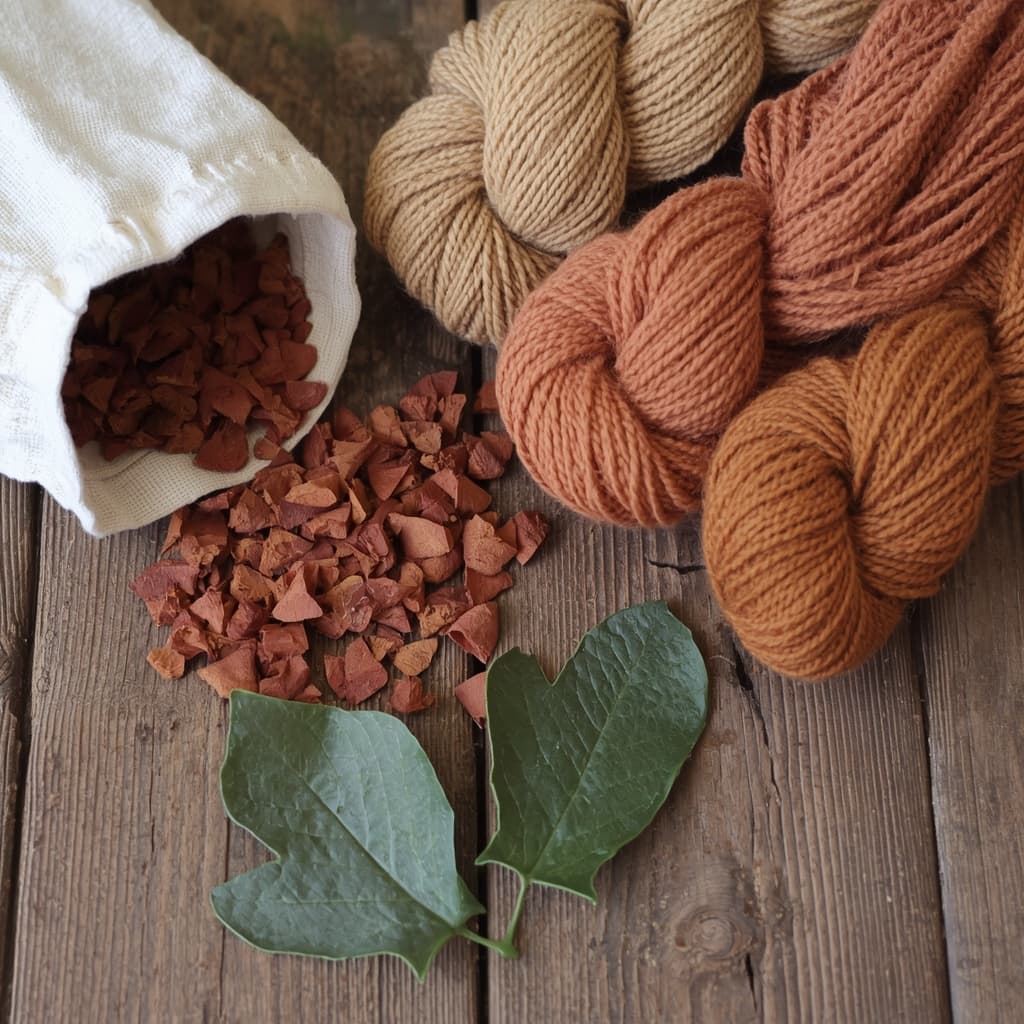
Sassafras root bark gives warm tan, rose-tan and orange-brown on wool mordanted with alum, and grey-brown with an iron afterbath. Use about a pound of bark to a pound of dry wool. Soak the bark overnight, simmer it gently for an hour, strain, then hold the mordanted wool in the bath just under a simmer for an hour and let it cool there.
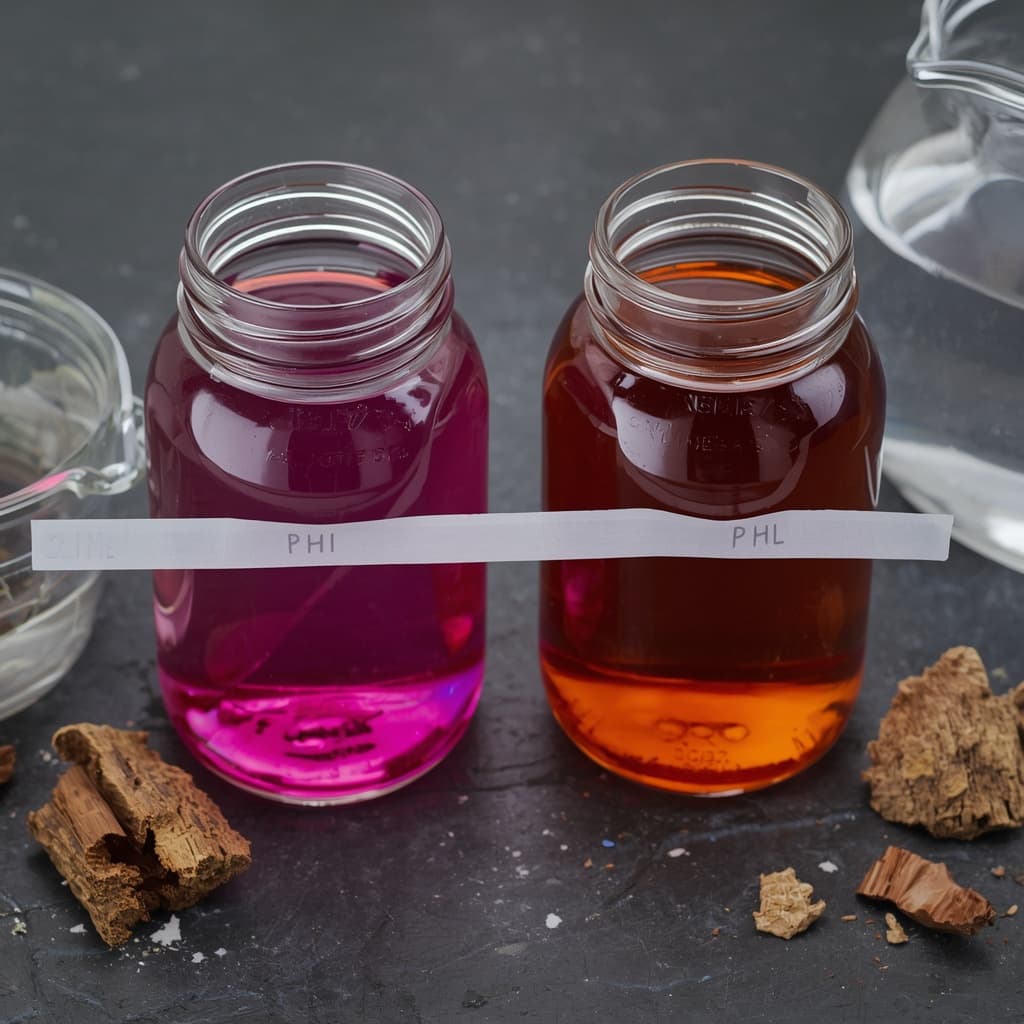
Hard water carries calcium and magnesium and usually runs alkaline, and both shift a tannin dye. With Mimosa hostilis the purples drift toward brown and the color looks duller. Iron in well water greys it further. Rainwater or distilled water is the simplest answer; a little white vinegar or citric acid, to bring the bath to about pH 5 or 6, is the next best.
Your cart is empty
Everything we sell is batch-tested, and we tell you what ships to your state before you add it.
Browse the shop