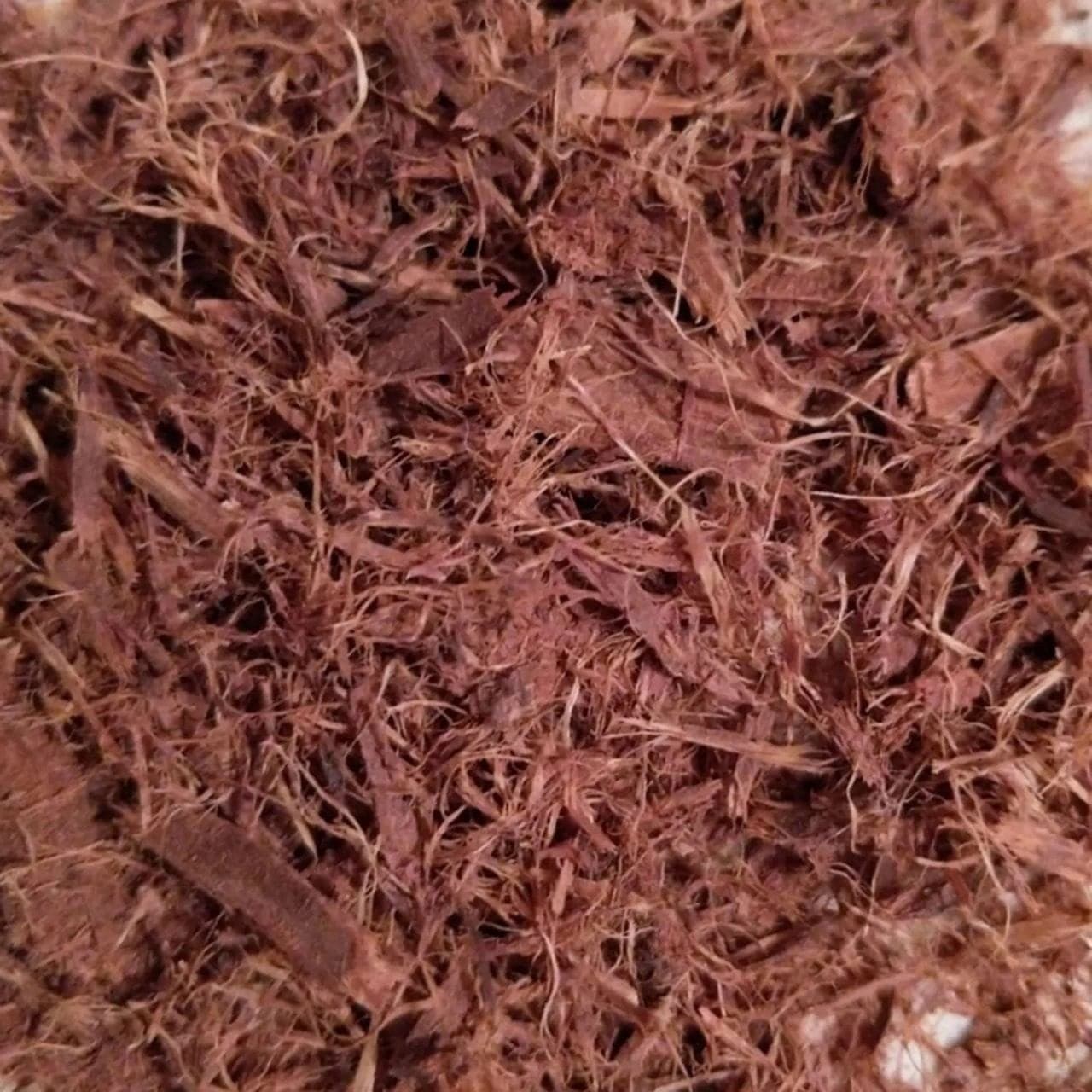
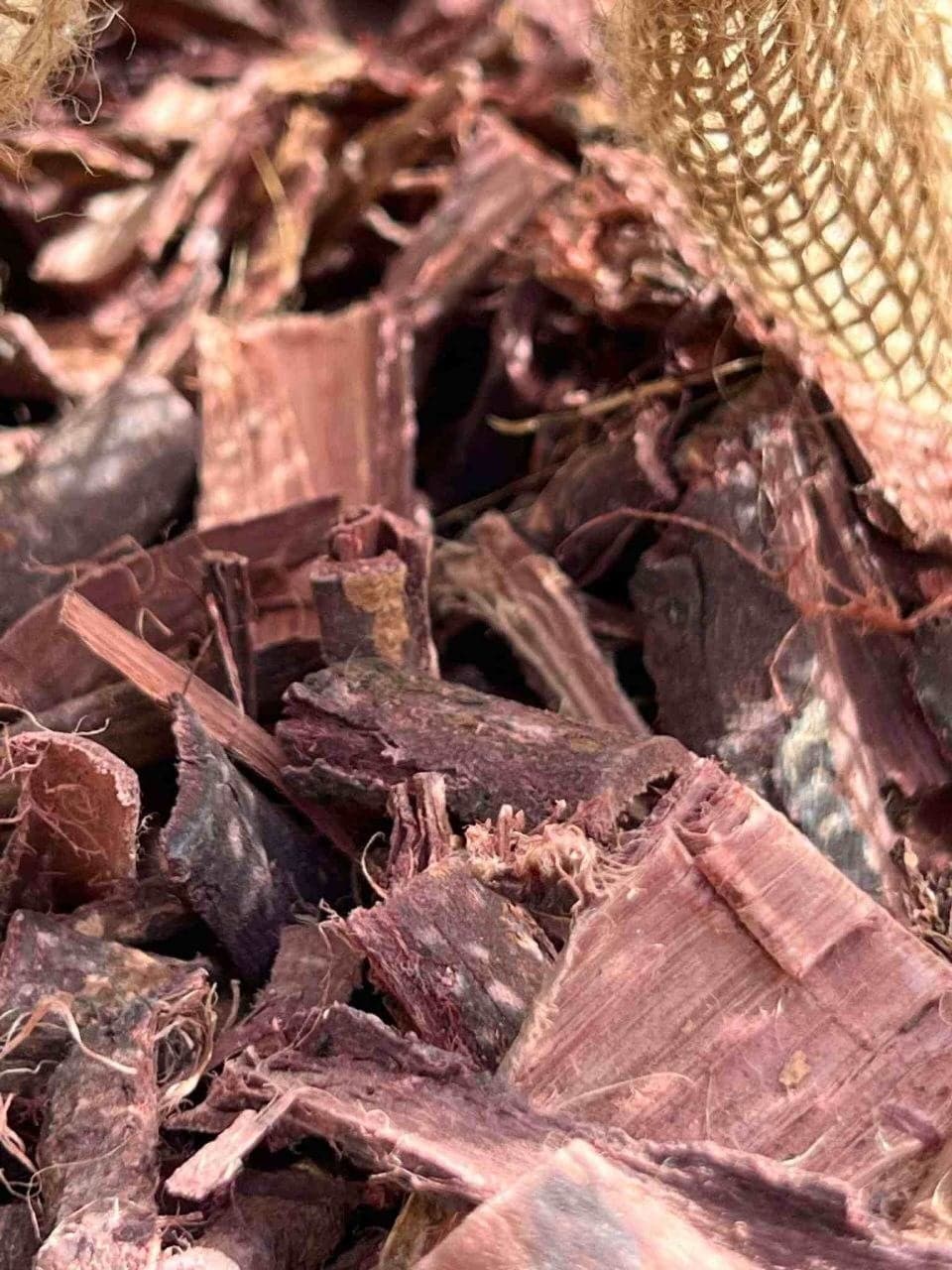
Whole Mimosa Hostilis Root Bark (Chips and Strips)
Botanical use only
$32.501/4 lb
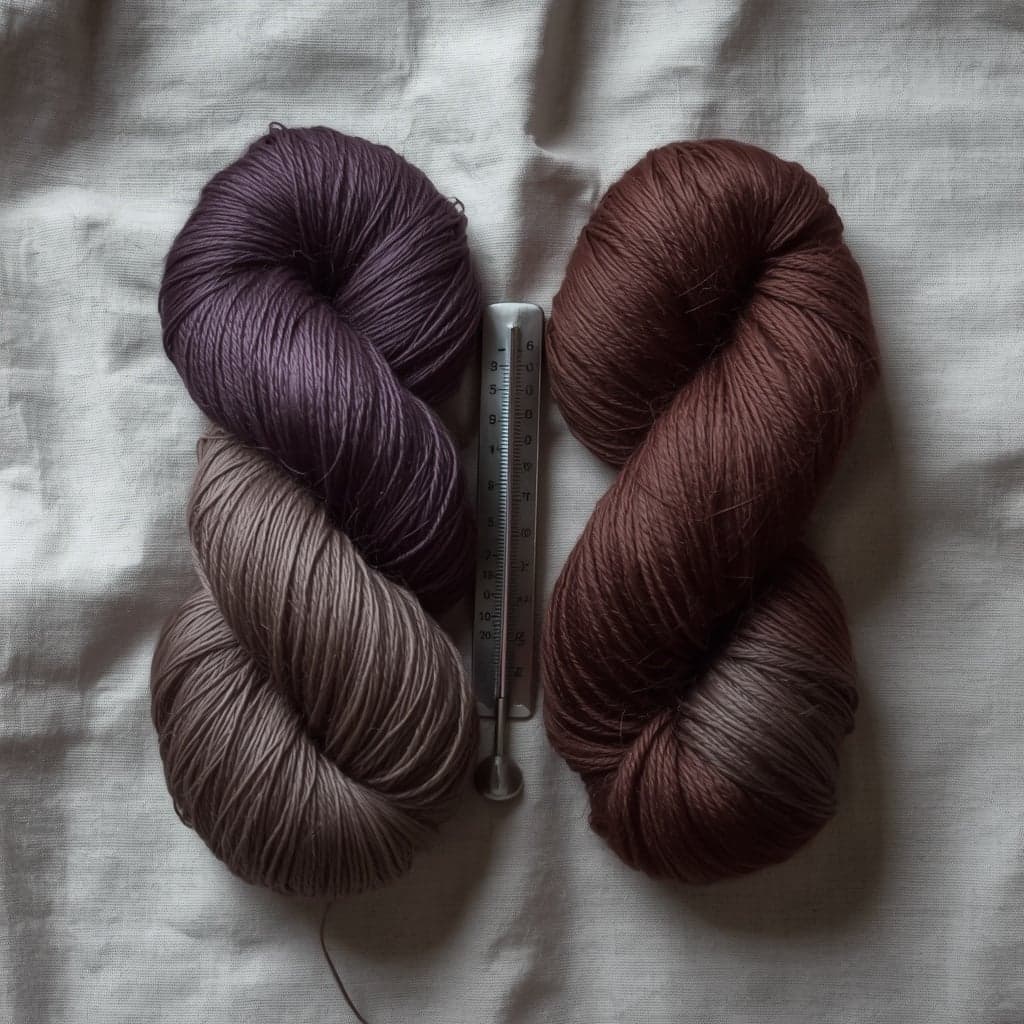
Brown is what heat does to this colour, and heat is the one mistake that cannot be undone. Hold the bath at about eighty degrees, soak the material cold overnight first, strain it out before the fibre goes in, and give the pot time instead of temperature.
Editorial desk · Written and checked in house · Updated
Every disappointed first bath we hear about has the same shape: it looked promising in the pot, then it went the colour of weak coffee and stayed there. The cause is almost always temperature, and unlike most dyeing faults it cannot be corrected afterwards.
Work at about 80°C, or 175°F. That looks like the first small bubbles forming on the base of the pot and nothing breaking the surface. If you own no thermometer, buy one before you buy more bark: it is much the cheaper of the two mistakes.
A rolling boil will take a bath to brown in minutes, and no amount of cooling brings the purple back.
Scour properly. Uneven wetting reads afterwards as patchy brownish shading, which then gets blamed on the material. Wash in hot water with a pH-neutral detergent, rinse, and keep the fibre wet until it goes in.
Use clean alum, fully dissolved. See mordanting wool before a bark bath. Crystals give hard-edged pale patches.
Soak the material cold, overnight. Colour begins moving into cold water long before heat is applied, and a bath that starts loaded gives you room to work gently rather than pushing the temperature to make something happen.
Strain before the fibre goes in. Loose material against wool is how you get specks, and powder in particular will not rinse out of the plies. See filtering a bark bath.
Go long rather than hot. Seventy per cent of the fibre weight held at the right temperature beats a hundred and twenty per cent boiled, every single time. Quantity matters less than people assume; temperature matters more.
Do not try to rescue it with acid or alkali. A pH shift on a browned skein gives you a warmer brown, not a purple.
What does work is iron. A short dip in a weak iron after-bath takes a dull brown to a genuine slate or charcoal, which is a colour worth having rather than a failed one. Keep it to one or two per cent of the fibre weight, use a separate pot, and lift the fibre out while it still looks lighter than you want, because it reads darker dry.
Get the temperature right first and change nothing else. Once purple is reliable, then bring in pH as a tool for warming or cooling the shade, and iron for depth. Trying all three at once on a first bath teaches you nothing about which one did what.
Everything described here is raw botanical material sold for dyeing, soap making and craft work. It is not food, it is not a supplement, and it is not for human consumption. Nothing on this page is a recommendation to put any of it in or on a body.
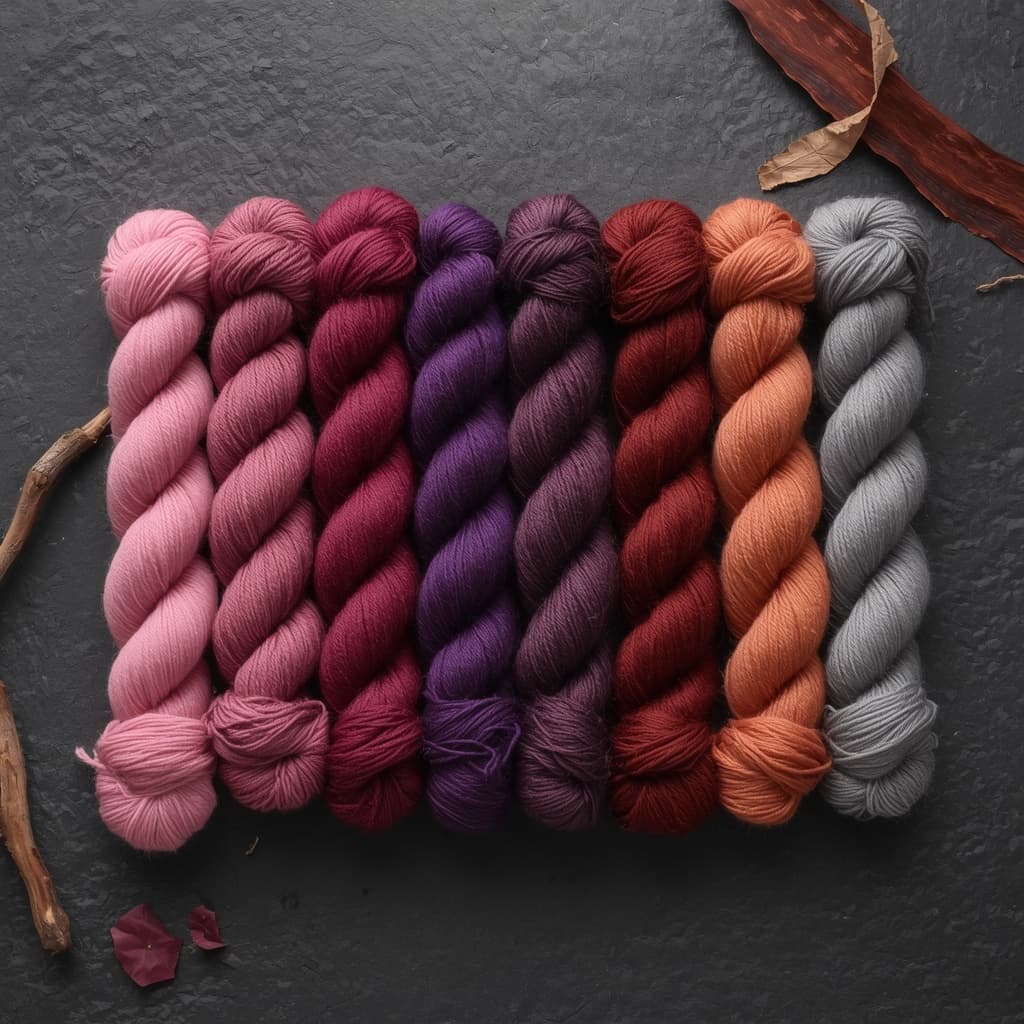
Overdyeing is dyeing one color on top of another. Mimosa hostilis gives rose to plum, so over indigo blue it makes violet and deep purple, over a yellow dye it makes peach, coral and rust, and with iron it turns grey and slate. Dye small samples first, and change only one thing between them.
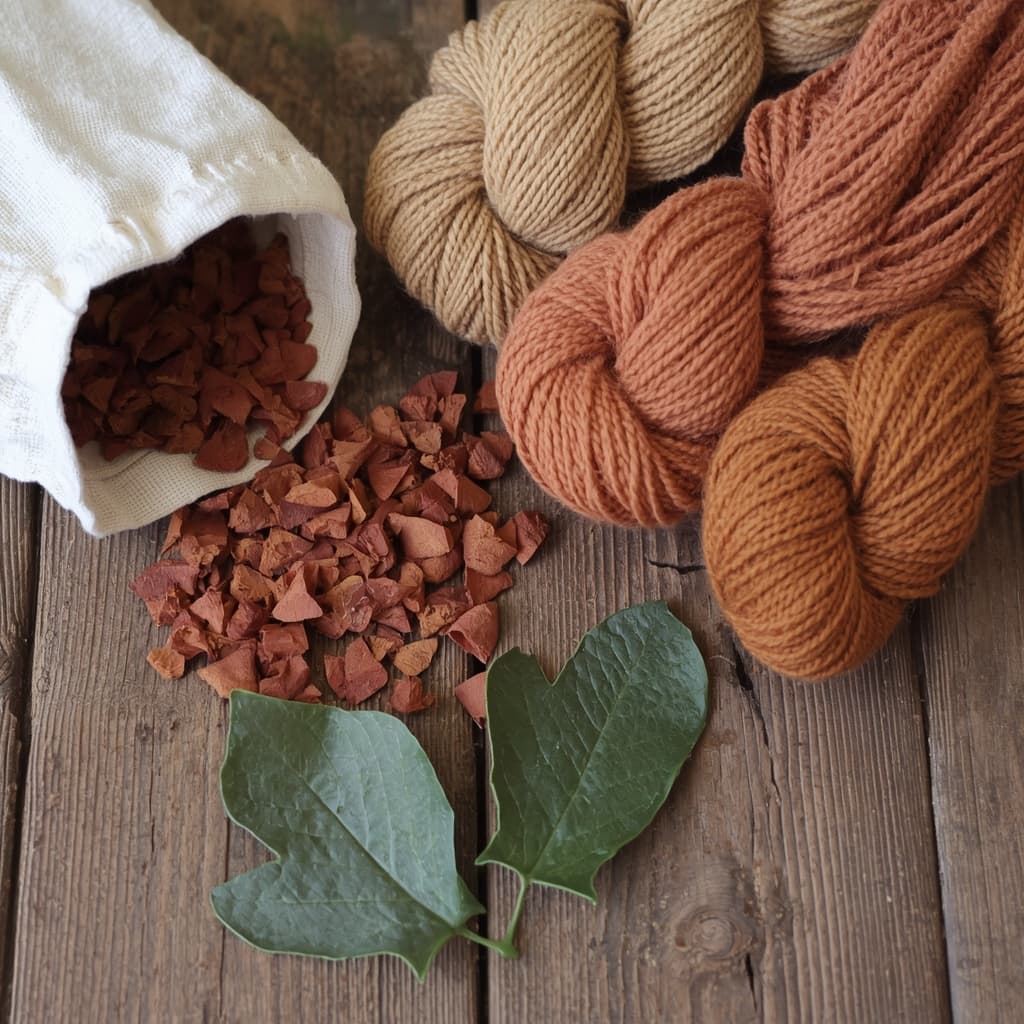
Sassafras root bark gives warm tan, rose-tan and orange-brown on wool mordanted with alum, and grey-brown with an iron afterbath. Use about a pound of bark to a pound of dry wool. Soak the bark overnight, simmer it gently for an hour, strain, then hold the mordanted wool in the bath just under a simmer for an hour and let it cool there.
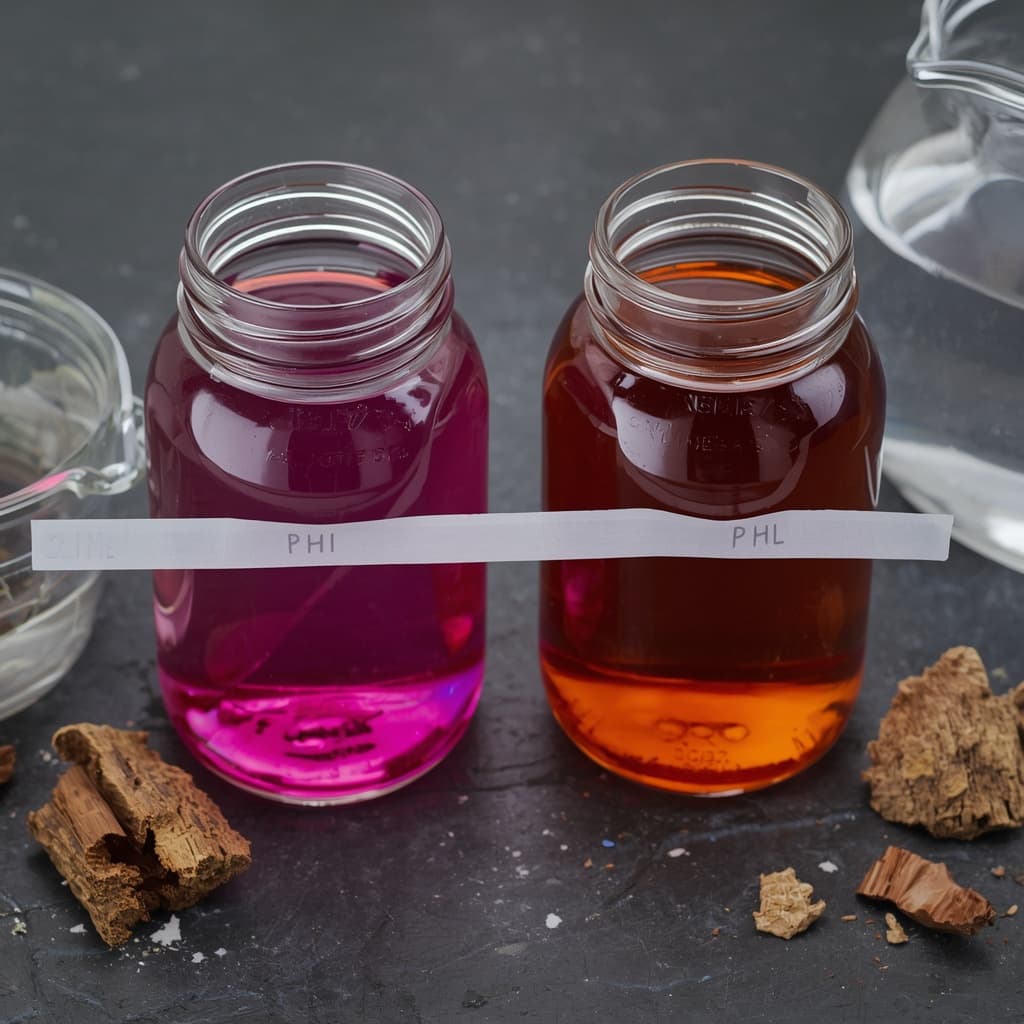
Hard water carries calcium and magnesium and usually runs alkaline, and both shift a tannin dye. With Mimosa hostilis the purples drift toward brown and the color looks duller. Iron in well water greys it further. Rainwater or distilled water is the simplest answer; a little white vinegar or citric acid, to bring the bath to about pH 5 or 6, is the next best.
Your cart is empty
Everything we sell is batch-tested, and we tell you what ships to your state before you add it.
Browse the shop