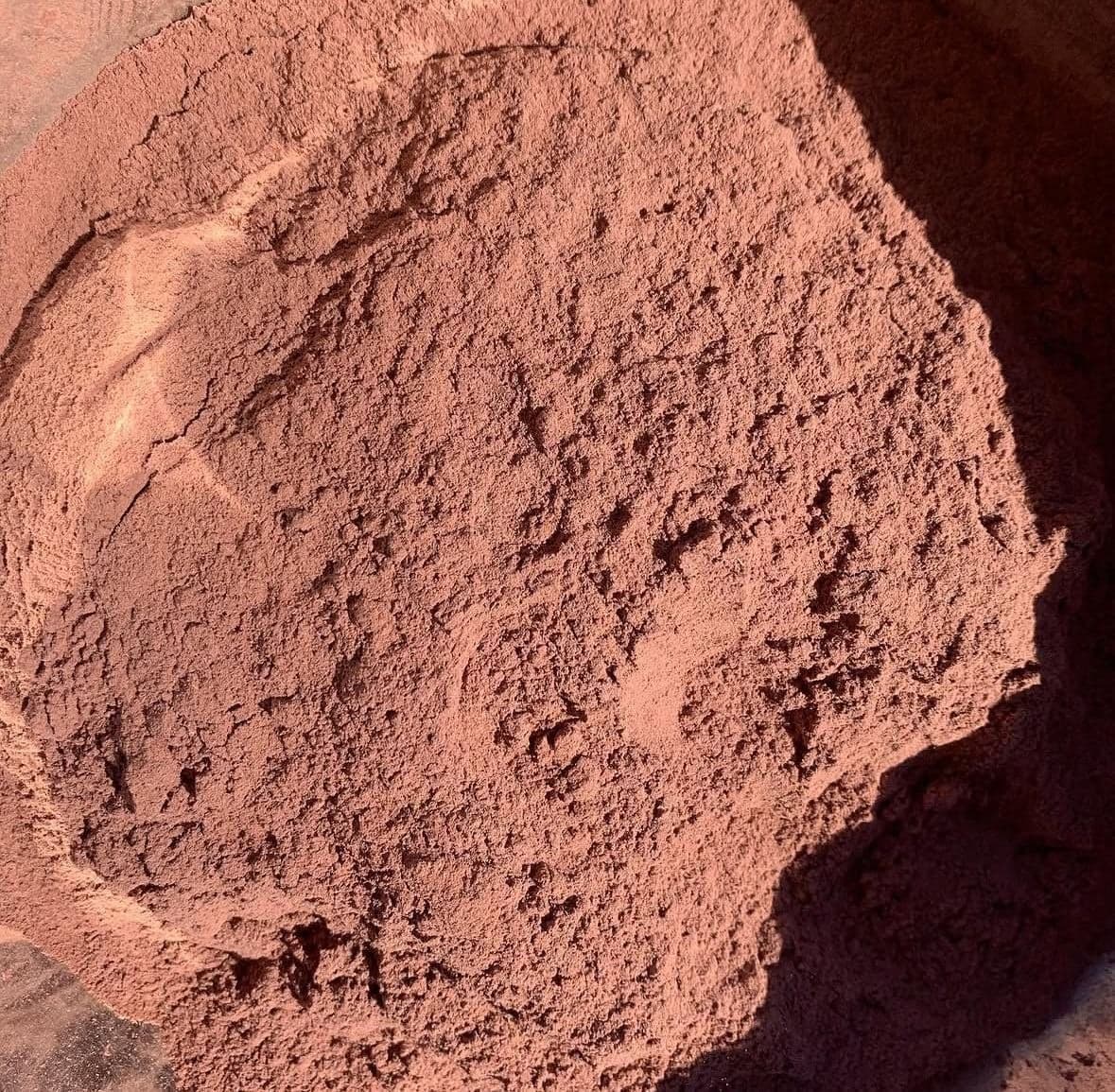
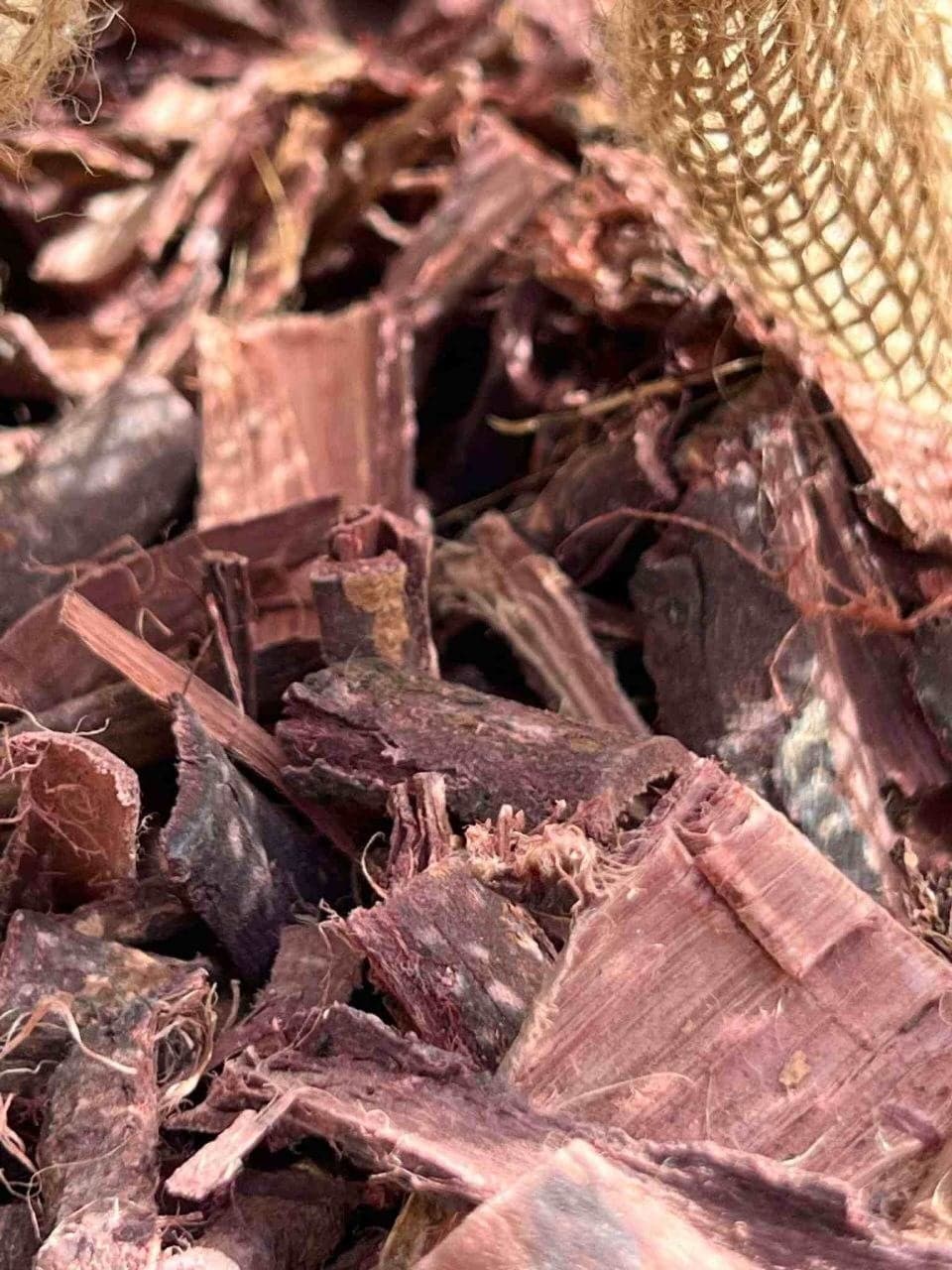
Whole Mimosa Hostilis Root Bark (Chips and Strips)
Botanical use only
$32.501/4 lb
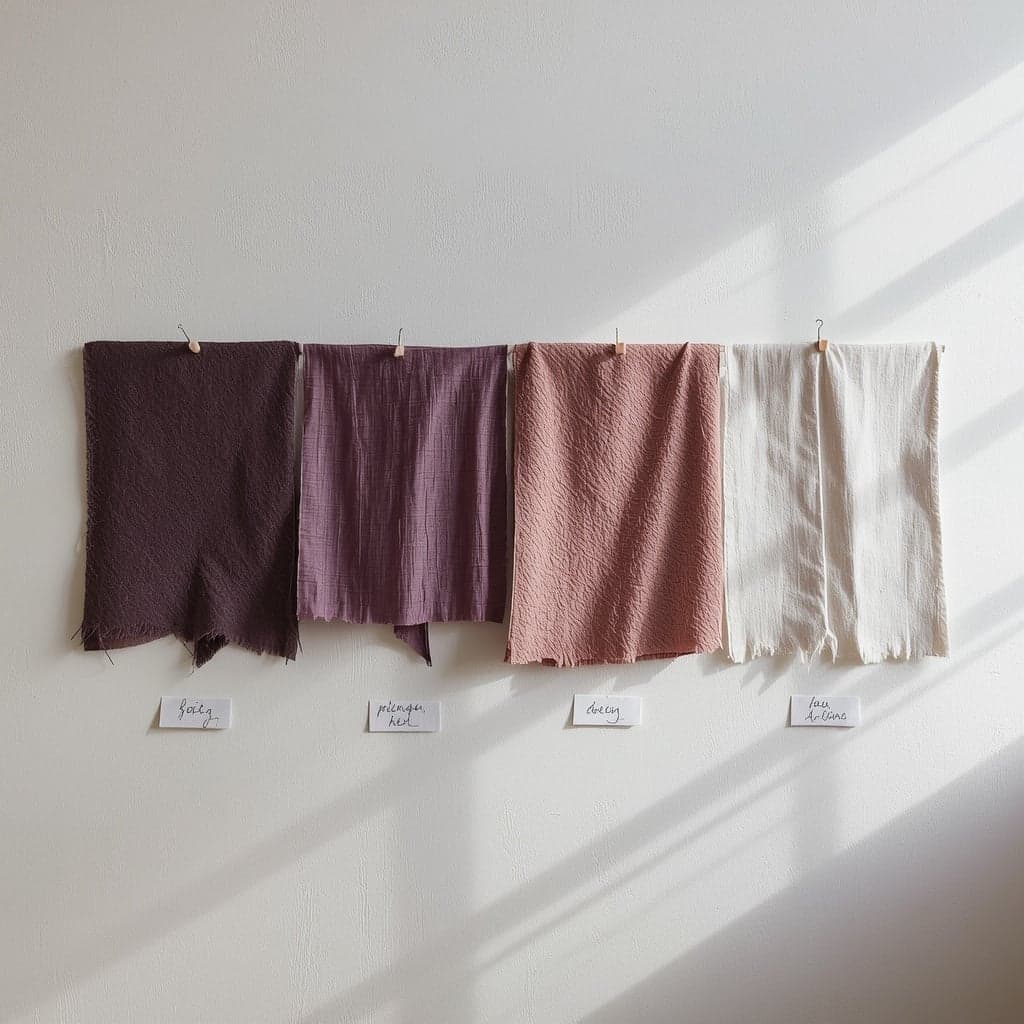
Protein fibres and plant fibres take this colour very differently. Wool and silk go deep with alum alone; cotton and linen need a tannin step and two alum baths and still land paler and browner. Dyeing them together always disappoints one of them.
Editorial desk · Written and checked in house · Updated
The same pot, the same day, the same liquid — and a wool skein comes out aubergine while the cotton beside it comes out milky tan. Nothing went wrong. They are different materials.
Protein fibres — wool, silk, alpaca, mohair — are made of chains with plenty of sites a tannin-mordant complex can bond to. They take this colour readily and deeply.
Cellulose fibres — cotton, linen, hemp, ramie — are chains of sugar with far fewer such sites. Alum alone barely holds, which is why so many first attempts on a cotton shirt wash out to nothing.
| Step | Wool and silk | Cotton and linen |
|---|---|---|
| Scour | Hot water, neutral detergent | Hot wash; linen benefits from a soda ash boil |
| Mordant | Alum at 10 to 15% | Tannin, then alum, then alum again |
| Bath temperature | About 80°C / 175°F | Up to 90°C / 195°F is fine |
| Handling | No agitation — it felts | Agitate freely |
| Result to expect | Deep purple to maroon | Muted mauve, tan, warm brown |
The three-step cellulose sequence is the whole difference. Tannin first gives the fibre something to hold; alum after it fixes that; a second alum bath deepens it further. Skipping it is the commonest cause of a cotton piece that looked fine wet and pale after one wash.
Wool cannot go above about 80°C without risking felting, and it must not be agitated at temperature. Linen is happier hotter and does not care how much you stir it. A bath that suits one is the wrong bath for the other, which is why mixed-fibre dyeing ends in a compromise neither fibre wanted.
If you must dye both from one batch of bark, dye the wool first at its own temperature, then run the cotton through the second bath hotter and for longer.
A wool-cotton blend takes colour on the wool and much less on the cotton, which reads as a heather rather than a solid. That can be the point. Just decide it deliberately rather than discovering it.
Everything described here is raw botanical material sold for dyeing, soap making and craft work. It is not food, it is not a supplement, and it is not for human consumption. Nothing on this page is a recommendation to put any of it in or on a body.
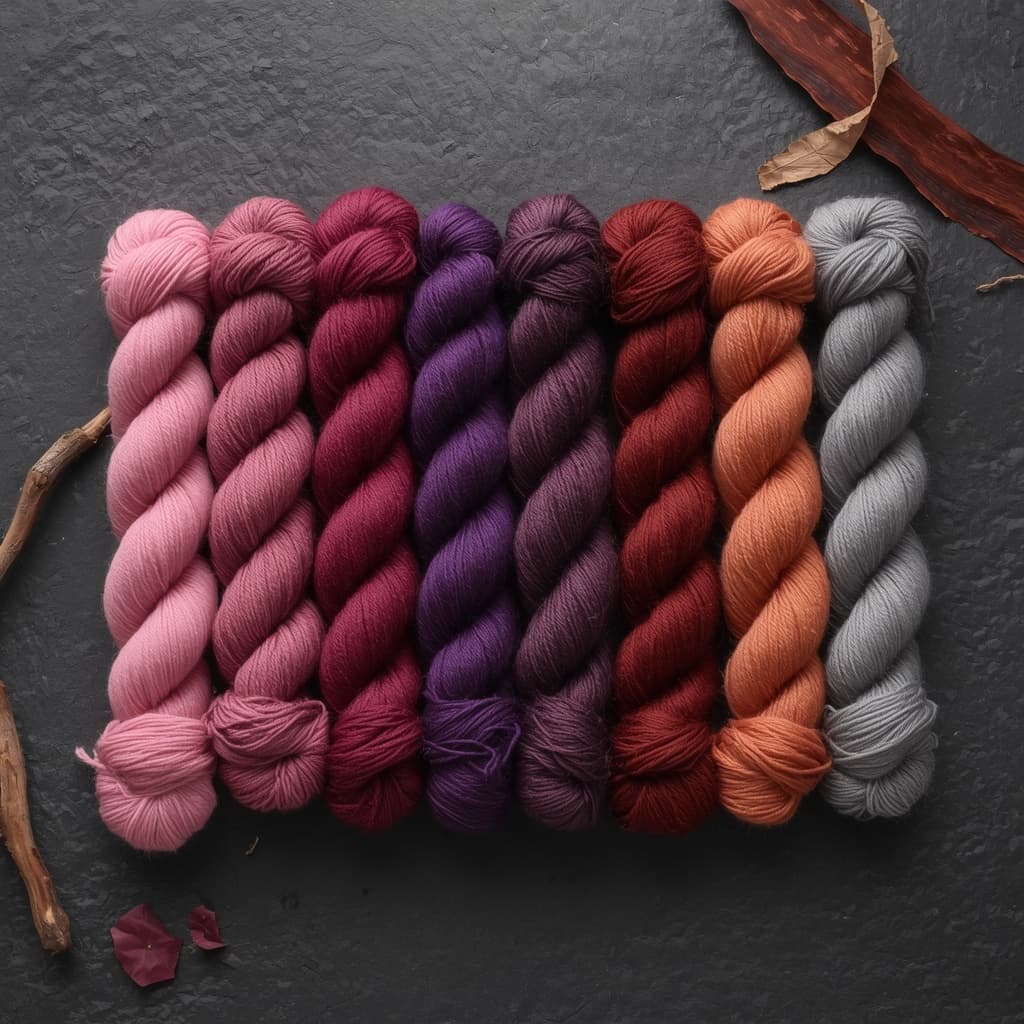
Overdyeing is dyeing one color on top of another. Mimosa hostilis gives rose to plum, so over indigo blue it makes violet and deep purple, over a yellow dye it makes peach, coral and rust, and with iron it turns grey and slate. Dye small samples first, and change only one thing between them.
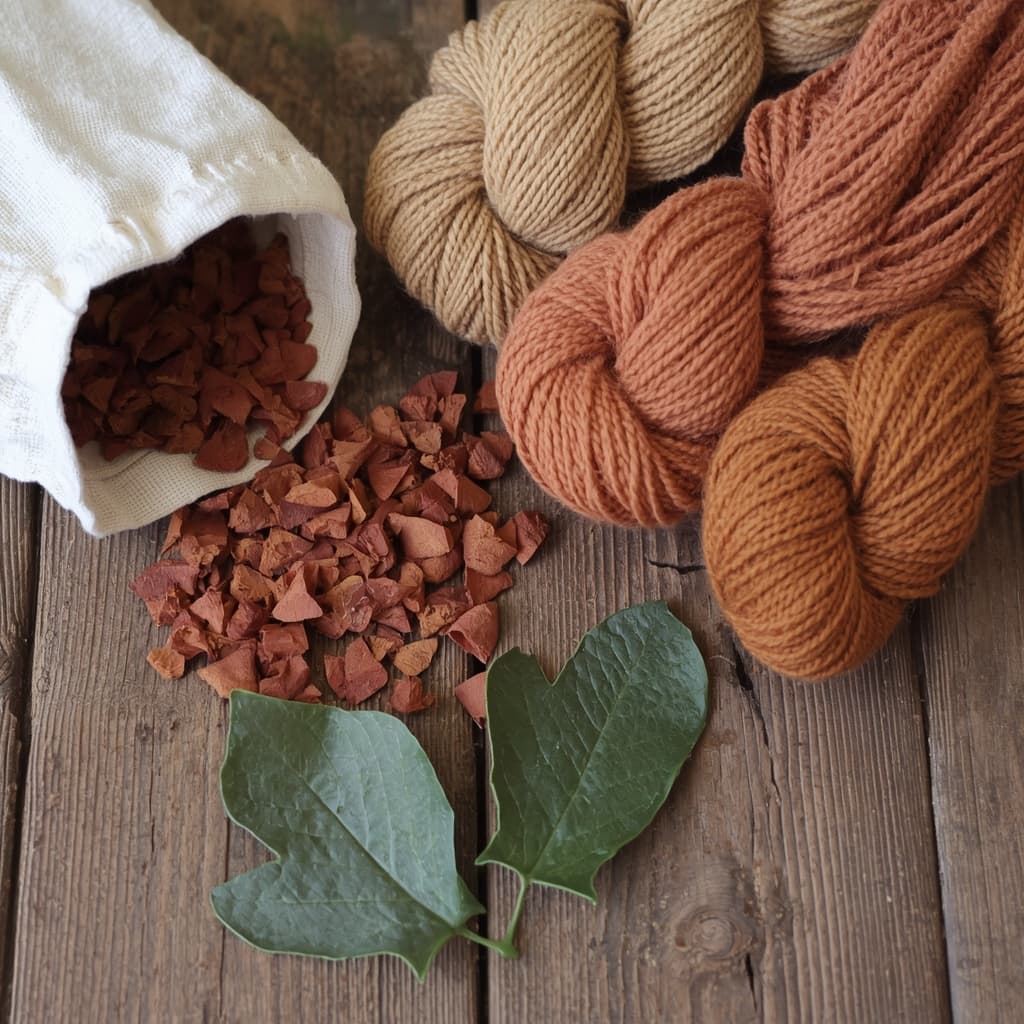
Sassafras root bark gives warm tan, rose-tan and orange-brown on wool mordanted with alum, and grey-brown with an iron afterbath. Use about a pound of bark to a pound of dry wool. Soak the bark overnight, simmer it gently for an hour, strain, then hold the mordanted wool in the bath just under a simmer for an hour and let it cool there.
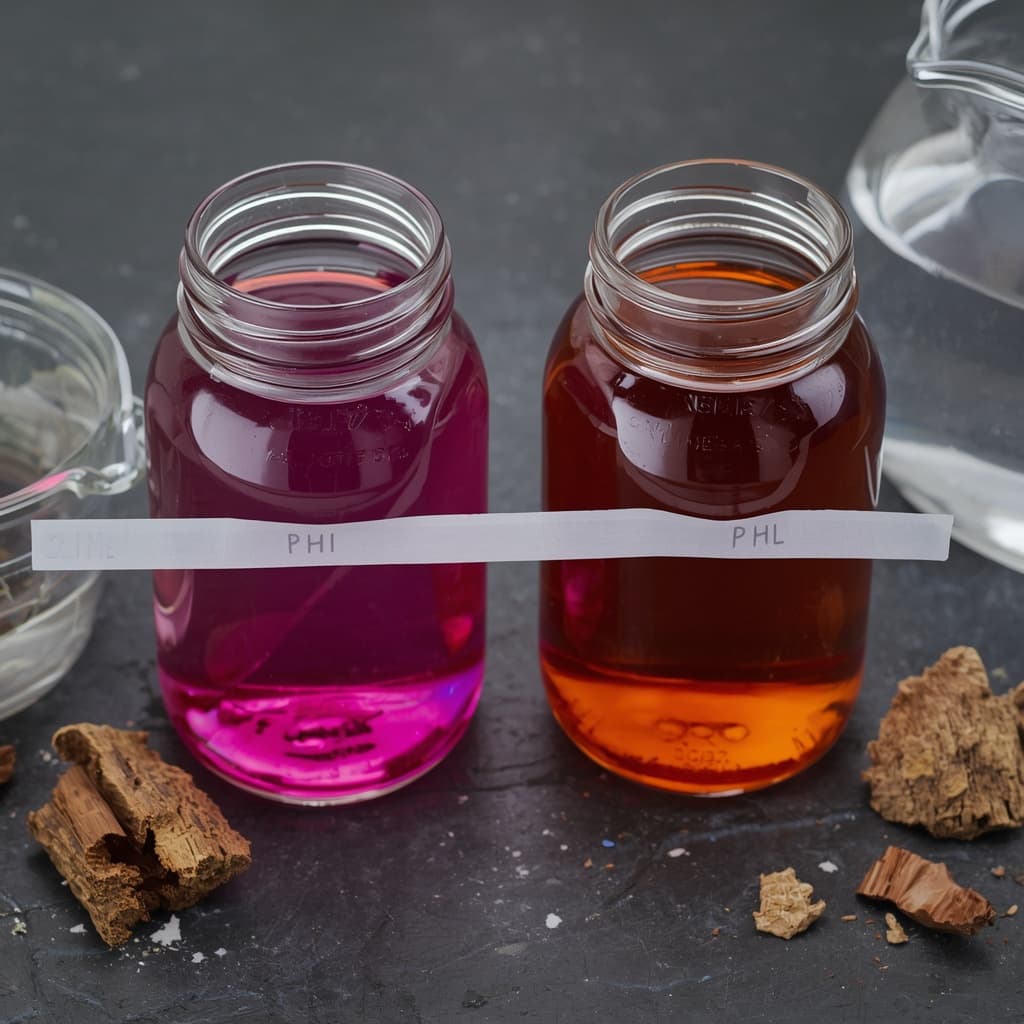
Hard water carries calcium and magnesium and usually runs alkaline, and both shift a tannin dye. With Mimosa hostilis the purples drift toward brown and the color looks duller. Iron in well water greys it further. Rainwater or distilled water is the simplest answer; a little white vinegar or citric acid, to bring the bath to about pH 5 or 6, is the next best.
Your cart is empty
Everything we sell is batch-tested, and we tell you what ships to your state before you add it.
Browse the shop