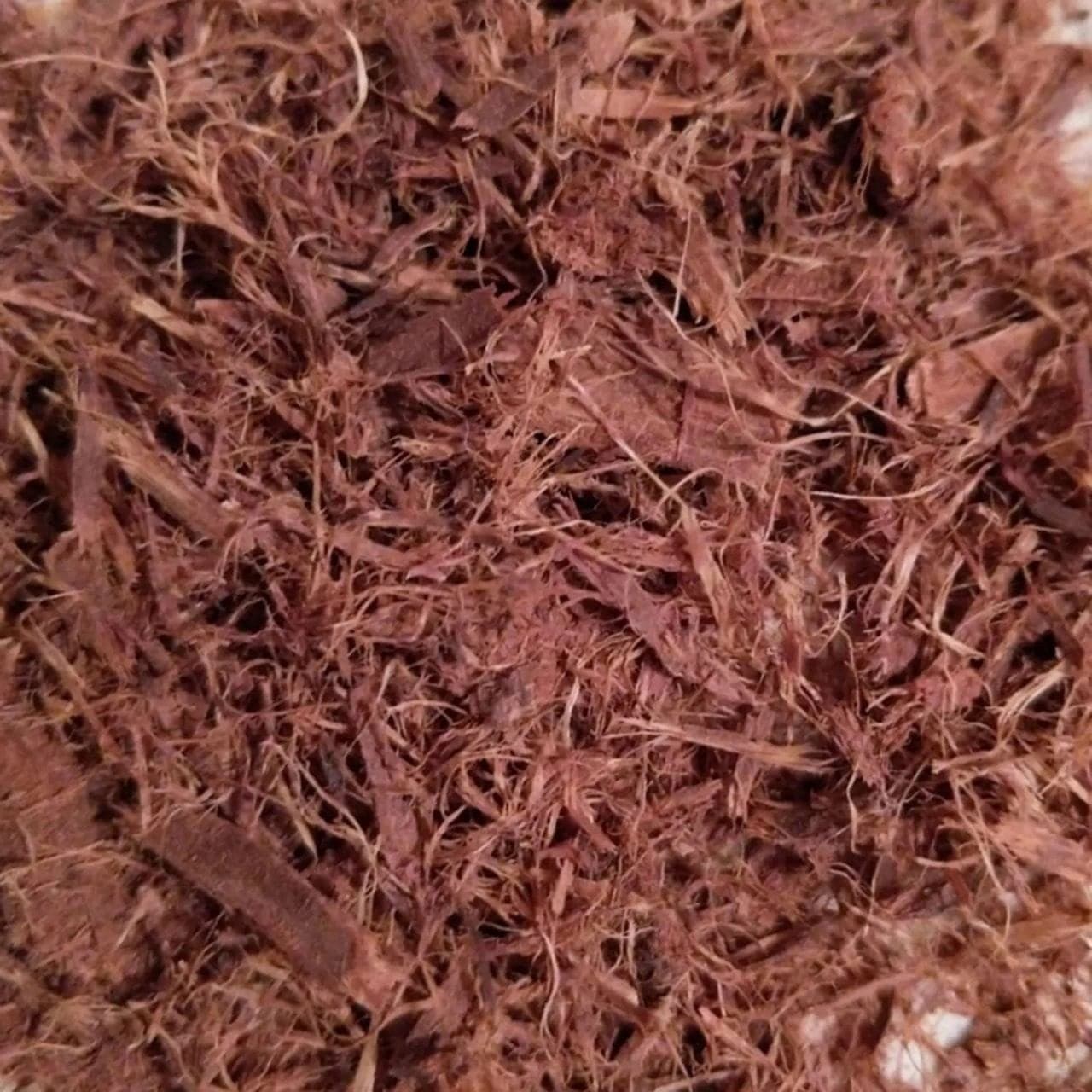
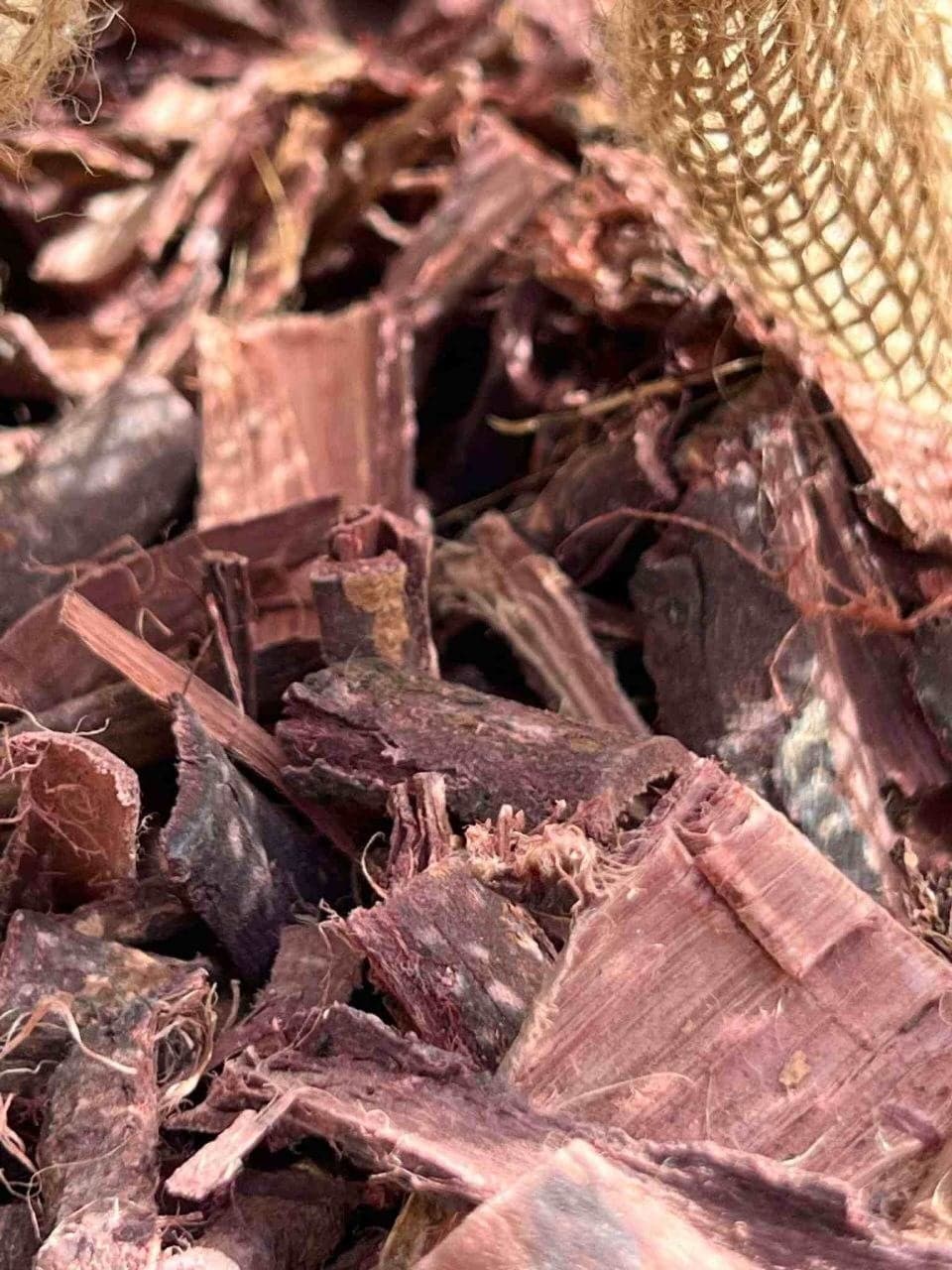
Whole Mimosa Hostilis Root Bark (Chips and Strips)
Botanical use only
$32.501/4 lb
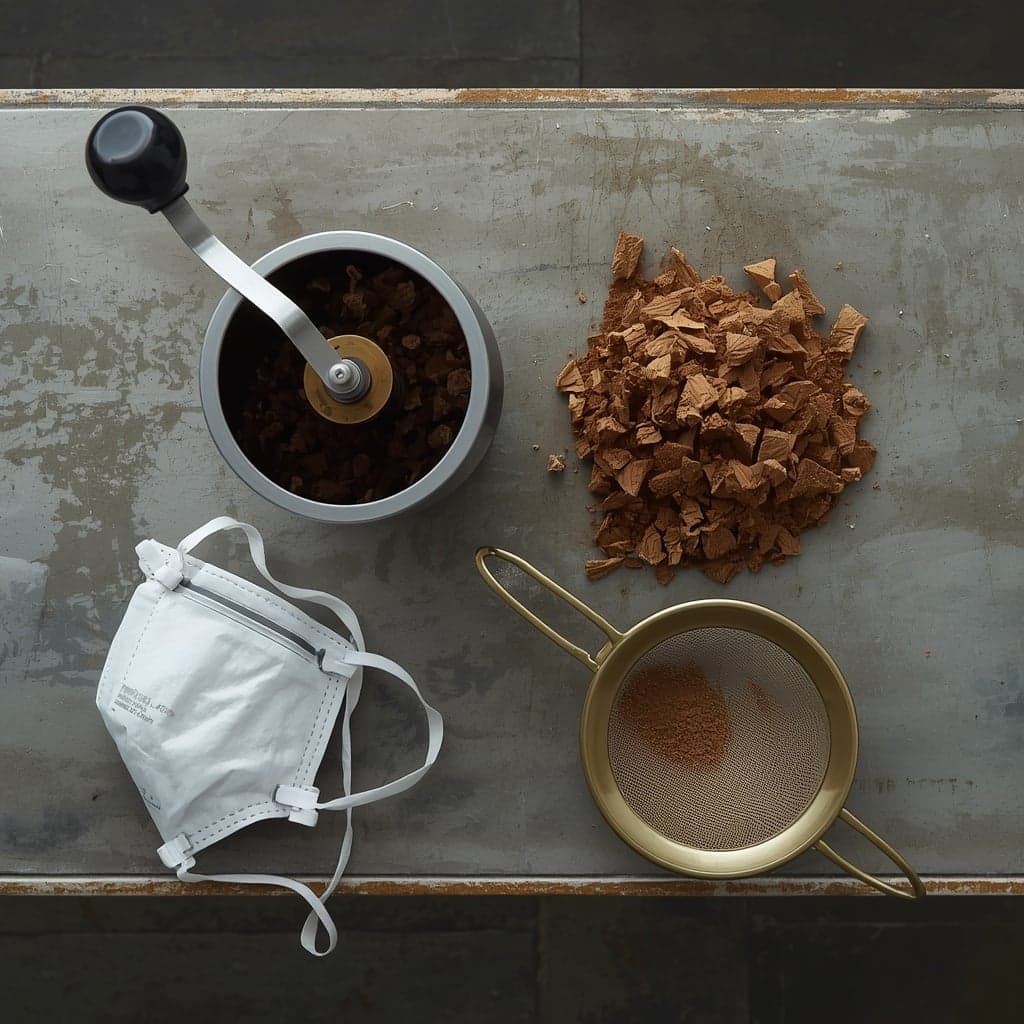
A coffee or spice grinder will take shredded bark to a usable powder in short bursts, sieved between passes. It is worth doing when you want one cut in the cupboard and both in the pot; it is not worth doing for volume, because domestic grinders overheat and the dust is considerable.
Editorial desk · Written and checked in house · Updated
Buying shredded bark and milling what you need gives you both cuts from one purchase. Shredded stores better, re-baths better and is easier to strain; powder loads a bath fast. Milling in small amounts lets you choose per project.
| Tool | Verdict |
|---|---|
| Blade coffee or spice grinder | Best domestic option. Short bursts, small loads. |
| Blender | Chops rather than mills; fine for a coarse grind only. |
| Burr coffee grinder | Avoid — fibrous bark jams the burrs. |
| Mortar and pestle | Works, slowly, for very small amounts. |
| Hammer mill | The right tool, and rarely worth owning for this. |
Keep a grinder for this and do not use it for food afterwards. Tannin and aroma both persist.
1. Start with dry material. Anything damp gums the chamber and mills to a paste. 2. Break long pieces down by hand or with shears first. 3. Load no more than a third full. 4. Run in five-second bursts, shaking the grinder between them. Continuous running heats the material and the motor. 5. Sieve through a kitchen strainer. Return the coarse fraction for another pass. 6. Let the dust settle for a minute before opening the lid.
Two or three passes gives a powder fine enough for a dye bath. For soap you want it finer still — sieve through a very fine mesh and re-mill whatever will not pass.
A grinder run continuously gets hot enough to smell, and a scorched batch dyes browner than it should. If the chamber is warm to the touch, stop and let it cool. The five-second rule exists for this reason, not to protect the motor.
Milling is the dustiest thing you will do with this material. Mask, eye protection, outdoors or by an open door, and a damp wipe afterwards. See working safely with fine milled bark.
If you need more than a few ounces, buy it milled. A domestic grinder does perhaps two ounces before it needs a rest, the particle size is less even than a proper mill gives, and uneven particle size is exactly what makes a bath unpredictable. See why particle size changes everything in a dye pot.
Everything described here is raw botanical material sold for dyeing, soap making and craft work. It is not food, it is not a supplement, and it is not for human consumption. Nothing on this page is a recommendation to put any of it in or on a body.

We are a US business first, but we also ship Mimosa hostilis and sassafras root bark to other countries. Each international order is quoted separately, because the cost of sending bark abroad depends on its weight. Ask through the bulk enquiry form, choose Outside the United States, and check your own country's import rules for plant material before you order.
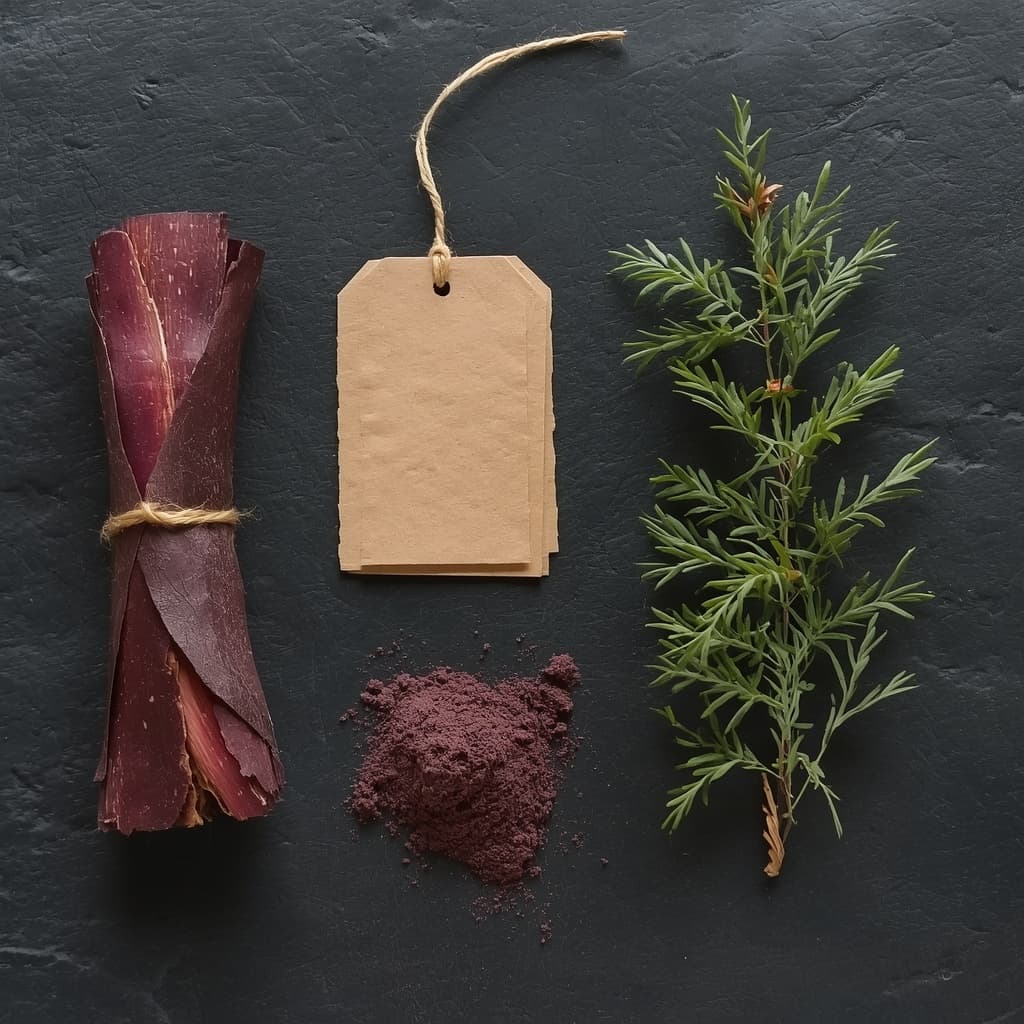
Mimosa hostilis and Mimosa tenuiflora are the same tree. Mimosa tenuiflora is the botanical name in current use and Mimosa hostilis is an older synonym that the dye trade kept. Jurema preta and tepezcohuite are its common names. It is not the leather trade's mimosa, the sensitive plant, or the pink-flowered mimosa tree of American gardens.
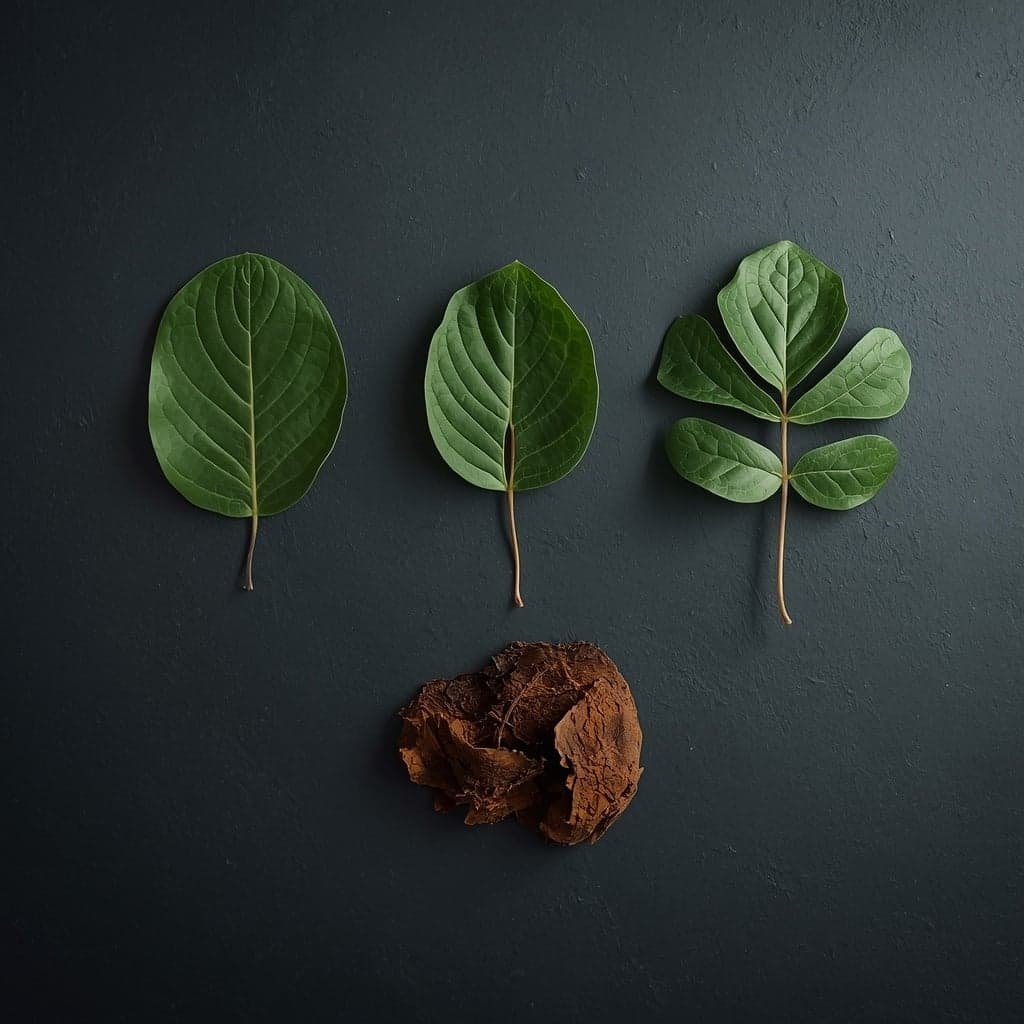
Sassafras albidum is a small deciduous tree of eastern North America, recognised by three leaf shapes on the same branch: unlobed oval, two-lobed mitten and three-lobed. Its aromatic root bark is used by dyers for rose-tan and orange-brown shades, and greys with an iron modifier.
Your cart is empty
Everything we sell is batch-tested, and we tell you what ships to your state before you add it.
Browse the shop