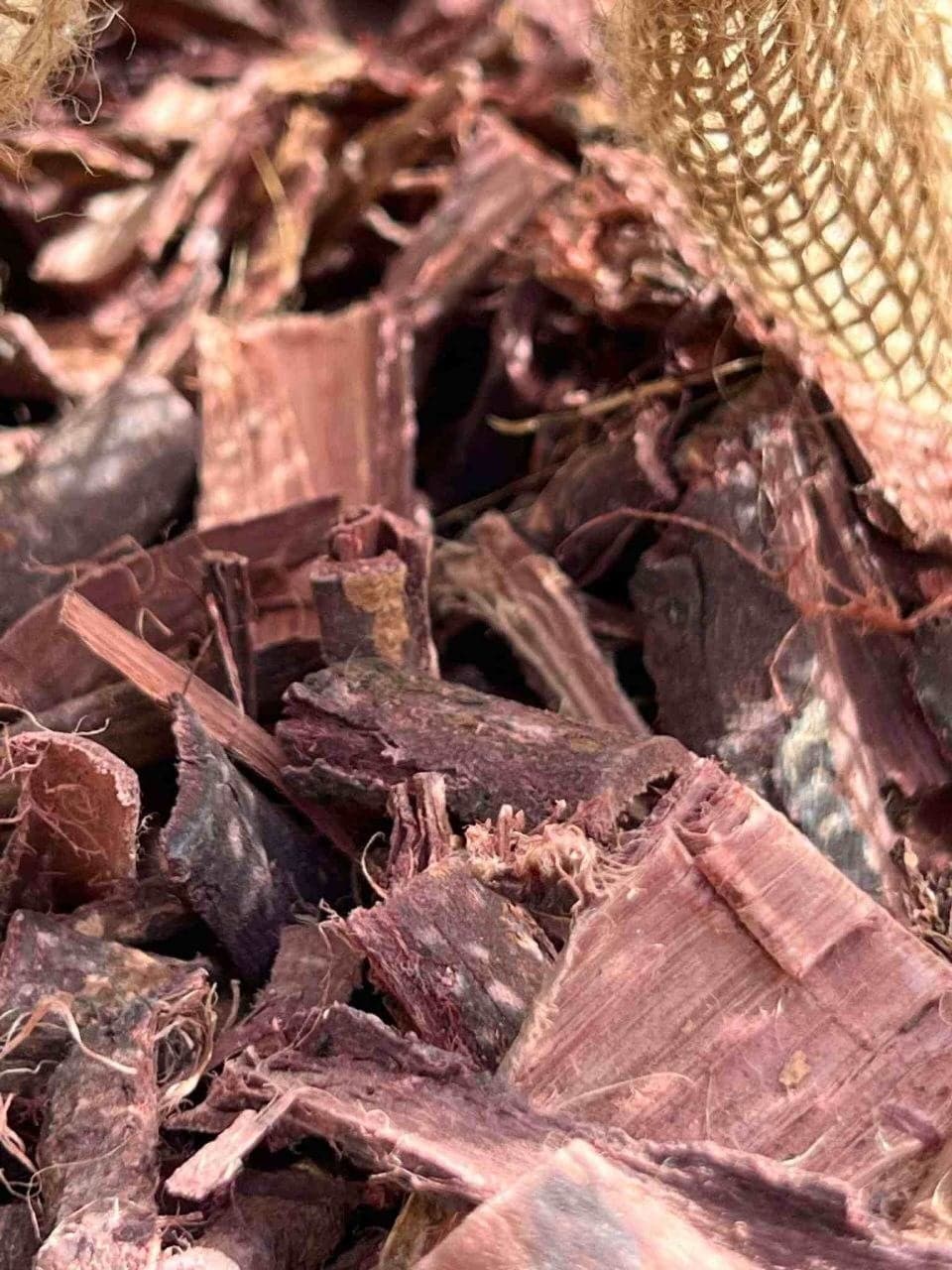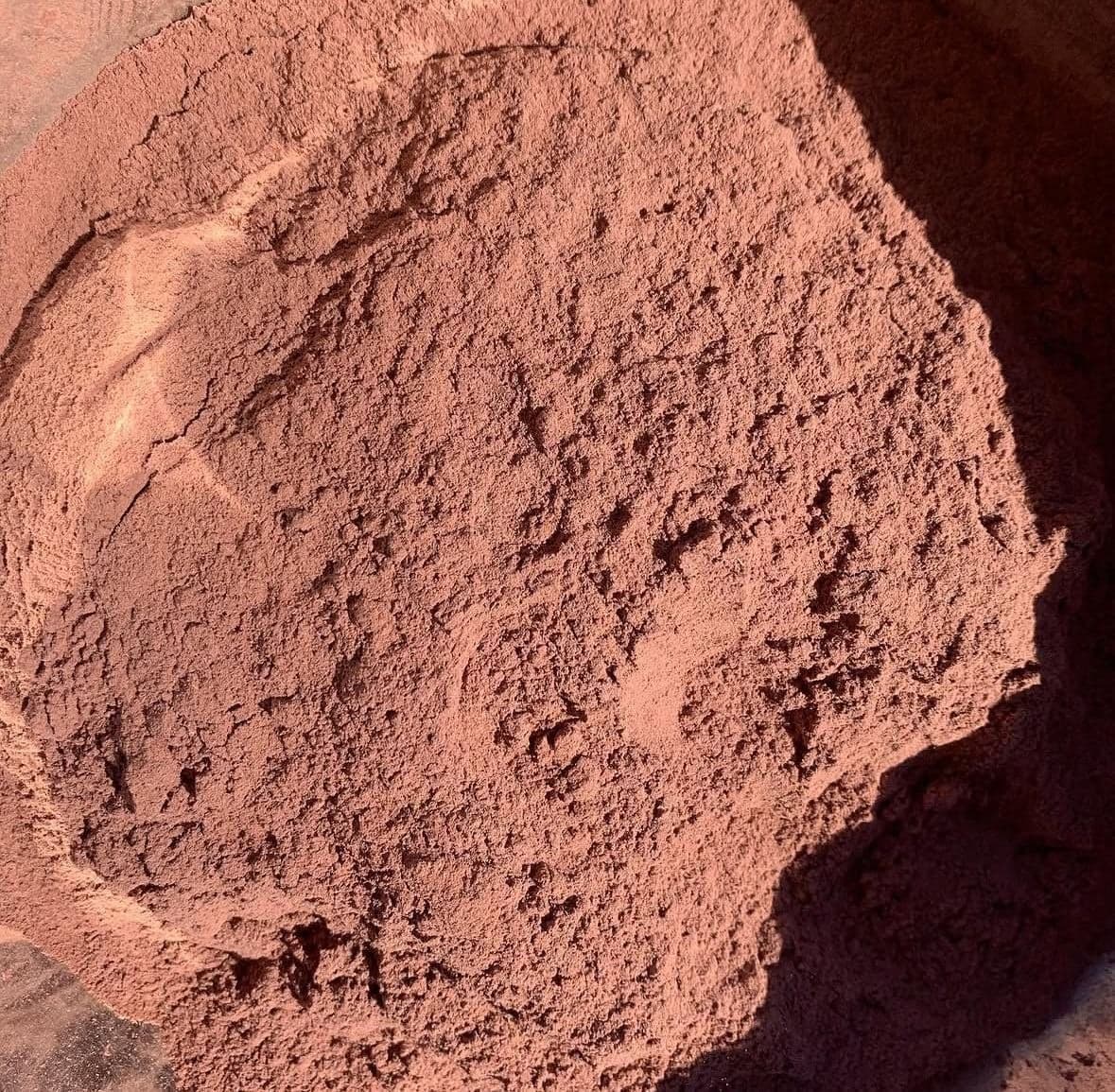
Mimosa Hostilis Root Bark Powder
Botanical use only
$37.501/4 lb

Any finely milled plant material makes an airborne dust that irritates eyes, nose and airways. Open the bag at waist height in still air, wear a fitted P2 or N95 mask when weighing or milling, wipe surfaces damp rather than sweeping, and keep it away from food areas and pets.
Editorial desk · Written and checked in house · Updated
This is the least interesting article on the site and the one most worth reading before your first pound of powder arrives. Fine botanical dust is a nuisance and an irritant, and every measure below is ordinary workshop practice rather than anything dramatic.
Milling multiplies surface area, which is exactly why powder dyes faster — and it is the same property that puts material into the air. A shredded bark barely raises dust. An opened bag of fine powder in a draught will coat a room.
Work where air moves gently and away from you — a garage with the door open, a bench near a window with an extractor. Still air is better than a draught that lifts the dust, and both are better than a small closed room.
Milling is where the dust is worst. Let the grinder stand for a minute after it stops so the cloud inside settles before you open it, and do it outdoors if you can. See milling your own powder at home.
Do not vacuum a spill with a household vacuum: most of them pass fine dust straight through the exhaust and distribute it. Damp paper towel, then a damp wipe of the area, then wash the cloth separately.
Everything described here is raw botanical material sold for dyeing, soap making and craft work. It is not food, it is not a supplement, and it is not for human consumption. Nothing on this page is a recommendation to put any of it in or on a body.

We are a US business first, but we also ship Mimosa hostilis and sassafras root bark to other countries. Each international order is quoted separately, because the cost of sending bark abroad depends on its weight. Ask through the bulk enquiry form, choose Outside the United States, and check your own country's import rules for plant material before you order.
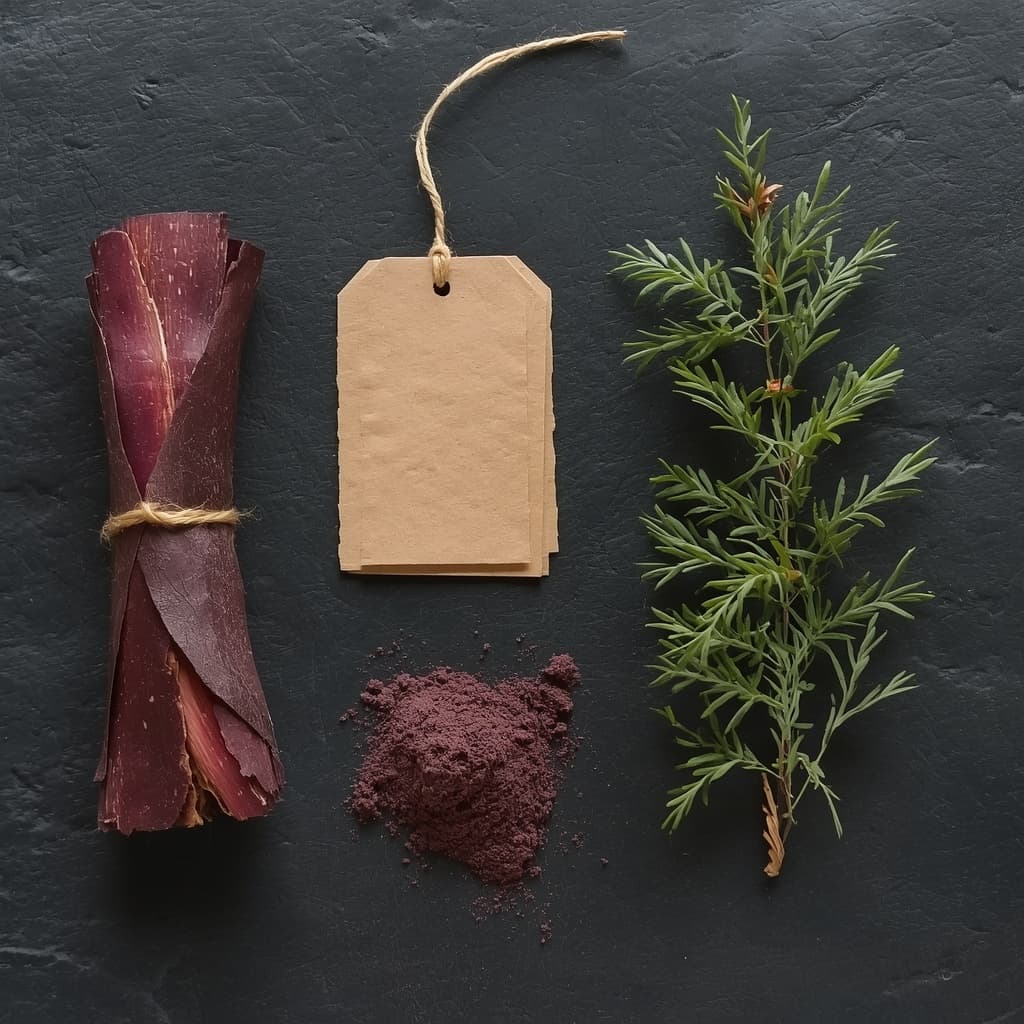
Mimosa hostilis and Mimosa tenuiflora are the same tree. Mimosa tenuiflora is the botanical name in current use and Mimosa hostilis is an older synonym that the dye trade kept. Jurema preta and tepezcohuite are its common names. It is not the leather trade's mimosa, the sensitive plant, or the pink-flowered mimosa tree of American gardens.
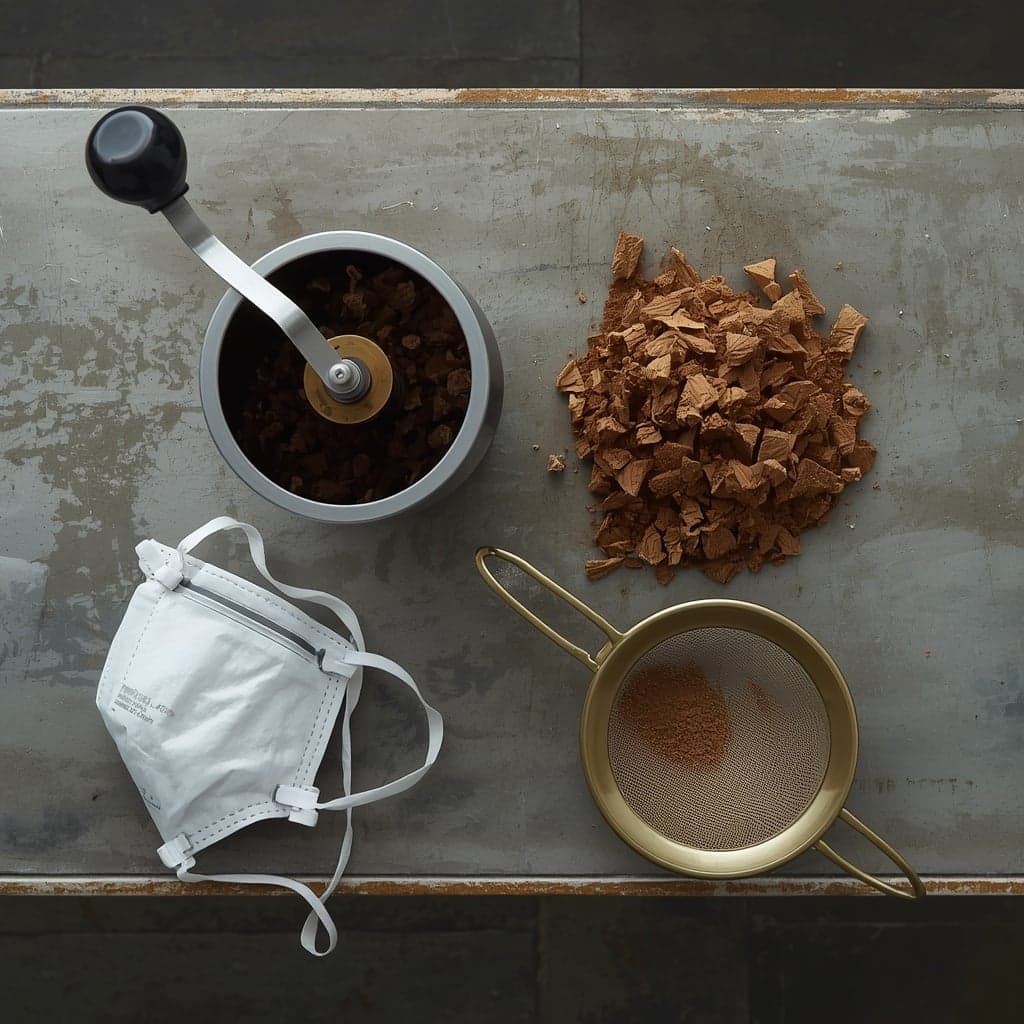
A coffee or spice grinder will take shredded bark to a usable powder in short bursts, sieved between passes. It is worth doing when you want one cut in the cupboard and both in the pot; it is not worth doing for volume, because domestic grinders overheat and the dust is considerable.
Your cart is empty
Everything we sell is batch-tested, and we tell you what ships to your state before you add it.
Browse the shop