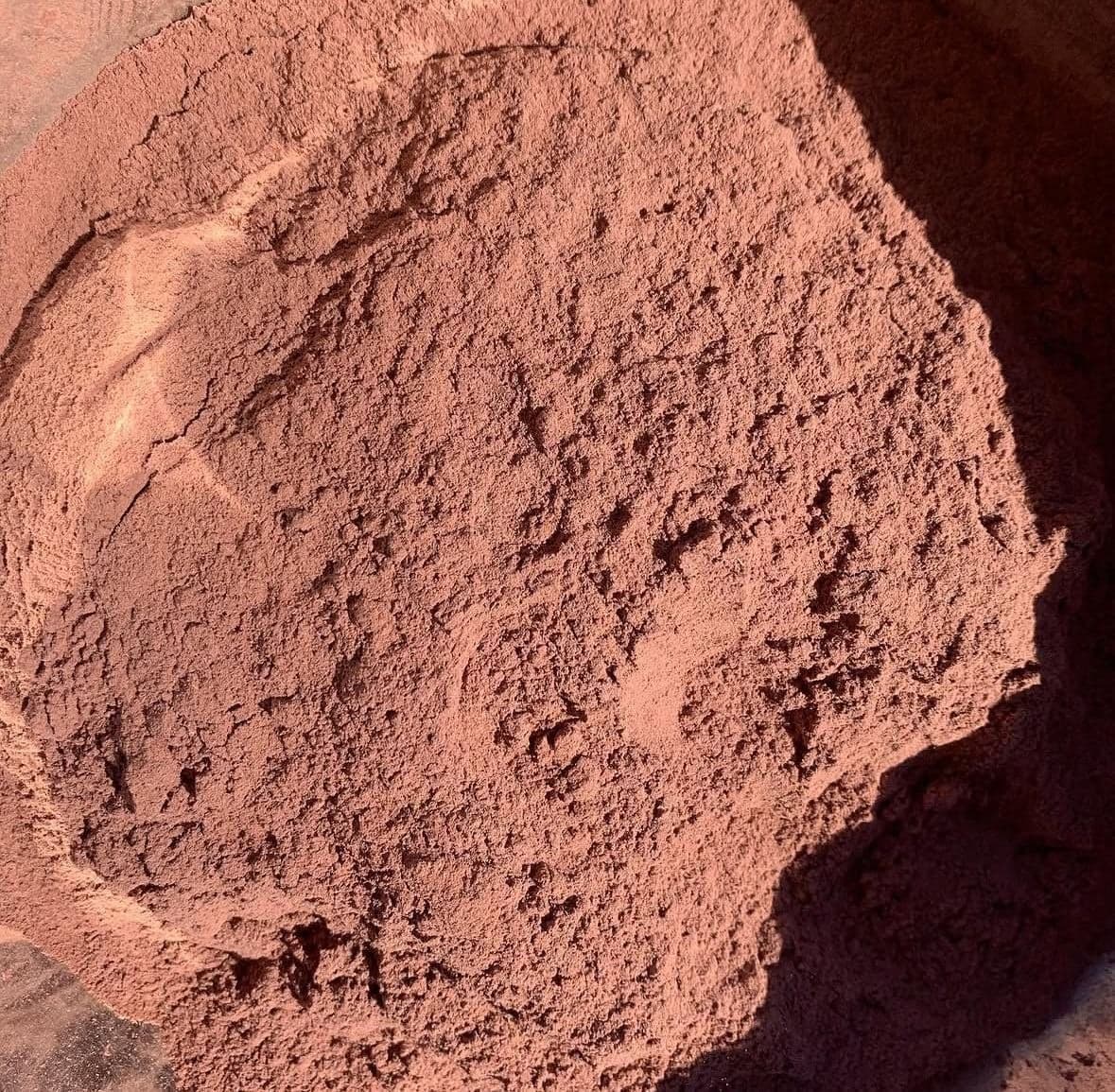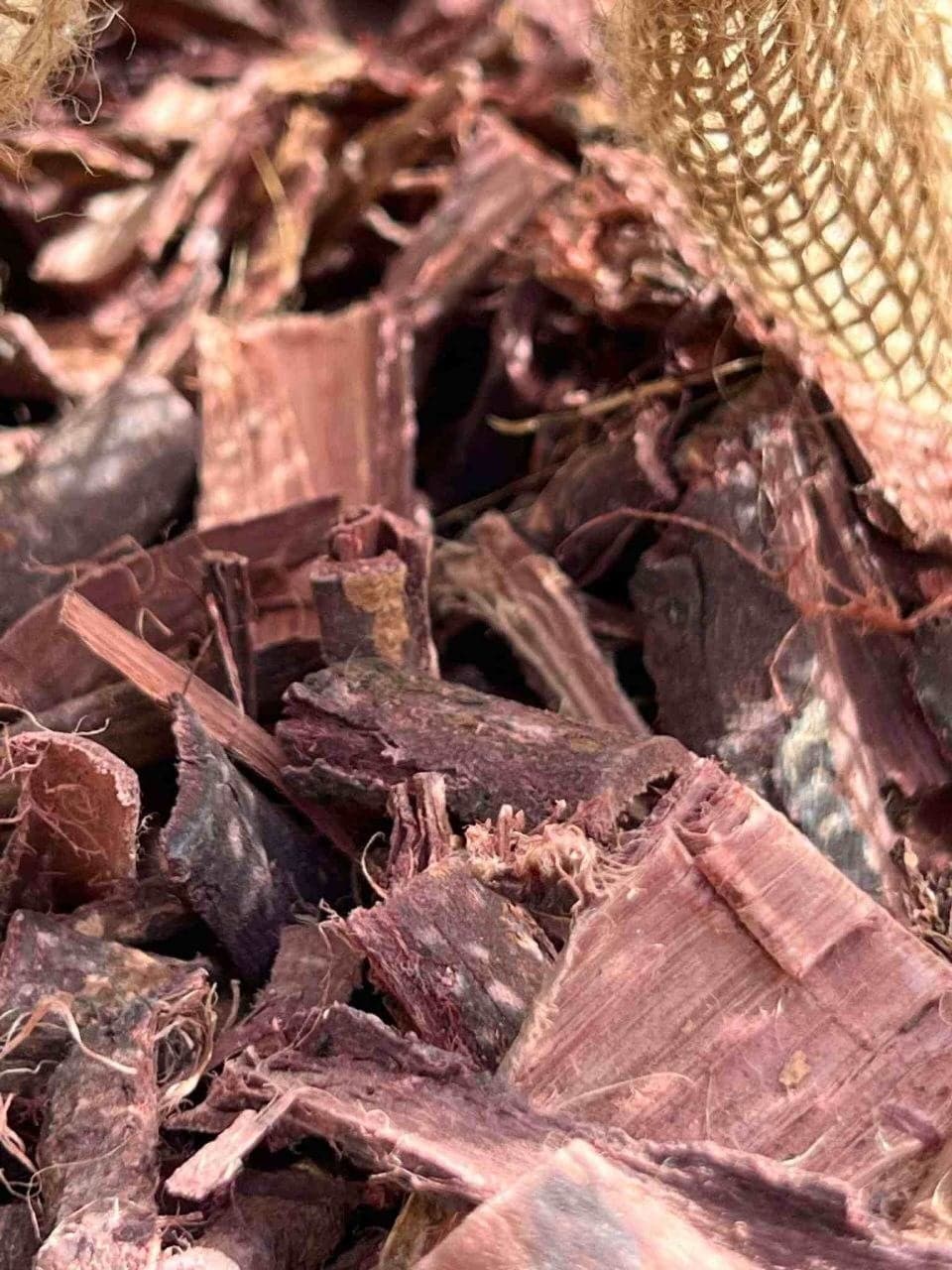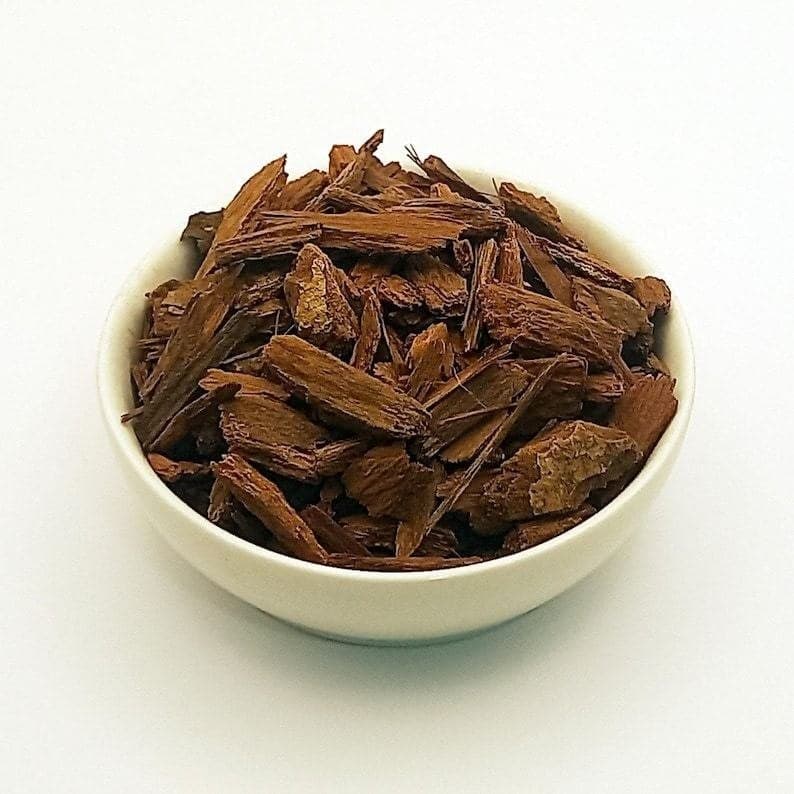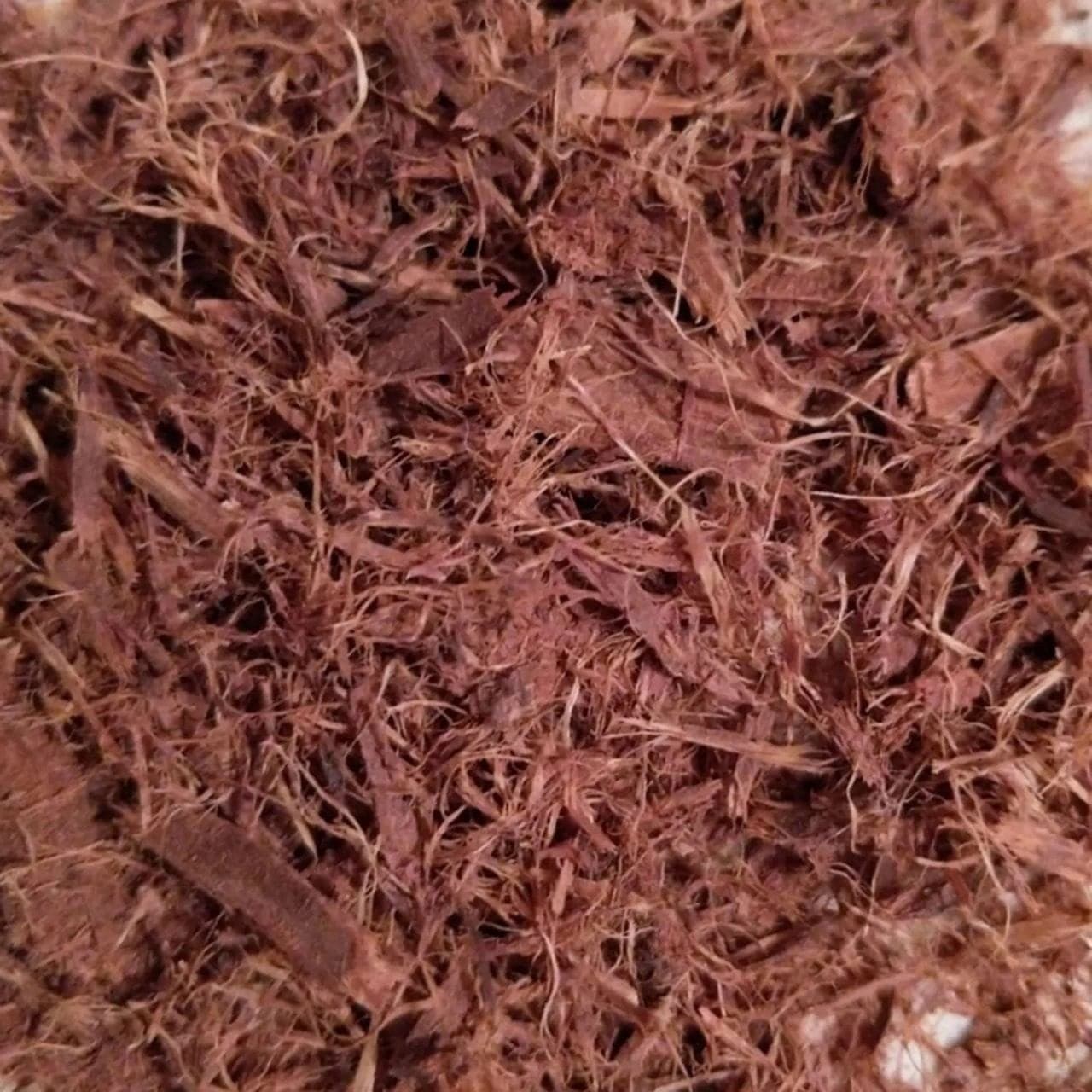
Shredded Mimosa Hostilis Root Bark
Botanical use only
$351/4 lb

We are a US business first, but we also ship Mimosa hostilis and sassafras root bark to other countries. Each international order is quoted separately, because the cost of sending bark abroad depends on its weight. Ask through the bulk enquiry form, choose Outside the United States, and check your own country's import rules for plant material before you order.
Editorial desk · Written and checked in house · Updated
Most of our orders go to addresses in the United States, and the cart and checkout on this site are built for them. Buyers in other countries can still order root bark from us. The difference is that an international order starts with a quote rather than a cart.
Root bark is the only line we send outside the United States. It is sold as a dye and craft material, not for human consumption.
Sending a parcel abroad is priced by weight and destination, and the cost does not shrink in step with the order. On a quarter pound, shipping can cost more than the bark. On several pounds it becomes a much smaller share of the total. Rather than publish a single international rate that suits nobody, we price each order on its own size and destination, and tell you the full cost before you commit.
A person replies with the price of the bark, the shipping cost and the carrier, usually the same day. If you accept, the order goes ahead the same way a US order does: payment details are sent in your order chat, and the bark ships once payment is confirmed.

Every country sets its own rules for plant material crossing its border. Some admit dried root bark freely, some ask for paperwork such as a phytosanitary certificate, and some restrict it. We cannot advise on another country's law, so check with your national customs or agriculture authority before you order, and mention any paperwork you need when you ask for the quote, so we can tell you whether we can supply it.
Import duties, taxes and customs fees are charged by the destination country and paid by the buyer. They are not part of our quote.
International parcels are packed the same way as domestic ones, in double-sealed, smell-proof bags flushed with nitrogen to keep the bark fresh, and sent with tracking. The delivery window depends on the destination and the carrier, and is confirmed with your quote.
For everything else about orders, the shipping policy and the guide to how much bark per pound of fiber are good places to start.
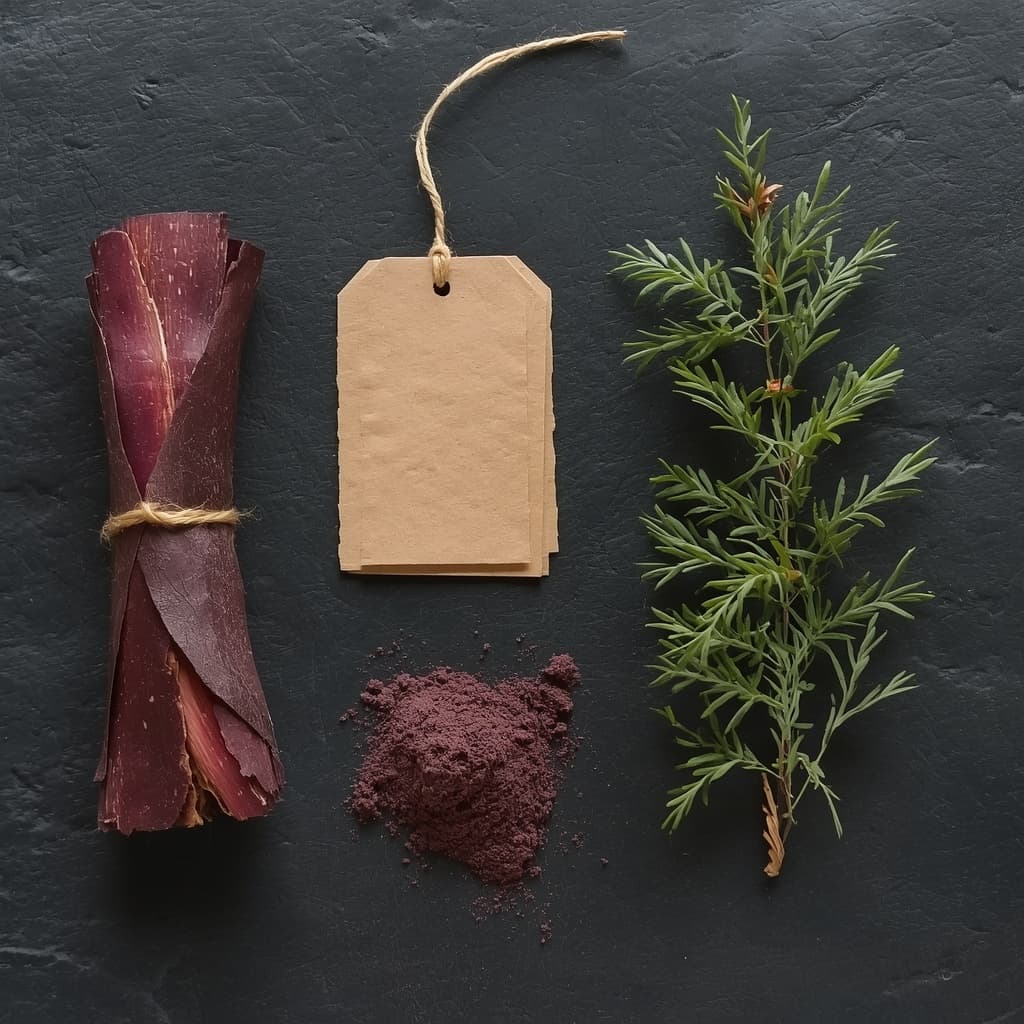
Mimosa hostilis and Mimosa tenuiflora are the same tree. Mimosa tenuiflora is the botanical name in current use and Mimosa hostilis is an older synonym that the dye trade kept. Jurema preta and tepezcohuite are its common names. It is not the leather trade's mimosa, the sensitive plant, or the pink-flowered mimosa tree of American gardens.
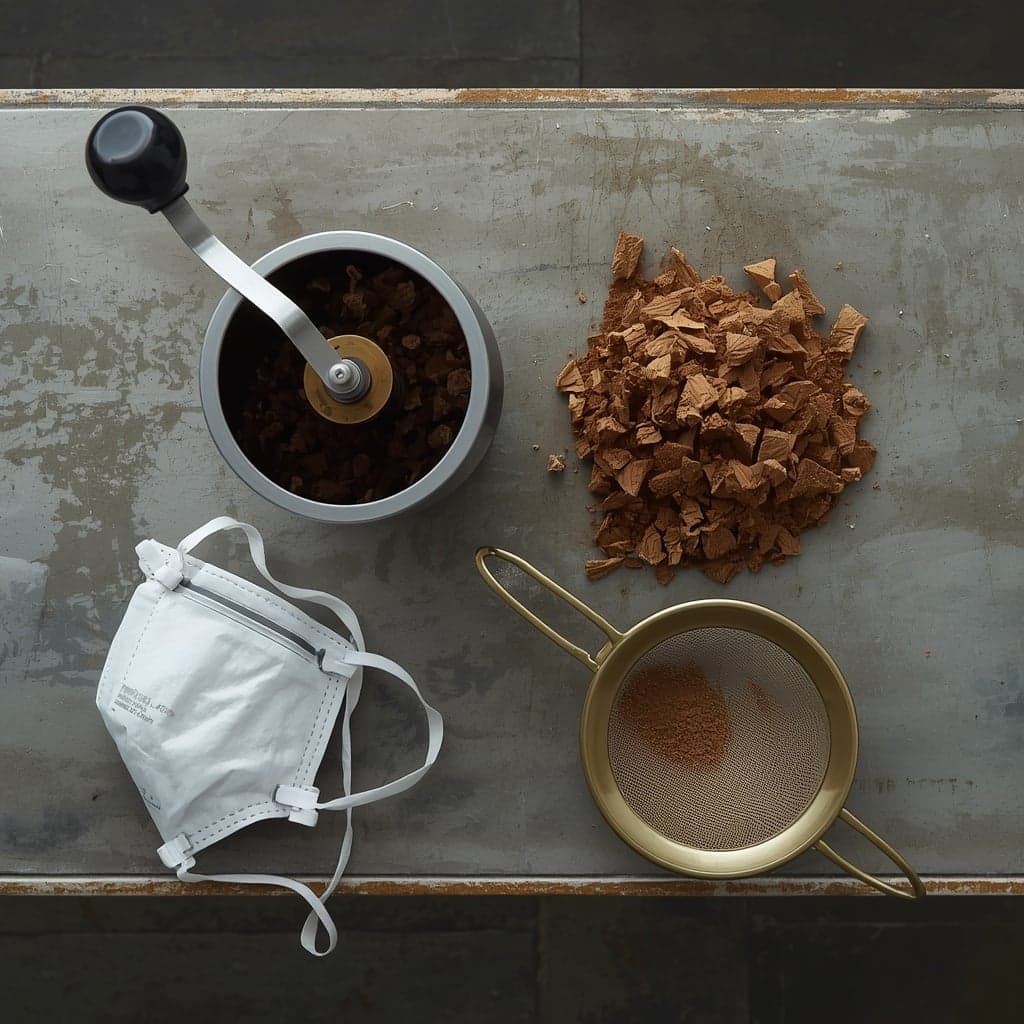
A coffee or spice grinder will take shredded bark to a usable powder in short bursts, sieved between passes. It is worth doing when you want one cut in the cupboard and both in the pot; it is not worth doing for volume, because domestic grinders overheat and the dust is considerable.
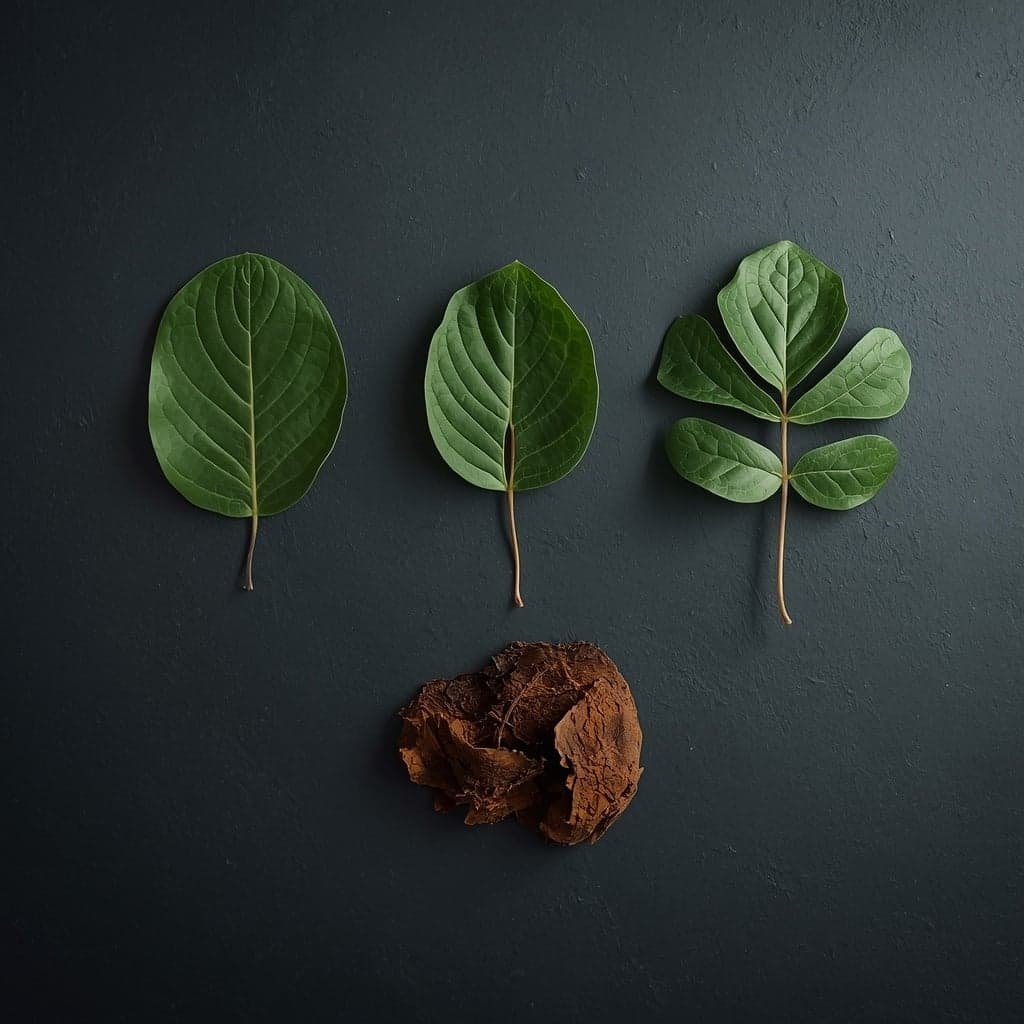
Sassafras albidum is a small deciduous tree of eastern North America, recognised by three leaf shapes on the same branch: unlobed oval, two-lobed mitten and three-lobed. Its aromatic root bark is used by dyers for rose-tan and orange-brown shades, and greys with an iron modifier.
Your cart is empty
Everything we sell is batch-tested, and we tell you what ships to your state before you add it.
Browse the shop