
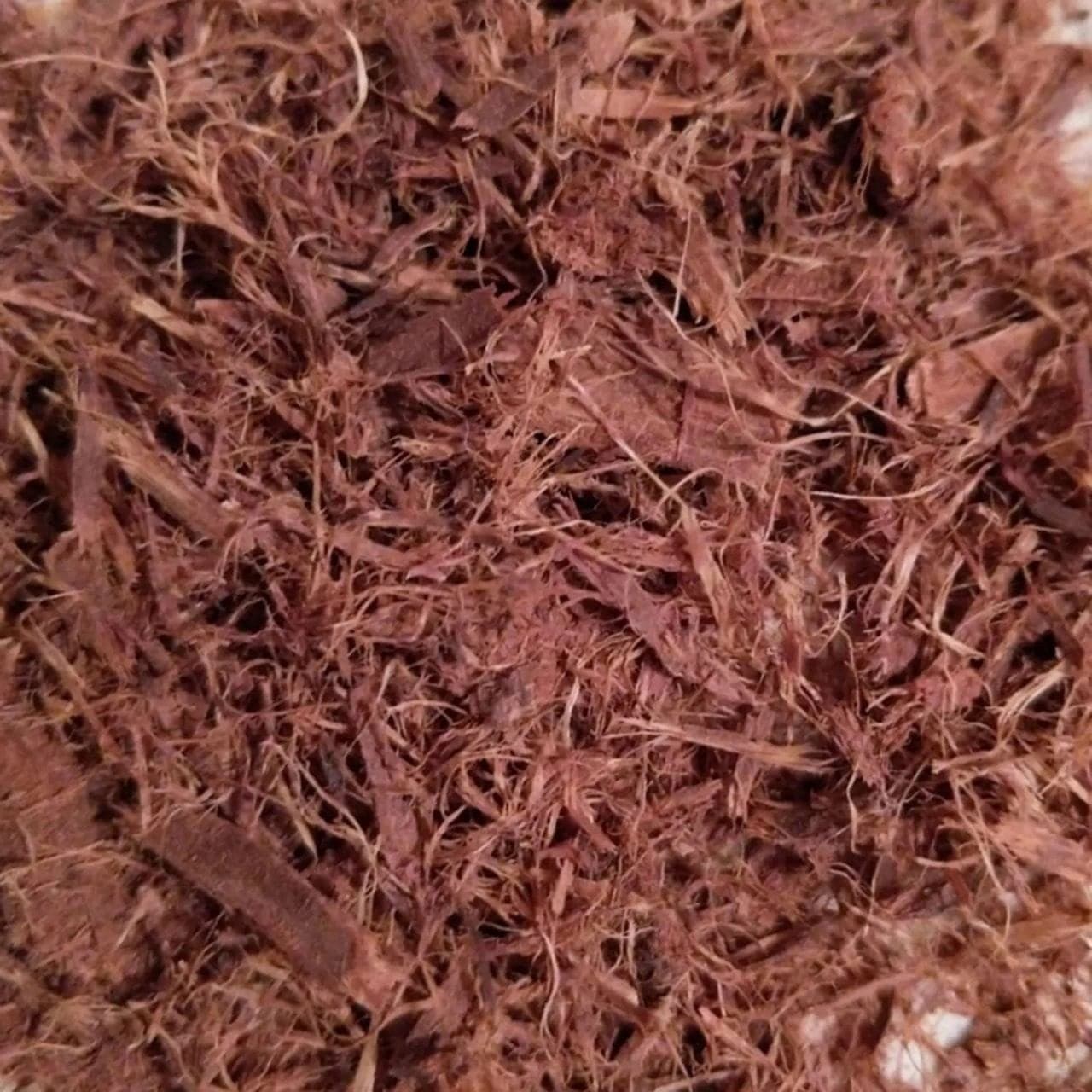
Shredded Mimosa Hostilis Root Bark
Botanical use only
$351/4 lb
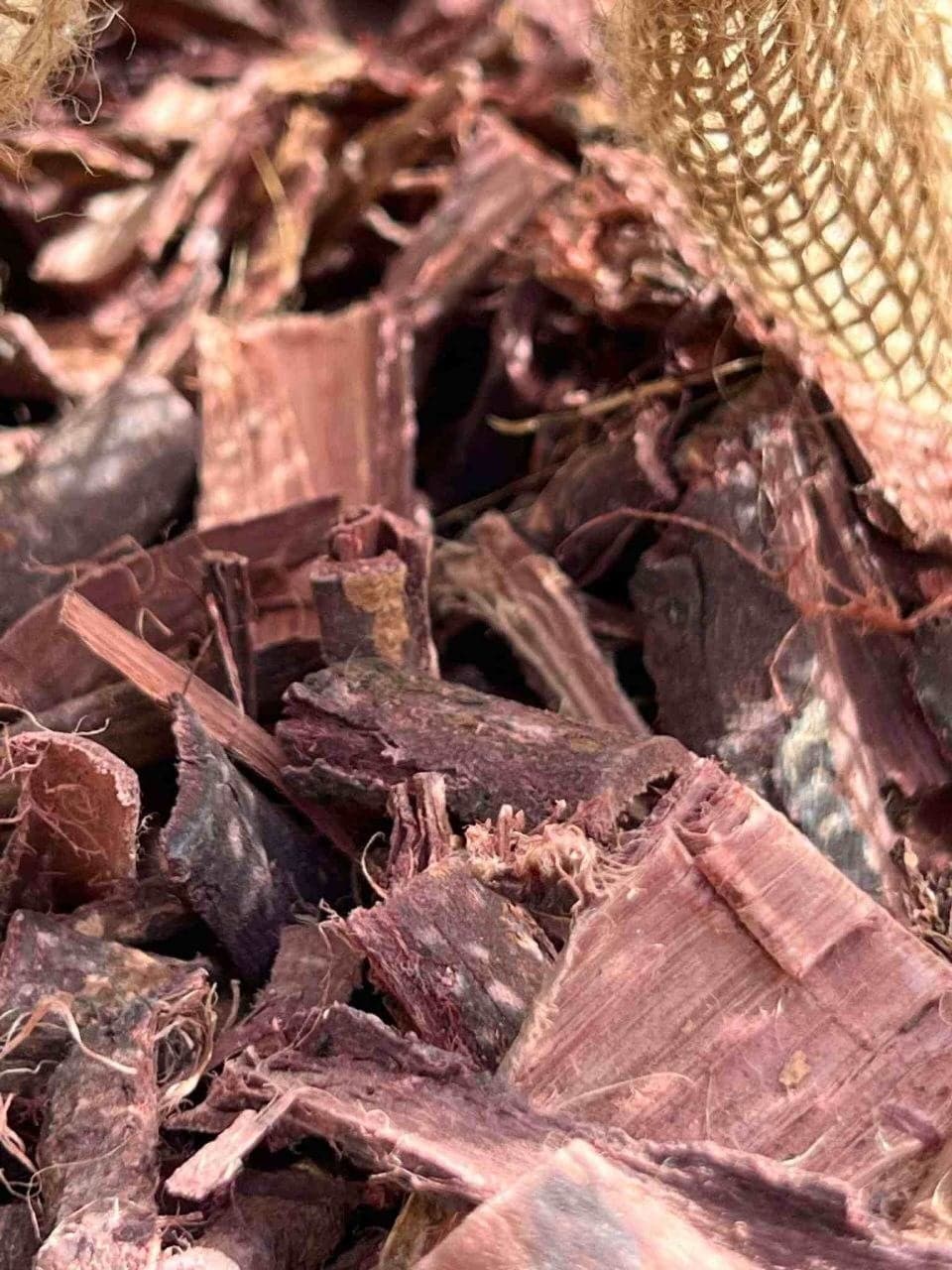
Mimosa hostilis, cutch, oak gall and quebracho are all tannin-rich dyes, but they are not interchangeable. Mimosa hostilis is the one for rose, plum and burgundy; cutch gives warm browns, quebracho red-browns, and oak gall is used mainly as a tannin mordant and, with iron, for greys and blacks.
Editorial desk · Written and checked in house · Updated
Walk into any natural-dye supplier and you will find a shelf of tannin-rich materials: bark, heartwood and galls, all of which bond readily to wool and silk and all of which darken with iron. They are easy to confuse. Here is how Mimosa hostilis root bark compares with the three it is most often weighed against, and when each is the right choice.
| Material | Source | Colors on wool | Main use |
|---|---|---|---|
| Mimosa hostilis | Root bark of Mimosa tenuiflora | Rose, plum, burgundy, brown; slate with iron | Pinks and purples from a single material |
| Cutch | Heartwood of Senegalia catechu | Tan, cinnamon, deep brown | Warm browns |
| Quebracho | Heartwood of Schinopsis trees | Pink-tan to red-brown | Red-browns, leather |
| Oak gall | Galls on oak trees | Beige; grey to black with iron | Tannin mordant for cotton and linen |
What sets Mimosa root bark apart is its color. Most tannin dyes give browns and tans; this one gives dusky rose, plum and burgundy on wool and silk, and holds those tones as long as the bath stays neutral to slightly acidic. It needs no separate mordant on protein fiber, gives two or three exhaust baths from one batch, and turns slate to charcoal with an iron afterbath. Keeping a bark bath purple instead of brown is the main skill it asks for.
Cutch comes from the heartwood of the khair tree, and is sold as dark chips, cakes or powder. It is one of the most reliable browns in natural dyeing, from a light cinnamon to near chocolate, and with iron it goes to cool brown-greys. Choose cutch when you want brown and want it predictable. Choose Mimosa hostilis when you want the brown to lean purple, or want pinks from the same pot.
Red quebracho is the heartwood of South American Schinopsis trees and one of the major tanning materials of the leather industry. On wool it gives pinkish tans through to red-brown. It overlaps with Mimosa hostilis at the brown end, but it does not reach the same clear roses and plums. For leather, both work well; dyeing leather with bark covers Mimosa bark on vegetable-tanned hides.
Oak galls are growths on oak trees caused by gall wasps, and they are among the most concentrated tannin sources there are. On their own they give little more than beige, so dyers use them mainly as a tannin mordant, soaking cotton and linen in gall solution before alum so plant fibers can take color well. With iron, oak gall gives greys and blacks and is the classic basis of iron-gall ink. It does not compete with Mimosa hostilis for color; it helps other dyes, Mimosa included, take on cotton.
In the leather trade, "mimosa" tanning material usually means the bark of black wattle, Acacia mearnsii, not Mimosa tenuiflora. The two are different plants from different continents. When a supplier sells Mimosa hostilis root bark, as we do, it is the root bark of Mimosa tenuiflora; check the botanical name before you buy, because black wattle bark will not give the same colors.
Many dyers keep Mimosa hostilis for color and a gall or tannin mordant for plant fibers. Wool, silk, cotton and linen in the same bath shows how that pairing works in one pot.
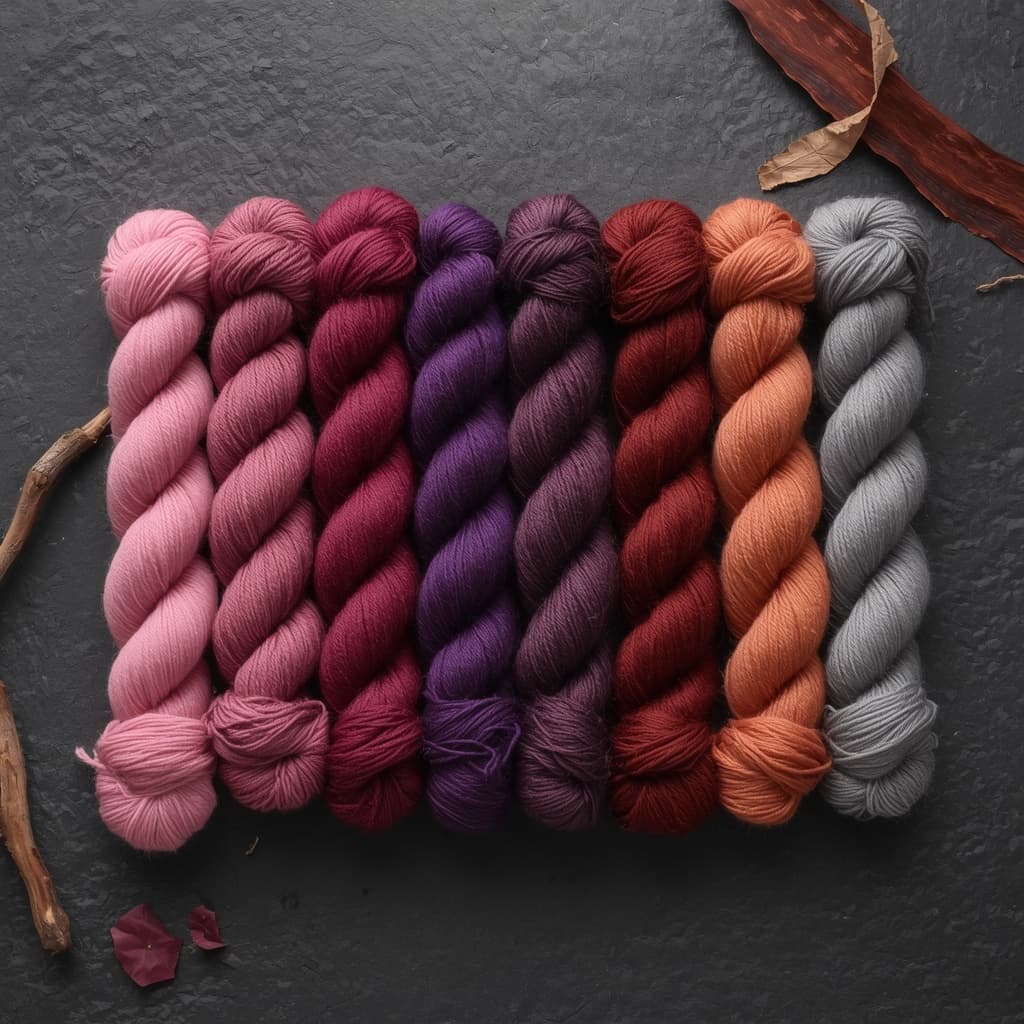
Overdyeing is dyeing one color on top of another. Mimosa hostilis gives rose to plum, so over indigo blue it makes violet and deep purple, over a yellow dye it makes peach, coral and rust, and with iron it turns grey and slate. Dye small samples first, and change only one thing between them.
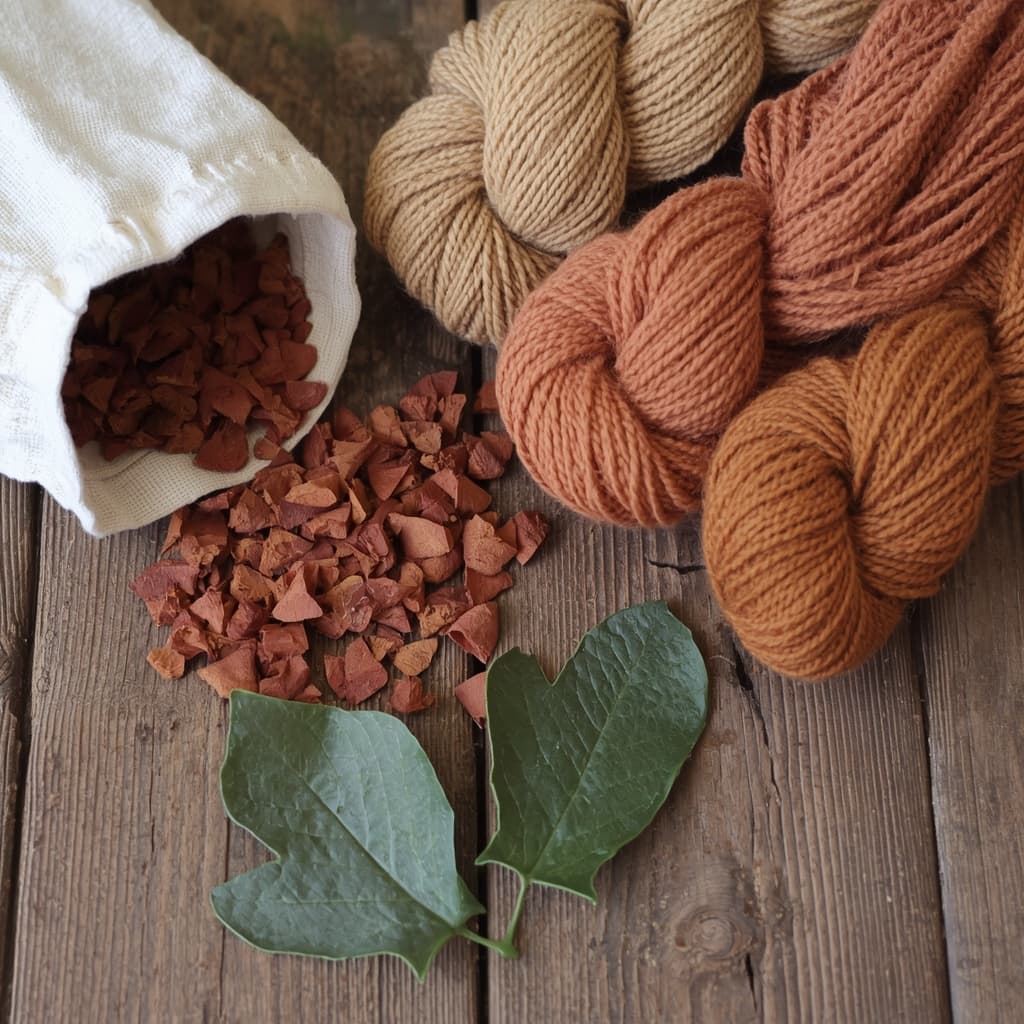
Sassafras root bark gives warm tan, rose-tan and orange-brown on wool mordanted with alum, and grey-brown with an iron afterbath. Use about a pound of bark to a pound of dry wool. Soak the bark overnight, simmer it gently for an hour, strain, then hold the mordanted wool in the bath just under a simmer for an hour and let it cool there.
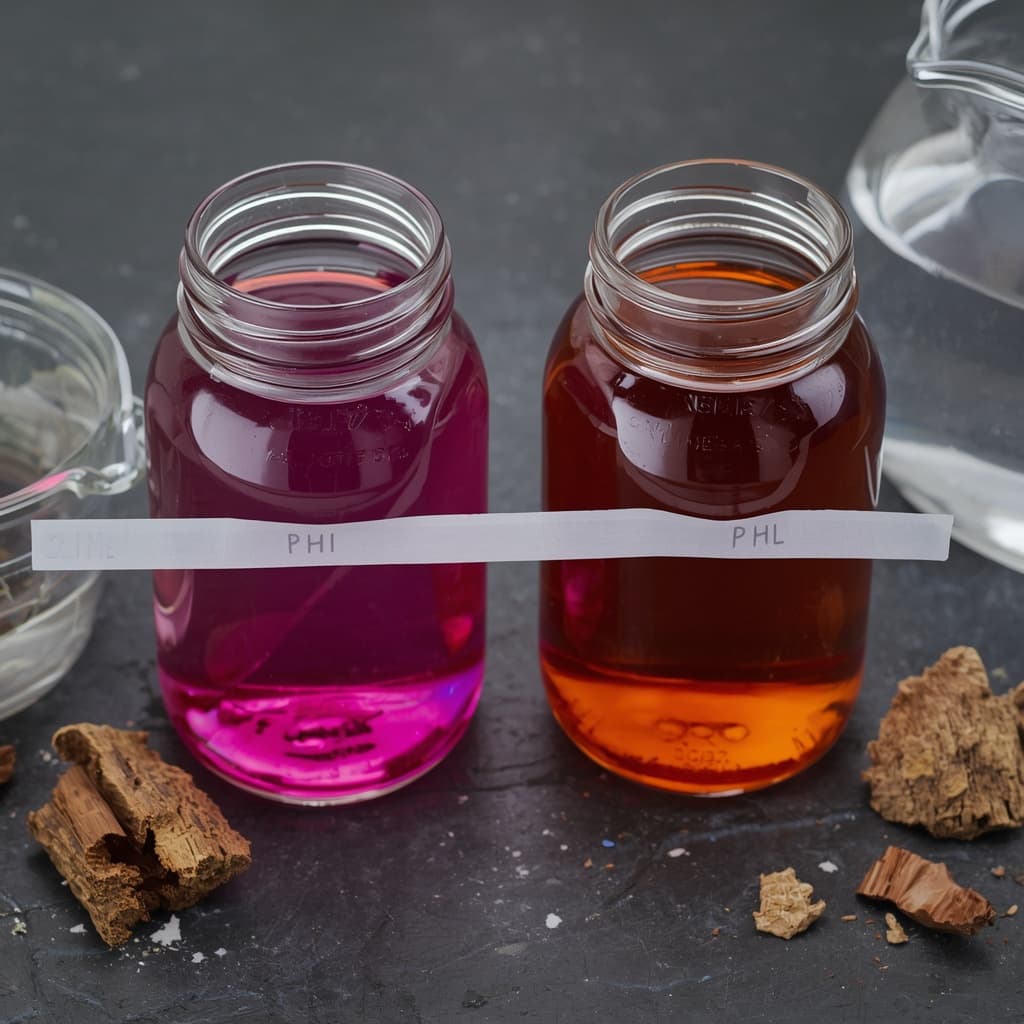
Hard water carries calcium and magnesium and usually runs alkaline, and both shift a tannin dye. With Mimosa hostilis the purples drift toward brown and the color looks duller. Iron in well water greys it further. Rainwater or distilled water is the simplest answer; a little white vinegar or citric acid, to bring the bath to about pH 5 or 6, is the next best.
Your cart is empty
Everything we sell is batch-tested, and we tell you what ships to your state before you add it.
Browse the shop