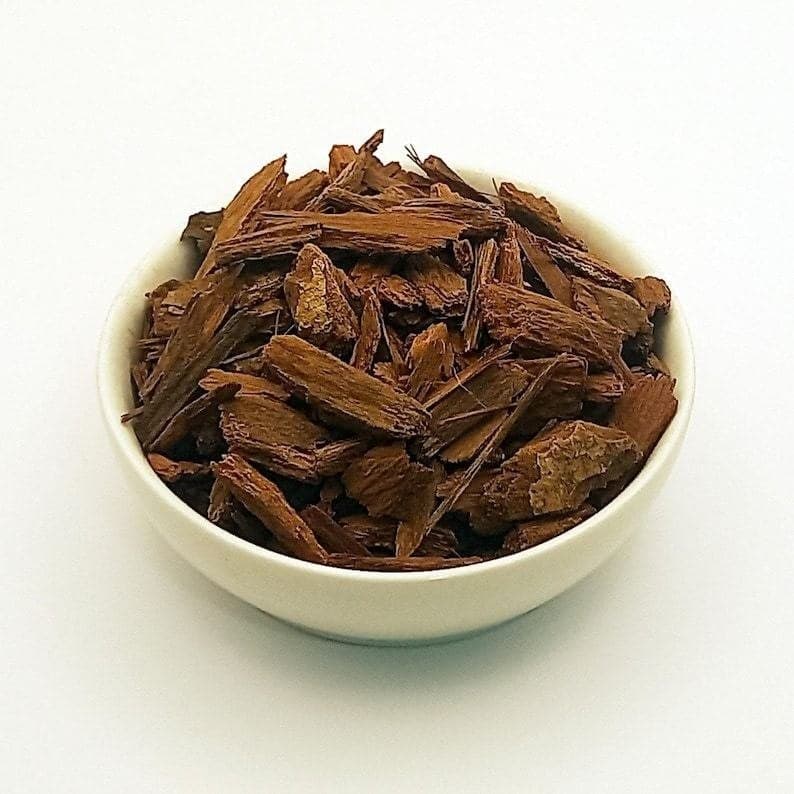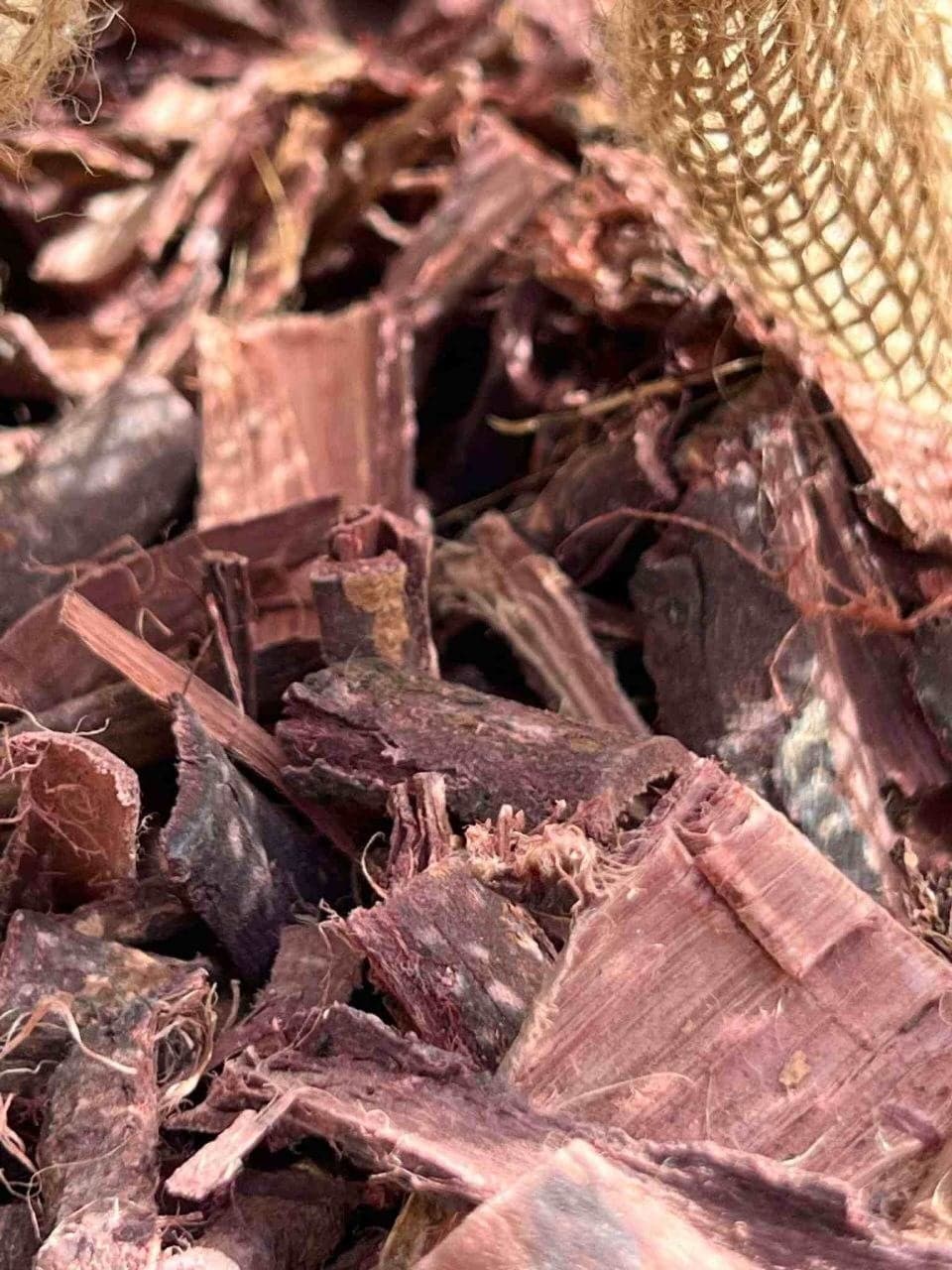
Whole Mimosa Hostilis Root Bark (Chips and Strips)
Botanical use only
$32.501/4 lb
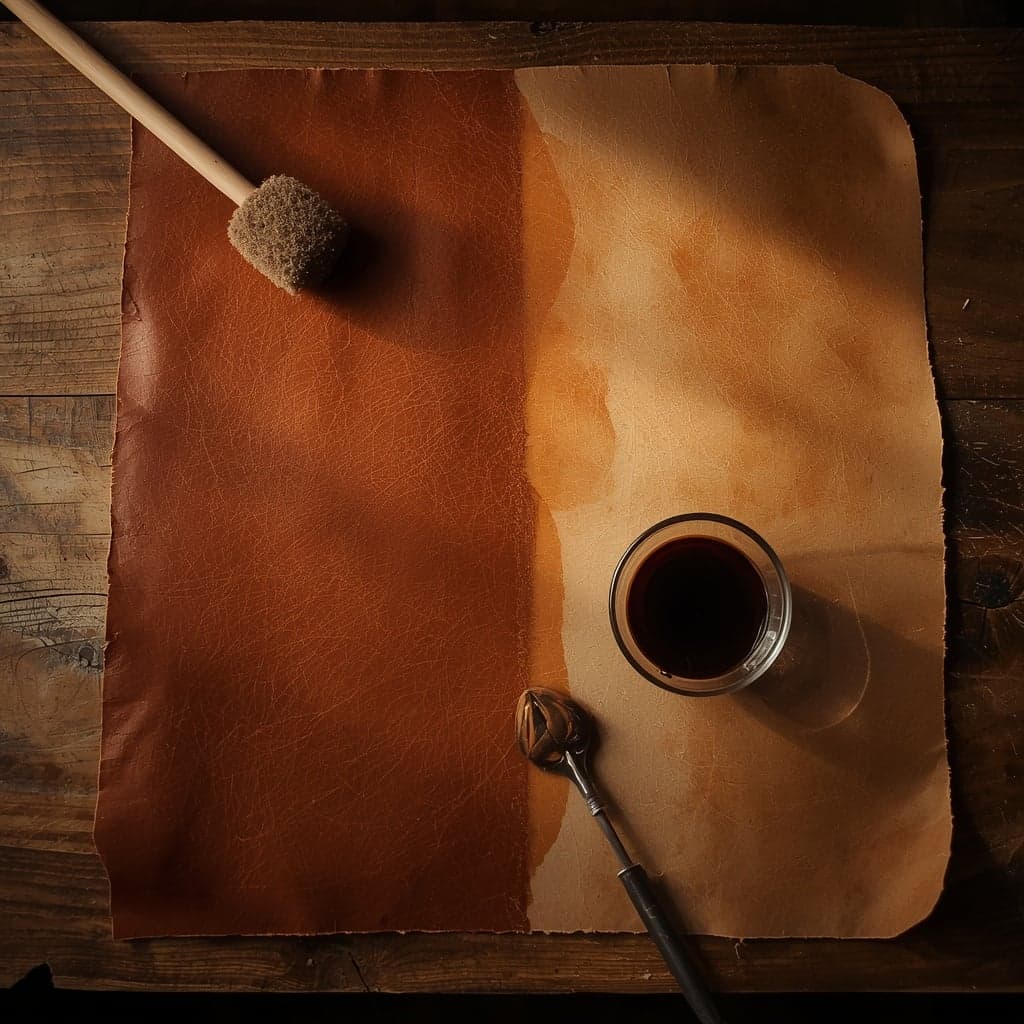
Vegetable-tanned leather takes a bark solution readily because it is already full of tannin. Work with a strong, well-strained liquid, build the colour in thin coats with a dauber, and let each coat dry before judging it. Powder is the wrong cut here: particles mark a surface you cannot rinse.
Editorial desk · Written and checked in house · Updated
Leather is the one surface in this craft you cannot wash out, which changes how you work: everything is built in layers, and every decision is judged dry.
Chrome-tanned leather has been through a process that leaves little for a plant colour to hold onto. Vegetable-tanned leather is tannin-rich already, which is exactly why a tannin-rich bark takes on it so readily and so evenly.
If you do not know which you have, a scrap and ten minutes will tell you more than any label.
A bath mixed for wool is usually too weak for leather. Use more material for the same water, soak it cold overnight, bring it to temperature gently, and then strain it more thoroughly than you would for fibre: through doubled muslin, twice if necessary.
Use shredded or stripped material rather than powder. Fine particles settle into the grain and there is no rinse step to remove them.
Once the colour is where you want it and the piece is fully dry, buff it with a soft cloth to lift any surface deposit, then condition it. Leather that has been wetted and dried has lost oils, and a conditioner returns the flex as well as deepening the colour slightly.
Expect the finished shade to sit browner and warmer than the same liquid gives on wool. That is the leather's own colour underneath showing through, not a fault in the bath.
Keep offcuts from the same hide and test on them. Two hides from different batches take colour differently, and the test piece costs nothing compared to a belt or a wallet you will finish and then dislike.
Everything described here is raw botanical material sold for dyeing, soap making and craft work. It is not food, it is not a supplement, and it is not for human consumption. Nothing on this page is a recommendation to put any of it in or on a body.
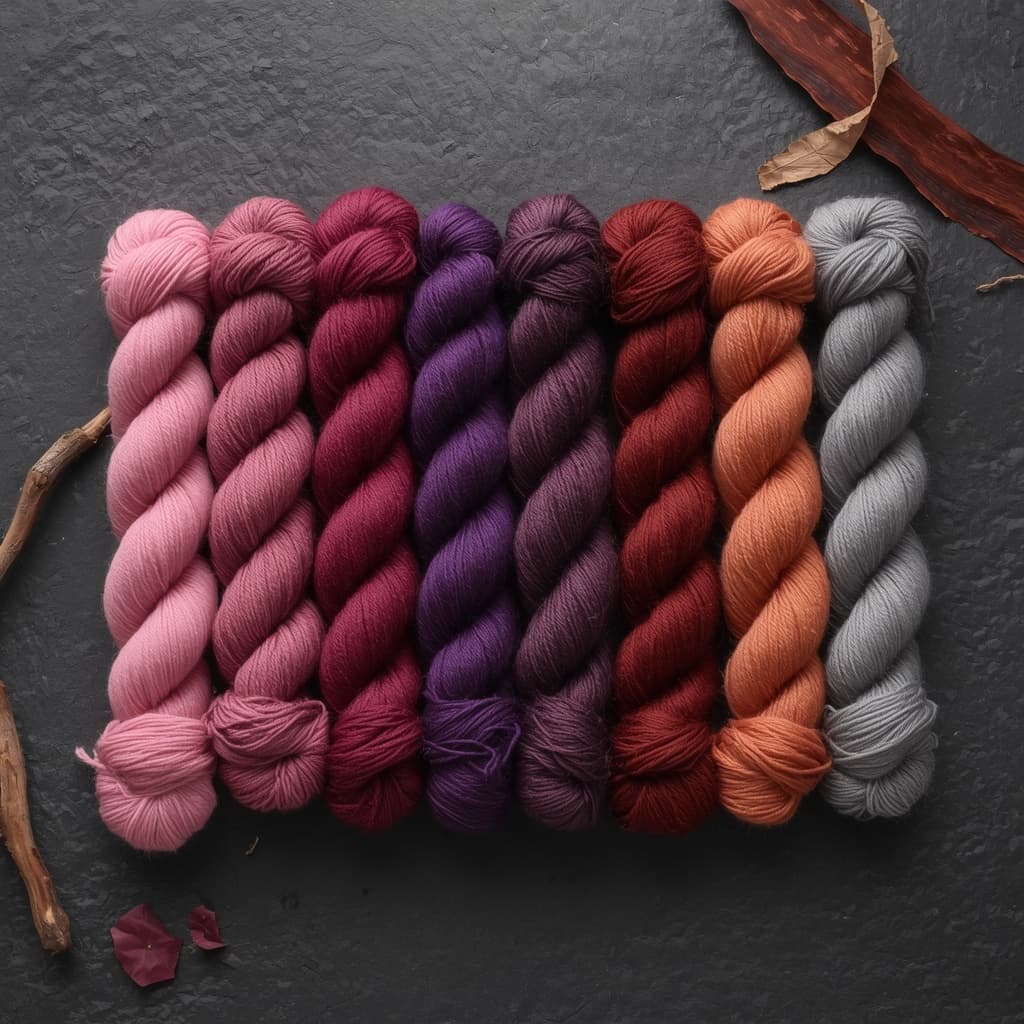
Overdyeing is dyeing one color on top of another. Mimosa hostilis gives rose to plum, so over indigo blue it makes violet and deep purple, over a yellow dye it makes peach, coral and rust, and with iron it turns grey and slate. Dye small samples first, and change only one thing between them.
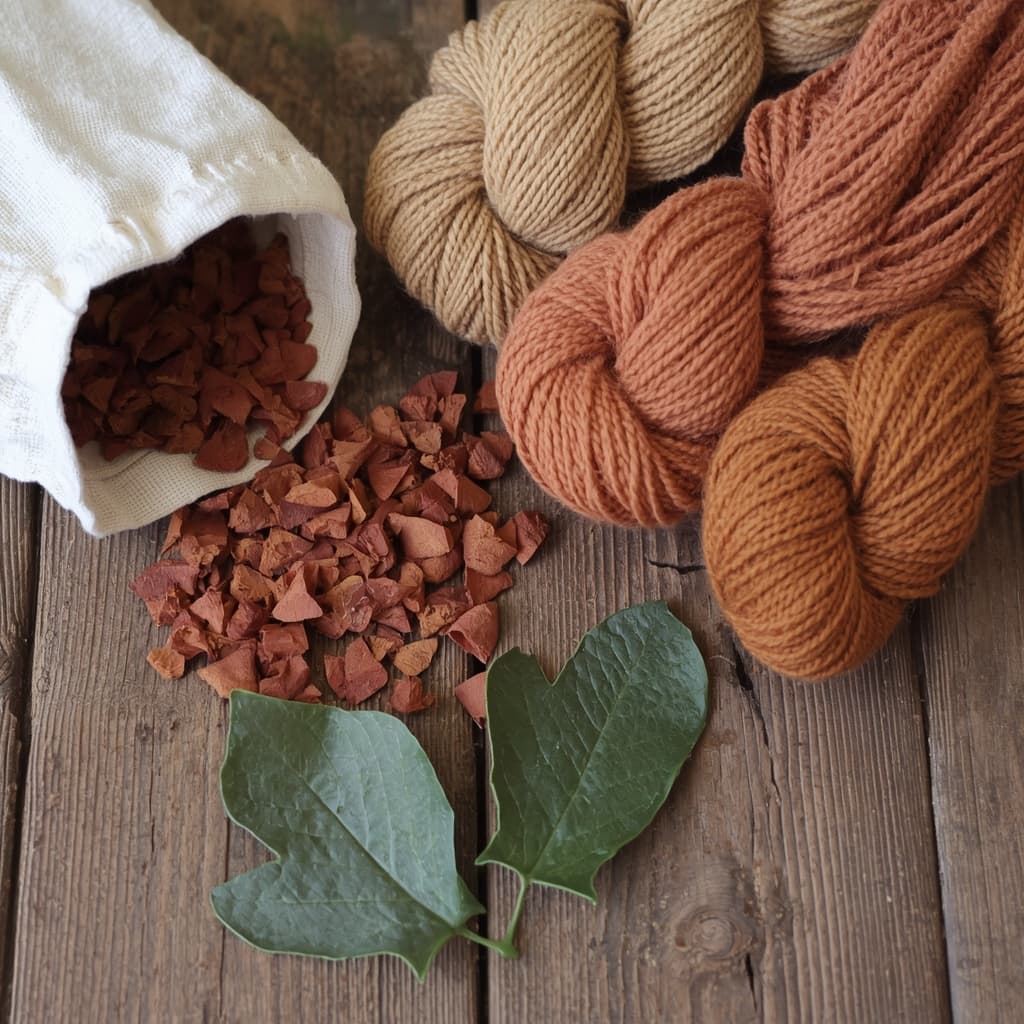
Sassafras root bark gives warm tan, rose-tan and orange-brown on wool mordanted with alum, and grey-brown with an iron afterbath. Use about a pound of bark to a pound of dry wool. Soak the bark overnight, simmer it gently for an hour, strain, then hold the mordanted wool in the bath just under a simmer for an hour and let it cool there.
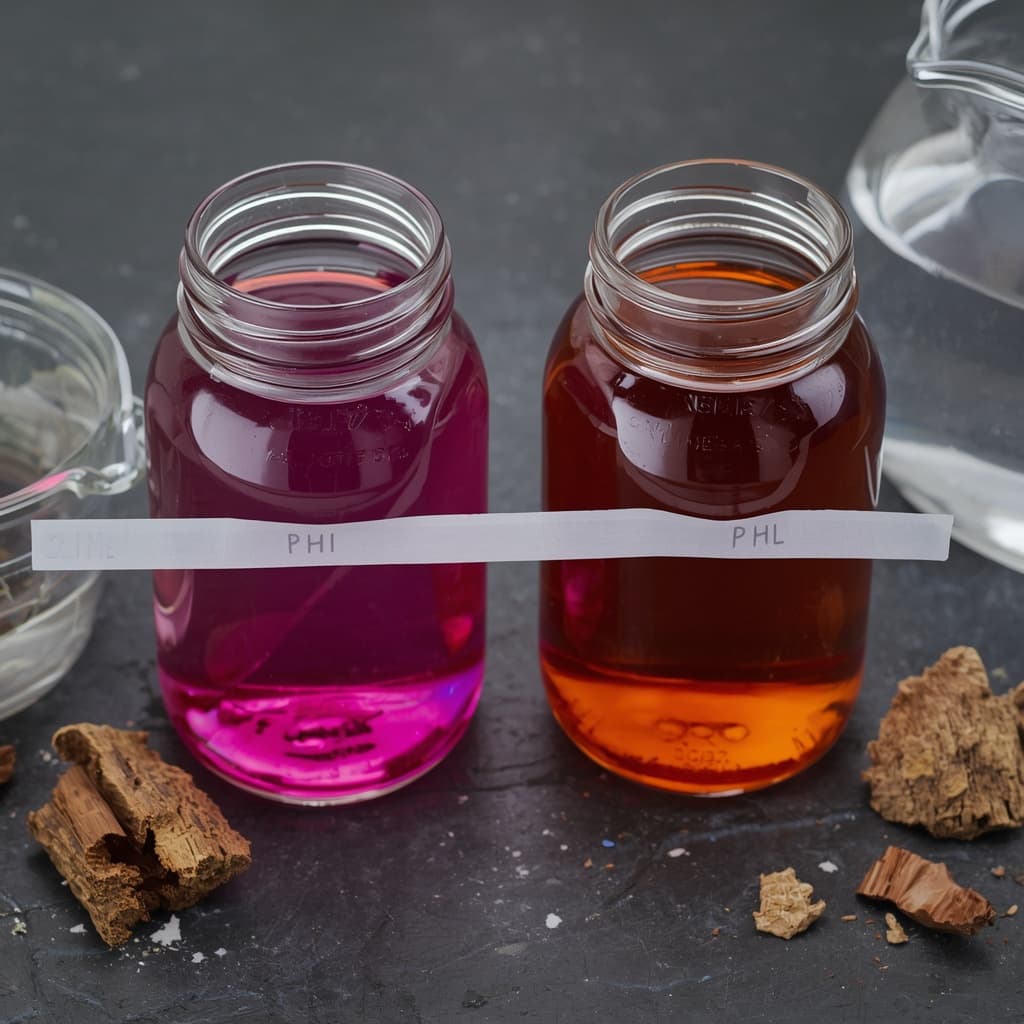
Hard water carries calcium and magnesium and usually runs alkaline, and both shift a tannin dye. With Mimosa hostilis the purples drift toward brown and the color looks duller. Iron in well water greys it further. Rainwater or distilled water is the simplest answer; a little white vinegar or citric acid, to bring the bath to about pH 5 or 6, is the next best.
Your cart is empty
Everything we sell is batch-tested, and we tell you what ships to your state before you add it.
Browse the shop