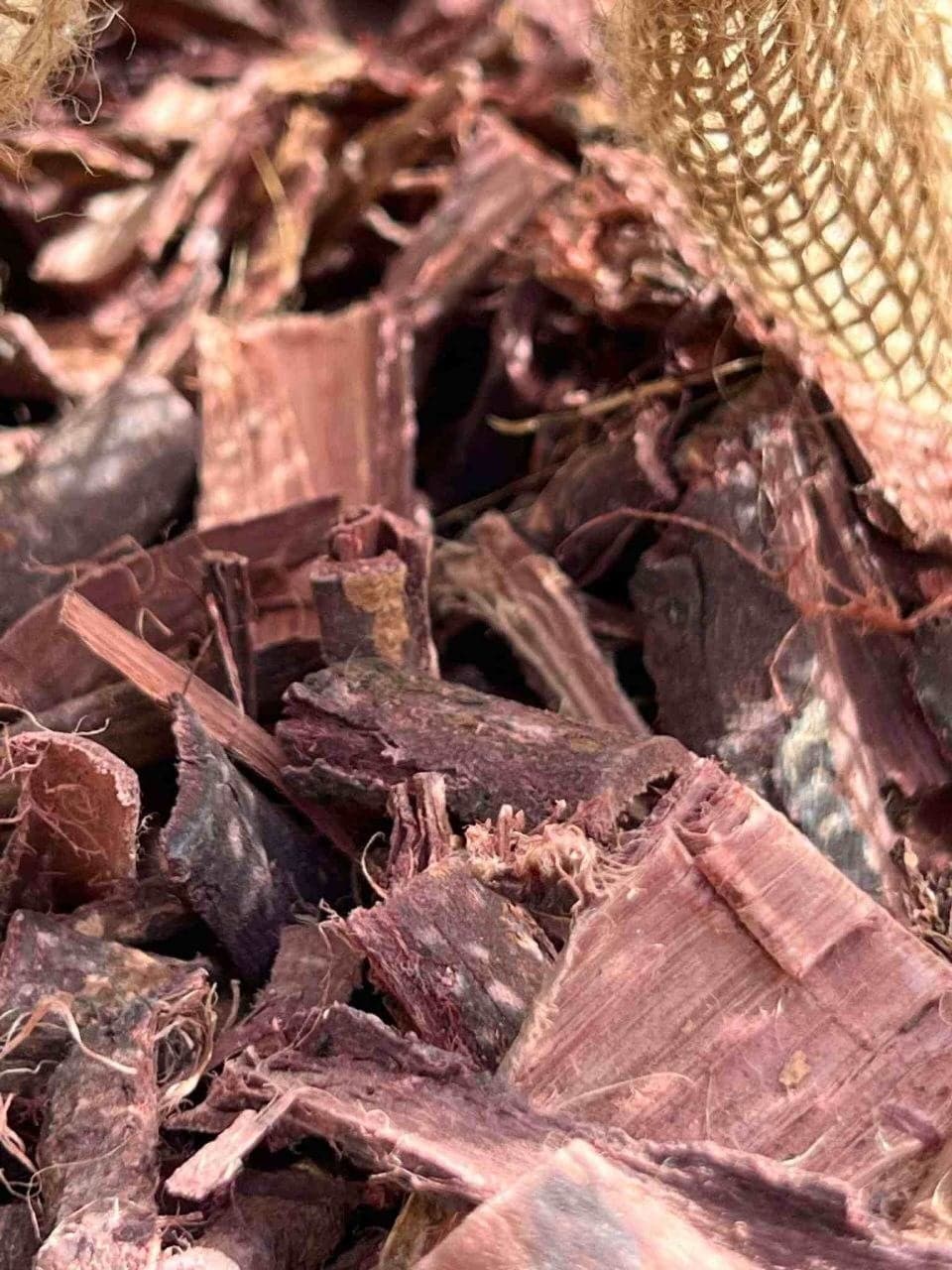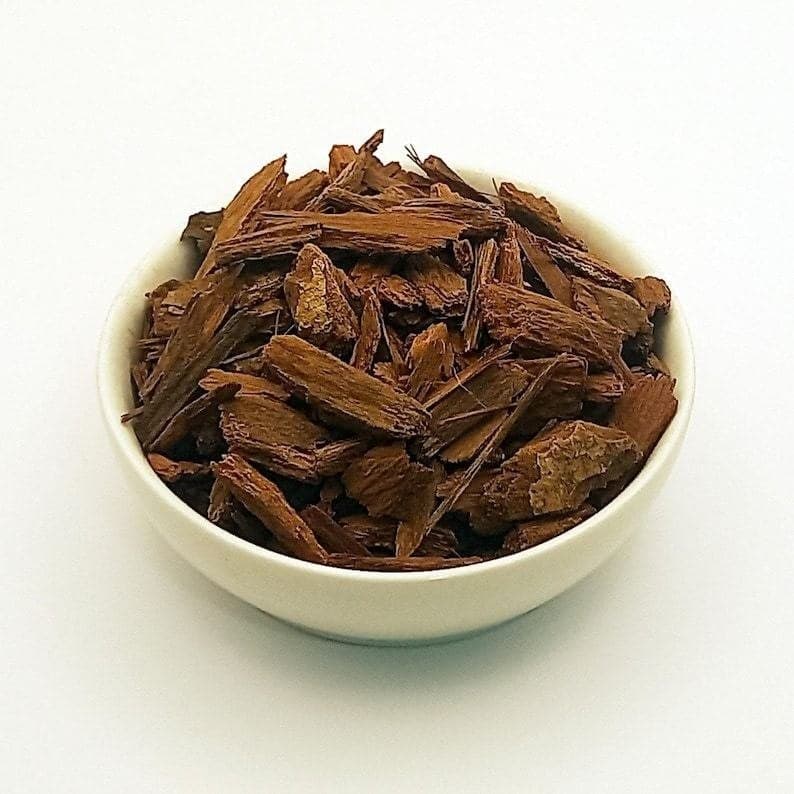
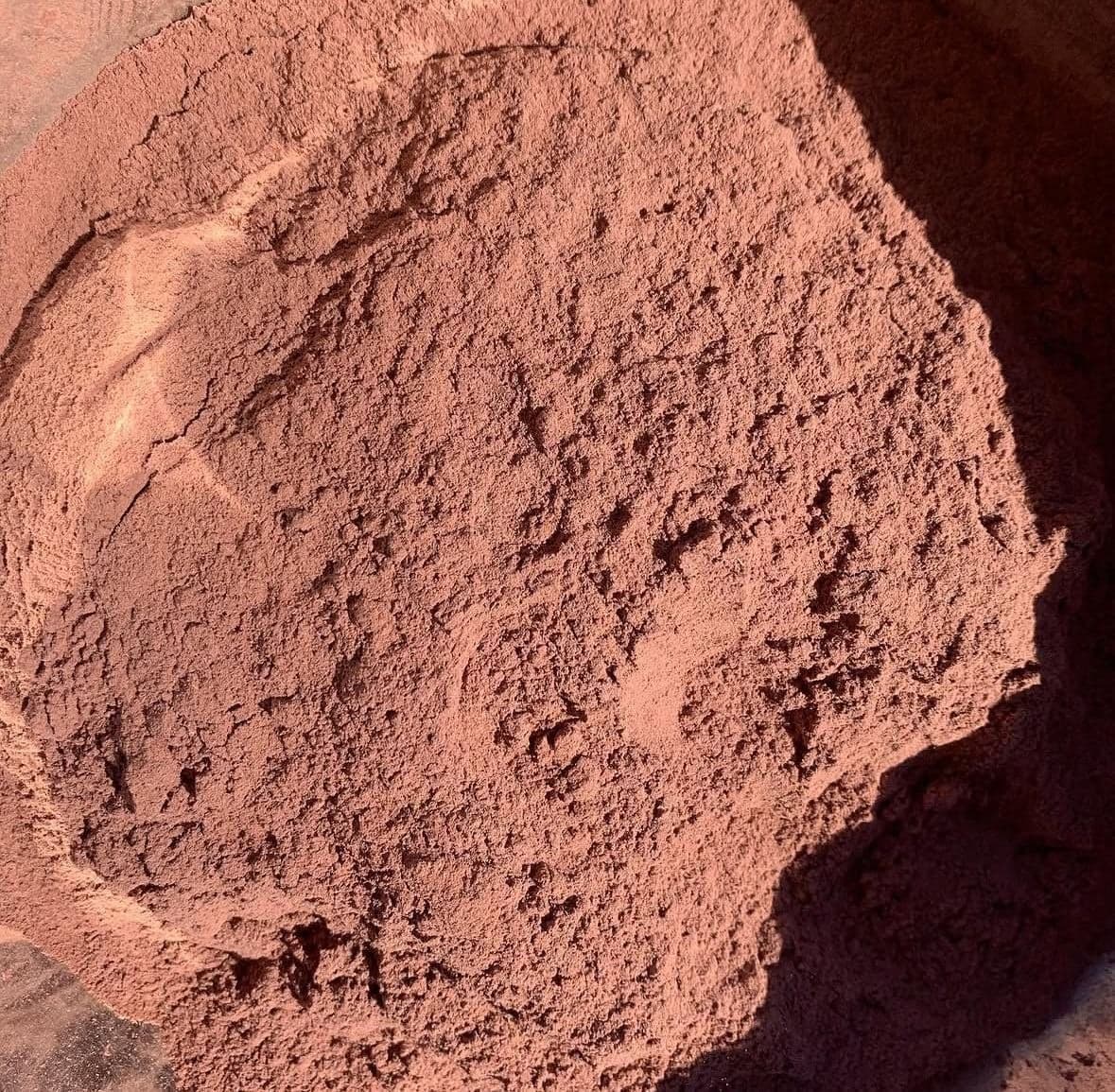
Mimosa Hostilis Root Bark Powder
Botanical use only
$37.501/4 lb
A root bark label should name the plant by its botanical name, state the part and the cut, give the net weight and a batch code, and carry a clear not for human consumption statement. Read each line in order, because Mimosa tenuiflora, sold as Mimosa hostilis, is not the leather trade's mimosa tanning material.
Editorial desk · Written and checked in house · Updated
A good label is short, and every line on it earns its place. Here is what each one tells a dyer, soap maker or leather worker, and what to question if it is missing.
Common names travel. They change between countries, trades and centuries, and one name can cover several plants. The botanical name is the fixed point. For mimosa root bark that line should read Mimosa tenuiflora, ideally with the older synonym Mimosa hostilis alongside it. The two names refer to the same species; *hostilis* is the older name and the one most buyers search for. In Brazil the tree is widely called jurema preta. For sassafras the name is Sassafras albidum.
No, and this catches people out. In the leather trade, "mimosa" usually means the tanning material from black wattle, Acacia mearnsii, a different tree grown on a large scale for its bark. It is a legitimate and widely used vegetable tanning material, but it is not Mimosa tenuiflora. If you are following a tanning recipe that calls for mimosa, check which plant the writer meant before you substitute one for the other. For how several tannin barks compare in use, see mimosa hostilis vs cutch, oak gall and quebracho.
The label should state the plant part. Root bark, stem bark, wood and leaf are different materials with different colors and different behavior in a bath. Our Mimosa tenuiflora and sassafras are both root bark. A label that names only the plant and not the part leaves you guessing.
The cut tells you the physical form: powder, shredded or whole. It matters for how fast color comes out, how much fine dust you handle and how long the bark keeps. The trade-offs are laid out in the three cuts of mimosa root bark. Pick powder for speed and even baths, whole for storage and control, shredded for a middle path.
Net weight is the bark alone, without the bag. We sell by the pound, so the figure you plan from is in pounds. Since dye recipes work by weight of fiber, this is the number you plan from; see weighing bark against fibre for the ratios.
The batch code links your bag to one lot of material and to the paperwork held for it. Note it in your dye records and, if you want a report, ask us for the report we hold for your batch. The full reasoning is in what a batch code is for.
This line states the intended use plainly: the bark is sold as a raw material for dyeing, soap color, leather work and craft. It is part of the label, not small print, and it should be clear and easy to find.
If a line is missing from a bag you bought anywhere, ask before you use it on a project that matters. A label is the supplier's first statement about what is in the bag, and a careful one makes every later step easier.

A sample is homogenised, the compounds are dissolved out with a solvent, and the mixture is separated by chromatography — usually HPLC, which does not heat the sample and so can report acid and non-acid forms separately. Results are then compared against calibrated reference standards.

Dried bark keeps changing after it is tested. Moisture drifts, light fades the surface, and air slowly oxidizes tannins, which darkens and dulls the color a bath gives. A report describes the bark on the day it was sampled, so the date tells you how far the bag in your hands may have moved since.

A contaminant panel for dried botanical material usually checks four heavy metals (lead, arsenic, cadmium, mercury), microbial counts such as total aerobic count and yeast and mold, pesticide residues, moisture and foreign matter. Each matters for bark you weigh, sift and handle by hand, and each figure only means something next to its method and units.
Your cart is empty
Everything we sell is batch-tested, and we tell you what ships to your state before you add it.
Browse the shop