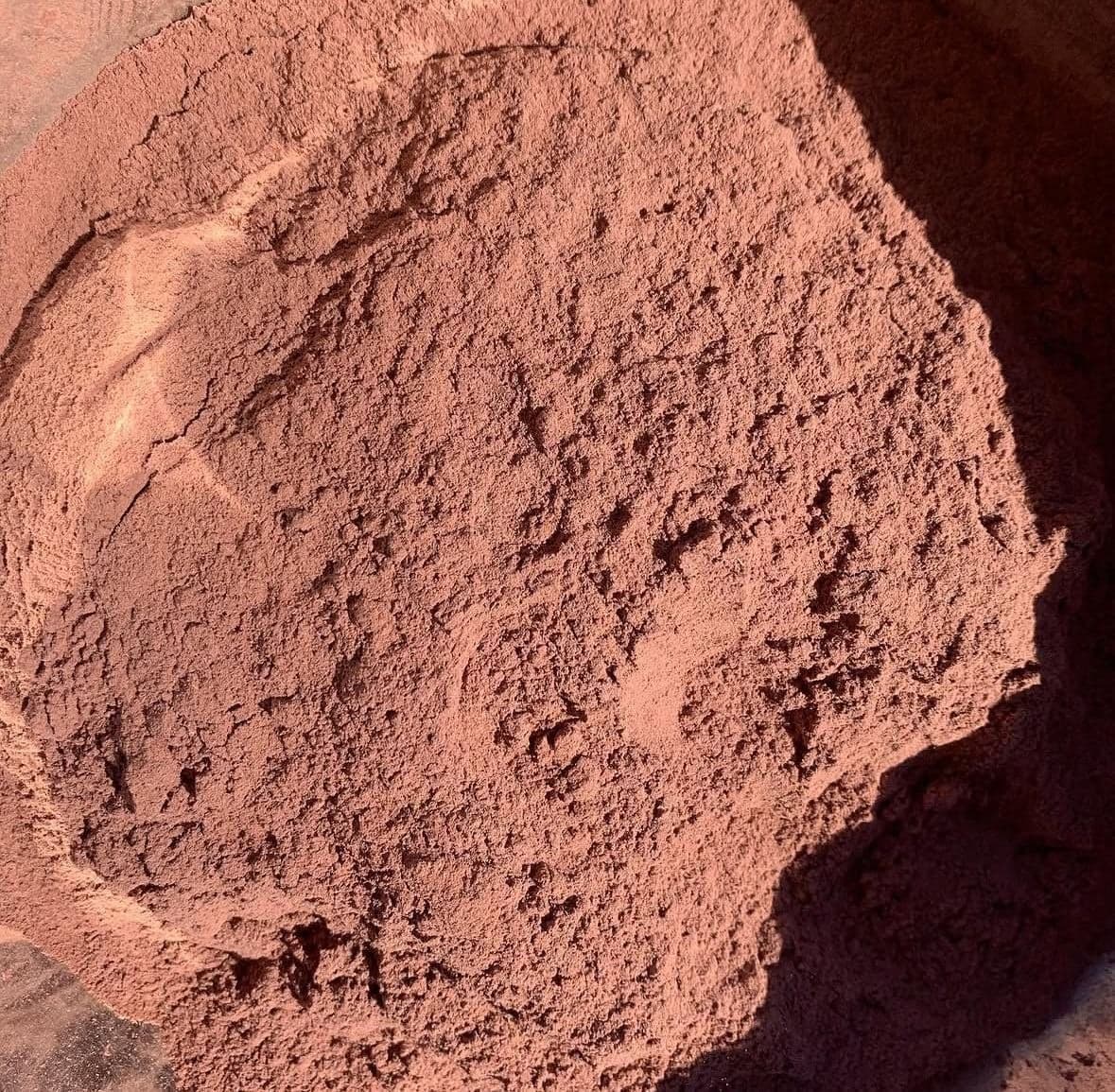
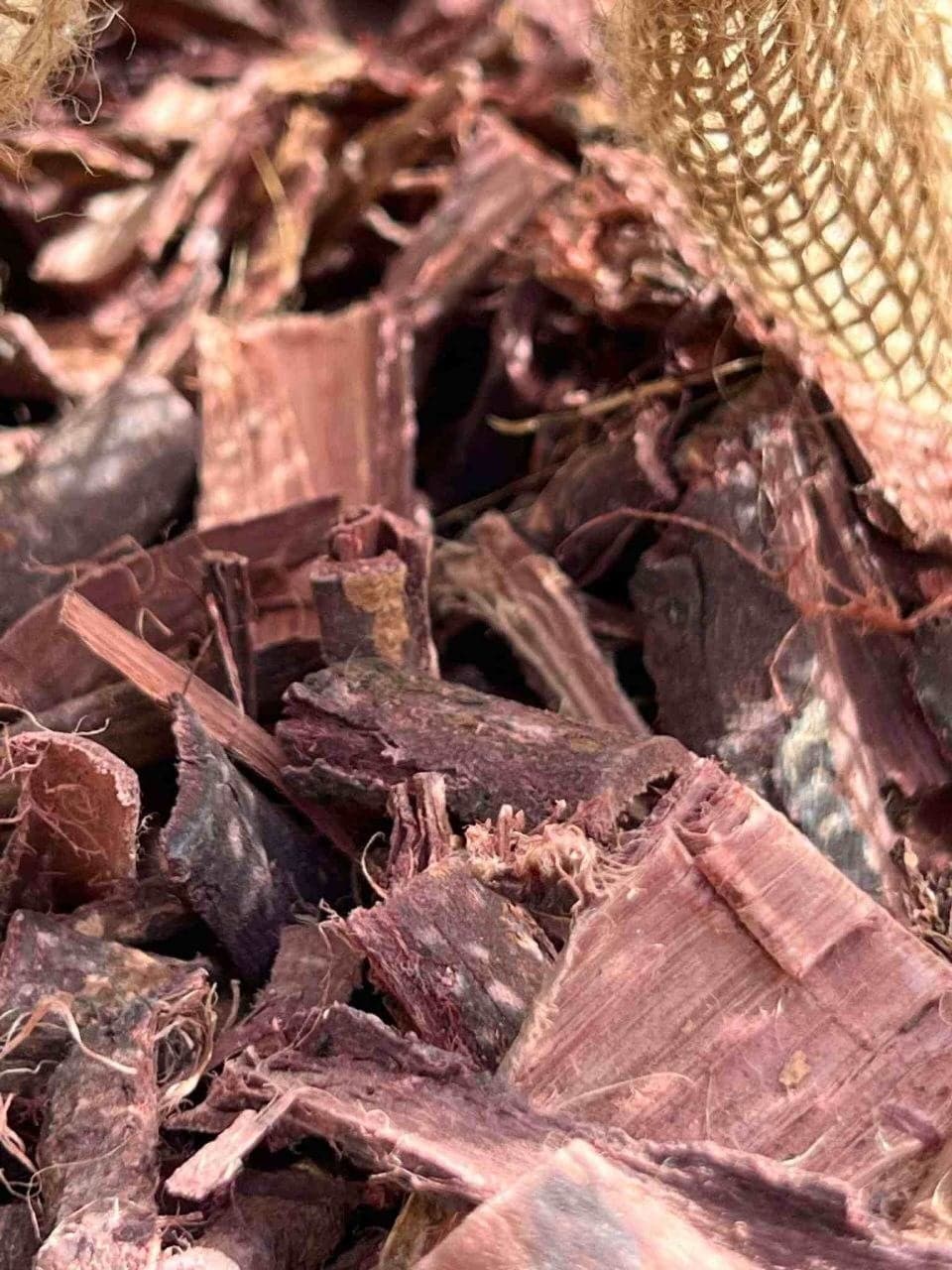
Whole Mimosa Hostilis Root Bark (Chips and Strips)
Botanical use only
$32.501/4 lb
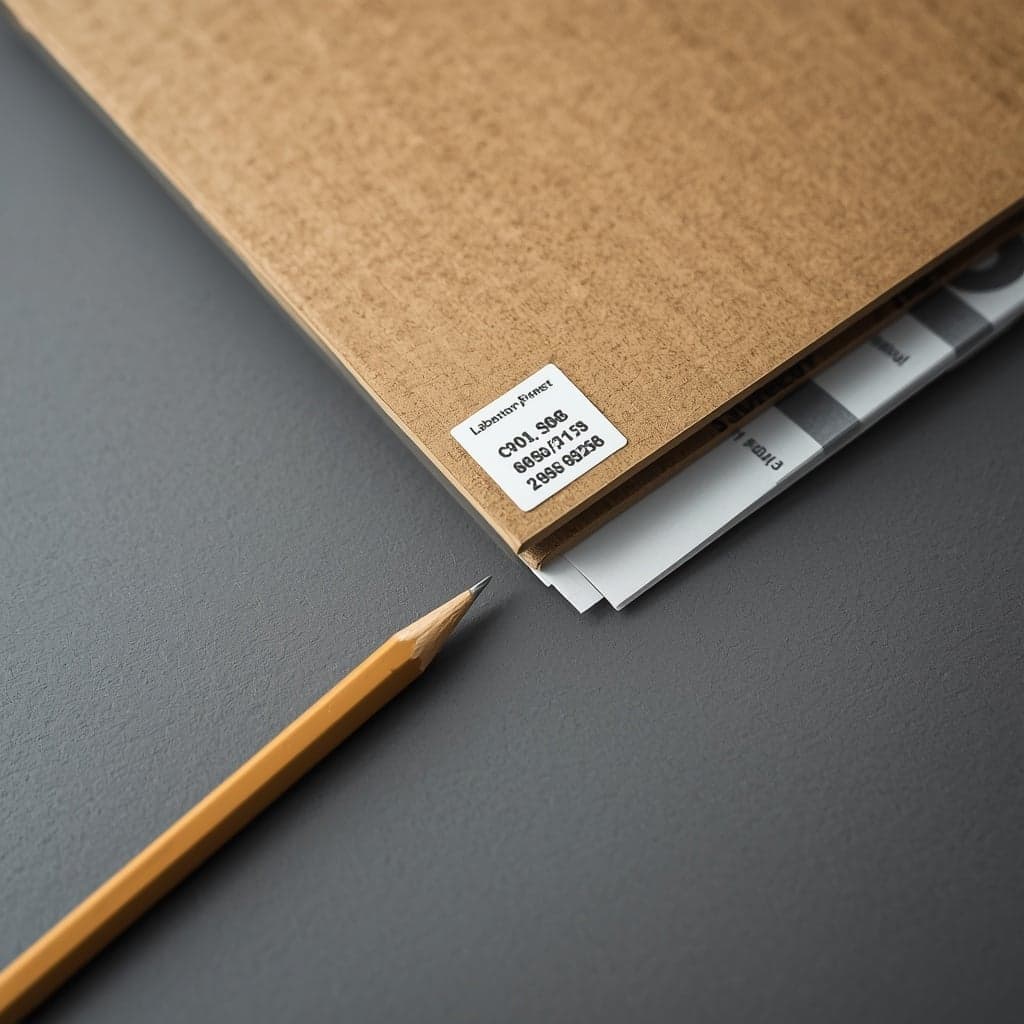
A batch code ties a bag of root bark to one harvest, one milling run and one set of paperwork. It lets you match your bag to its report, explains why two bags of the same cut can dye differently, and, written into your dye notes, turns a lucky color into one you can repeat.
Editorial desk · Written and checked in house · Updated
Every bag of root bark should carry a short code printed or written on the label. It is easy to ignore. It is also the single most useful line on the bag once you start dyeing seriously.
A batch code, sometimes called a lot number, identifies a quantity of material that was handled as one unit: bark from the same source, dried and cut together, and packed in the same run. Everything in that batch is expected to behave alike. Bark from a different batch may be close, but it is a different unit, with its own history.
The format does not matter much. Some suppliers use dates, some use sequences, some mix letters and numbers. What matters is that the code is unique and that the supplier keeps a record behind it.
Any report about a botanical, whether species identification or a contaminant panel, is a report about a sample. The sample came from a batch. The batch code is the thread that runs from the report to the bag in your hands. Without it, a certificate cannot be tied to anything you own.
So the habit is simple: read the code on your bag, then ask us for the report we hold for your batch. When you have it, check that the code on the report matches the bag exactly, character for character. For what the rest of that report means, see what a contaminant panel actually covers.
Because bark is a natural material, not a manufactured pigment. Two batches of whole mimosa hostilis root bark can differ in:
Any of those can shift the depth or tone of the color in a bath, or how fast the bath exhausts. The difference is often small. On a pale wool or a large project where skeins must match, small is enough to notice.
Dyers keep notes: fiber weight, mordant, bark weight, water, temperature, time. Add the batch code to that list. If a bath comes out exactly as you hoped, the code tells you which bark did it, and whether the bag you are about to open is the same material. If a bath goes wrong, the code helps separate a bark difference from a method difference, which is the first question when the faults that spoil a first bath show up.
For a big project, the practical rule follows: buy enough bark from one batch to finish it, or test each new batch on a sample skein first, as described in testing a dye before you commit a fleece.
Once a bag is opened, the label can end up in the recycling while the bark moves to a jar. Write the code on the jar. If you decant into several containers, write it on each. It takes a few seconds and it keeps the thread unbroken from harvest to finished skein.
A code does not guarantee a result or a quality. It is a reference, nothing more. Its value comes from the records a supplier keeps behind it and from the notes you keep after it. Used together, those two sets of notes let you compare, repeat and ask good questions.

A sample is homogenised, the compounds are dissolved out with a solvent, and the mixture is separated by chromatography — usually HPLC, which does not heat the sample and so can report acid and non-acid forms separately. Results are then compared against calibrated reference standards.
Dried bark keeps changing after it is tested. Moisture drifts, light fades the surface, and air slowly oxidizes tannins, which darkens and dulls the color a bath gives. A report describes the bark on the day it was sampled, so the date tells you how far the bag in your hands may have moved since.

A contaminant panel for dried botanical material usually checks four heavy metals (lead, arsenic, cadmium, mercury), microbial counts such as total aerobic count and yeast and mold, pesticide residues, moisture and foreign matter. Each matters for bark you weigh, sift and handle by hand, and each figure only means something next to its method and units.
Your cart is empty
Everything we sell is batch-tested, and we tell you what ships to your state before you add it.
Browse the shop