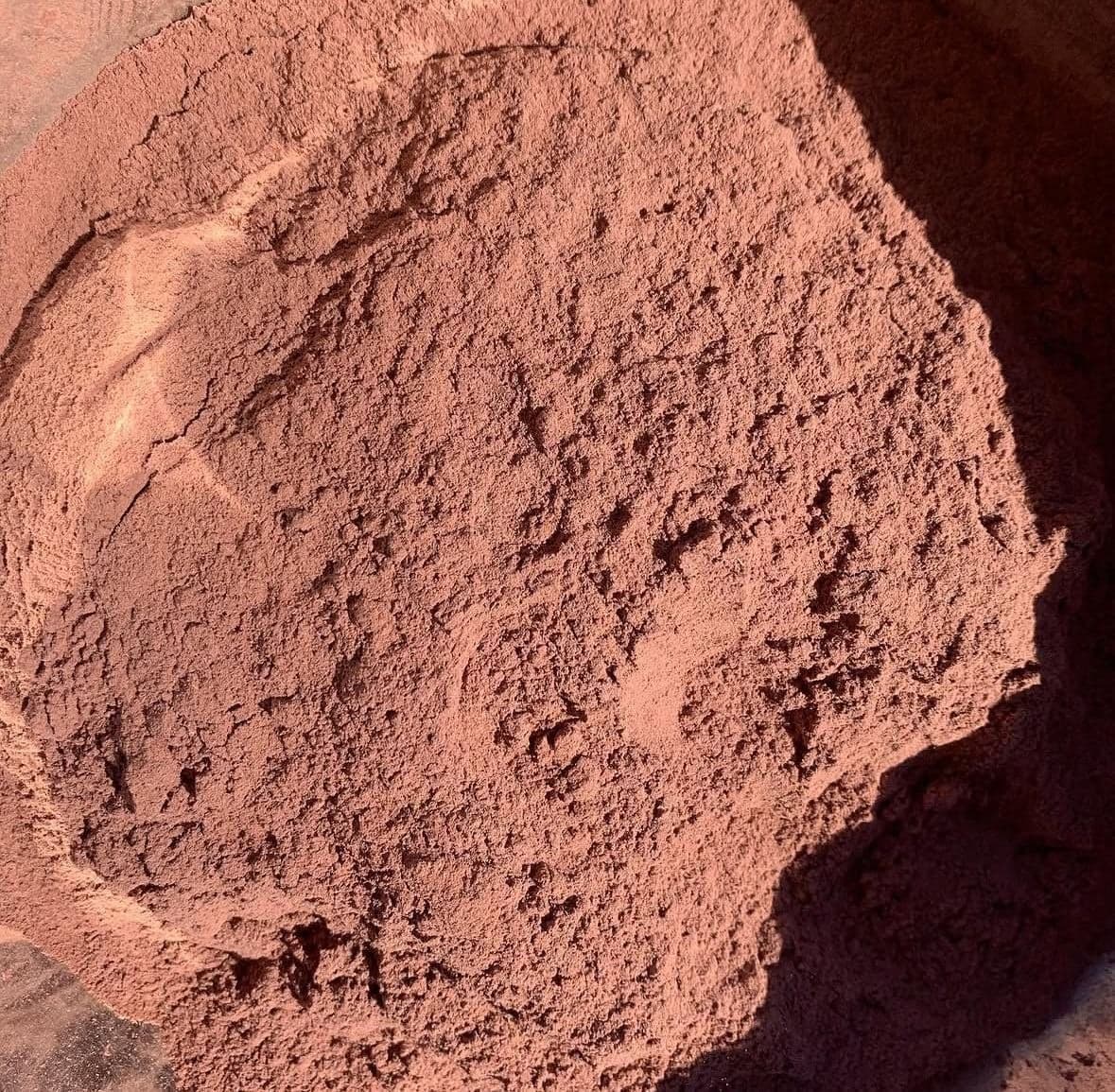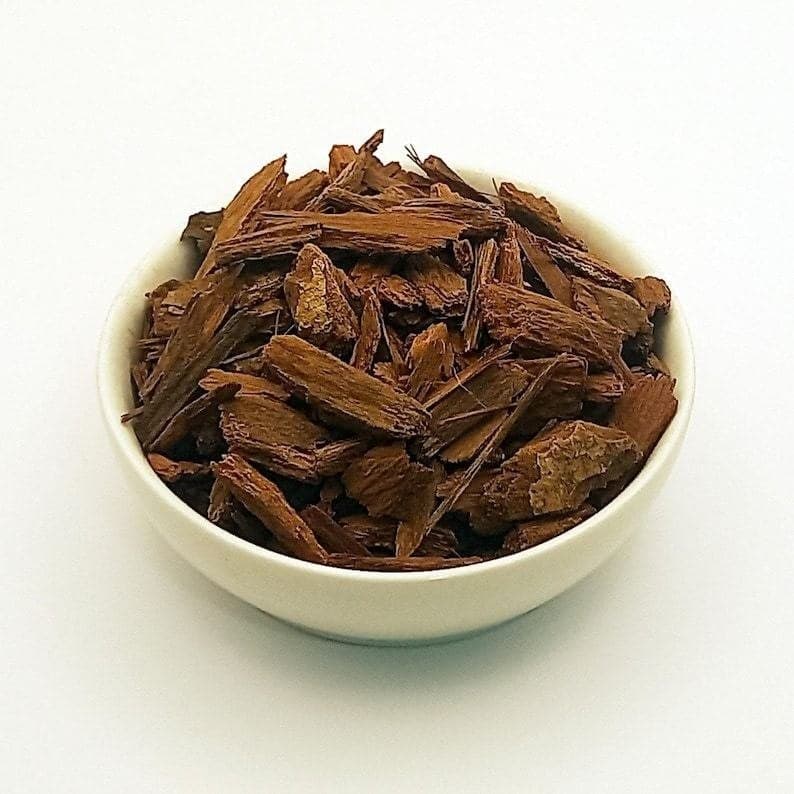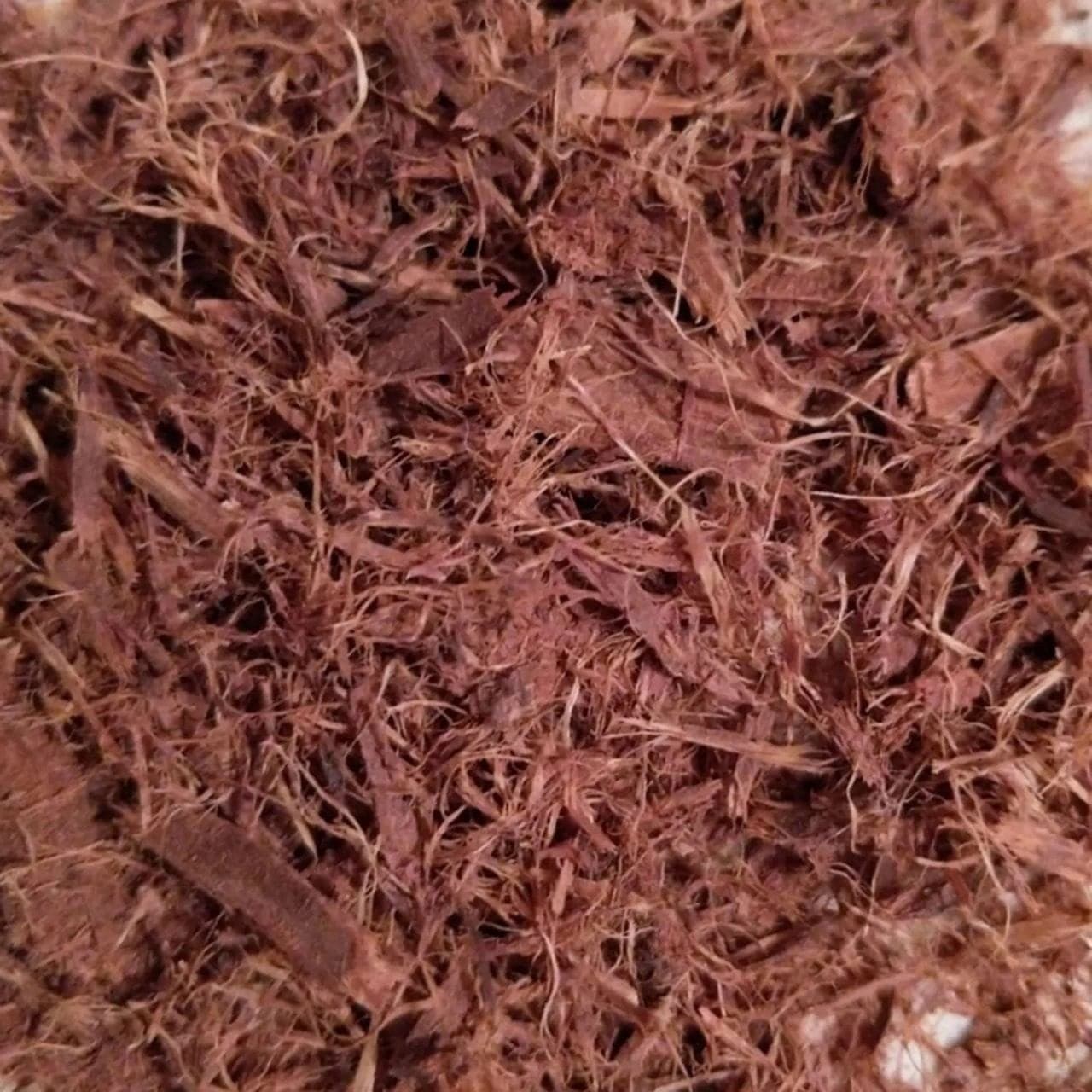
Shredded Mimosa Hostilis Root Bark
Botanical use only
$351/4 lb
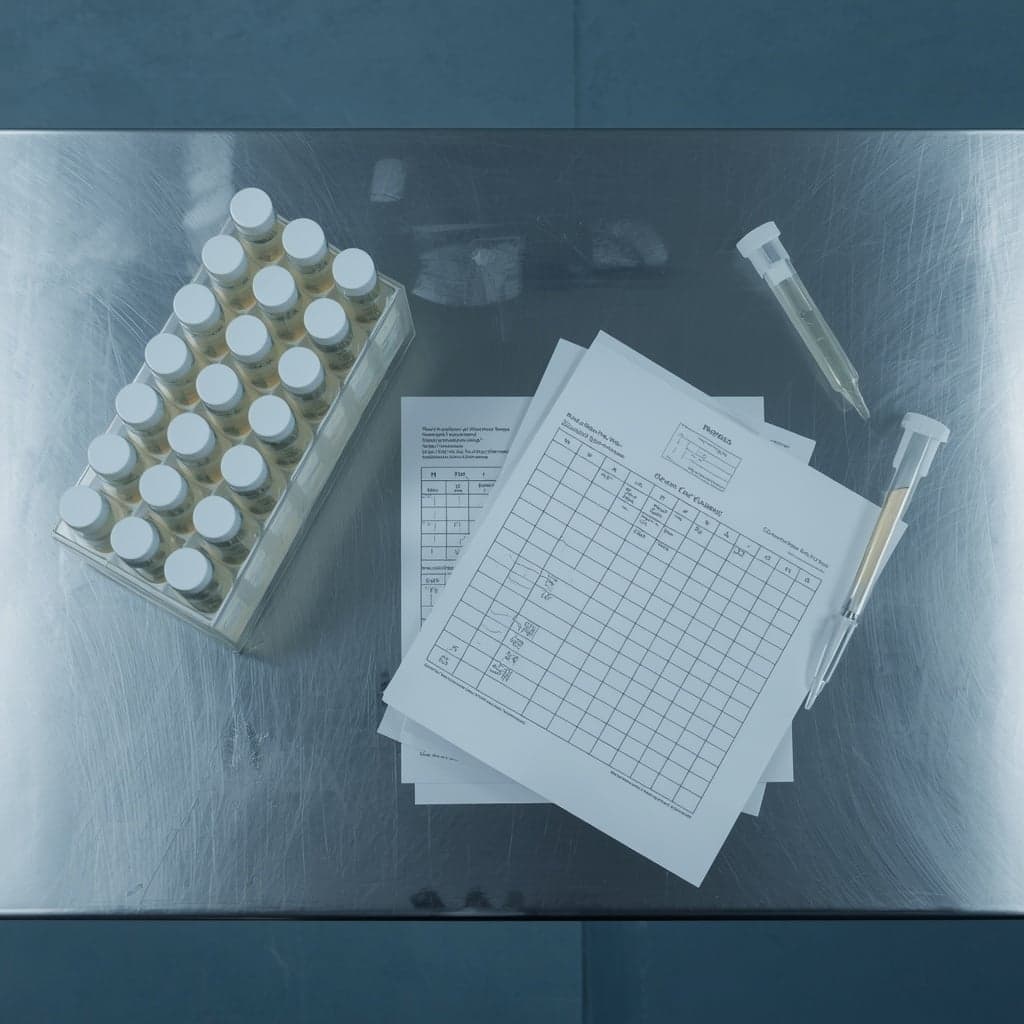
A contaminant panel for dried botanical material usually checks four heavy metals (lead, arsenic, cadmium, mercury), microbial counts such as total aerobic count and yeast and mold, pesticide residues, moisture and foreign matter. Each matters for bark you weigh, sift and handle by hand, and each figure only means something next to its method and units.
Editorial desk · Written and checked in house · Updated
A contaminant panel is the part of a botanical certificate that asks what else is in the material besides the plant. For root bark bought as a dye, soap colorant or tanning material, it is the page worth reading most carefully, because you will have the bark on your hands, in the air of your workroom as fine dust, and in a pot on your stove.
Panels vary by lab and by what the client asks for, but most for dried plant material draw from the same five groups.
| Group | What it looks for | Usually reported as |
|---|---|---|
| Heavy metals | Lead, arsenic, cadmium, mercury | ppm or ppb |
| Microbial | Total aerobic count, yeast and mold, sometimes specific bacteria | CFU/g, or detected / not detected |
| Pesticides | A screen of many residues at once | ppm or ppb per compound |
| Moisture | Water left in the dried material | Percent by weight |
| Foreign matter | Soil, stones, other plant parts, debris | Percent by weight |
Roots grow in soil, and soil carries whatever the ground has been exposed to: natural mineral deposits, old paint, traffic, mining, irrigation water. Root bark can hold on to some of that. The four metals on nearly every panel are lead, arsenic, cadmium and mercury, because they are widespread and persistent. For a dyer the practical points are simple. You breathe some dust when you weigh powder, your hands touch wet bark, and spent baths go down a drain or onto a garden. Low figures are what you hope to see, and a report lets you look rather than guess.
Dried bark is not sterile, and nobody expects it to be. A microbial panel counts living organisms per gram. Total aerobic count is a broad measure of bacteria; yeast and mold counts show how well the material was dried and stored. A high mold count often points to bark that was bagged damp or stored somewhere humid. Some panels also test for specific bacteria and report them simply as detected or not detected in a stated sample size.
Root bark is usually wild-harvested or taken from managed stands, but the land around it may have been sprayed, and bark can pick up residues during drying or transport. A pesticide screen runs many compounds at once and lists each against the lowest level the method can see. A long list of ND results is normal and good. Read the method name too: a screen that looks for fifty compounds says less than one that looks for three hundred.
These two are less dramatic but matter more day to day. Moisture decides how well bark keeps. Too wet and it molds; very dry bark keeps well but sheds more fine dust. It also changes your arithmetic, since you are paying for, and weighing, some water along with the bark. Foreign matter is anything that is not the named plant part: soil, grit, wood, leaves. Grit in powder shows up as sediment in the dye pot and specks on pale fiber.
Those terms are explained in a glossary of certificate terms. For habits that keep dust down while you work, read working safely with fine-milled bark.
If you have a bag of shredded mimosa hostilis root bark or sassafras from us, find the batch code and ask us for the report we hold for your batch. A panel is only useful when it belongs to the material in front of you.

A sample is homogenised, the compounds are dissolved out with a solvent, and the mixture is separated by chromatography — usually HPLC, which does not heat the sample and so can report acid and non-acid forms separately. Results are then compared against calibrated reference standards.

Dried bark keeps changing after it is tested. Moisture drifts, light fades the surface, and air slowly oxidizes tannins, which darkens and dulls the color a bath gives. A report describes the bark on the day it was sampled, so the date tells you how far the bag in your hands may have moved since.
A botanical certificate of analysis uses a small working vocabulary: LOD and LOQ set what a method can see and measure, ND means nothing was found above that level, ppm and ppb express tiny amounts, and CFU/g counts living microbes. Knowing these terms lets you read any bark report in minutes.
Your cart is empty
Everything we sell is batch-tested, and we tell you what ships to your state before you add it.
Browse the shop