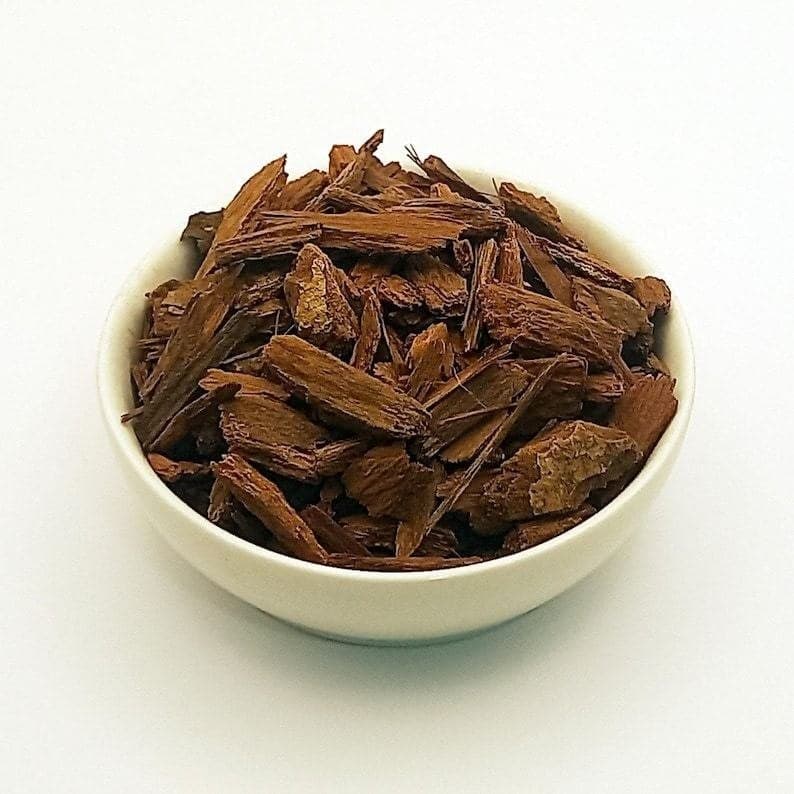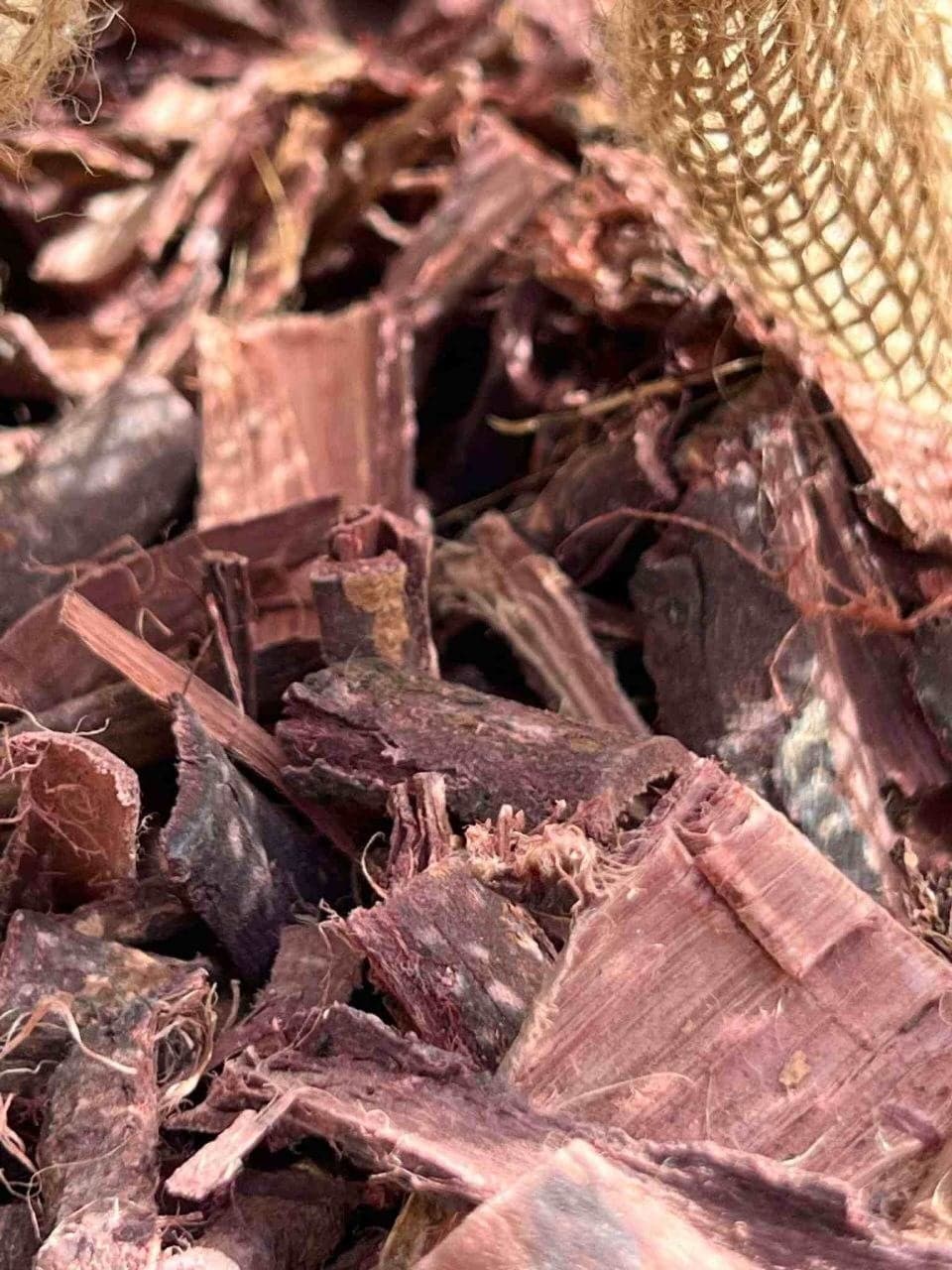
Whole Mimosa Hostilis Root Bark (Chips and Strips)
Botanical use only
$32.501/4 lb
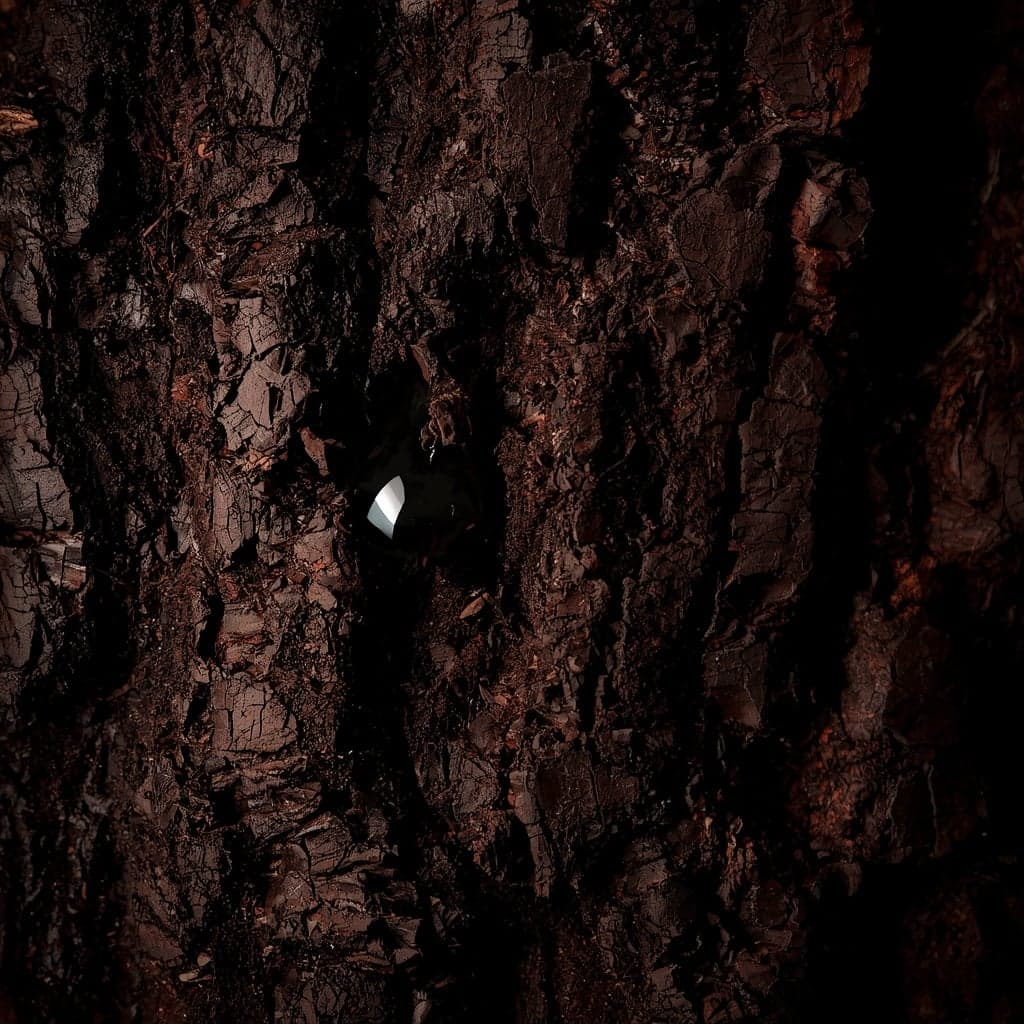
Tannins bind to protein and to metal ions. That single property explains why tannin-rich bark takes so strongly on wool and silk, why it needs help on cotton, why a pinch of iron darkens a whole pot, and why hard water quietly dulls a colour you had judged in the jar.
Editorial desk · Written and checked in house · Updated
Most dyeing advice is a list of instructions with the reasons left out. Tannin is worth an exception, because one property of it explains four separate things that otherwise look unrelated.
Tannins are plant compounds that bind readily to two things: protein, and metal ions. Everything below is that sentence, applied.
Wool and silk are protein fibres. The tannin has something to hold onto the moment the fibre enters the bath, which is why a tannin-rich bark gives depth on them with nothing more than a clean alum mordant and patience.
It is also why these fibres are unforgiving of an uneven start. If part of a skein wetted out and part did not, the tannin binds where the water went, and you get the pale patches people blame on the bark.
Plant fibres are cellulose. There is far less for tannin to bind to, which is why natural colour on cotton is famously weak and why the traditional recipes for it add a tannin step of their own before the mordant. You are effectively giving the cellulose a protein-like surface to work with.
If you are taking a bark colour onto cotton, expect to spend the extra step rather than expect the bark to behave like it does on wool.
Iron is a metal ion, and tannin binds metal ions. A quantity of iron that looks like nothing at all — one or two per cent of the fibre weight — will take a plum to a slate or charcoal in under a minute, because it is not tinting the fibre, it is reacting with what is already on it.
This is also why the depth you can reach with iron depends on how much colour is in the fibre to begin with. A skein dyed at a hundred per cent of its weight in bark moves dramatically; one dyed at thirty barely shifts.
Hard water carries dissolved calcium and magnesium. Those are metal ions too, and they bind some of the tannin before your fibre ever gets a chance at it. The result is not a disaster, it is a quiet flattening: the same recipe, a shade greyer and less clear than the one you remember.
If your colours are consistently duller than your notes say they should be, test the water before you blame the material. Rainwater or filtered water for the dye bath is the cheapest experiment in this craft.
| Observation | The tannin reason |
|---|---|
| Deep colour on wool and silk | Tannin binds protein |
| Weak colour on cotton without extra steps | Cellulose gives it little to bind to |
| A pinch of iron changes everything | Tannin binds metal ions |
| Dull results from the same recipe | Minerals in hard water bind it first |
Everything described here is raw botanical material sold for dyeing, soap making and craft work. It is not food, it is not a supplement, and it is not for human consumption. Nothing on this page is a recommendation to put any of it in or on a body.

We are a US business first, but we also ship Mimosa hostilis and sassafras root bark to other countries. Each international order is quoted separately, because the cost of sending bark abroad depends on its weight. Ask through the bulk enquiry form, choose Outside the United States, and check your own country's import rules for plant material before you order.
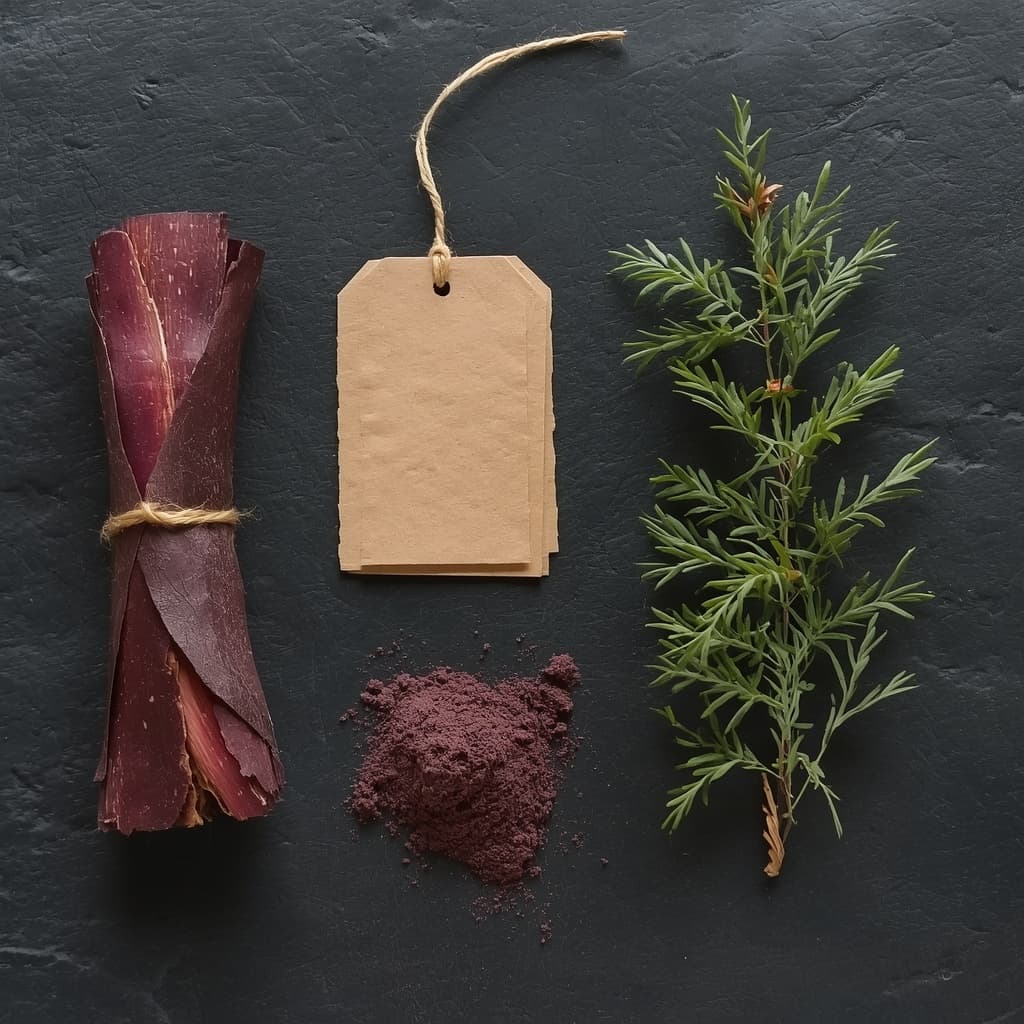
Mimosa hostilis and Mimosa tenuiflora are the same tree. Mimosa tenuiflora is the botanical name in current use and Mimosa hostilis is an older synonym that the dye trade kept. Jurema preta and tepezcohuite are its common names. It is not the leather trade's mimosa, the sensitive plant, or the pink-flowered mimosa tree of American gardens.
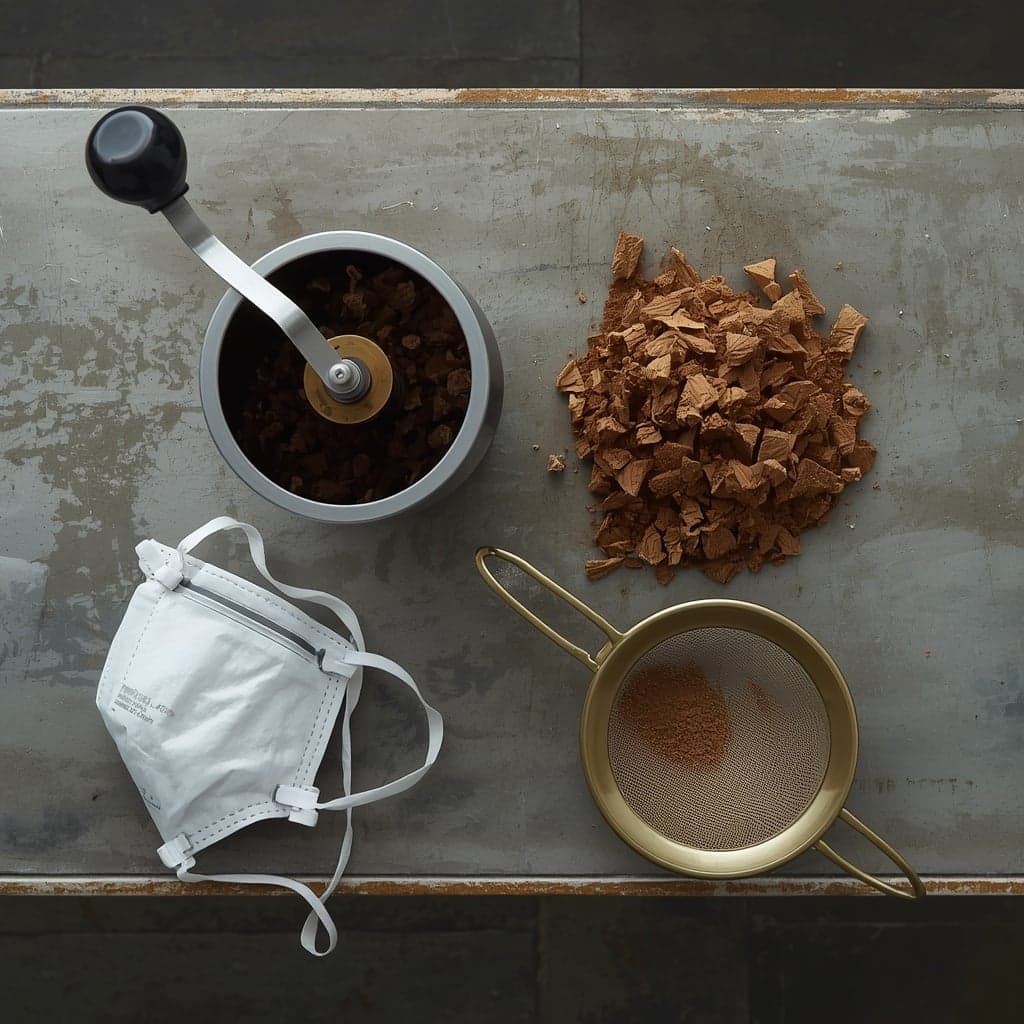
A coffee or spice grinder will take shredded bark to a usable powder in short bursts, sieved between passes. It is worth doing when you want one cut in the cupboard and both in the pot; it is not worth doing for volume, because domestic grinders overheat and the dust is considerable.
Your cart is empty
Everything we sell is batch-tested, and we tell you what ships to your state before you add it.
Browse the shop