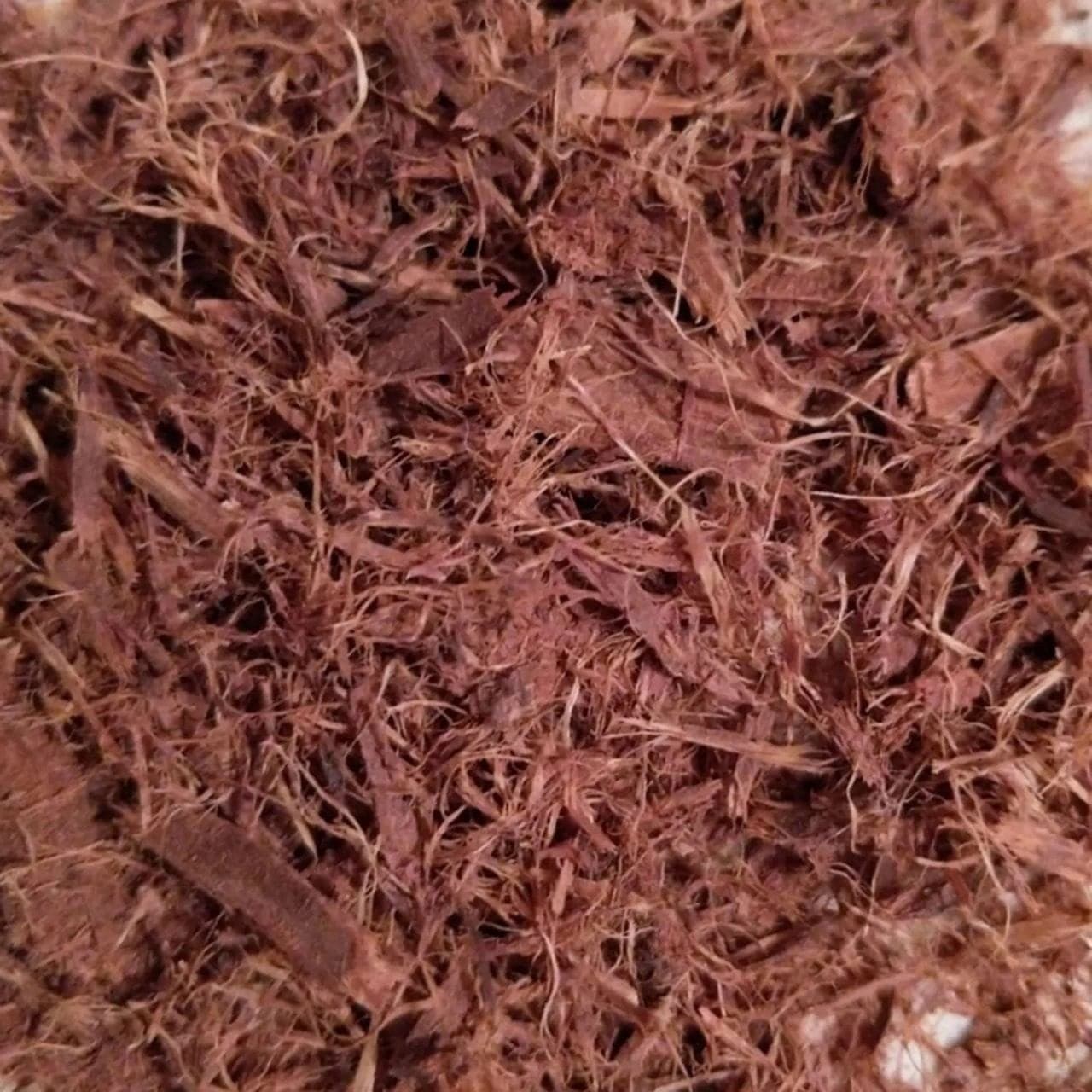
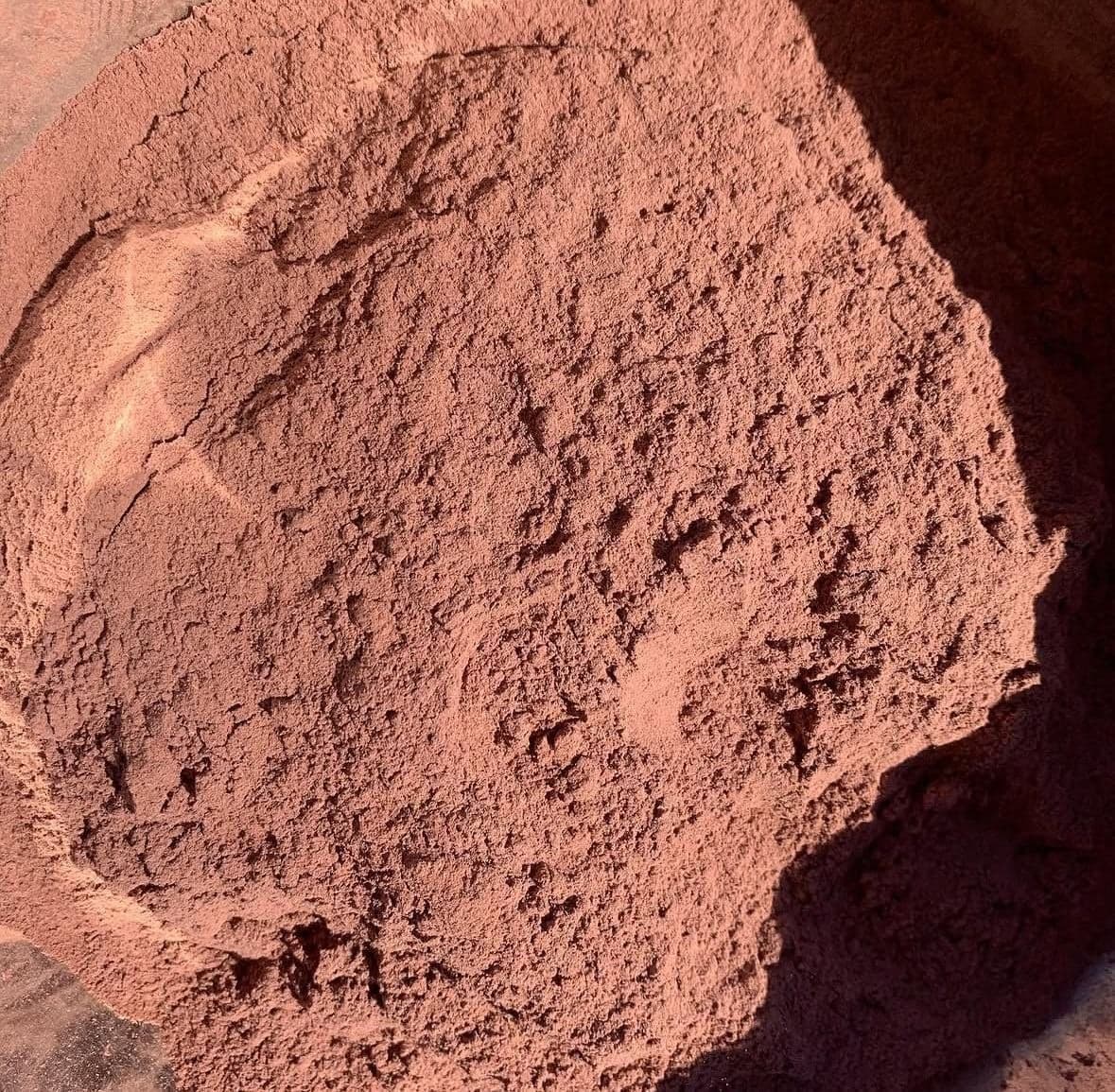
Mimosa Hostilis Root Bark Powder
Botanical use only
$37.501/4 lb
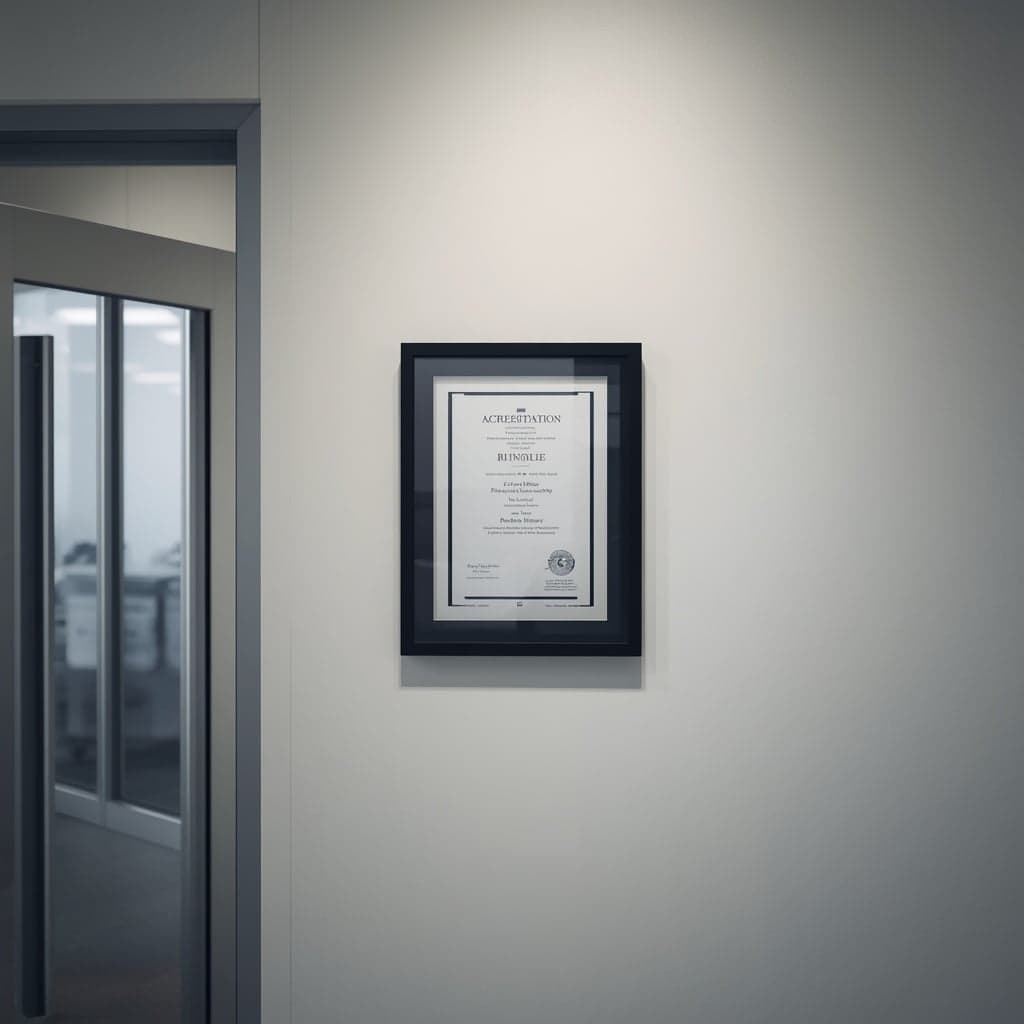
ISO/IEC 17025 is the international standard for the competence of testing and calibration laboratories. Accreditation means an independent body has assessed a lab's methods, staff, equipment and record-keeping for a defined list of tests. It covers only the tests on the lab's scope, so a buyer should check that scope, not just the logo.
Editorial desk · Written and checked in house · Updated
If you buy root bark by the pound for a dye pot, a soap batch or a tanning project, sooner or later a lab report enters the conversation. Many of those reports carry a line saying the laboratory is accredited to ISO/IEC 17025. That line is worth understanding, because it tells you something specific and useful, and it is easy to read more into it than is there.
ISO/IEC 17025 is an international standard, published jointly by the International Organization for Standardization and the International Electrotechnical Commission, that sets out the general requirements for the competence of testing and calibration laboratories. It covers two broad areas. The first is management: impartiality, confidentiality, document control, how complaints are handled and how mistakes are corrected. The second is technical: whether staff are trained for the work they do, whether instruments are calibrated and traceable, whether methods are validated, and whether the lab can show how uncertain its numbers are.
A lab can say it *follows* the standard without anyone checking. Accreditation is different. It means an accreditation body has sent assessors, reviewed the records, watched the work and agreed that the lab meets the standard for particular tests.
The single most important idea is the scope of accreditation. A lab is never accredited for everything it does. It is accredited for a listed set of tests, on listed kinds of material, by listed methods. A lab might be accredited for lead and arsenic in plant material by one instrumental method, and not accredited at all for microbial counts, even though it offers both.
So when a certificate for a batch of bark shows an accreditation mark, the fair question is whether each test on that page sits inside the lab's scope. Good reports flag any result that falls outside it, often with a symbol and a footnote.
You do not need special access to verify a claim. The usual steps are:
If any of those steps fails, the report may still be honest work, but it is not accredited work, and you should weigh it that way.
Accreditation is about the lab, not the bark. It says the lab can measure competently. It does not say the sample was chosen well, that the sample came from the bag in your hands, or that the result is good. A perfectly accredited lab can accurately report a figure you would not want. It also says nothing about a supplier's own handling, storage or packing.
That is why the report has to be tied to your material. The link between the two is the batch code, which we cover in what a batch code is for. A certificate with no batch code on it is a certificate about something, but you cannot know what.
Bark for dyeing is handled by hand, weighed as dust and poured away as spent liquor. Knowing that a reputable lab looked at heavy metals and microbial counts is simply good practice, the same way you would want to know what is in a mordant. For a plain walk through those tests, see what a contaminant panel actually covers.
If you buy mimosa hostilis root bark powder or any other cut from us and want to see paperwork, note the batch code on your bag and ask us for the report we hold for your batch. Read it with the scope in one hand and the directory listing in the other, and you will know exactly how much weight it can carry.

A sample is homogenised, the compounds are dissolved out with a solvent, and the mixture is separated by chromatography — usually HPLC, which does not heat the sample and so can report acid and non-acid forms separately. Results are then compared against calibrated reference standards.

Dried bark keeps changing after it is tested. Moisture drifts, light fades the surface, and air slowly oxidizes tannins, which darkens and dulls the color a bath gives. A report describes the bark on the day it was sampled, so the date tells you how far the bag in your hands may have moved since.
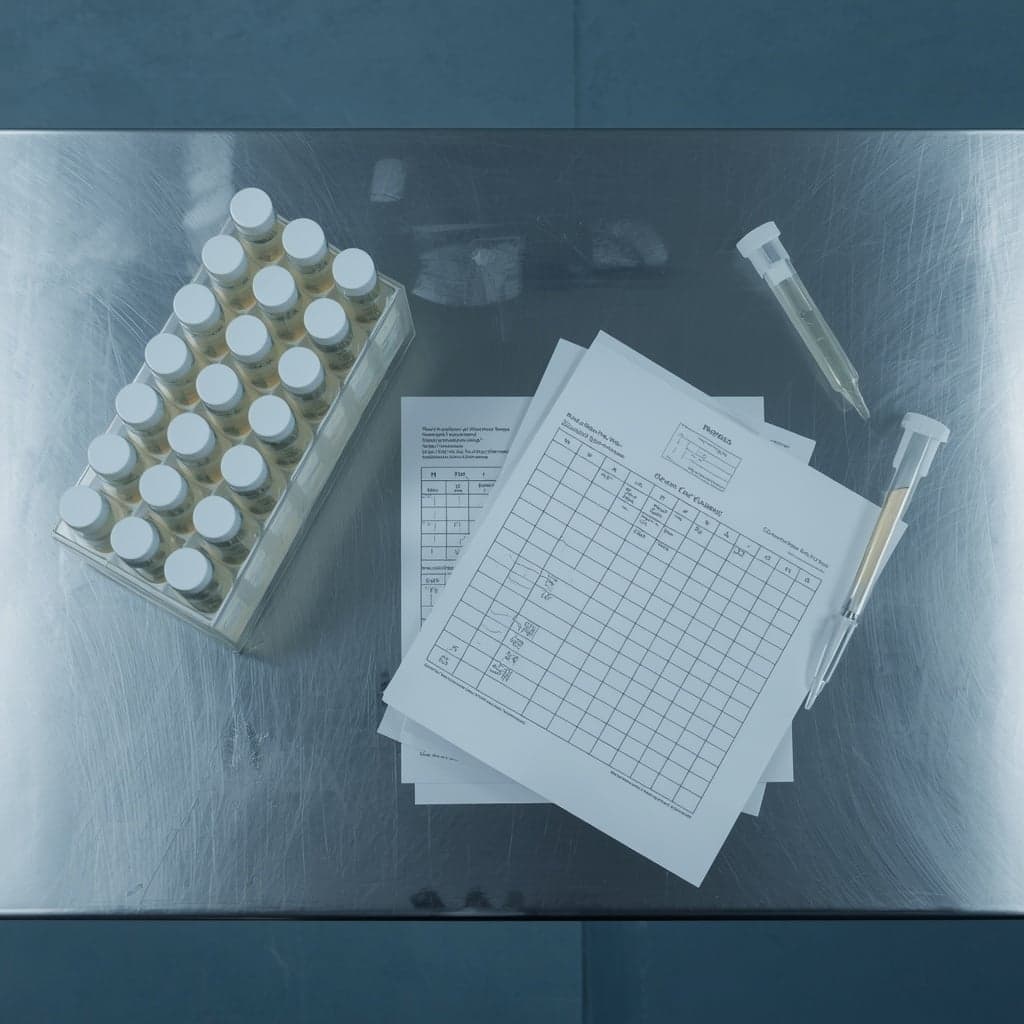
A contaminant panel for dried botanical material usually checks four heavy metals (lead, arsenic, cadmium, mercury), microbial counts such as total aerobic count and yeast and mold, pesticide residues, moisture and foreign matter. Each matters for bark you weigh, sift and handle by hand, and each figure only means something next to its method and units.
Your cart is empty
Everything we sell is batch-tested, and we tell you what ships to your state before you add it.
Browse the shop