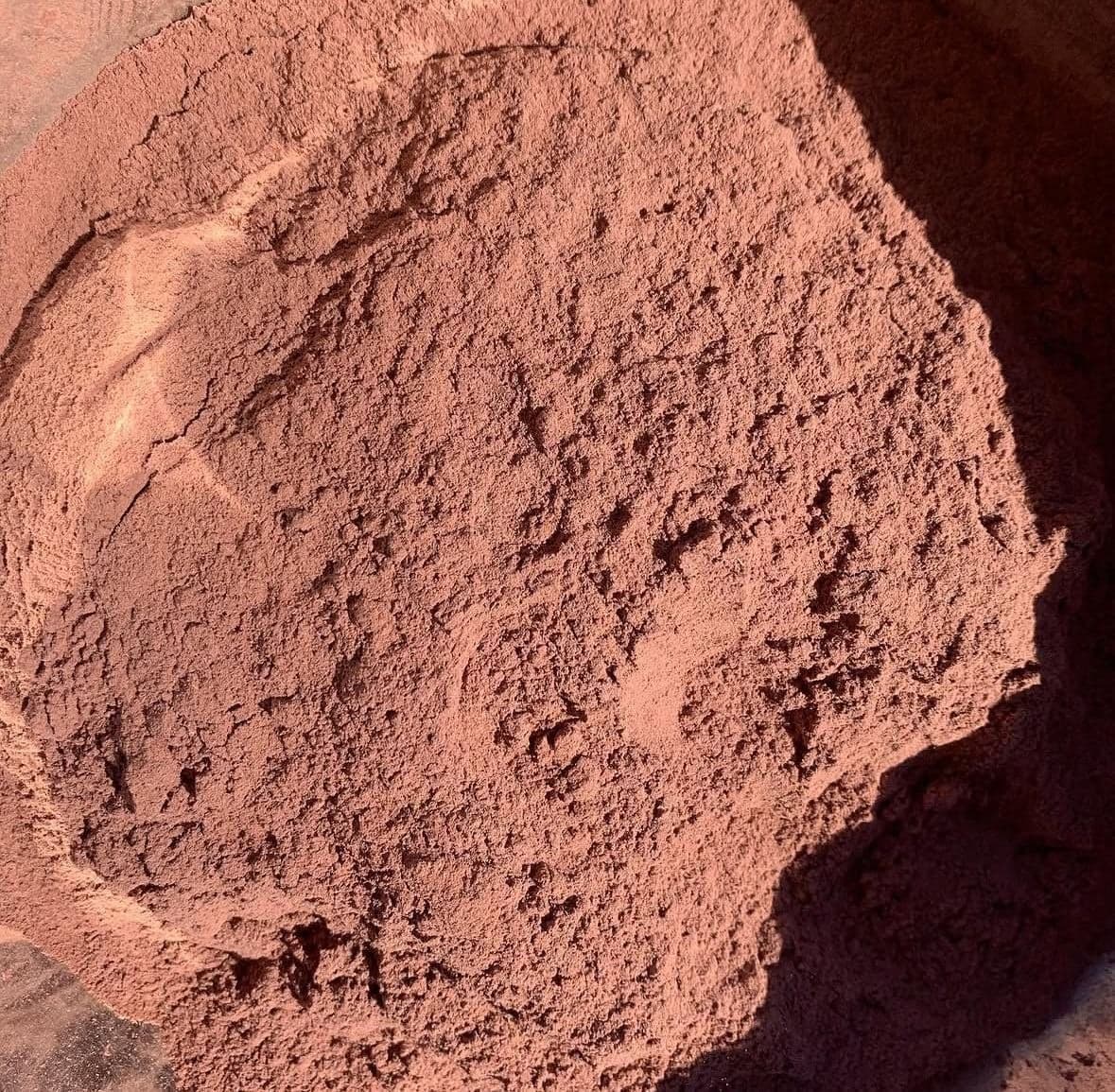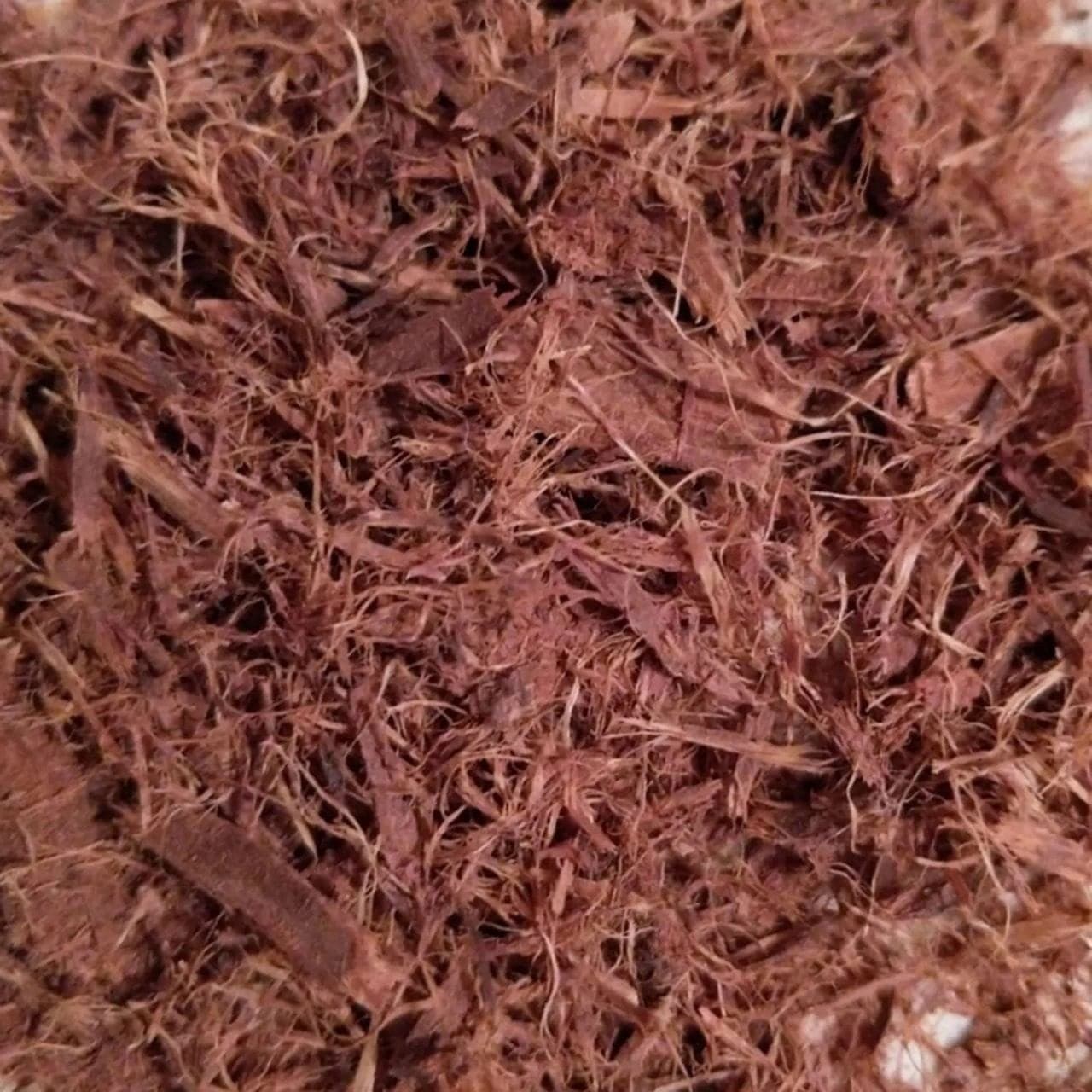
Shredded Mimosa Hostilis Root Bark
Botanical use only
$351/4 lb
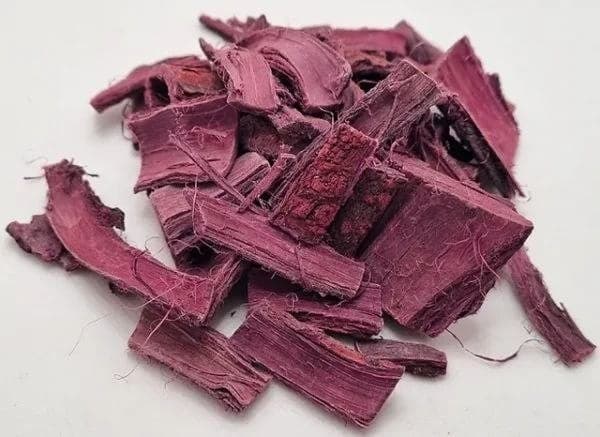
On wool and silk, Mimosa hostilis gives colors that hold well in the wash and reasonably well in light, because its tannins bind to protein fiber. Alum mordant improves both, iron-modified greys are the most durable of all, and the pinks are the first shades to soften in strong sun.
Editorial desk · Written and checked in house · Updated
Colorfast is two questions, not one. Washfastness is whether the color survives water, soap and rubbing. Lightfastness is whether it survives daylight. A dye can do well on one and poorly on the other, and Mimosa hostilis root bark behaves differently on each.
Mimosa root bark is heavy with tannins, the same family of compounds that turns hide into leather. Tannins bond to the protein in wool and silk on their own, which is why this bark can dye protein fiber without a separate mordant, and why the color it leaves does not simply rinse out. What tannins do in a dye bath goes into the chemistry.
Once the fiber has cooled in the bath and been rinsed until the water runs clear, the color left behind is well attached. Most dyers find it survives ordinary hand washing without noticeable loss. What does take color out is heat and alkali together: a hot wash with a strongly alkaline detergent will pull the purples toward brown and lift some depth. Wash in cool or lukewarm water with a pH-neutral wool wash, and do not soak for hours.
The rose, pink and lilac tones are the most delicate part of the range. Hung in a sunny window they soften and warm over months, drifting toward tan. The deeper plums and burgundies last longer simply because there is more dye in the fiber. The slate, grey and charcoal shades that come from an iron afterbath are the most lightfast of all, because the iron and tannin form a dark compound that fades very slowly.
| Shade | How it is made | Light | Wash |
|---|---|---|---|
| Pale rose and lilac | Light bath, or an exhaust bath | Fair: softens in strong sun | Good |
| Plum and burgundy | Heavy bath, 50 to 100% bark | Good | Good |
| Slate and charcoal | Any bath, then an iron afterbath | Very good | Very good |
Water, fiber and mordant all change the answer, so the only colorfastness figure that matters is the one from your own pot. For light, cut a dyed swatch in two, keep one half in a drawer and tape the other to a sunny window for two to four weeks, then compare them side by side. For washing, stitch a strip of undyed white cotton to a dyed swatch, wash them together as you would the finished piece, and check the white for staining. Testing a dye before you commit a fleece covers the rest of the sampling routine.
Plant fibers carry no protein, so the tannins have less to hold on to and the color is paler and less durable unless the fiber is mordanted with tannin and then alum before dyeing. With that preparation the results come much closer to wool. Wool, silk, cotton and linen in the same bath shows the difference on one set of swatches.
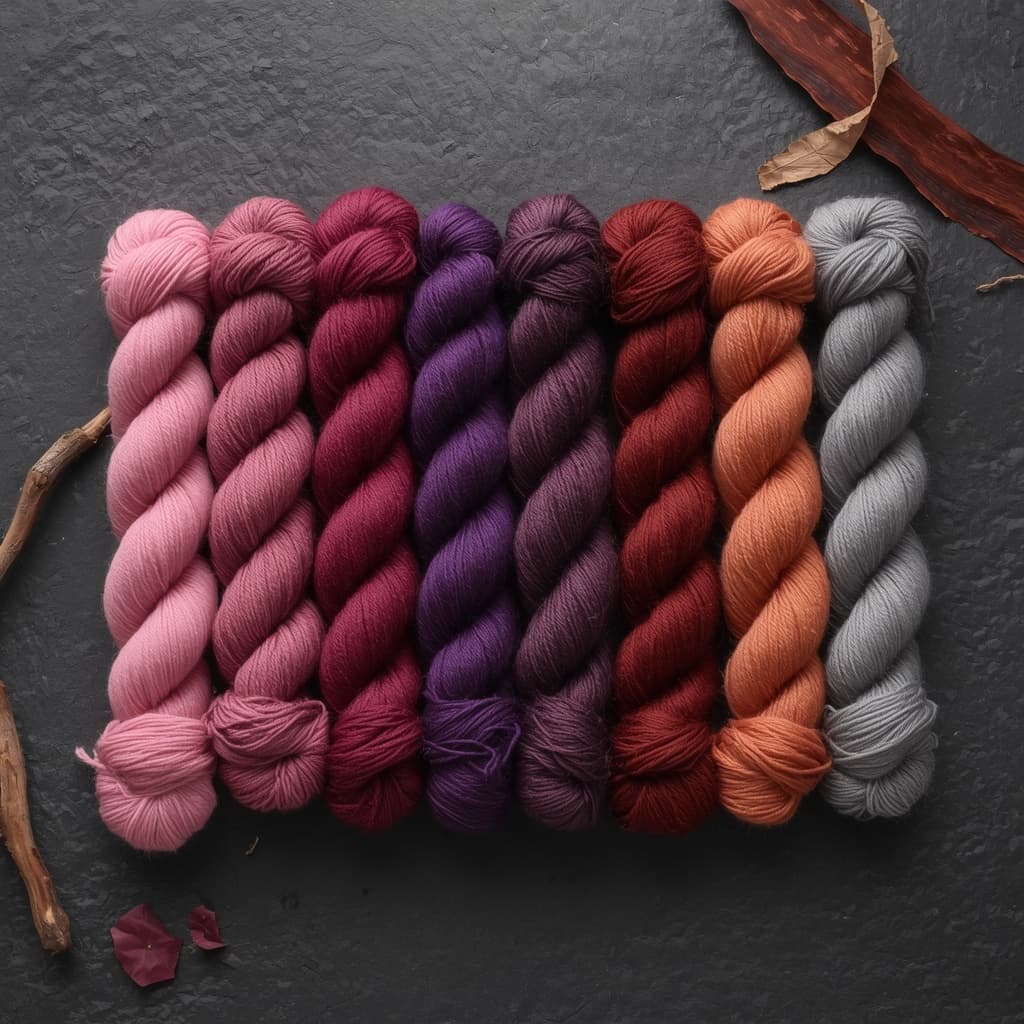
Overdyeing is dyeing one color on top of another. Mimosa hostilis gives rose to plum, so over indigo blue it makes violet and deep purple, over a yellow dye it makes peach, coral and rust, and with iron it turns grey and slate. Dye small samples first, and change only one thing between them.
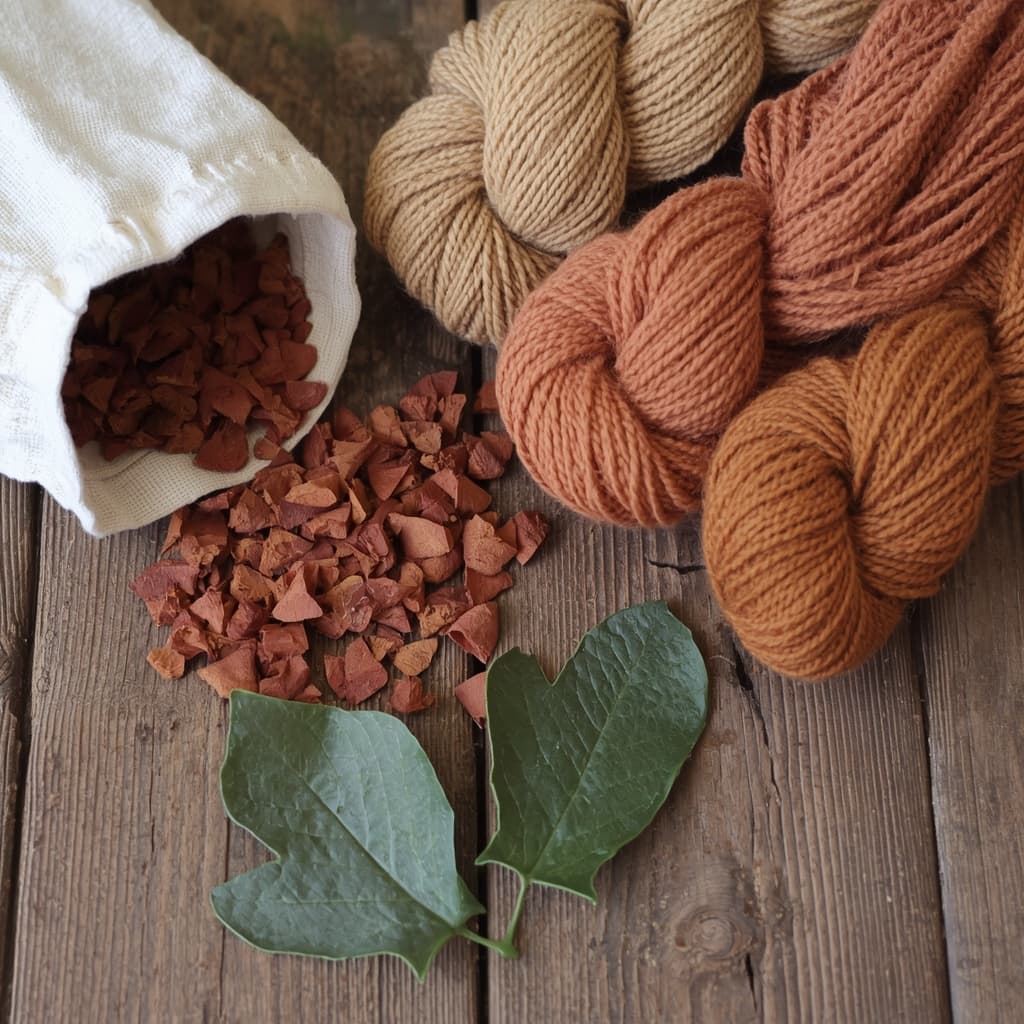
Sassafras root bark gives warm tan, rose-tan and orange-brown on wool mordanted with alum, and grey-brown with an iron afterbath. Use about a pound of bark to a pound of dry wool. Soak the bark overnight, simmer it gently for an hour, strain, then hold the mordanted wool in the bath just under a simmer for an hour and let it cool there.
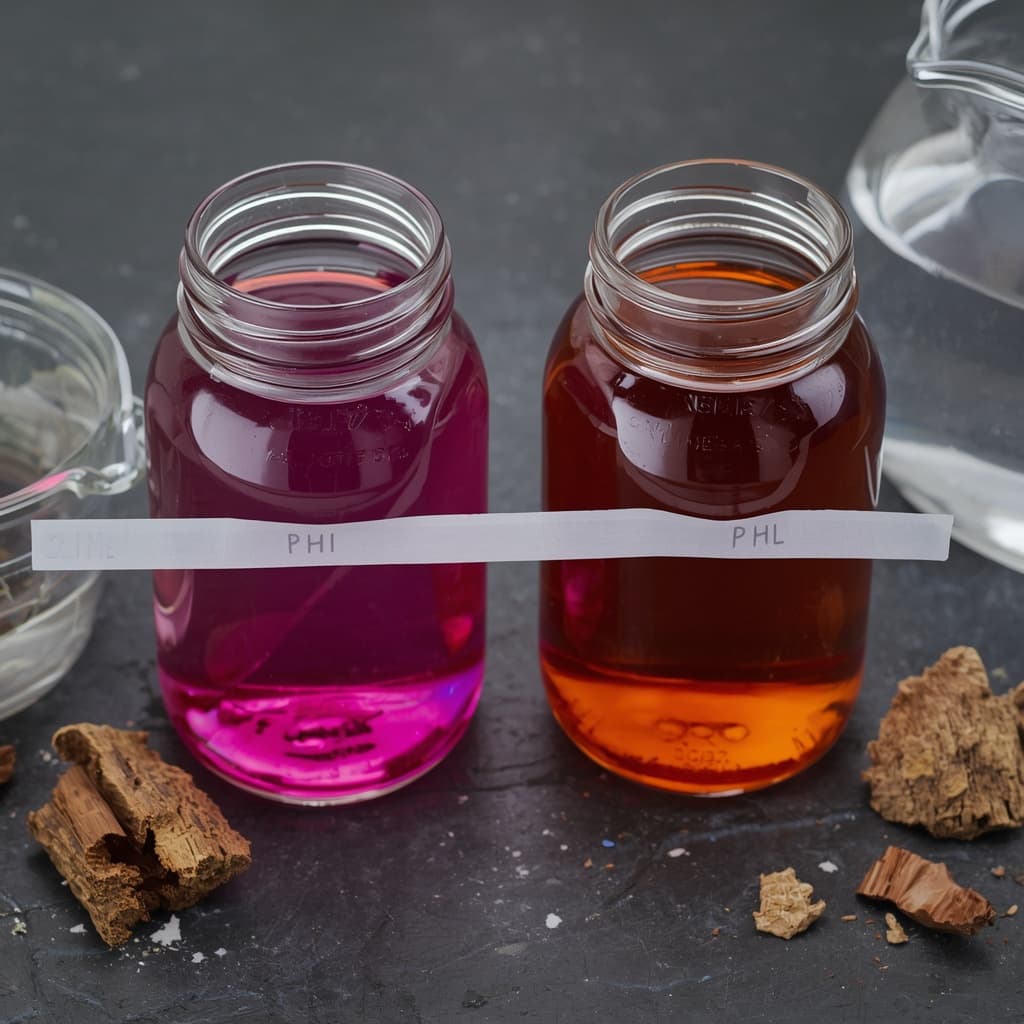
Hard water carries calcium and magnesium and usually runs alkaline, and both shift a tannin dye. With Mimosa hostilis the purples drift toward brown and the color looks duller. Iron in well water greys it further. Rainwater or distilled water is the simplest answer; a little white vinegar or citric acid, to bring the bath to about pH 5 or 6, is the next best.
Your cart is empty
Everything we sell is batch-tested, and we tell you what ships to your state before you add it.
Browse the shop