A total is calculated, not added: the acid figure is multiplied by 0.877 to account for mass lost on conversion, then the non-acid figure is added. Adding the two raw numbers instead inflates the result by about 12 per cent, which is the most common way a legitimate certificate is misread.
Editorial desk · Written and checked in house · Updated
Two products can carry certificates from the same laboratory and advertise very different figures from almost identical data, purely because of how the total was worked out.
Total = (acid form × 0.877) + non-acid form
The multiplier exists because the acid loses a carboxyl group when it converts, and that group is about 12.3 per cent of the molecule's mass. The conversion cannot produce more than 87.7 per cent of the acid's weight, so a total that ignores it describes something chemically impossible. See THCa and what heat does to it.
| Reported on the certificate | Figure |
|---|---|
| Acid form | 20.0% |
| Non-acid form | 0.8% |
| Correct total | (20.0 × 0.877) + 0.8 = 18.3% |
| Wrong total, simple addition | 20.8% |
A 2.5 point difference from arithmetic alone. On a shelf beside competitors, that is exactly the sort of gap that decides a purchase.
1. Find the acid figure and the non-acid figure as separate lines. A certificate that reports only a total is hiding the step you want to check. 2. Multiply the acid figure by 0.877. 3. Add the non-acid figure. 4. Compare with what the packaging claims.
If the package figure is meaningfully higher than your calculation, the difference is usually the missing multiplier.
A potency figure describes one batch on one date and says nothing about whether the material was clean. The contaminant panel is the part worth reading, and it is the part most certificates published for marketing purposes leave out. See what a full contaminant panel covers.
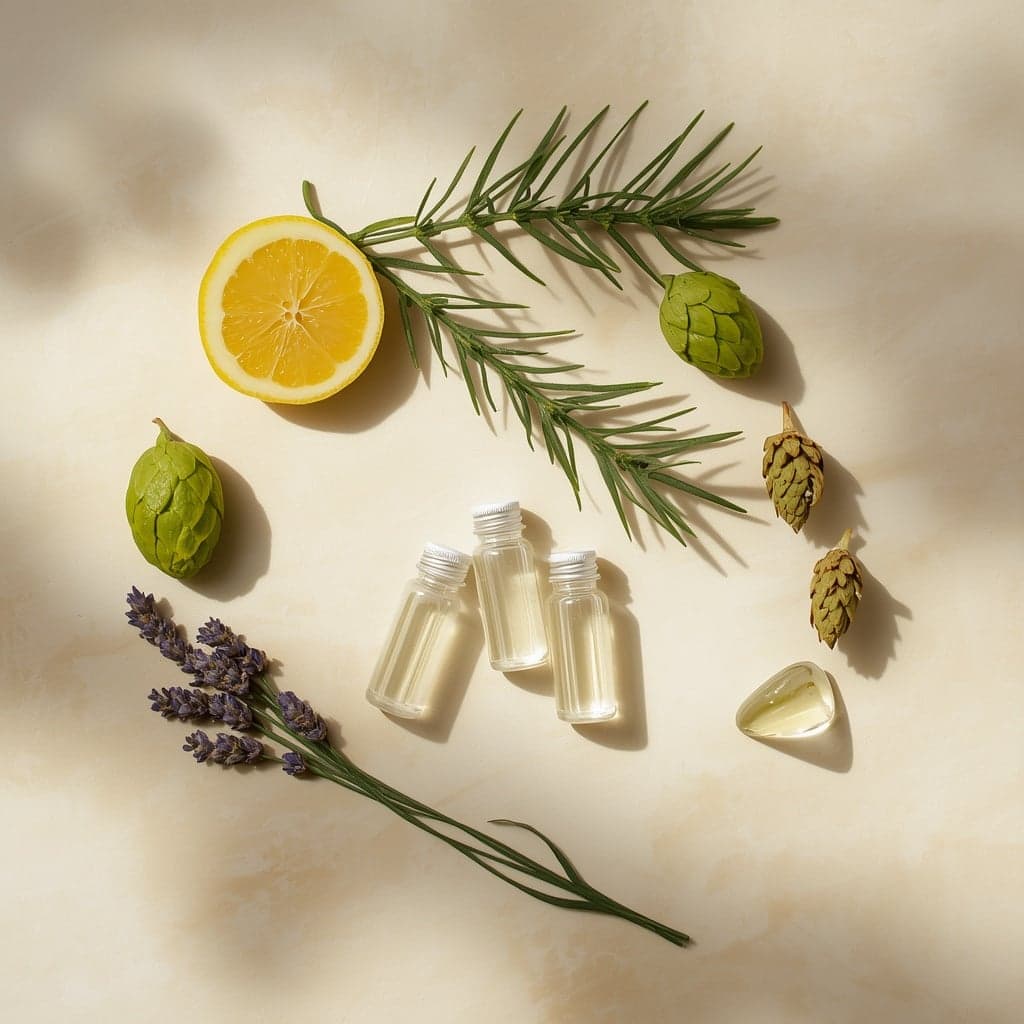
Terpenes are the volatile aromatic compounds that give plants their smell — limonene in citrus peel, pinene in pine, linalool in lavender. They are why two products with similar cannabinoid figures taste nothing alike, and because they evaporate easily, they are also the first thing heat and time take away.
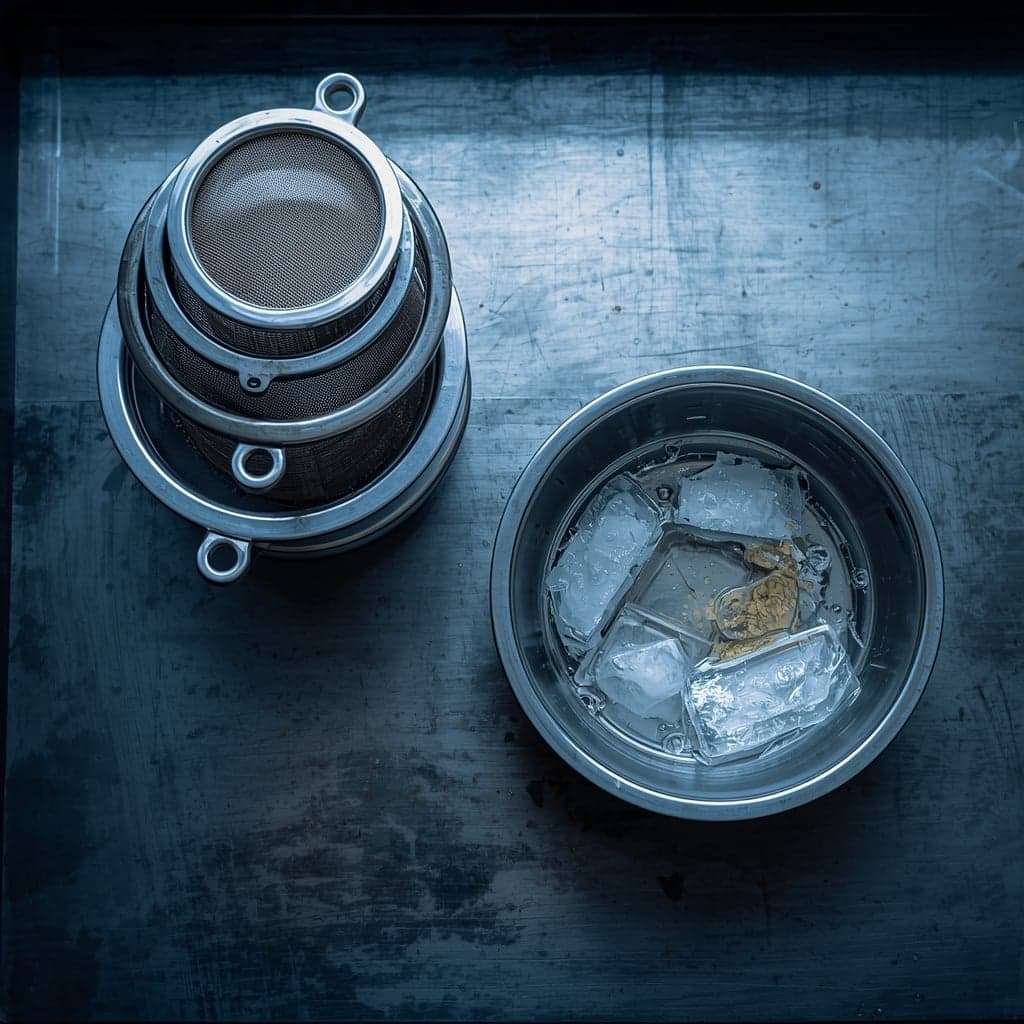
Solventless means the material was separated using only water, ice, heat, pressure or agitation — no butane, propane, ethanol or carbon dioxide at any stage. It is not a synonym for clean or for strong. It removes one category of risk, and every other question about contamination still applies.
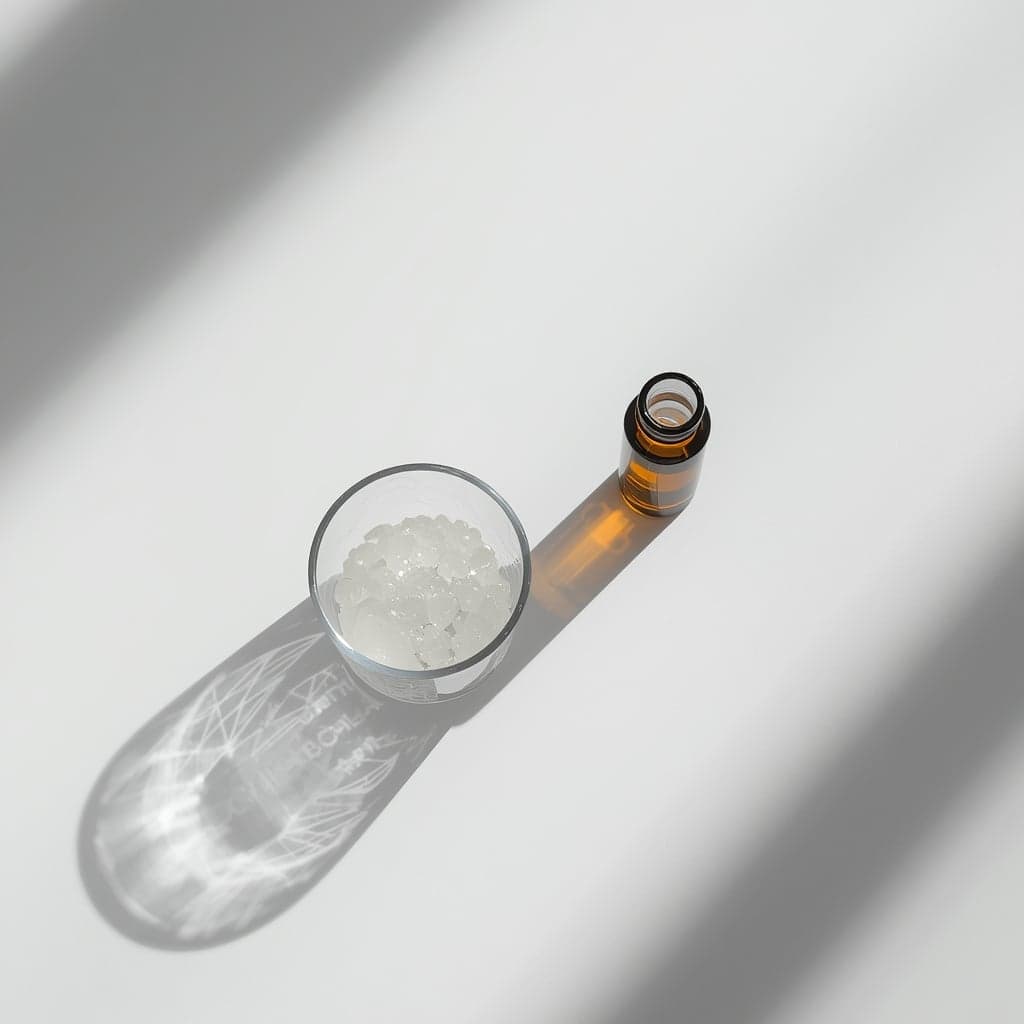
THCa is the acid form the living plant actually produces. Heat drives off a carbon dioxide group and converts it to the non-acid compound, losing about 12 per cent of the molecular weight in the process. That conversion is why a certificate reports both figures and why totals are calculated rather than added.
Your cart is empty
Everything we sell is batch-tested, and we tell you what ships to your state before you add it.
Browse the shop