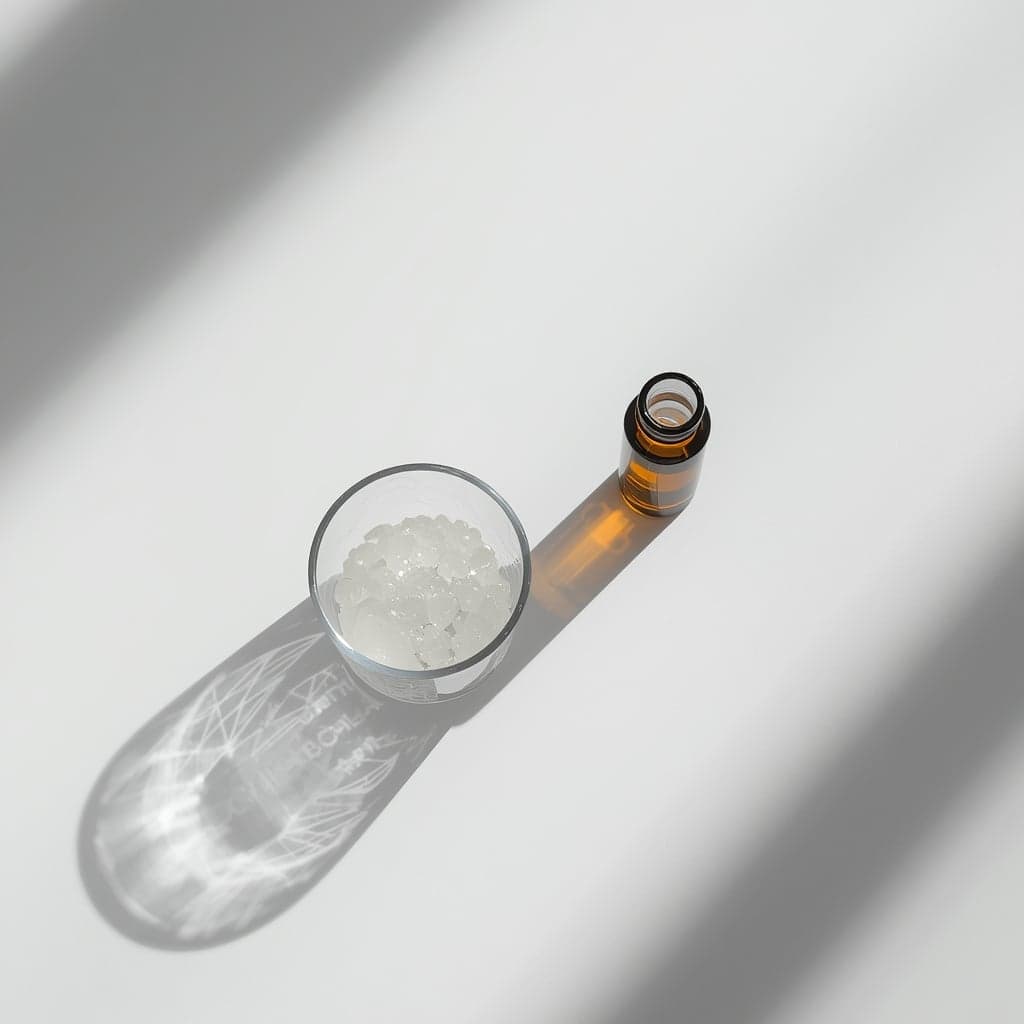
THCa is the acid form the living plant actually produces. Heat drives off a carbon dioxide group and converts it to the non-acid compound, losing about 12 per cent of the molecular weight in the process. That conversion is why a certificate reports both figures and why totals are calculated rather than added.
Editorial desk · Written and checked in house · Updated
Almost every cannabinoid exists in the fresh plant as an acid, with an A on the end of its abbreviation. The non-acid forms people talk about are mostly products of heat and time, not of the plant.
Applying heat removes a carboxyl group from the molecule, which leaves as carbon dioxide. Chemists call it decarboxylation. The remaining molecule is lighter — the carboxyl group accounts for roughly 12.3 per cent of the original mass — which is where the conversion factor in every total calculation comes from.
| Property | Acid form | After heat |
|---|---|---|
| Present in | Fresh and dried plant material | Heated material, aged material |
| Mass | Higher | About 87.7% of the acid's |
| On a certificate | Reported separately | Reported separately |
Because one converts into the other with a loss of mass, adding the two figures overstates what the material can become. A total is calculated instead:
total = (acid figure × 0.877) + non-acid figure
The 0.877 is the mass ratio described above. Adding the raw numbers instead produces a figure roughly 12 per cent too high, which is a common way potency claims are inflated without anything being technically fabricated. See how a total figure is worked out.
This is why a certificate is a snapshot of a batch on a date rather than a permanent description, and why the date on it matters as much as the figures. See what happens in heat, light and air.
The crystalline material sold as "diamonds" is usually the acid form, which is what crystallises cleanly. Heating it converts it in the same way as anything else. See live resin, distillate, rosin and diamonds.
Thresholds written into law are defined in statute, and both the numbers and the way the total is calculated have been revisited by legislators more than once. Nothing on this page is legal advice, and an article is the wrong place to learn the current rule — read the statute or ask a lawyer who works in the field. What an article can tell you is the chemistry, which does not change.
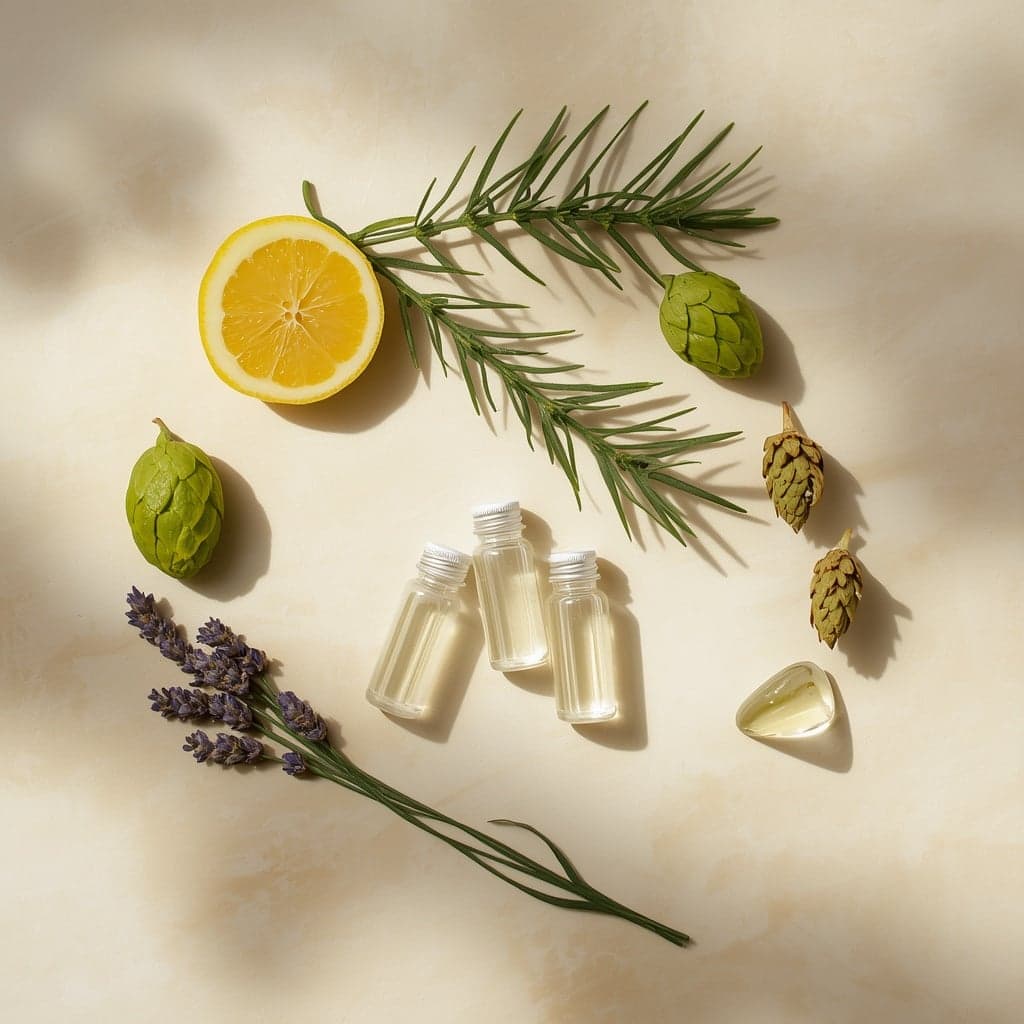
Terpenes are the volatile aromatic compounds that give plants their smell — limonene in citrus peel, pinene in pine, linalool in lavender. They are why two products with similar cannabinoid figures taste nothing alike, and because they evaporate easily, they are also the first thing heat and time take away.
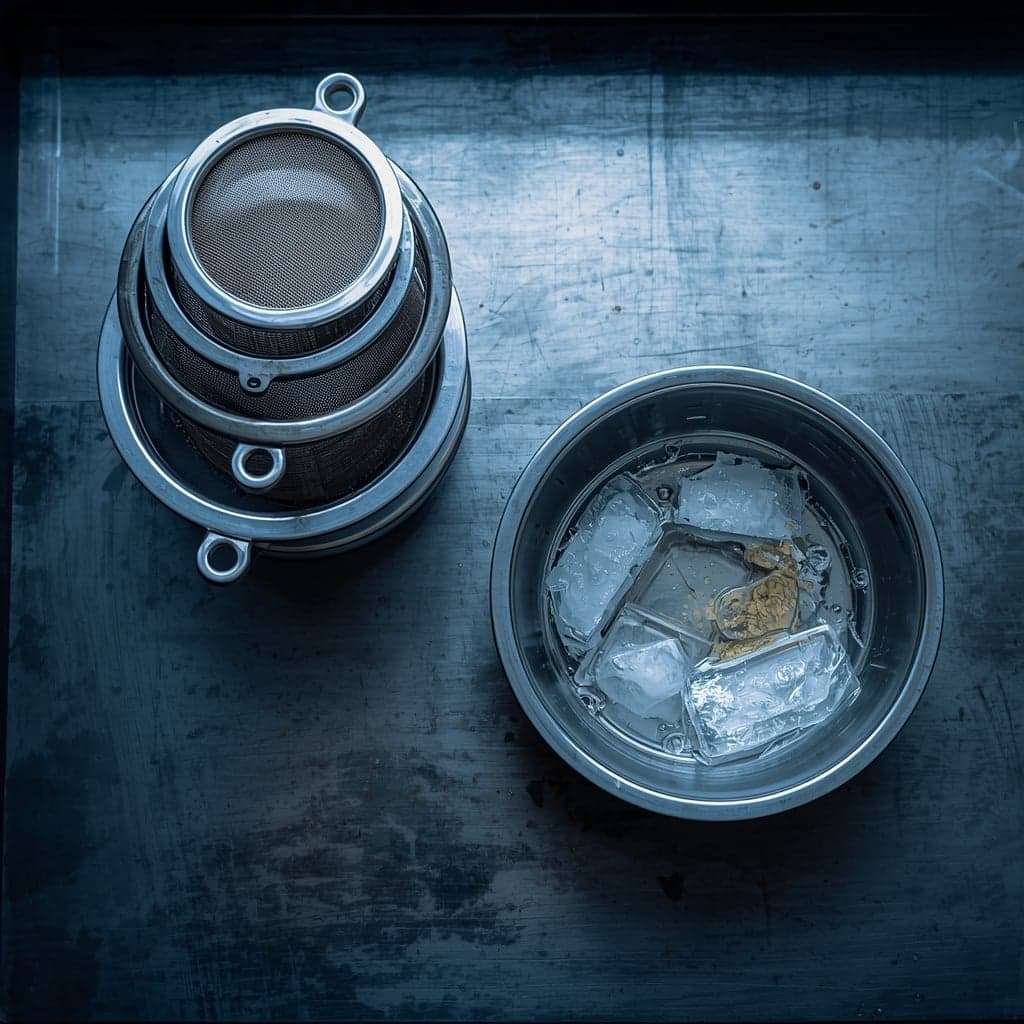
Solventless means the material was separated using only water, ice, heat, pressure or agitation — no butane, propane, ethanol or carbon dioxide at any stage. It is not a synonym for clean or for strong. It removes one category of risk, and every other question about contamination still applies.
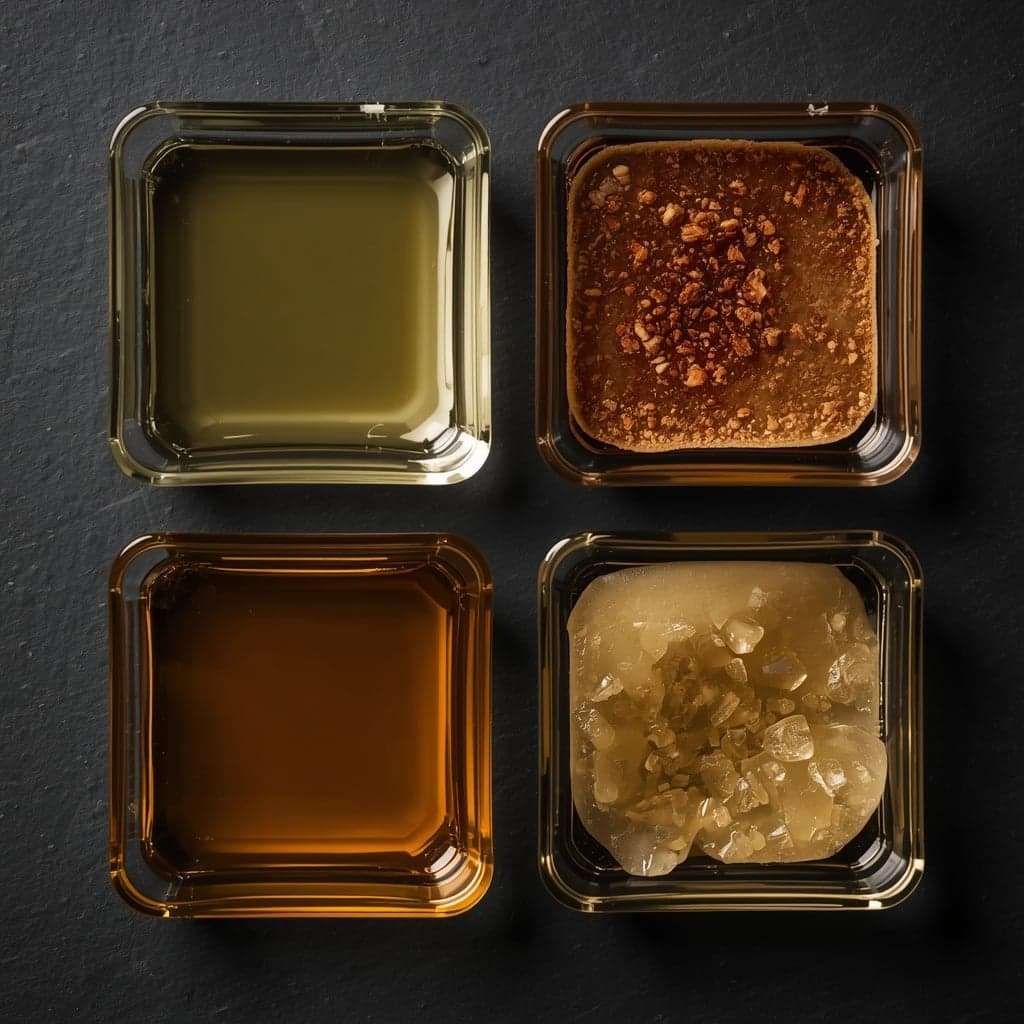
Four words describing how a concentrate was made. Live resin is processed from fresh-frozen material to keep aroma compounds; distillate is refined with heat until one compound dominates; rosin is pressed with heat and pressure and no solvent; diamonds are crystallised cannabinoid acid, usually sitting in a sauce.
Your cart is empty
Everything we sell is batch-tested, and we tell you what ships to your state before you add it.
Browse the shop