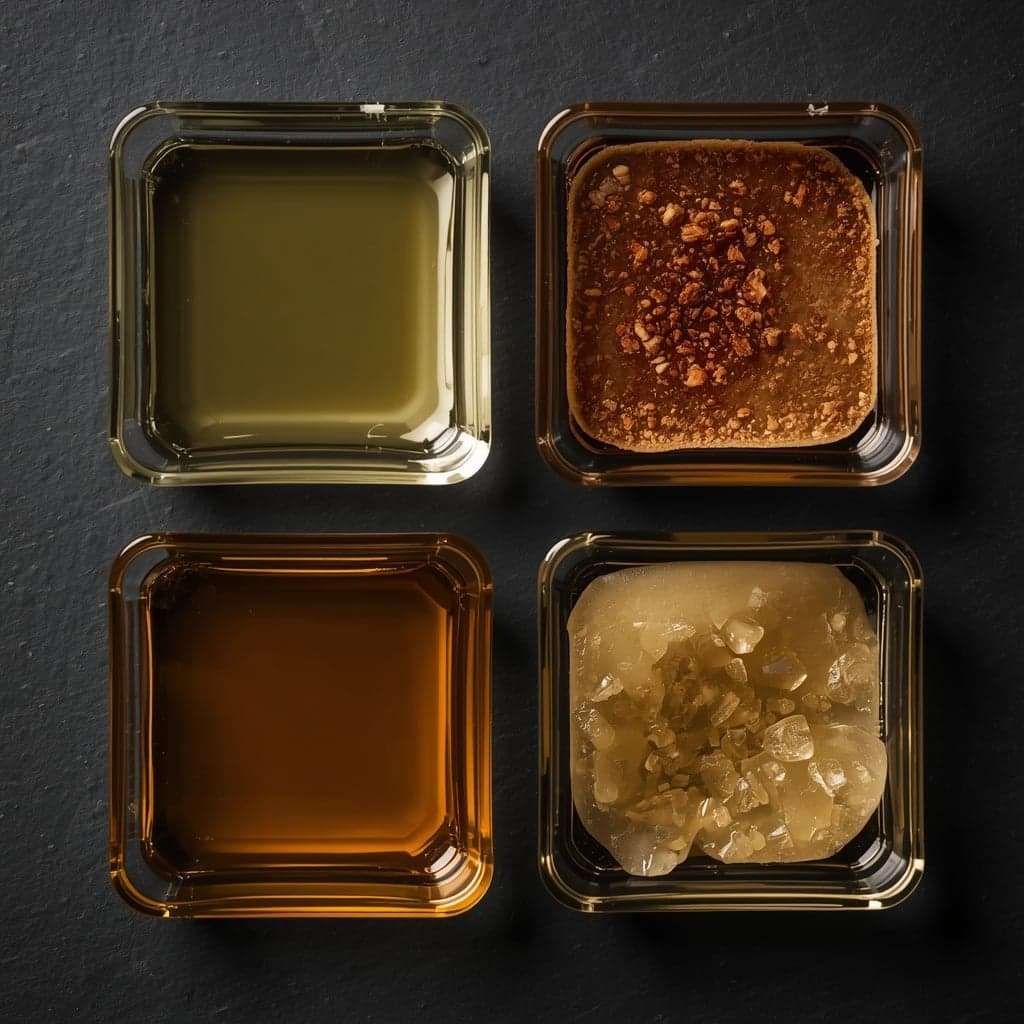
Four words describing how a concentrate was made. Live resin is processed from fresh-frozen material to keep aroma compounds; distillate is refined with heat until one compound dominates; rosin is pressed with heat and pressure and no solvent; diamonds are crystallised cannabinoid acid, usually sitting in a sauce.
Editorial desk · Written and checked in house · Updated
These four terms describe process, not grade. Knowing what each process does to the material tells you more than any of the adjectives on the packaging.
| Term | How it is made | What survives |
|---|---|---|
| Live resin | Separated from fresh-frozen plant material with a solvent | Aroma compounds — the point of the format |
| Distillate | Refined under heat and vacuum until one compound dominates | Very little else; usually flavourless |
| Rosin | Heat and pressure only, no solvent | Aroma compounds, plus more plant material |
| Diamonds | Cannabinoid acid crystallised out of solution | The crystal is nearly one compound; the sauce holds the aroma |
It refers to the starting material, not the finished product: plants frozen immediately after harvest instead of dried and cured. Because aroma compounds evaporate during drying, freezing keeps a great deal more of them. That is the whole claim, and it is a claim about handling before processing rather than about the process itself.
Refining under heat is very effective at isolating one compound and equally effective at removing everything volatile. A distillate is therefore usually flavourless, which is why products based on one have terpenes added back — sometimes the plant's own, often botanical ones from elsewhere. See full spectrum, broad spectrum and isolate.
Rosin uses only heat and pressure, so there is no solvent to remove and nothing to test for in that respect. The trade-off is efficiency: pressing recovers less from the same material, which is why it costs more. See what solventless actually means.
Left in solution under the right conditions, cannabinoid acid forms crystals — the "diamonds" — while the aromatic fraction stays liquid around them as "sauce". The crystal is close to a single compound; almost all the character is in the liquid. A jar of large diamonds in very little sauce looks impressive and tastes of less than the reverse.
Because the crystal is the acid form, heat changes it. See THCa and what heat does to it.
None is a quality grade, none is regulated, and none tells you whether the material was clean. A solvent-extracted product needs a residual solvent panel; any concentrate concentrates whatever was on the plant, including what you would rather it did not. See what a contaminant panel covers.
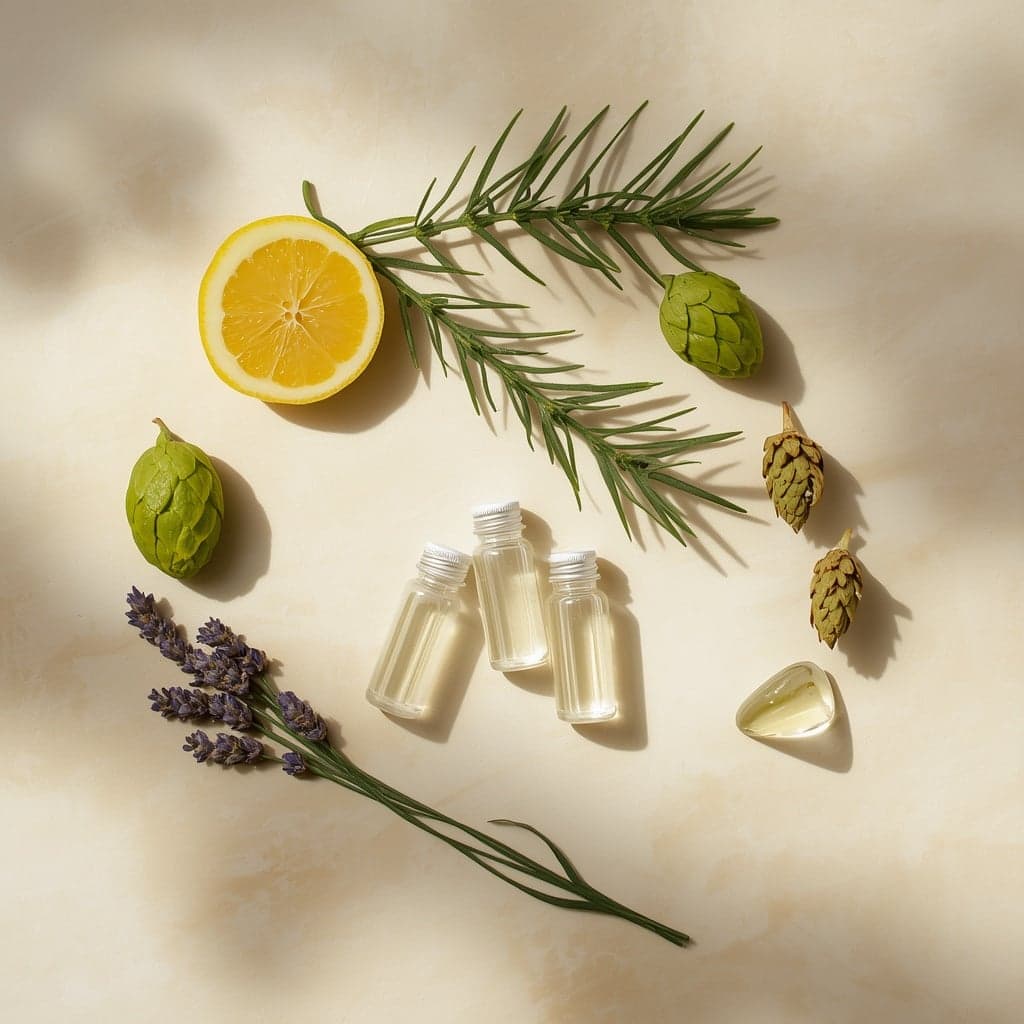
Terpenes are the volatile aromatic compounds that give plants their smell — limonene in citrus peel, pinene in pine, linalool in lavender. They are why two products with similar cannabinoid figures taste nothing alike, and because they evaporate easily, they are also the first thing heat and time take away.
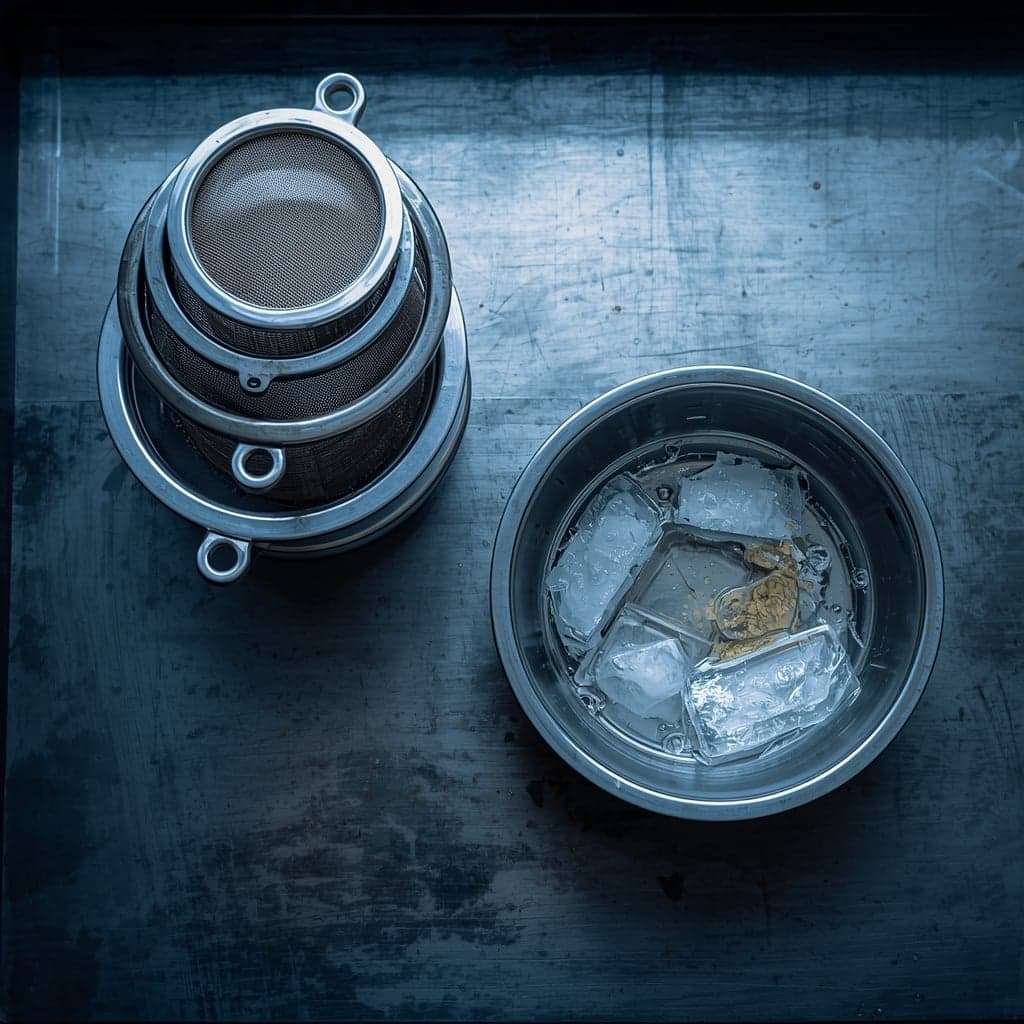
Solventless means the material was separated using only water, ice, heat, pressure or agitation — no butane, propane, ethanol or carbon dioxide at any stage. It is not a synonym for clean or for strong. It removes one category of risk, and every other question about contamination still applies.
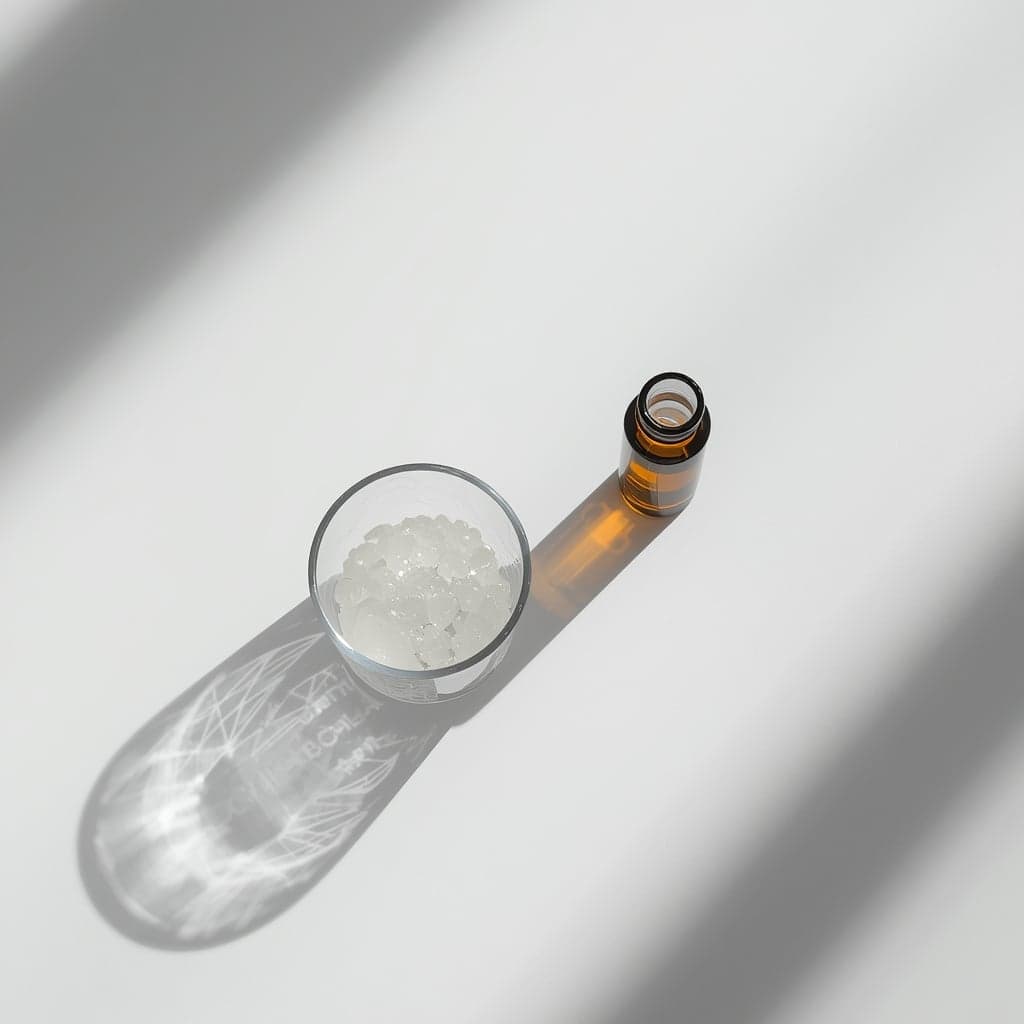
THCa is the acid form the living plant actually produces. Heat drives off a carbon dioxide group and converts it to the non-acid compound, losing about 12 per cent of the molecular weight in the process. That conversion is why a certificate reports both figures and why totals are calculated rather than added.
Your cart is empty
Everything we sell is batch-tested, and we tell you what ships to your state before you add it.
Browse the shop