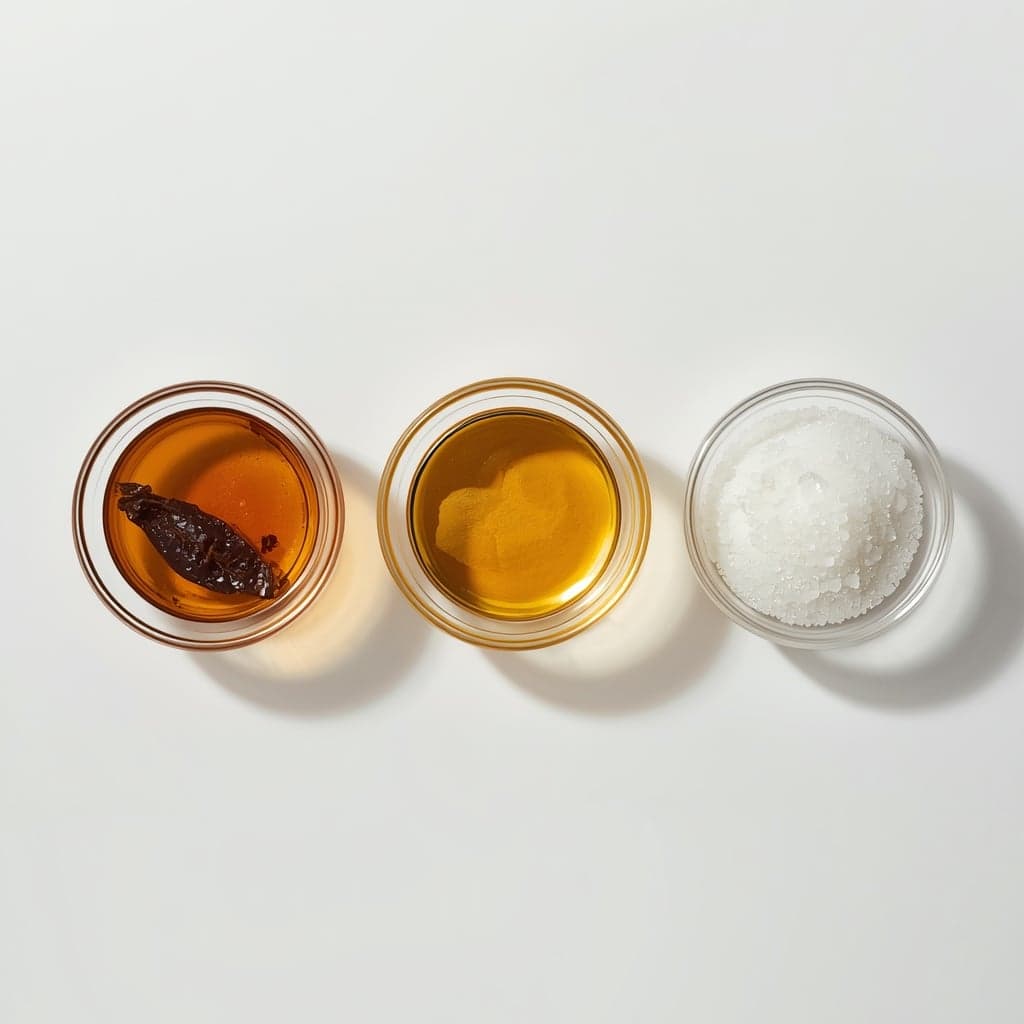
Full spectrum keeps everything the plant produced. Broad spectrum keeps the rest but removes one or more compounds deliberately. Isolate is a single compound purified to 95 per cent and above, with nothing else left. The three are processing descriptions, not quality grades, and only a certificate confirms which you have.
Editorial desk · Written and checked in house · Updated
Three terms that describe how much of the original plant chemistry survived processing. None is regulated, all three are used loosely, and the certificate is the only place the answer is not a matter of marketing.
| Term | What is present | What it looks like on a certificate |
|---|---|---|
| Full spectrum | Everything the plant made, in roughly natural proportions | Many cannabinoids, a real terpene profile |
| Broad spectrum | Most of it, with specific compounds removed | Many cannabinoids, one at ND or <LOQ |
| Isolate | One compound, purified | One figure at 95%+, everything else ND |
The diagnostic is straightforward: a genuine broad spectrum product shows a full list of compounds with a conspicuous gap. If the whole list is empty except one line, that is an isolate whatever the box says.
"Full spectrum" is the most abused of the three. Material that was processed hot, stripped of terpenes and then had a terpene blend added back is still sold that way, and on a certificate it reads as a short cannabinoid list with a suspiciously tidy three-terpene profile.
"Broad spectrum" sometimes means one compound was removed and sometimes means several were, and the label rarely says which. It is a claim about an absence, which is exactly the kind of claim a certificate is for.
An isolate at 99 per cent tells you what the other one per cent is not, and nothing about how it got there. Purity and cleanliness are different questions: a highly pure isolate made with solvents still needs a residual solvent panel before anyone should be satisfied with it. See what a contaminant panel covers.
That depends on what you want, and the honest answer is that the words themselves should not decide it:
In every case the certificate settles it and the label does not. See why a test date matters as much as the number.
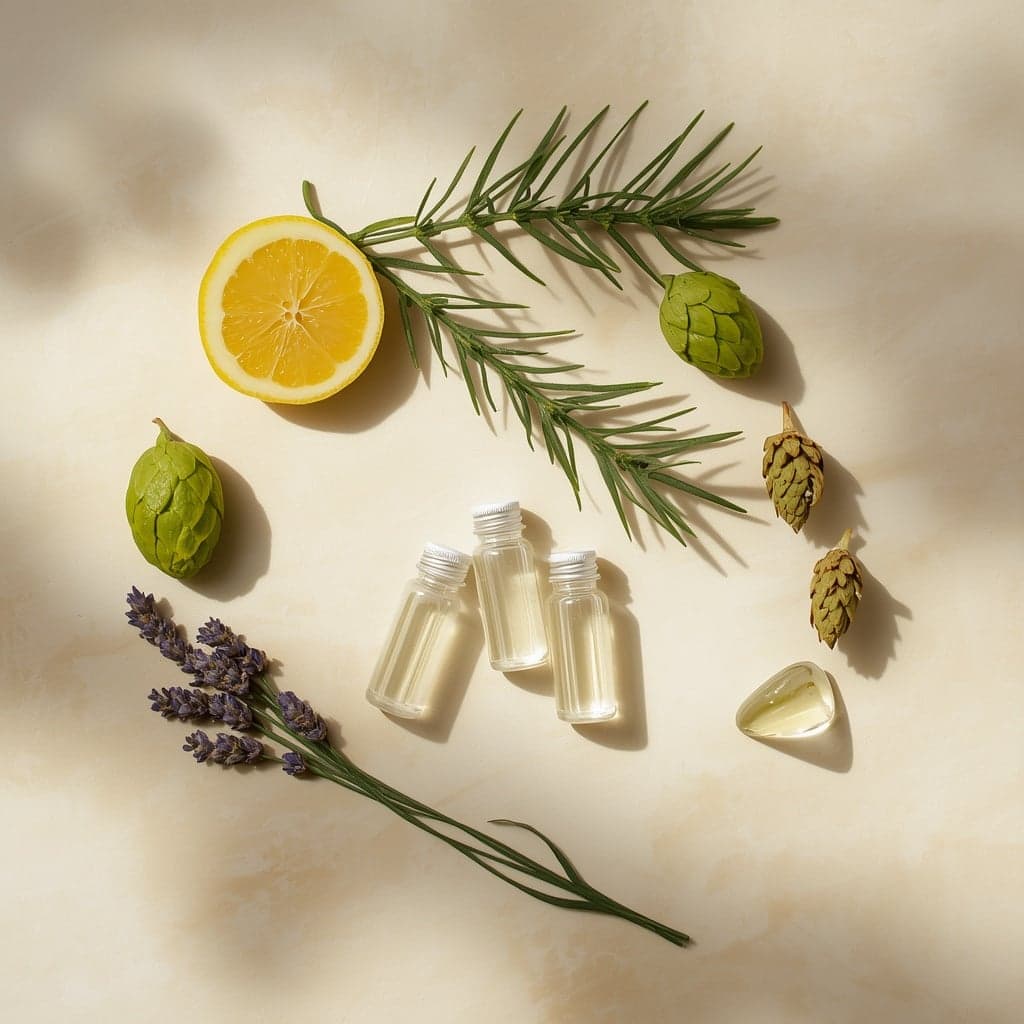
Terpenes are the volatile aromatic compounds that give plants their smell — limonene in citrus peel, pinene in pine, linalool in lavender. They are why two products with similar cannabinoid figures taste nothing alike, and because they evaporate easily, they are also the first thing heat and time take away.
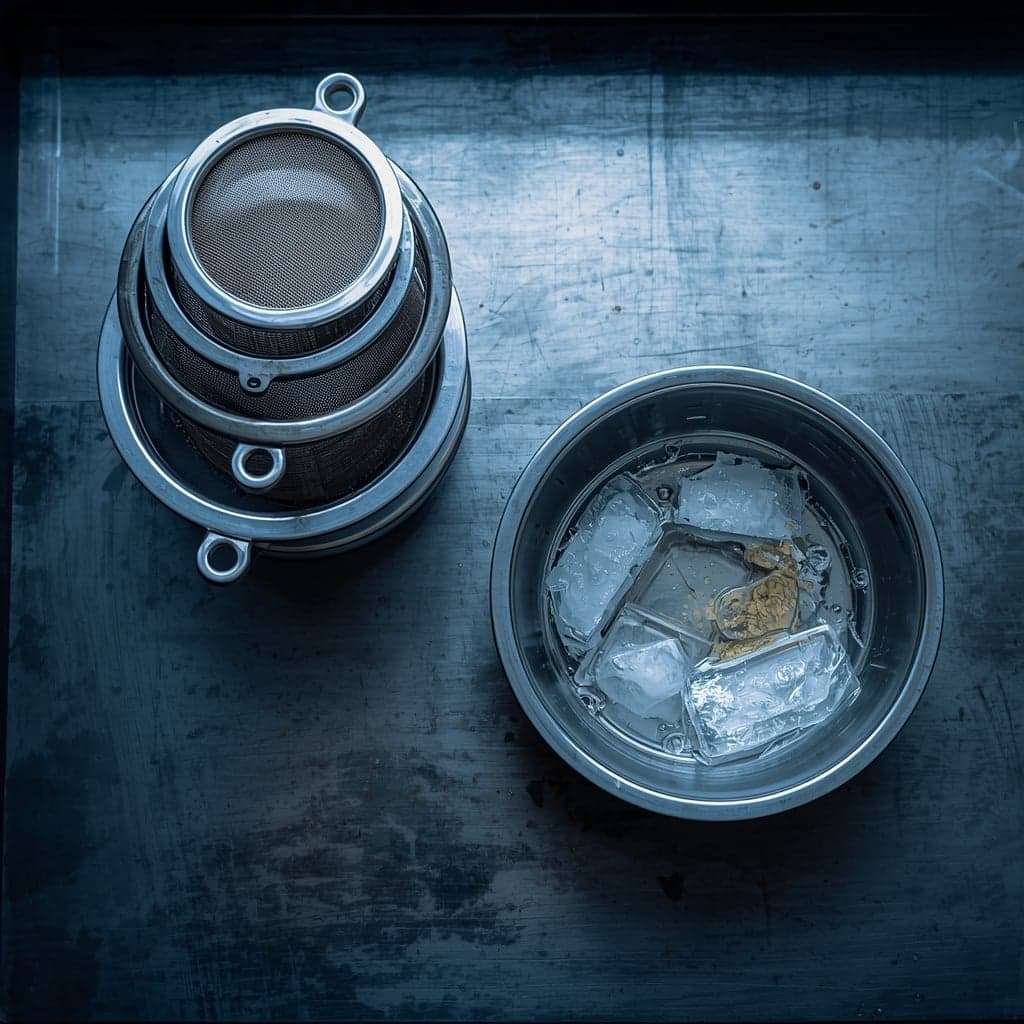
Solventless means the material was separated using only water, ice, heat, pressure or agitation — no butane, propane, ethanol or carbon dioxide at any stage. It is not a synonym for clean or for strong. It removes one category of risk, and every other question about contamination still applies.
THCa is the acid form the living plant actually produces. Heat drives off a carbon dioxide group and converts it to the non-acid compound, losing about 12 per cent of the molecular weight in the process. That conversion is why a certificate reports both figures and why totals are calculated rather than added.
Your cart is empty
Everything we sell is batch-tested, and we tell you what ships to your state before you add it.
Browse the shop