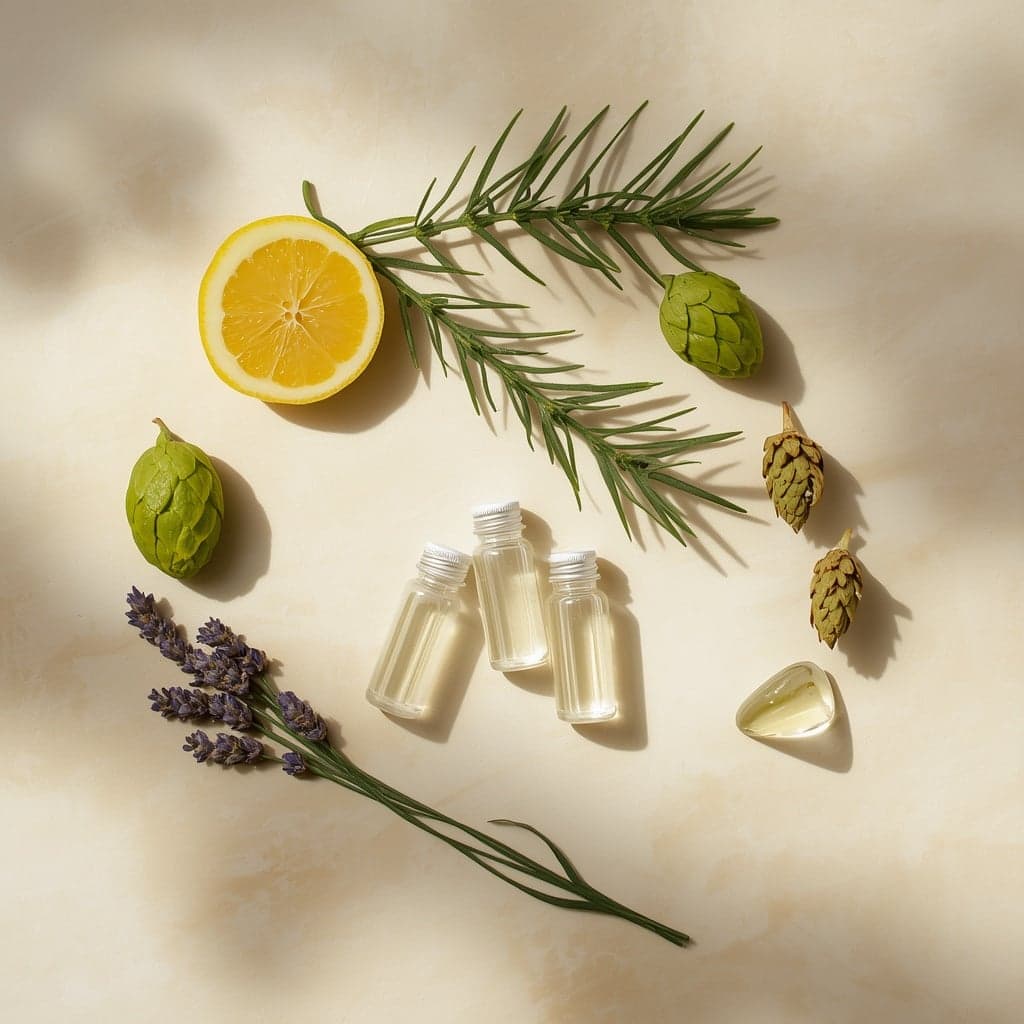
Terpenes are the volatile aromatic compounds that give plants their smell — limonene in citrus peel, pinene in pine, linalool in lavender. They are why two products with similar cannabinoid figures taste nothing alike, and because they evaporate easily, they are also the first thing heat and time take away.
Editorial desk · Written and checked in house · Updated
Terpenes are not unique to any one plant. They are the aromatic compounds behind nearly every smell in the plant world, and they are the main reason two products can read almost identically on a certificate and taste completely different.
| Terpene | Found in | Character |
|---|---|---|
| Limonene | Citrus peel | Bright, sharp, citrus |
| Pinene | Pine, rosemary | Sharp, resinous, forest |
| Myrcene | Hops, mango, thyme | Earthy, musky, herbal |
| Linalool | Lavender, coriander | Floral, soft, slightly spicy |
| Caryophyllene | Black pepper, cloves | Peppery, woody |
| Terpinolene | Nutmeg, apples | Fresh, faintly sweet |
| Humulene | Hops | Dry, hoppy, earthy |
A product's aroma is a blend of dozens, not one, and the proportions matter more than the presence of any single compound.
Terpenes are volatile — that is the defining property. They evaporate at temperatures far below where cannabinoids change, many of them below 70°C, and they oxidise on contact with air. Three consequences follow:
That is the entire reason "live" products exist as a category. See live resin, distillate, rosin and diamonds.
Two ways a product ends up tasting of something. Either the plant's own terpenes survived processing, or terpenes were removed and something was added back — often botanical terpenes from other plants, because limonene from an orange is the same molecule as limonene from anywhere else.
Neither is dishonest, and a certificate will not always tell you which happened. A terpene profile listing a dozen compounds in plausible proportions usually indicates retained plant terpenes; three compounds in round numbers usually indicates a blend added back.
A terpene percentage describes aroma chemistry. It is not a strength figure, it is not a quality score, and no claim about what any of these compounds does in a body belongs on a label or in an article. If you see one making such a claim, that tells you something about the seller.
Total terpenes on a certificate typically run from a fraction of a per cent to a few per cent. Higher usually means less heat in processing and fresher material. Compare figures only between products tested by the same laboratory on the same panel, because methods differ. See how cannabinoid figures are measured.
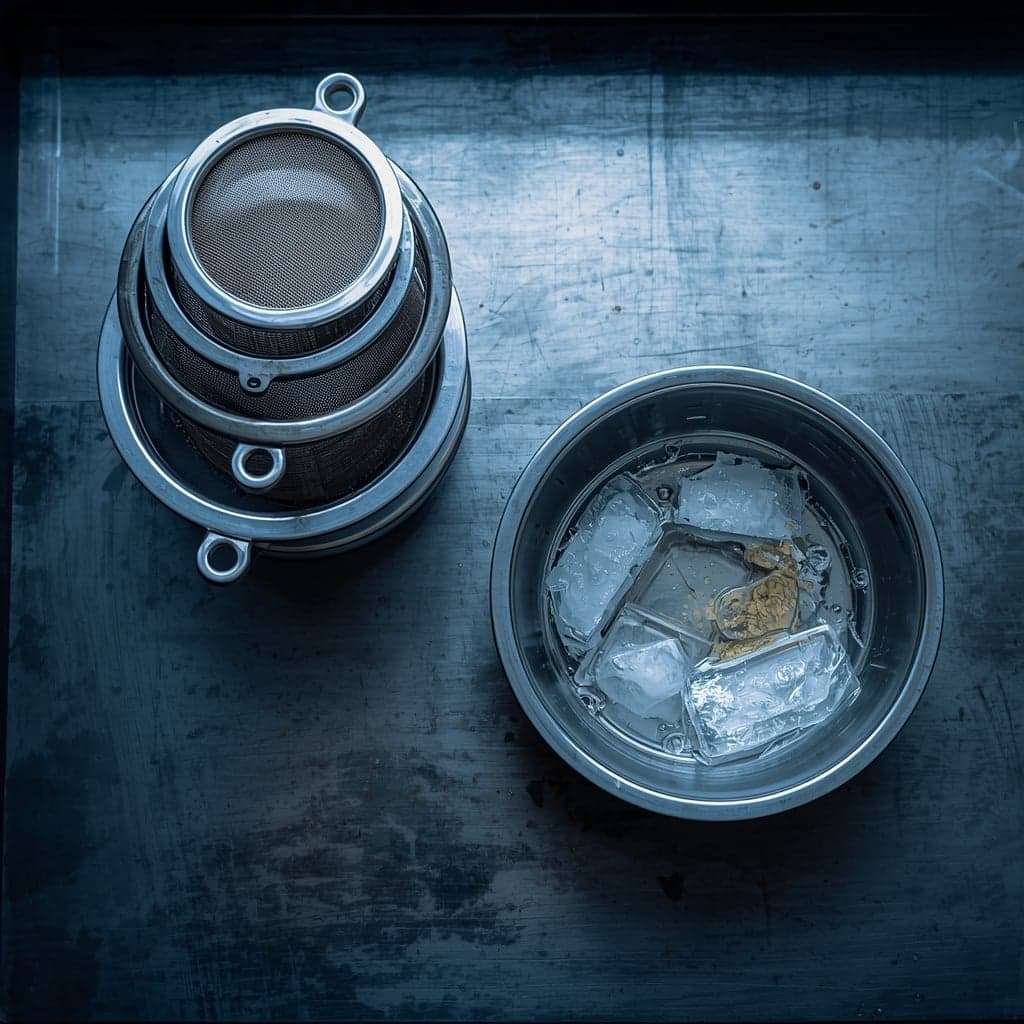
Solventless means the material was separated using only water, ice, heat, pressure or agitation — no butane, propane, ethanol or carbon dioxide at any stage. It is not a synonym for clean or for strong. It removes one category of risk, and every other question about contamination still applies.
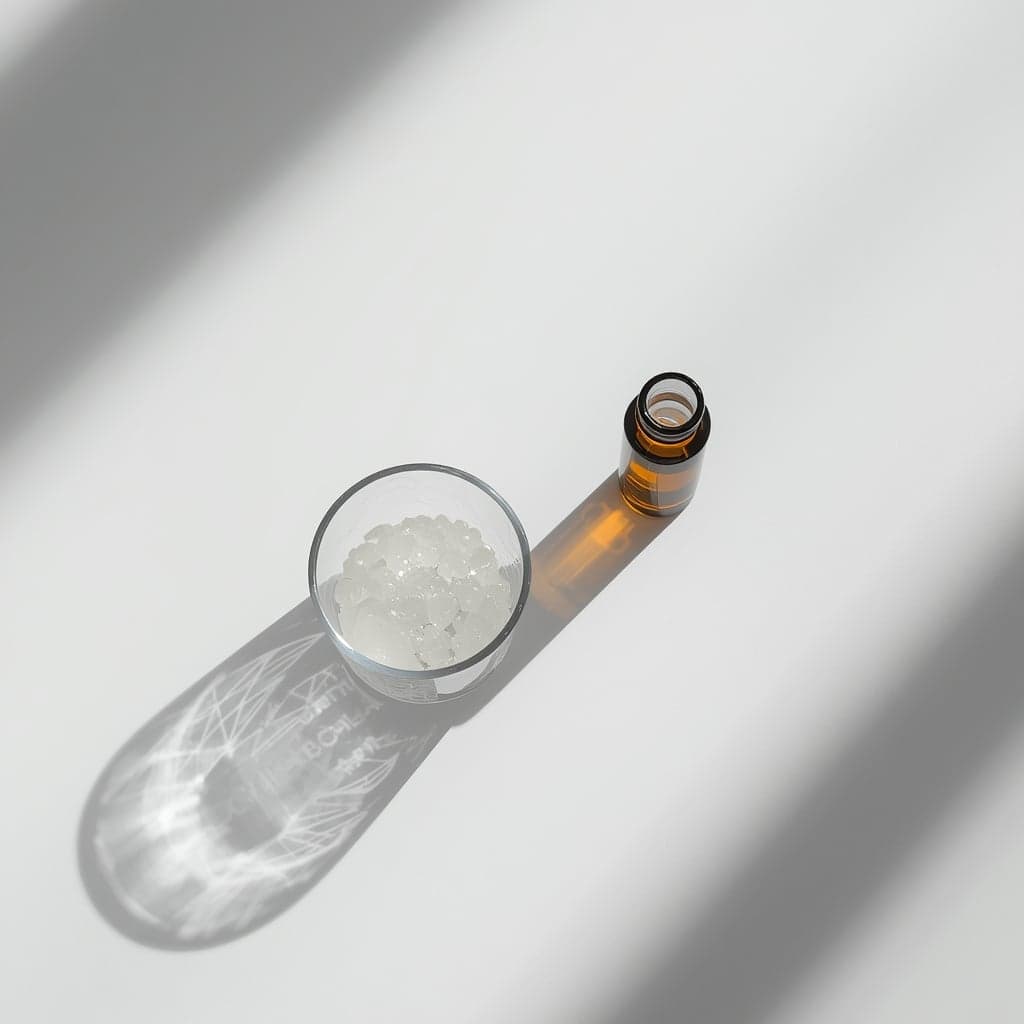
THCa is the acid form the living plant actually produces. Heat drives off a carbon dioxide group and converts it to the non-acid compound, losing about 12 per cent of the molecular weight in the process. That conversion is why a certificate reports both figures and why totals are calculated rather than added.
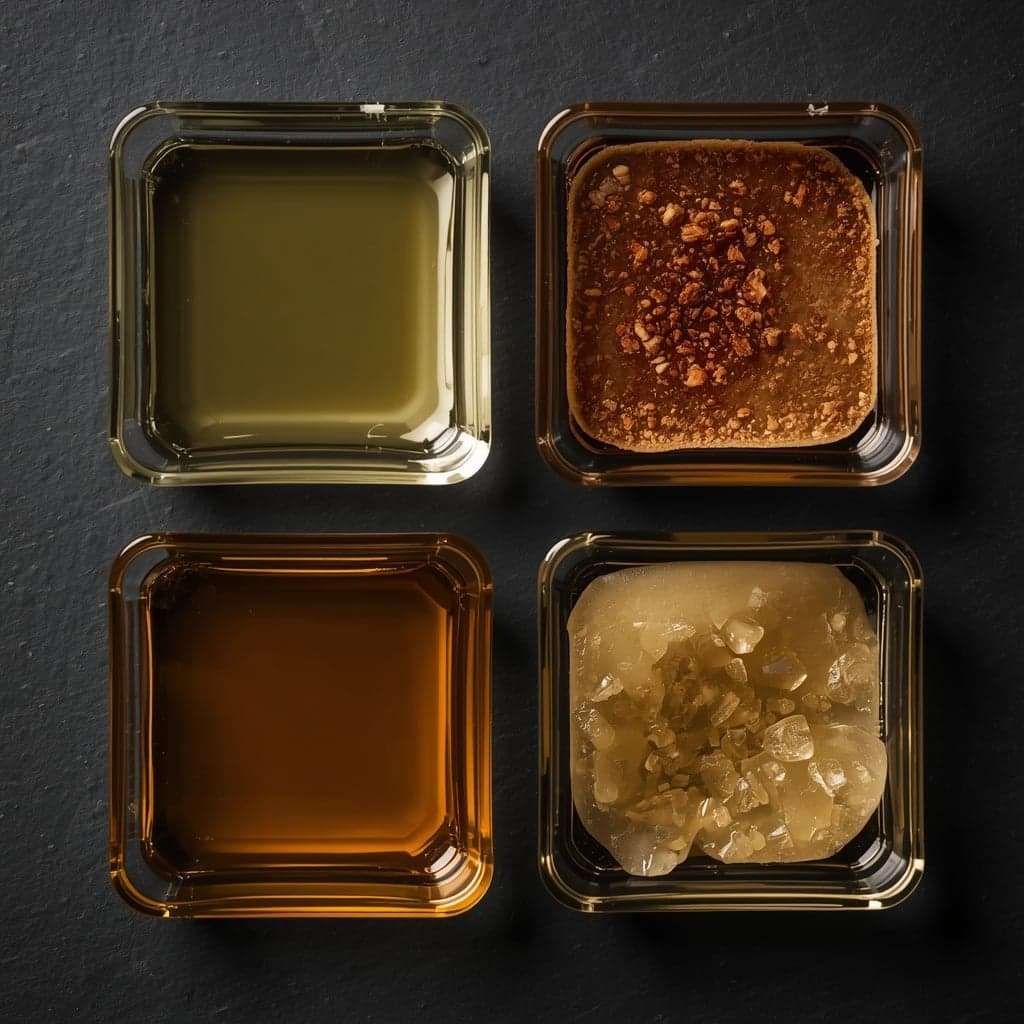
Four words describing how a concentrate was made. Live resin is processed from fresh-frozen material to keep aroma compounds; distillate is refined with heat until one compound dominates; rosin is pressed with heat and pressure and no solvent; diamonds are crystallised cannabinoid acid, usually sitting in a sauce.
Your cart is empty
Everything we sell is batch-tested, and we tell you what ships to your state before you add it.
Browse the shop