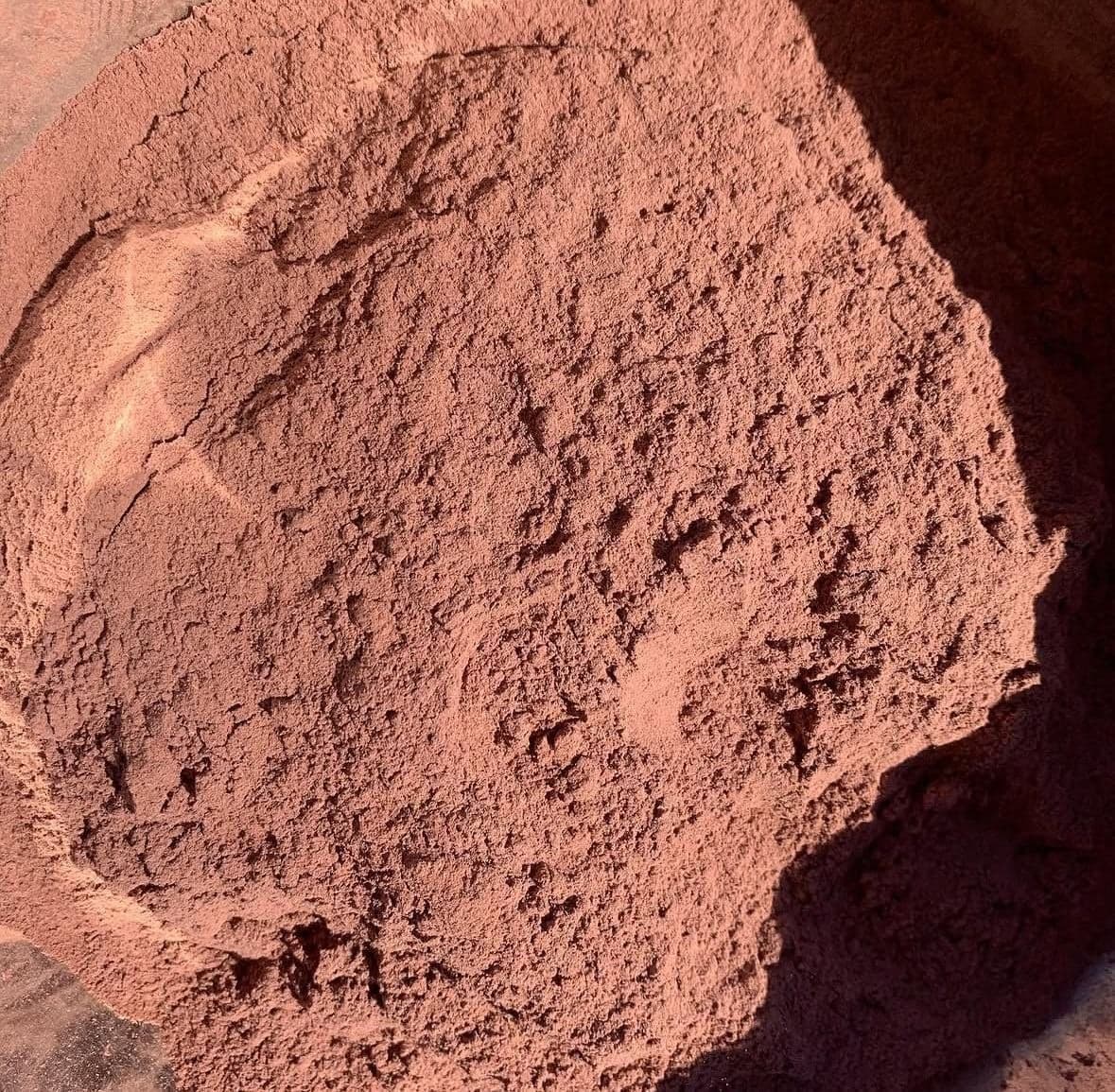
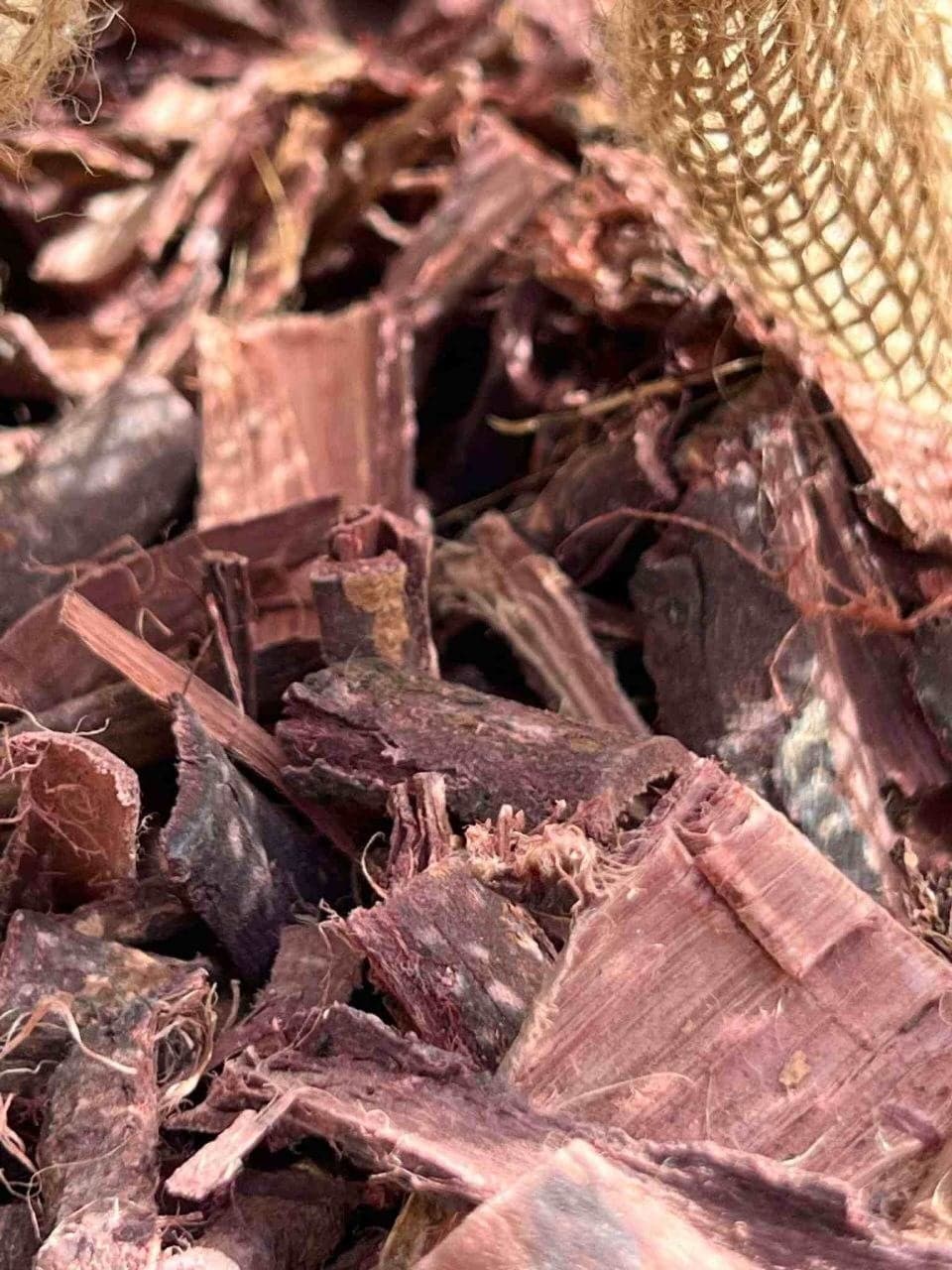
Whole Mimosa Hostilis Root Bark (Chips and Strips)
Botanical use only
$32.501/4 lb
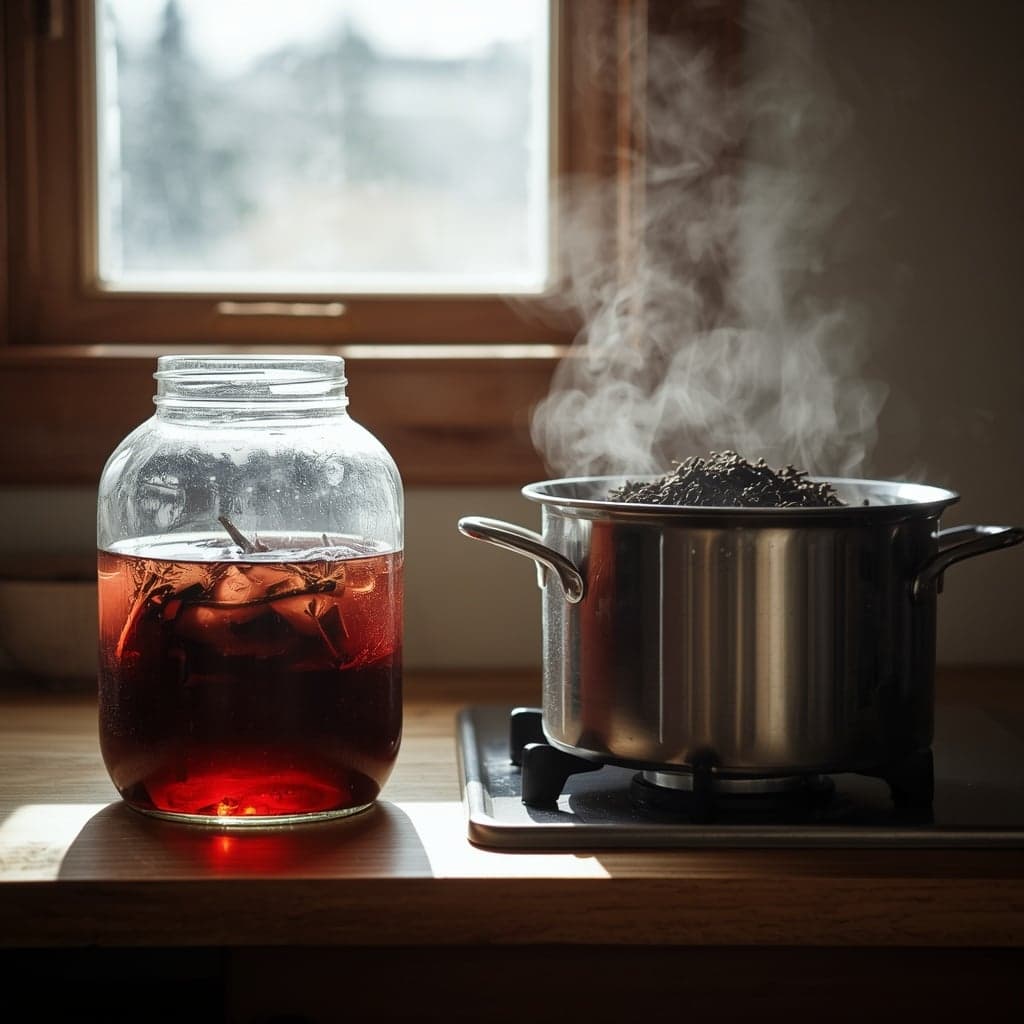
A cold overnight soak pulls a great deal of colour out before any heat is applied, which means the pot needs less time hot and is far less likely to brown. Straight to heat is faster and shallower. For anything you care about, soak first.
Editorial desk · Written and checked in house · Updated
Two ways to start a bark bath, and the difference shows up in the finished colour rather than in the pot.
| Aspect | Cold soak, then heat | Straight to heat |
|---|---|---|
| Time before fibre enters | 8 to 24 hours, then 1 hour hot | About 1 hour |
| Time at temperature | Short | Long |
| Browning risk | Low | Higher |
| Depth | Fuller | Adequate |
| Best for | Anything you care about | A test pot, a rush job |
The reason the cold soak wins is simple. Water moves colour out of bark without help; heat only speeds it up. A bath that soaked overnight is already loaded when you light the stove, so it needs far less time hot — and time hot is what turns purple into brown.
1. Weigh the bark against your dry fibre weight. See how much bark per pound of fibre. 2. Put it in a mesh bag in the pot and cover it with cool water. 3. Leave it 8 to 24 hours, somewhere cool. Overnight is the usual. 4. Bring it up slowly to about 80°C / 175°F and hold for an hour. 5. Lift the bag out and strain what needs straining. 6. Enter the wet, mordanted fibre.
In summer a jar on a sunny windowsill for a week will dye wool without ever reaching a simmer, and the purples from a long cold bath are often the cleanest you will get from this material. It is slow and it is unpredictable about depth, and for some work it is exactly right.
Do not leave a cold bath standing warm for a week in a closed room, though. It ferments, it smells, and a sour bath dyes unevenly.
Powder loads a cold soak quickly because of its surface area, so an overnight soak with powder is nearly as strong as a hot bath. Shredded and stripped bark benefit more from the long soak, because water needs time to reach the inside of a piece.
Everything described here is raw botanical material sold for dyeing, soap making and craft work. It is not food, it is not a supplement, and it is not for human consumption. Nothing on this page is a recommendation to put any of it in or on a body.
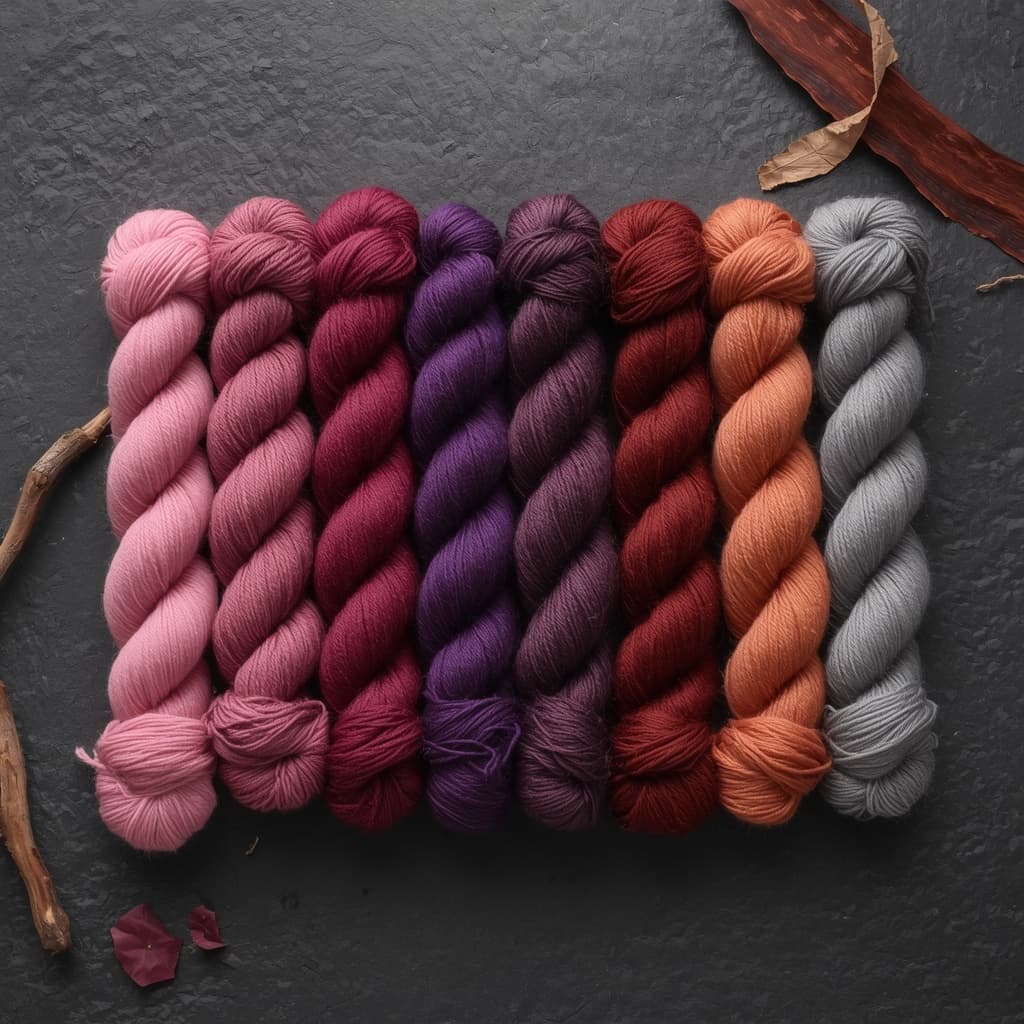
Overdyeing is dyeing one color on top of another. Mimosa hostilis gives rose to plum, so over indigo blue it makes violet and deep purple, over a yellow dye it makes peach, coral and rust, and with iron it turns grey and slate. Dye small samples first, and change only one thing between them.
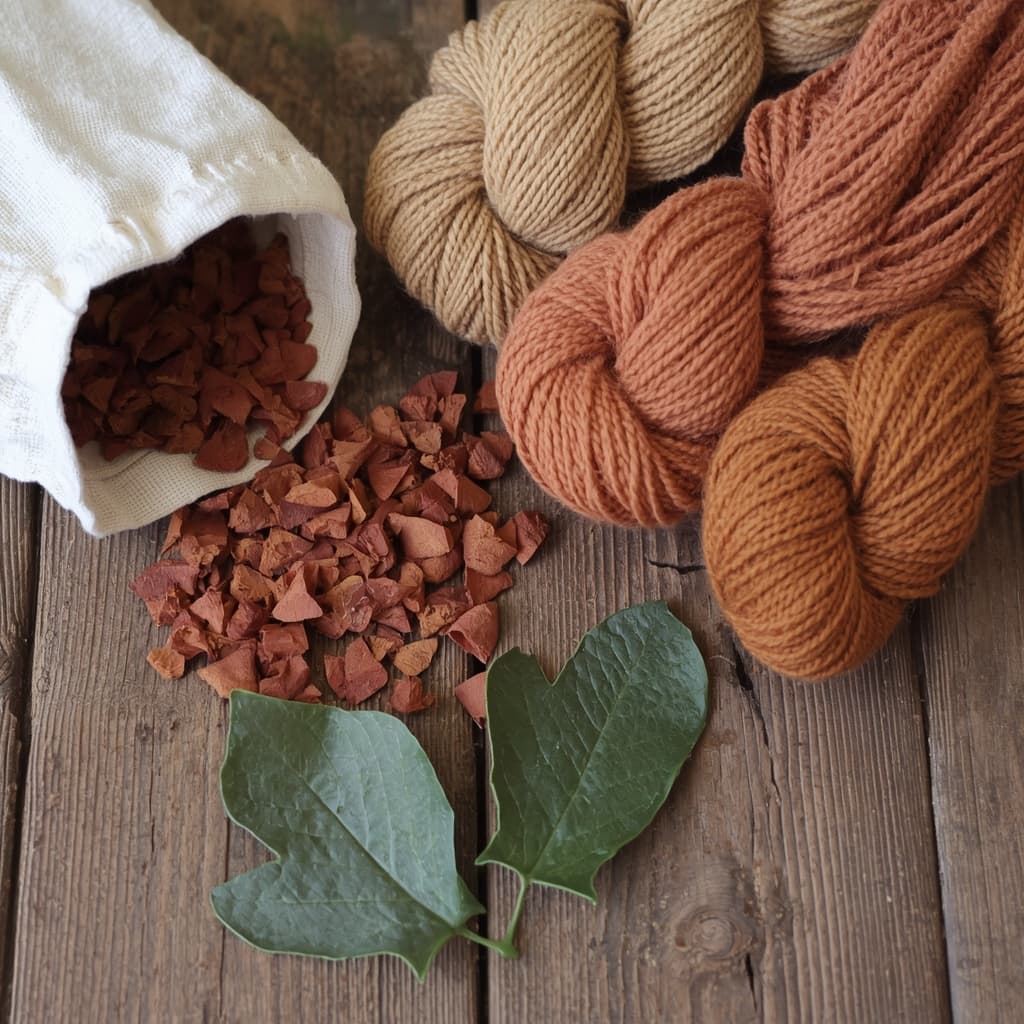
Sassafras root bark gives warm tan, rose-tan and orange-brown on wool mordanted with alum, and grey-brown with an iron afterbath. Use about a pound of bark to a pound of dry wool. Soak the bark overnight, simmer it gently for an hour, strain, then hold the mordanted wool in the bath just under a simmer for an hour and let it cool there.
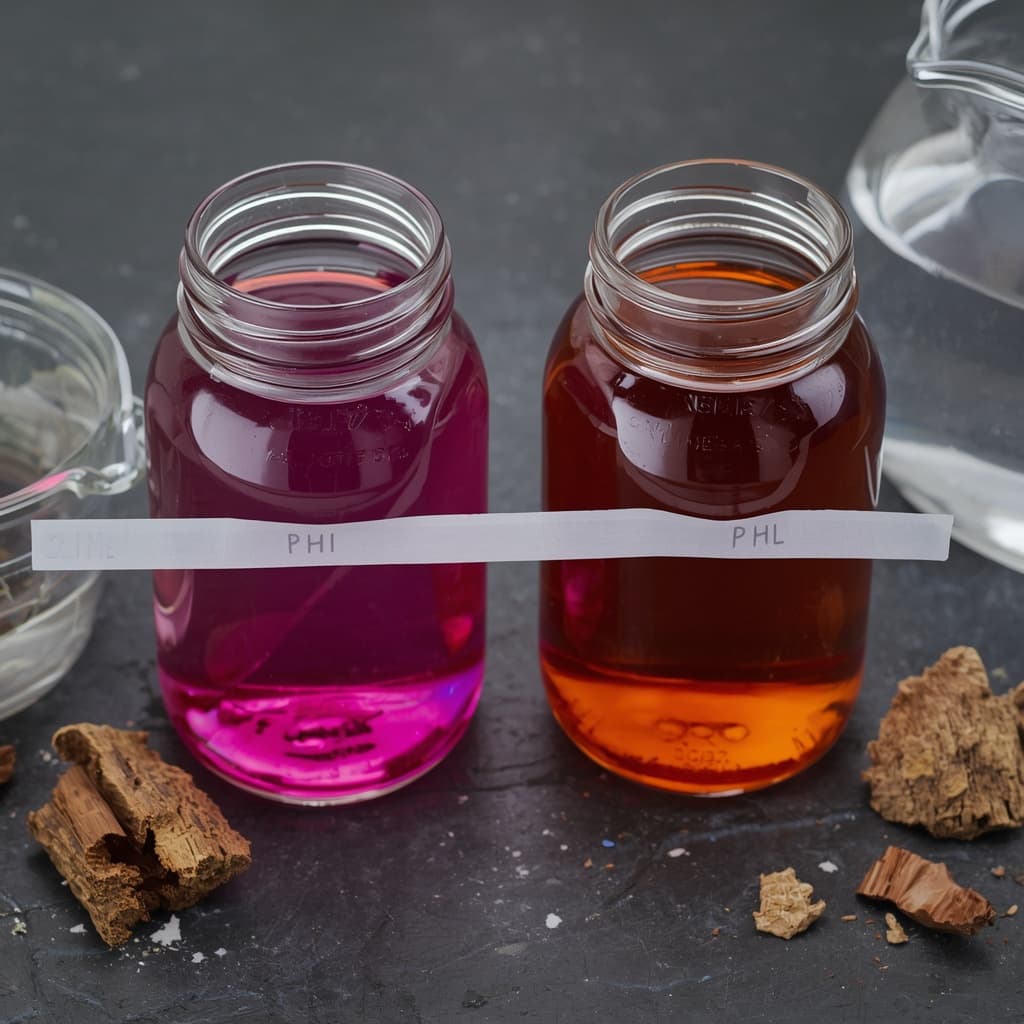
Hard water carries calcium and magnesium and usually runs alkaline, and both shift a tannin dye. With Mimosa hostilis the purples drift toward brown and the color looks duller. Iron in well water greys it further. Rainwater or distilled water is the simplest answer; a little white vinegar or citric acid, to bring the bath to about pH 5 or 6, is the next best.
Your cart is empty
Everything we sell is batch-tested, and we tell you what ships to your state before you add it.
Browse the shop