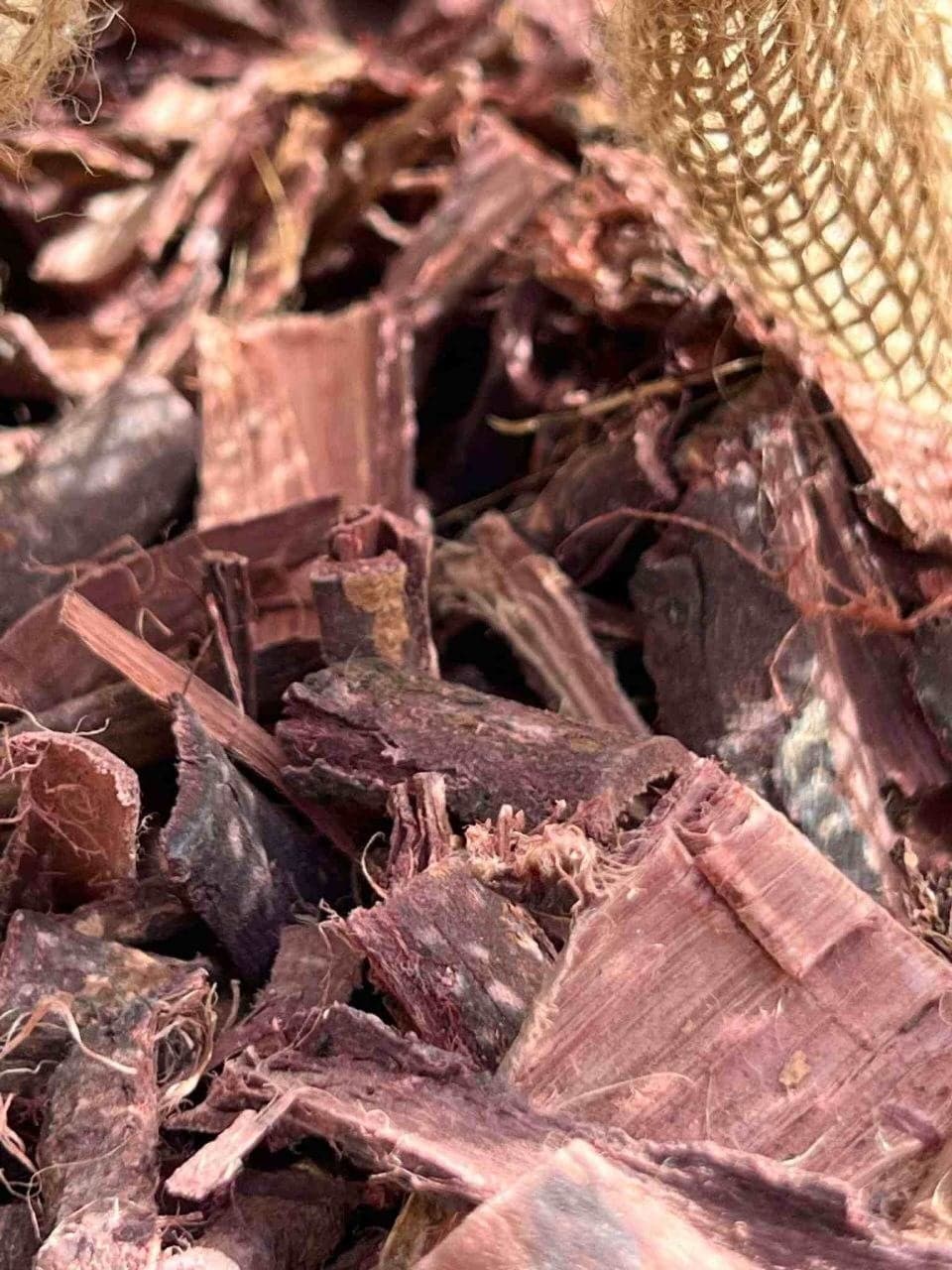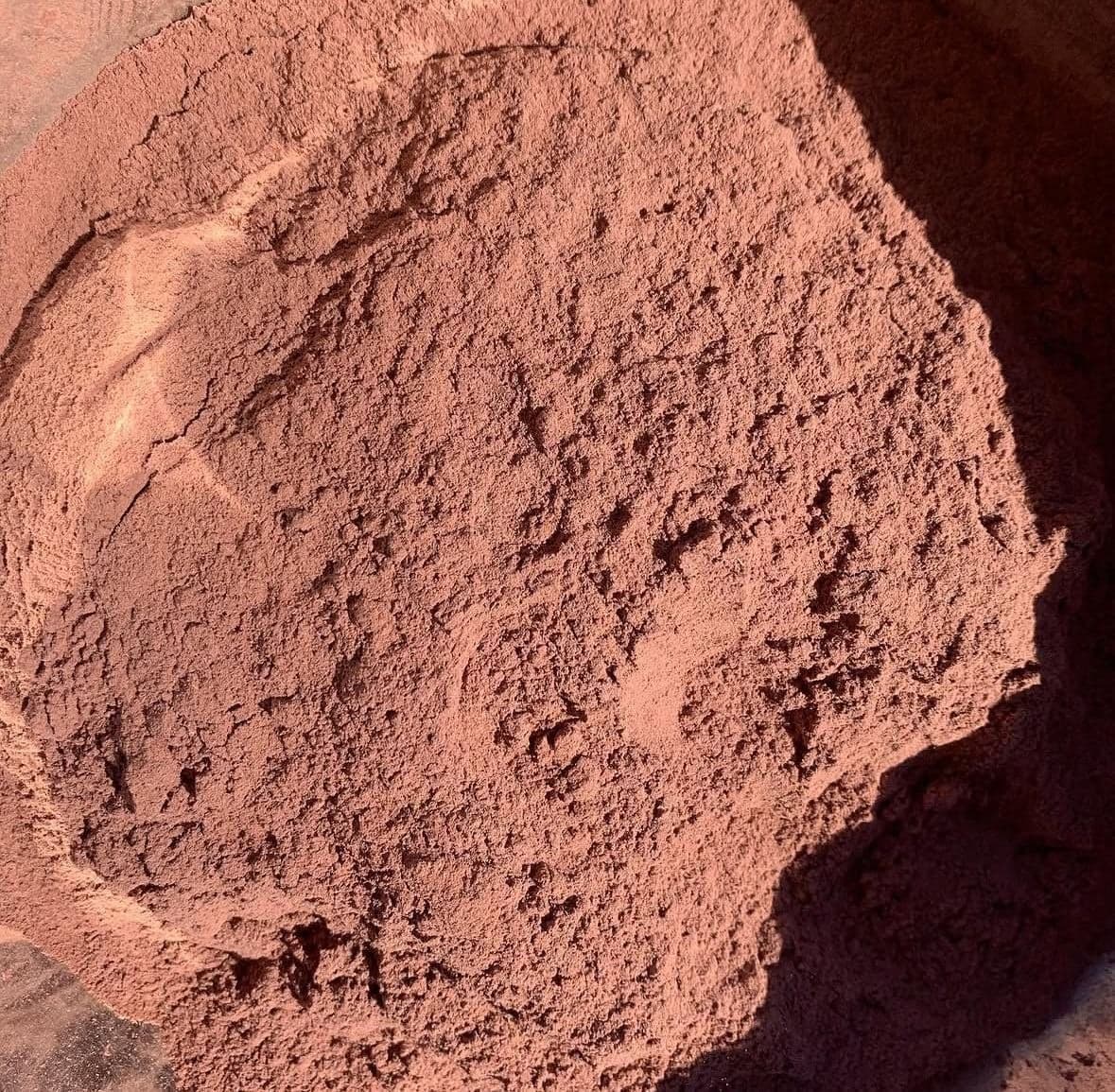
Mimosa Hostilis Root Bark Powder
Botanical use only
$37.501/4 lb
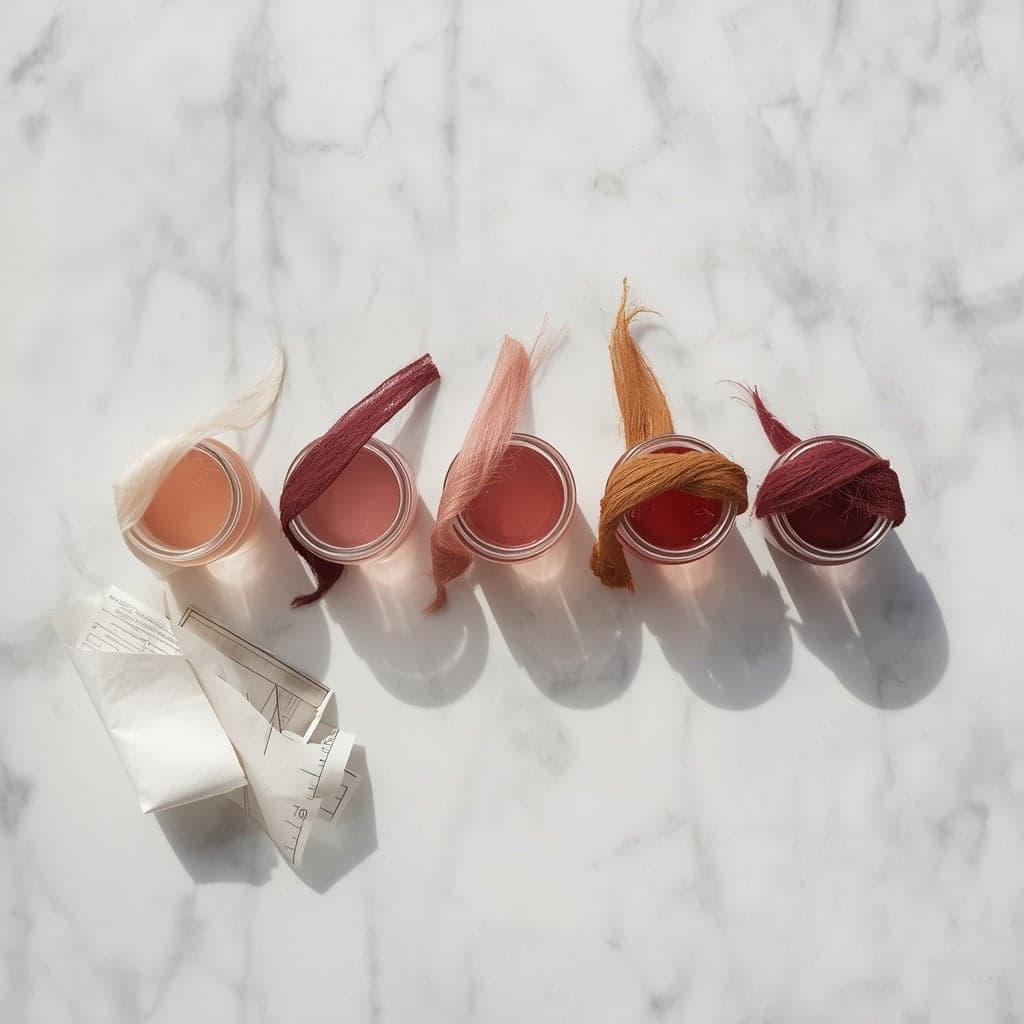
A small pH shift moves this colour a long way: acid pushes it towards red and rust, alkali towards violet and grey. Change one thing at a time, add it a teaspoon at a time, and keep wool between pH 5 and 8 or the fibre itself starts to suffer.
Editorial desk · Written and checked in house · Updated
Once your temperature is reliable, pH is the most useful control you have. It is also the fastest way to ruin a bath, because the shift happens in seconds and cannot be un-shifted cleanly.
| Adjustment | What to add | Where the colour goes |
|---|---|---|
| More acid | White vinegar, citric acid | Warmer — towards red, rust, terracotta |
| Neutral | Nothing | The bath's own purple to maroon |
| More alkali | Soda ash, washing soda | Cooler — towards violet, then grey |
The tannins in this bark are sensitive enough that half a teaspoon of soda ash in a small pot is visible. Test the liquid on a scrap of the same fibre before committing, because the shade in the pot is not the shade on the wool.
Colour is not the only thing pH affects. Wool and silk are protein fibres and they do not tolerate alkali: above about pH 9 the fibre turns harsh and slippery, loses strength, and no rinse brings it back. Keep protein fibres between pH 5 and 8.
Cotton and linen are far more tolerant of alkali and rather less tolerant of strong acid. See wool, silk, cotton and linen in the same bath.
1. Dissolve the acid or alkali in a cup of water first. Never tip dry soda ash onto fibre. 2. Lift the fibre out of the pot. 3. Stir the adjustment in, a teaspoon at a time, and measure. 4. Put the fibre back and give it ten minutes before judging.
Adding anything to a pot with fibre in it is how you get a streak exactly where the liquid landed.
Paper strips are enough for this work: you are looking for a range, not a decimal place. Test your tap water before you blame anything else, since water out of the tap is often already at pH 7.5 to 8.5, and hard water will pull the shade towards grey on its own.
Get temperature right, then ratio, then pH, then iron. Changing two at once teaches you nothing about which one moved the colour.
Everything described here is raw botanical material sold for dyeing, soap making and craft work. It is not food, it is not a supplement, and it is not for human consumption. Nothing on this page is a recommendation to put any of it in or on a body.
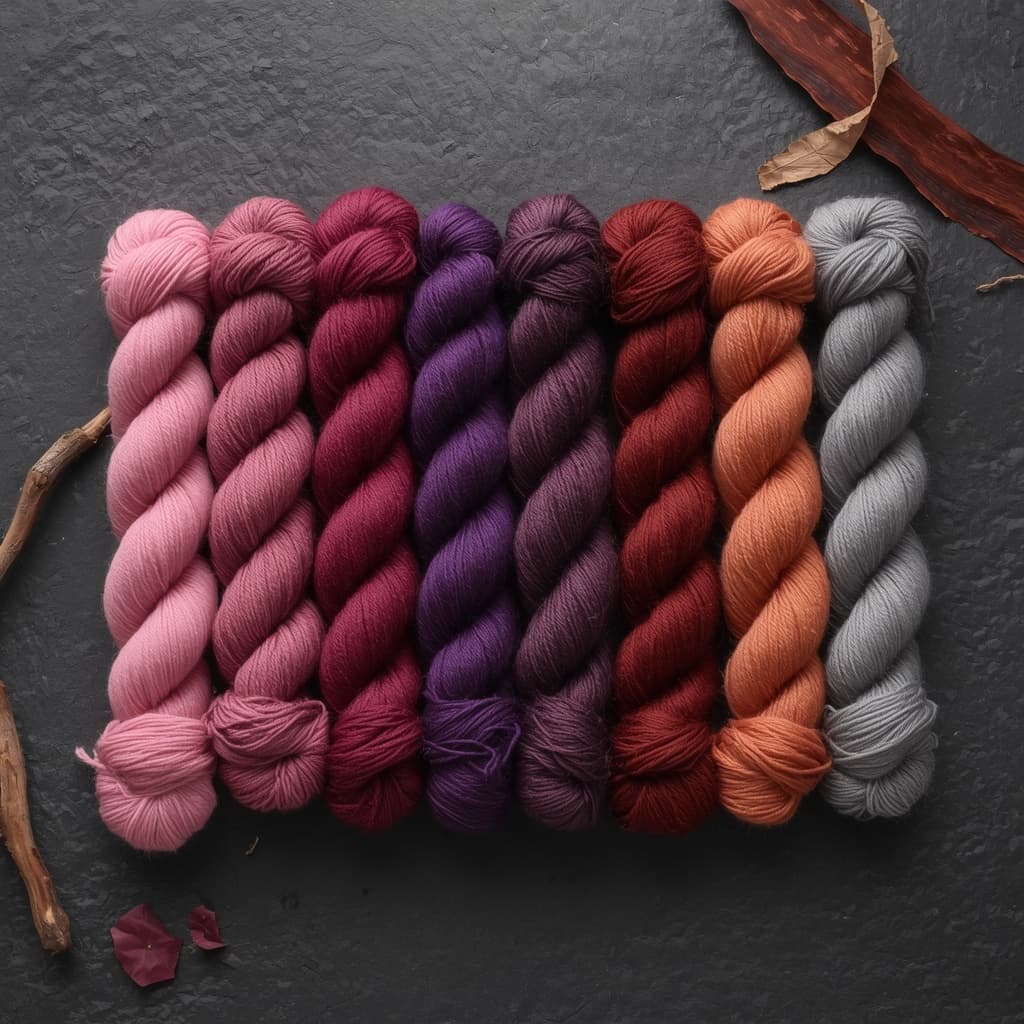
Overdyeing is dyeing one color on top of another. Mimosa hostilis gives rose to plum, so over indigo blue it makes violet and deep purple, over a yellow dye it makes peach, coral and rust, and with iron it turns grey and slate. Dye small samples first, and change only one thing between them.
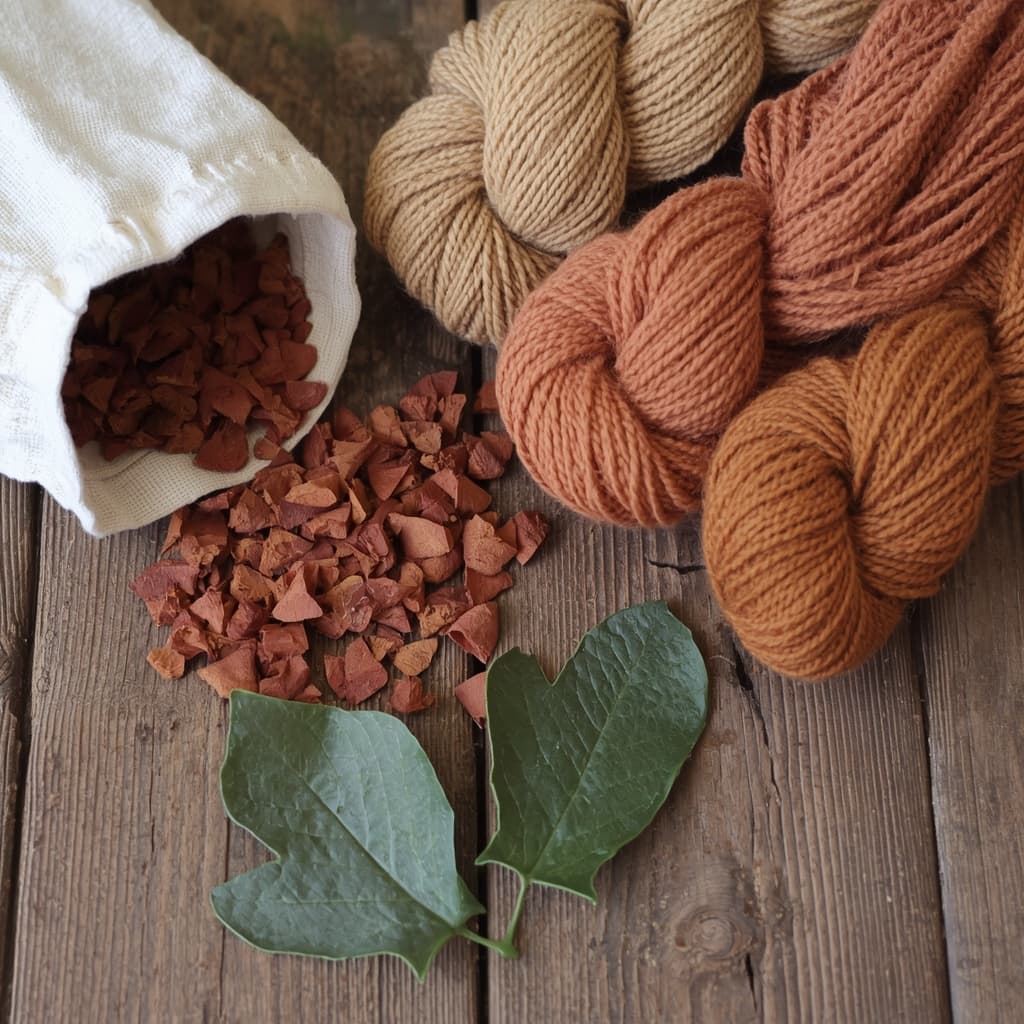
Sassafras root bark gives warm tan, rose-tan and orange-brown on wool mordanted with alum, and grey-brown with an iron afterbath. Use about a pound of bark to a pound of dry wool. Soak the bark overnight, simmer it gently for an hour, strain, then hold the mordanted wool in the bath just under a simmer for an hour and let it cool there.
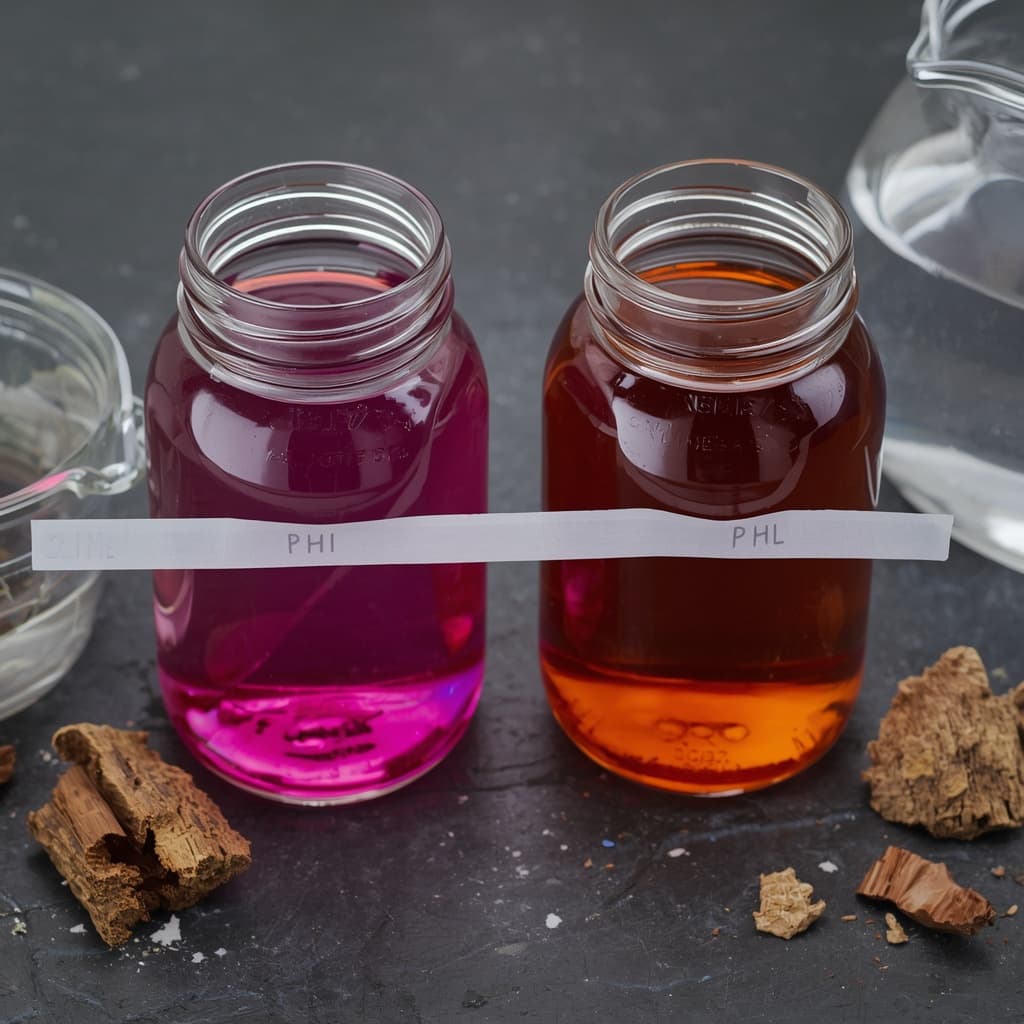
Hard water carries calcium and magnesium and usually runs alkaline, and both shift a tannin dye. With Mimosa hostilis the purples drift toward brown and the color looks duller. Iron in well water greys it further. Rainwater or distilled water is the simplest answer; a little white vinegar or citric acid, to bring the bath to about pH 5 or 6, is the next best.
Your cart is empty
Everything we sell is batch-tested, and we tell you what ships to your state before you add it.
Browse the shop