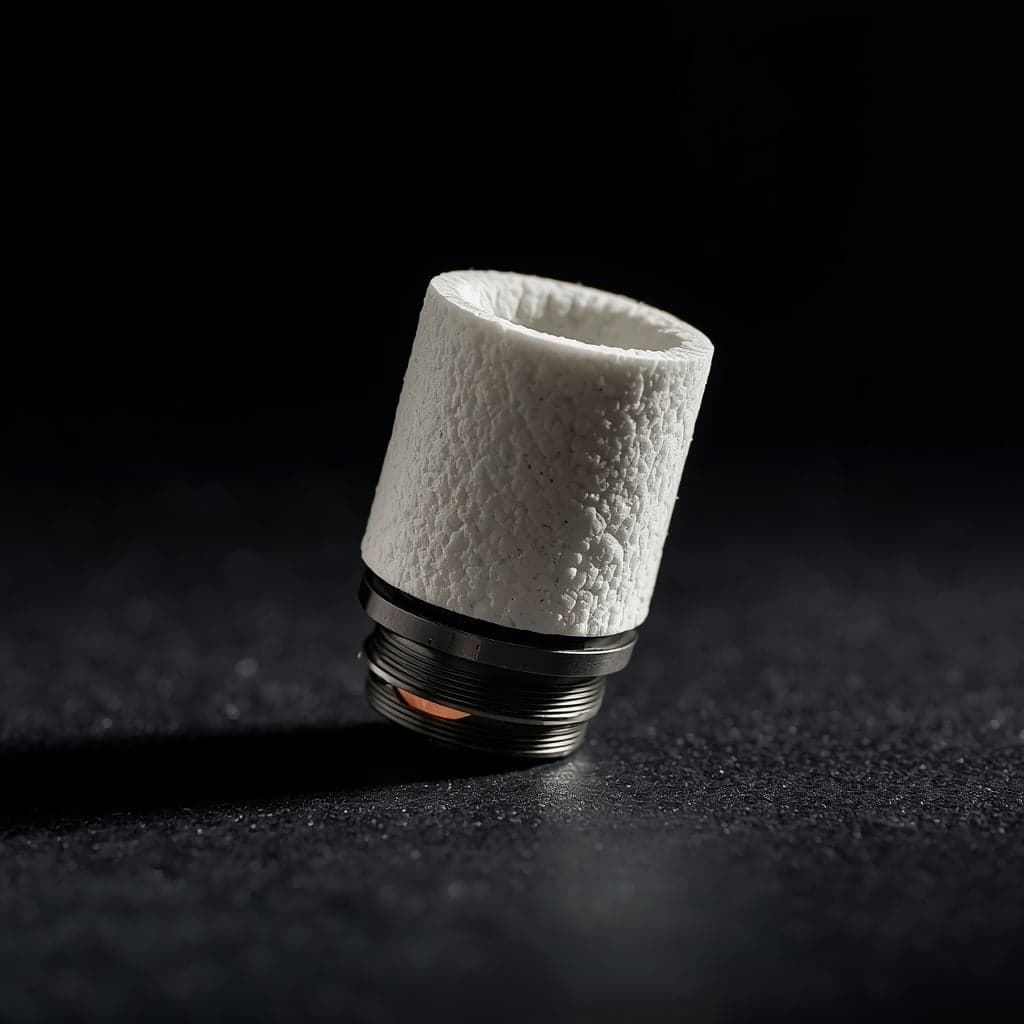
The heating element turns battery power into heat, and what it is made of decides how evenly that heat arrives. Ceramic elements spread it and run cooler; bare wire on cotton wick heats fast and scorches easily. Most complaints about taste are really complaints about the element.
Editorial desk · Written and checked in house · Updated
Every cartridge contains a heating element and something to carry liquid to it. Those two parts, not the branding on the box, decide what the device is like to use.
| Element | How it behaves |
|---|---|
| Ceramic | Heat spreads through a porous block. Even, slower to start, tolerant of thicker contents. |
| Quartz rod with wire | Heats very fast, cools fast, less even. |
| Wire coil on cotton wick | Cheapest. Heats fast, scorches the wick easily, and the wick's taste comes through. |
The word "ceramic" on a box is not a guarantee of anything by itself — the grade and the porosity vary — but as a category it is the reason most decent cartridges use it.
A burnt taste almost always means the element got hot with nothing to heat: the wick was dry, the contents too thick to travel, or the voltage too high for that cartridge. Once the wick has scorched the taste stays, because the damage is to the wick and not to the contents.
Three things avoid it:
Cold contents are thicker, so they travel to the wick more slowly, so the element is more likely to run dry. A device that has been in a cold car often behaves like a faulty one for its first few draws. Warm it in a pocket first.
The reverse — heat — thins everything, which causes leaks. See storing a device: heat, light and which way up.
Cartridges are usually somewhere between 0.8 and 1.8 ohms. Lower resistance draws more current and produces more heat at the same voltage. If a battery offers settings, the practical approach is to start low: too cool tells you nothing is damaged, while too hot has already scorched the wick.
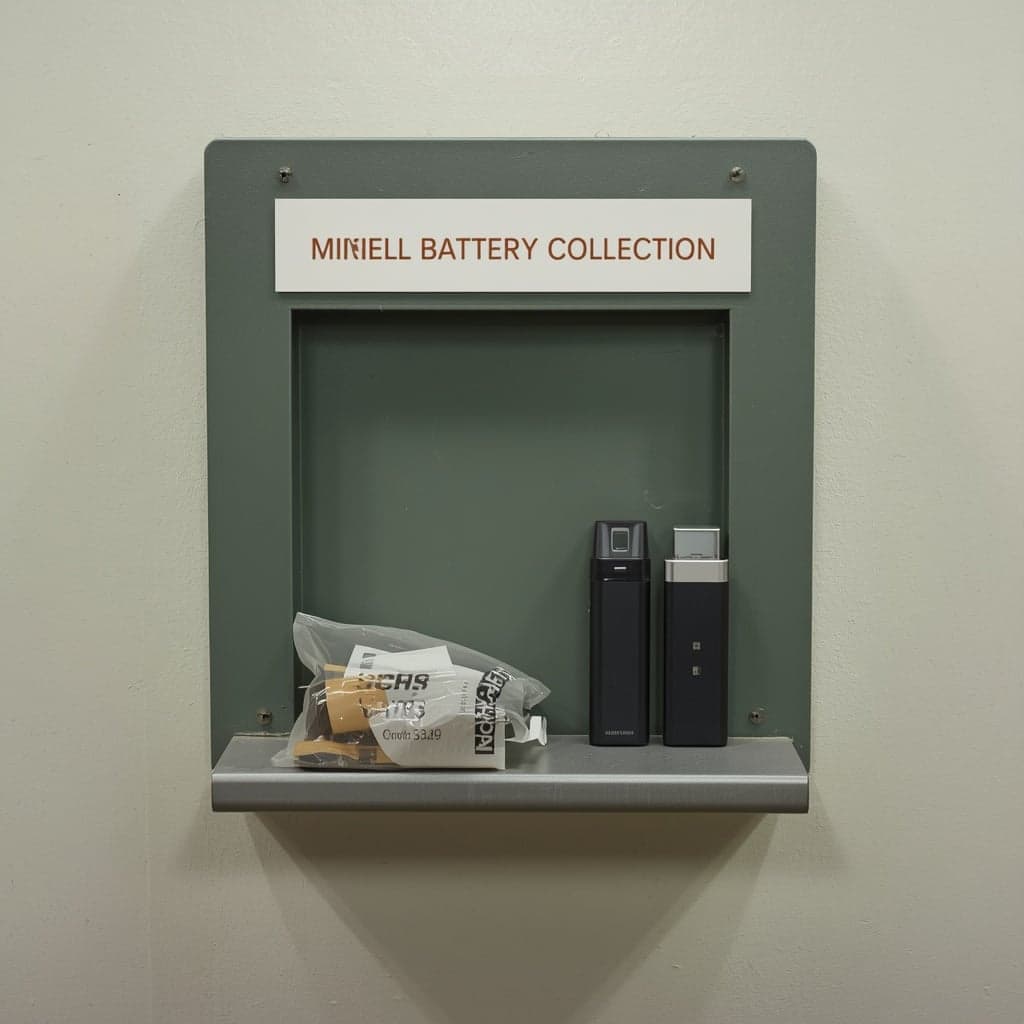
A used device is electronic waste with a lithium cell in it, and it does not belong in household rubbish or a kerbside recycling bin. Take it to a battery collection point, a household hazardous waste site, or a shop that accepts device take-back. Never crush, puncture or bin one.
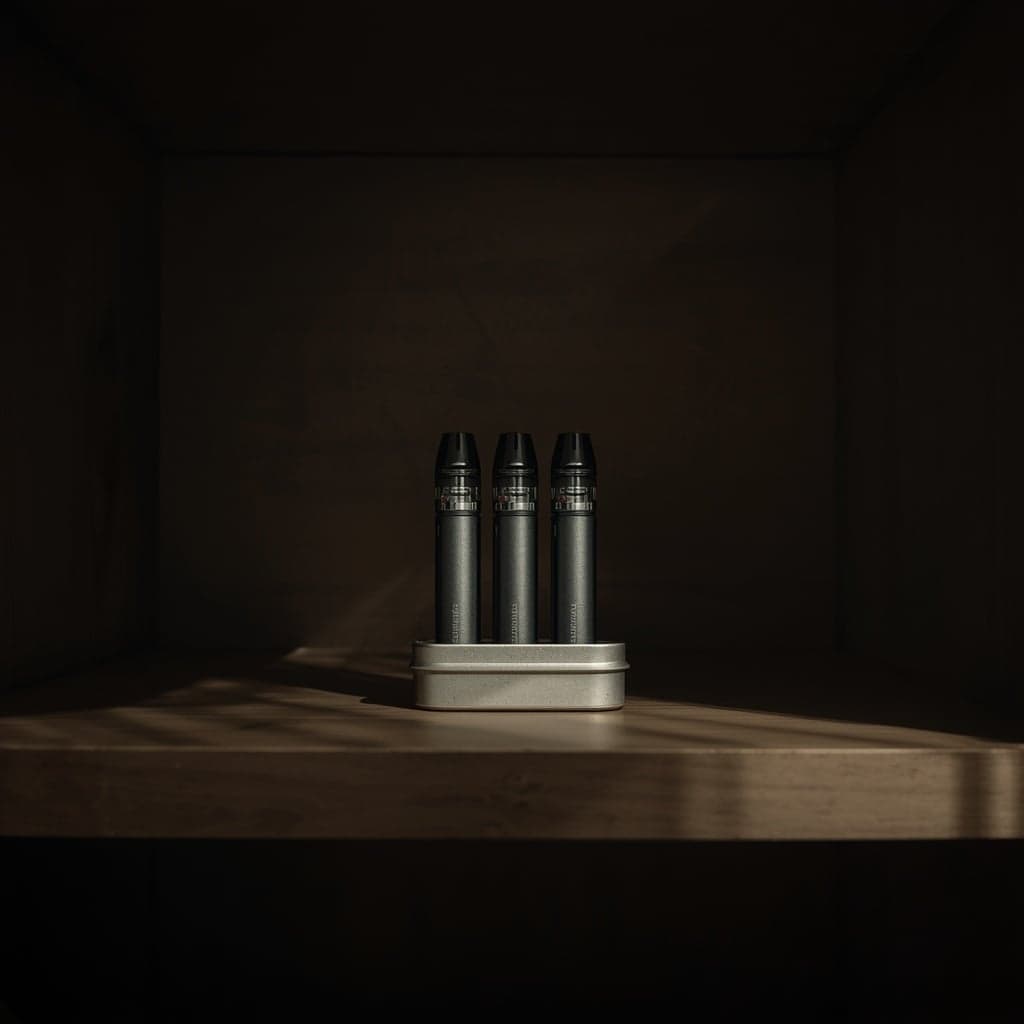
Upright, mouthpiece up, somewhere cool and dark, around half charged if it is going away for a while. Heat thins the contents and causes leaks, cold thickens them and dries the wick, and a device left on its side floods its own airway.
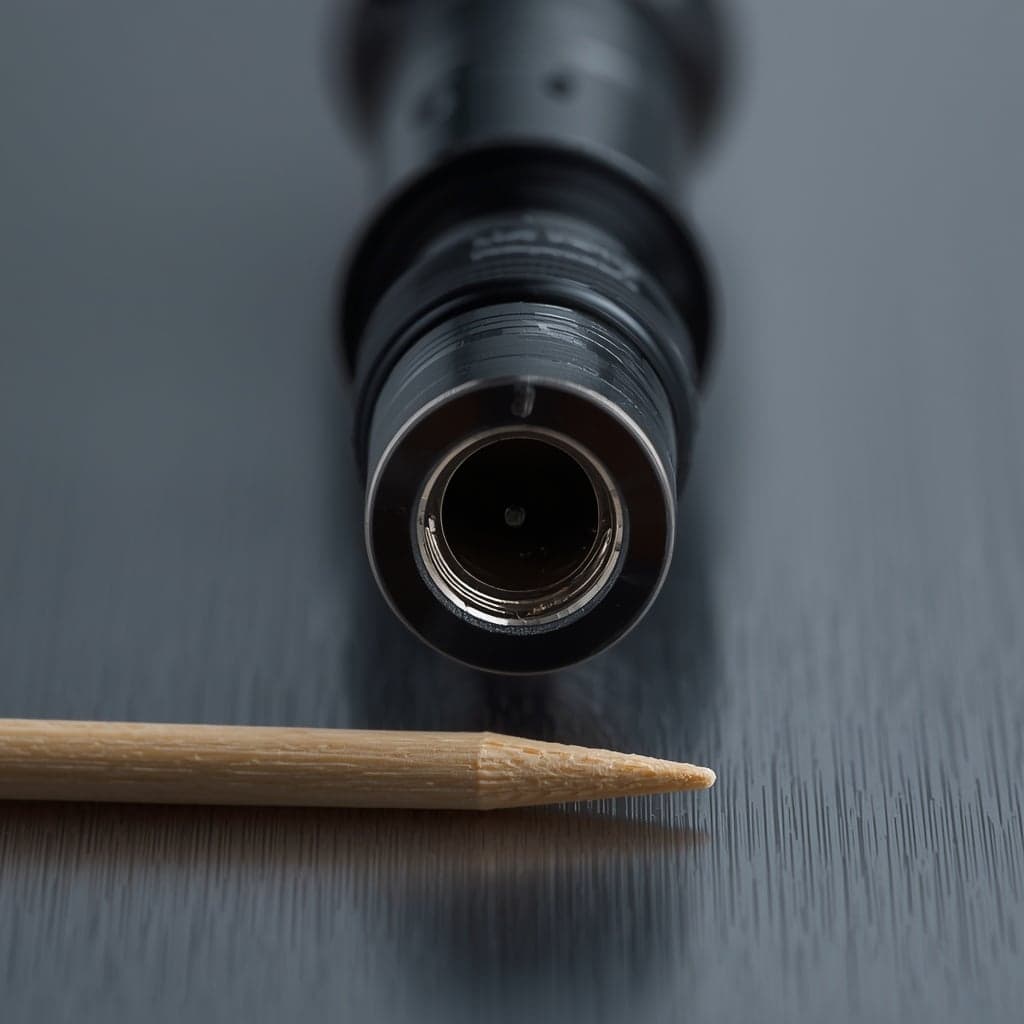
A clog is nearly always cold, thick contents blocking a narrow airway, or condensation collecting in the mouthpiece. Warm the cartridge in your hands, stand it upright, clear the mouthpiece with a cotton bud or a paperclip, then take short gentle draws rather than hard ones.
Your cart is empty
Everything we sell is batch-tested, and we tell you what ships to your state before you add it.
Browse the shop