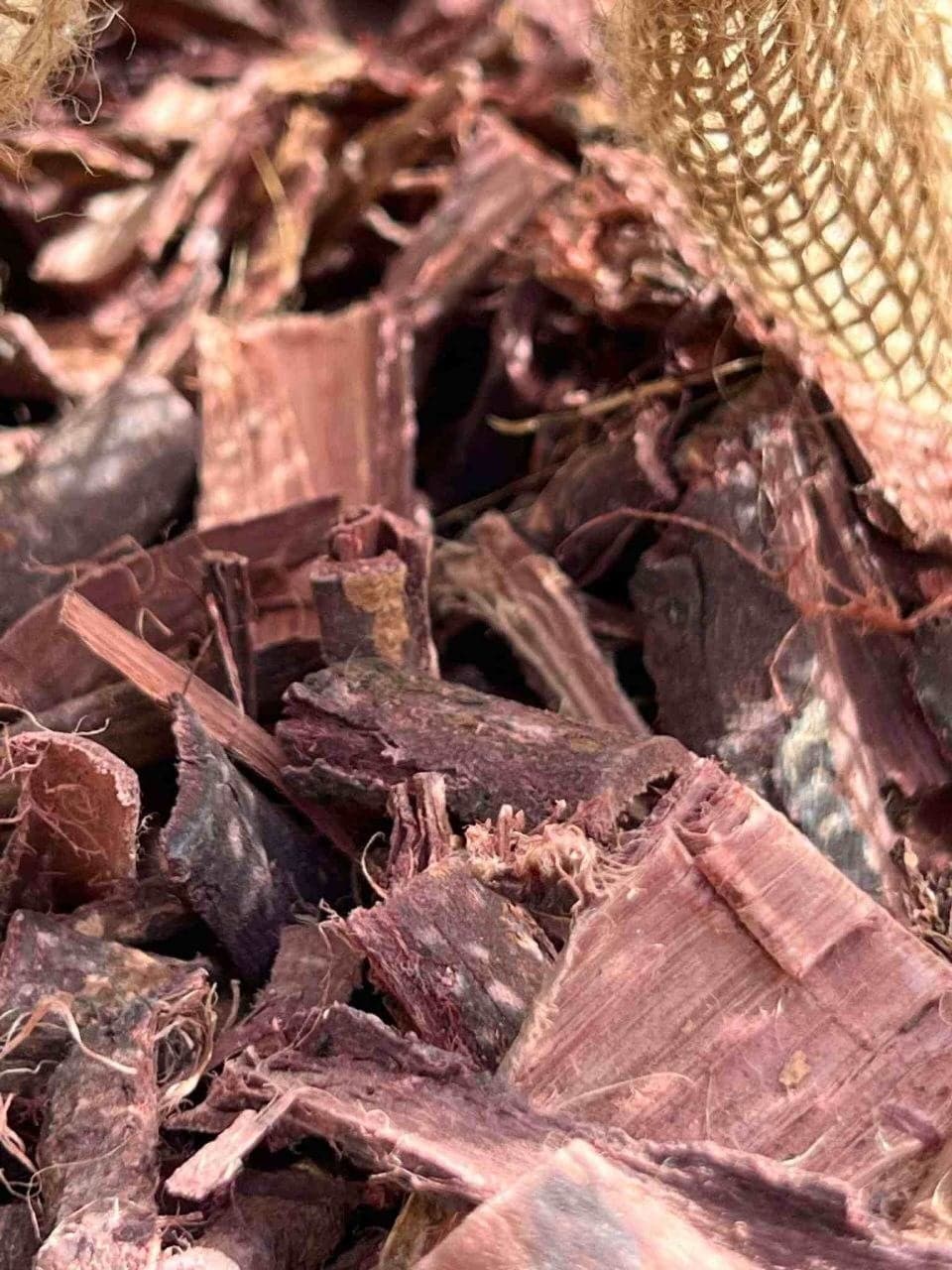
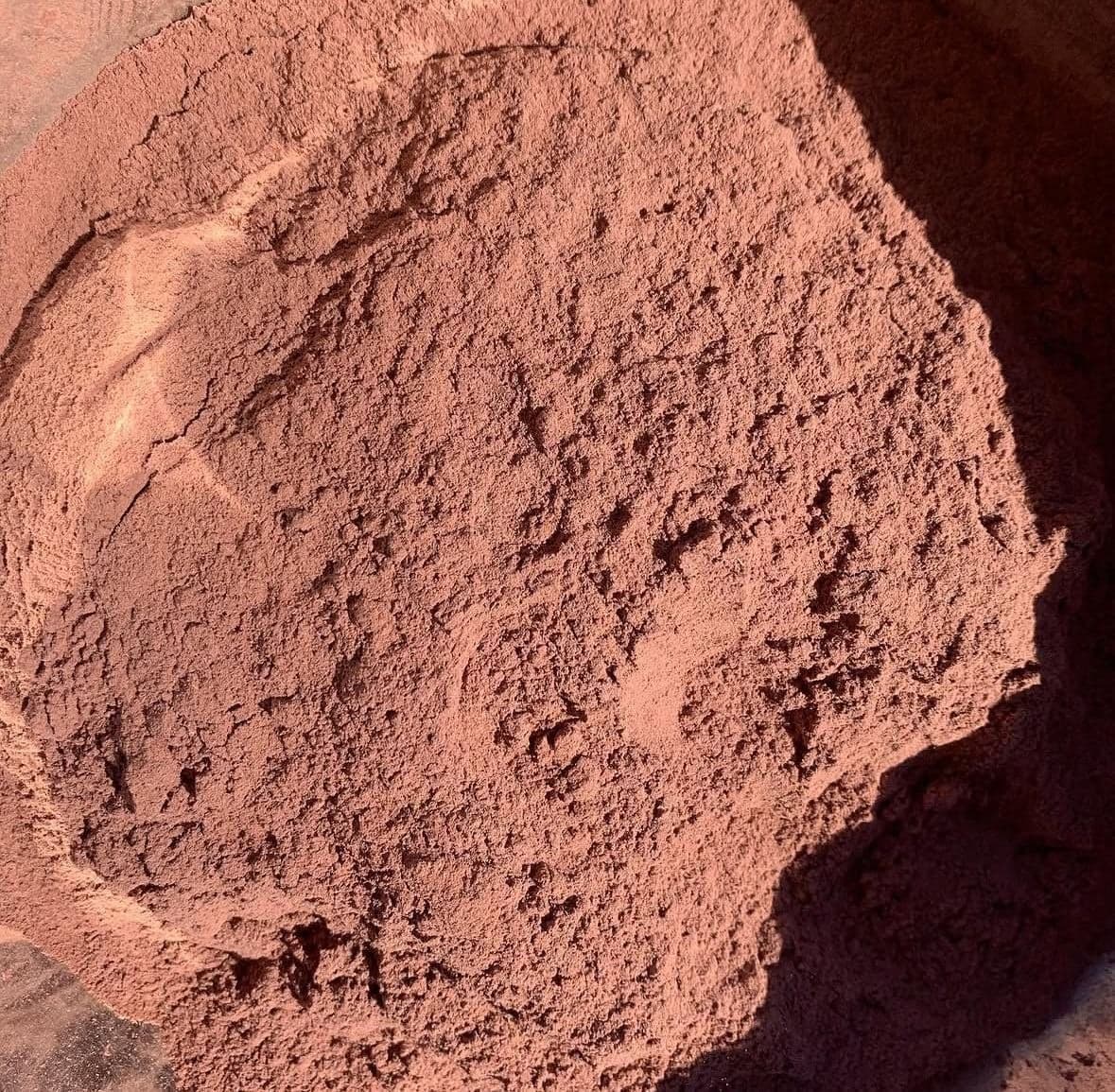
Mimosa Hostilis Root Bark Powder
Botanical use only
$37.501/4 lb
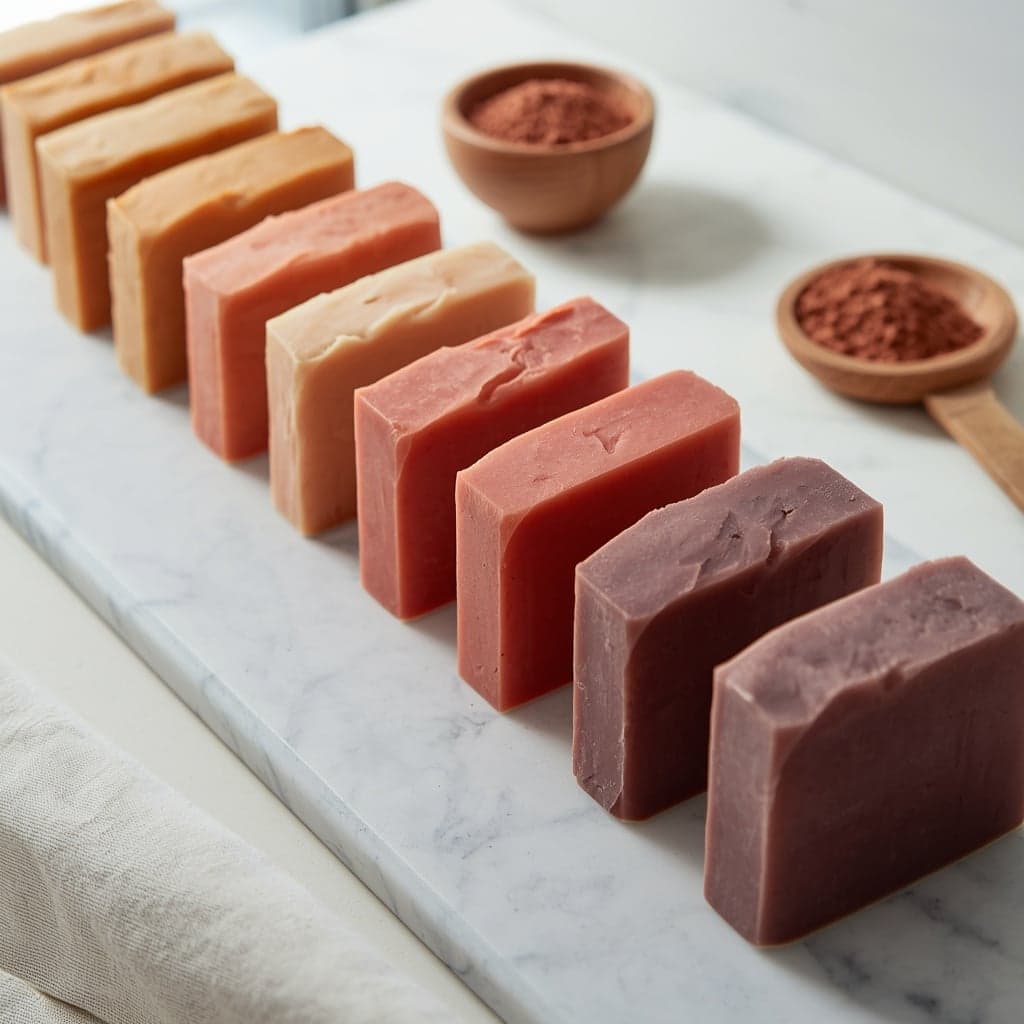
Soap is alkaline, and alkali pushes a tannin colour towards tan, khaki and brown rather than the purple it gives on wool. Use one to two teaspoons of finely milled powder per pound of oils, added at a light trace, and expect the shade to keep shifting for a fortnight.
Editorial desk · Written and checked in house · Updated
Botanical colourants behave differently in soap than in a dye pot, and this one changes more than most. The reason is pH: fresh soap batter sits around pH 10 or higher, and tannins read alkali as a colour instruction.
Not purple. On wool at neutral pH this bark gives aubergine and maroon; in soap batter it lands in tan, dusty rose-brown, khaki or greyish beige depending on your oils and how much you use. A batch that looks promisingly pink at the mould often settles to putty a week later.
Plan for brown tones and you will like the result. Plan for purple and you will not.
| Powder per pound of oils | Result |
|---|---|
| ½ tsp | A faint warm tint |
| 1 to 2 tsp | The usual range — tan to soft brown |
| 1 tbsp and above | Deep brown, and noticeable scratch in the bar |
Only finely milled powder is worth using. Shredded or stripped bark gives specks and a rough bar; if that is the look you want, use it deliberately and say so.
1. Disperse it first. A teaspoon of powder into a tablespoon of your warmed oils, stirred smooth, then set aside. Powder added dry to batter clumps and never recovers. 2. Add at a light trace, not before. Colourant in the lye water takes the worst of the alkali and usually goes muddier. 3. Blend briefly — just enough to be even. 4. Expect acceleration. Tannins can thicken batter faster than you expect, so keep intricate swirls for a recipe you know. 5. Judge it at two weeks, not at cutting. The shade moves as the bar rests and hardens.
It stains moulds and towels. Silicone comes clean; wooden moulds and pale cloth keep a memory.
Test a small batch first. A one-pound test batch answers the colour question for the cost of a bar, and soap makers who skip it tend to lose a full loaf to a shade they did not want.
Soap colourant uses teaspoons per batch, so a pound of powder goes a very long way, and working from one batch keeps your bars consistent across a run. Different batches of bark differ in tone, which is invisible in a dye pot and obvious on a shelf of soap.
Everything described here is raw botanical material sold for soap making, dyeing and craft work. It is not food, it is not a supplement, and it is not for human consumption. Nothing on this page is a recommendation to put any of it in or on a body.
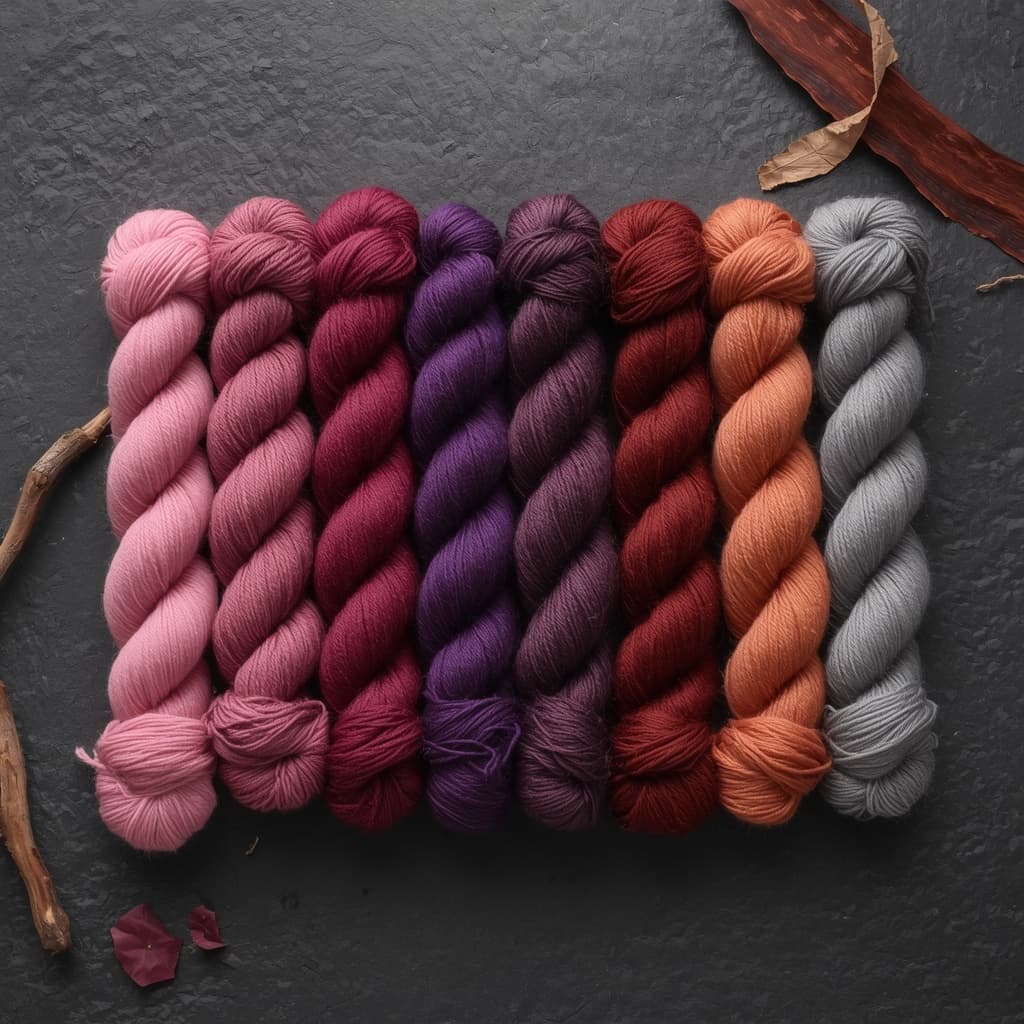
Overdyeing is dyeing one color on top of another. Mimosa hostilis gives rose to plum, so over indigo blue it makes violet and deep purple, over a yellow dye it makes peach, coral and rust, and with iron it turns grey and slate. Dye small samples first, and change only one thing between them.
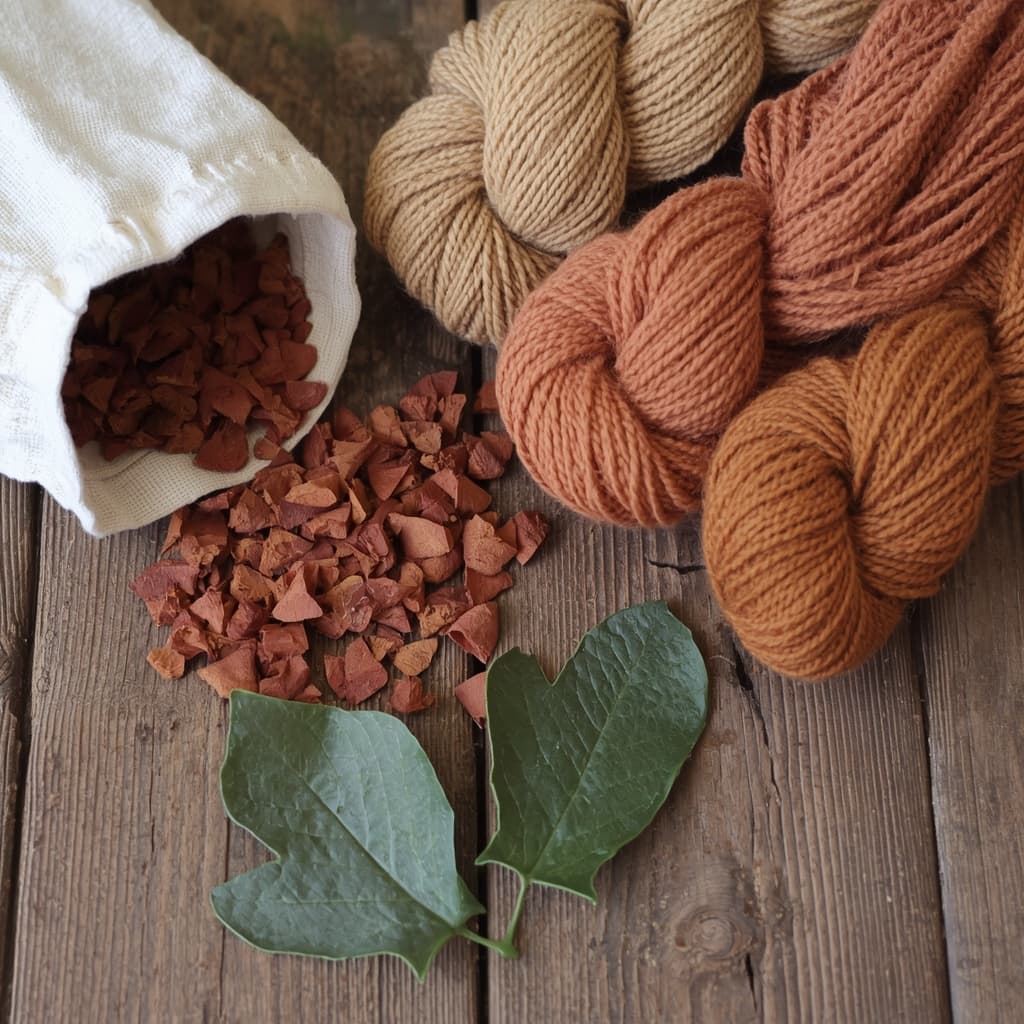
Sassafras root bark gives warm tan, rose-tan and orange-brown on wool mordanted with alum, and grey-brown with an iron afterbath. Use about a pound of bark to a pound of dry wool. Soak the bark overnight, simmer it gently for an hour, strain, then hold the mordanted wool in the bath just under a simmer for an hour and let it cool there.
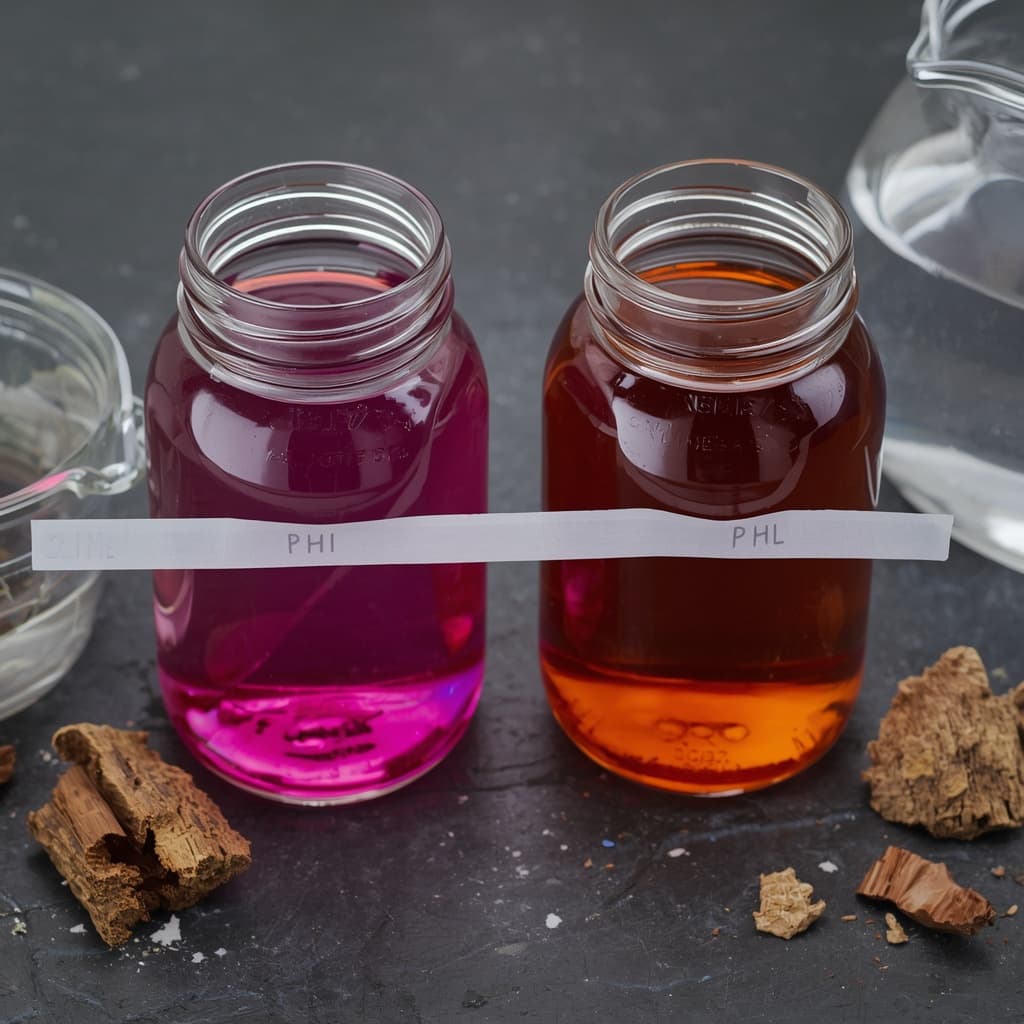
Hard water carries calcium and magnesium and usually runs alkaline, and both shift a tannin dye. With Mimosa hostilis the purples drift toward brown and the color looks duller. Iron in well water greys it further. Rainwater or distilled water is the simplest answer; a little white vinegar or citric acid, to bring the bath to about pH 5 or 6, is the next best.
Your cart is empty
Everything we sell is batch-tested, and we tell you what ships to your state before you add it.
Browse the shop