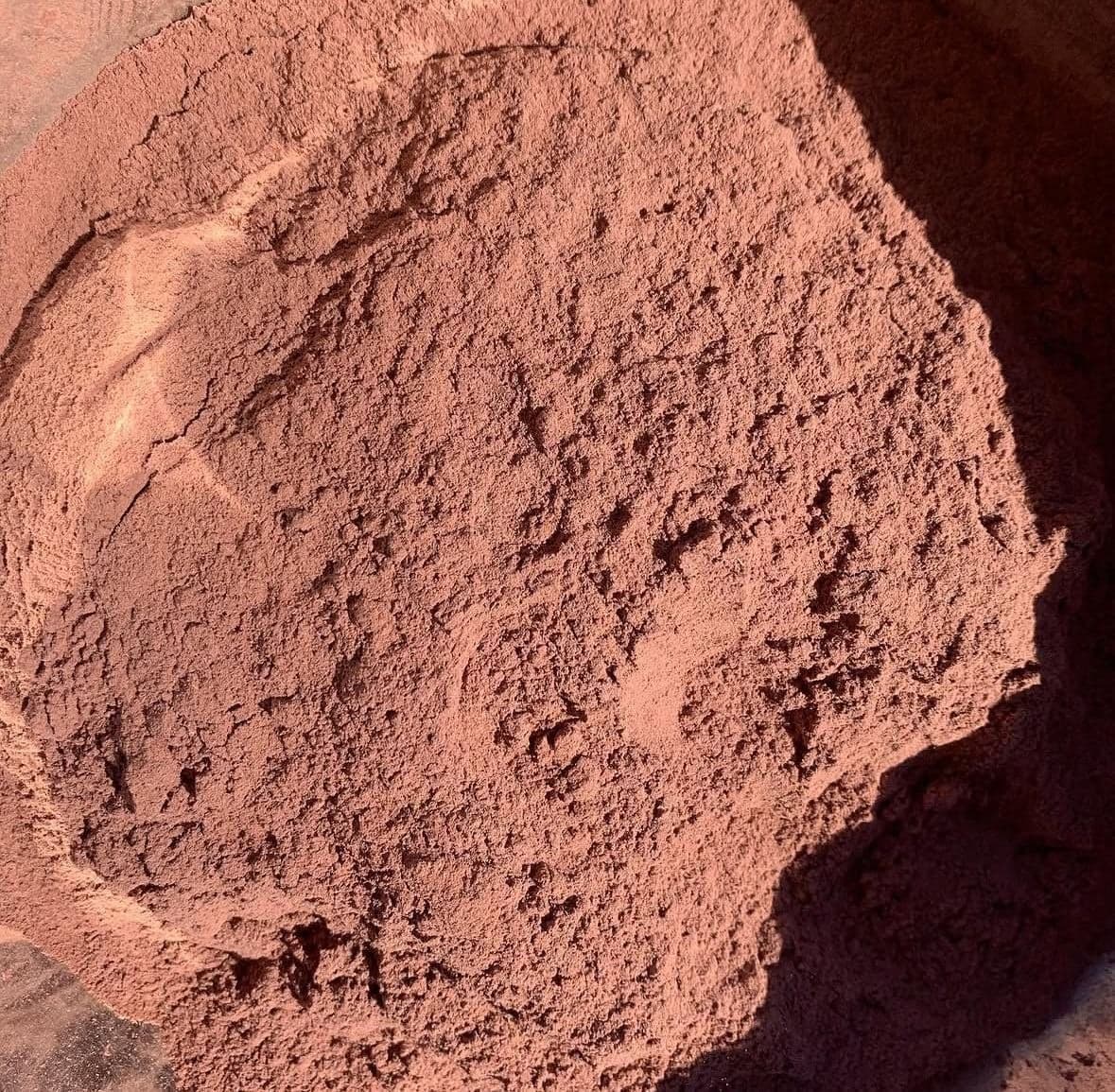
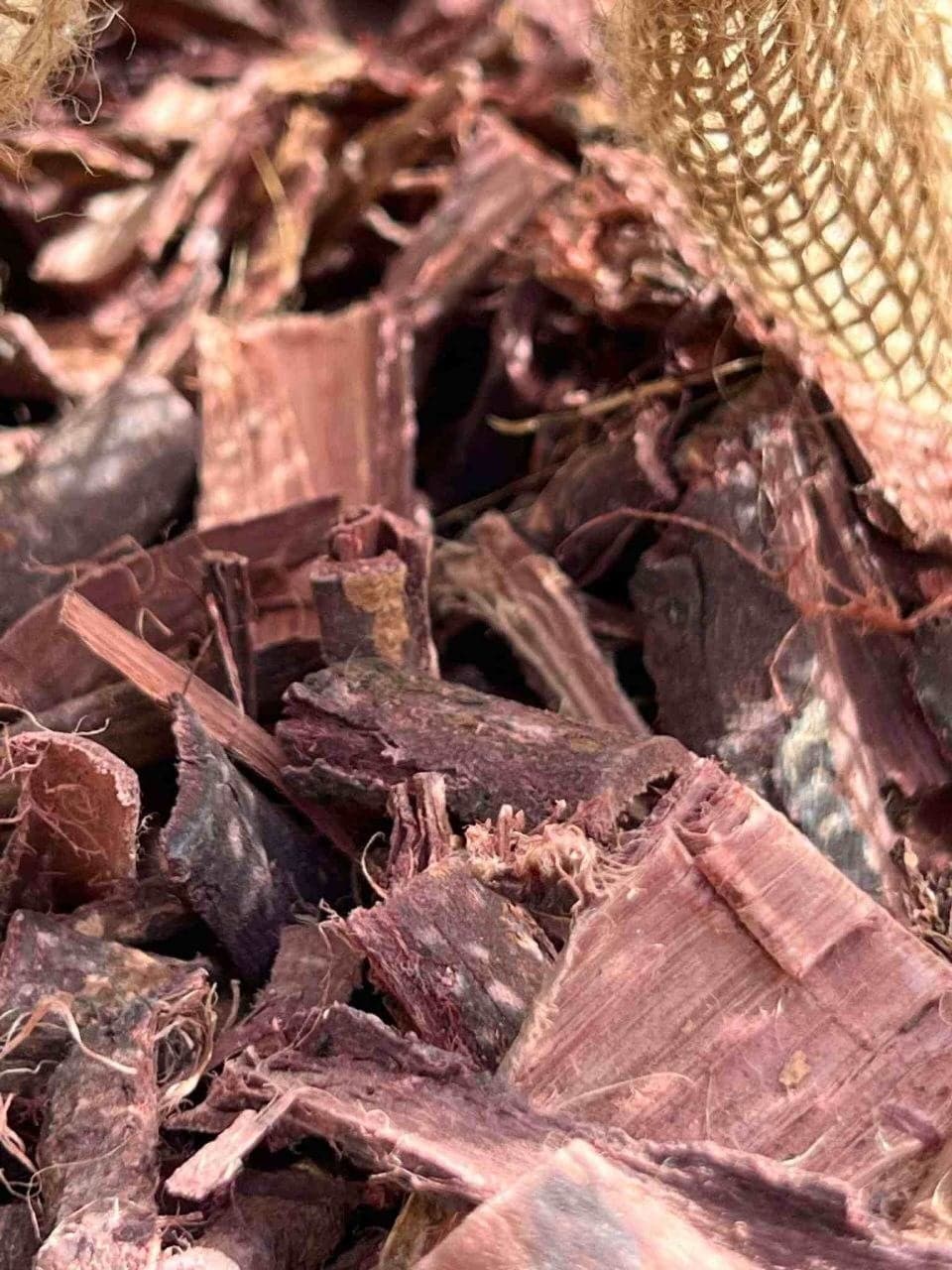
Whole Mimosa Hostilis Root Bark (Chips and Strips)
Botanical use only
$32.501/4 lb
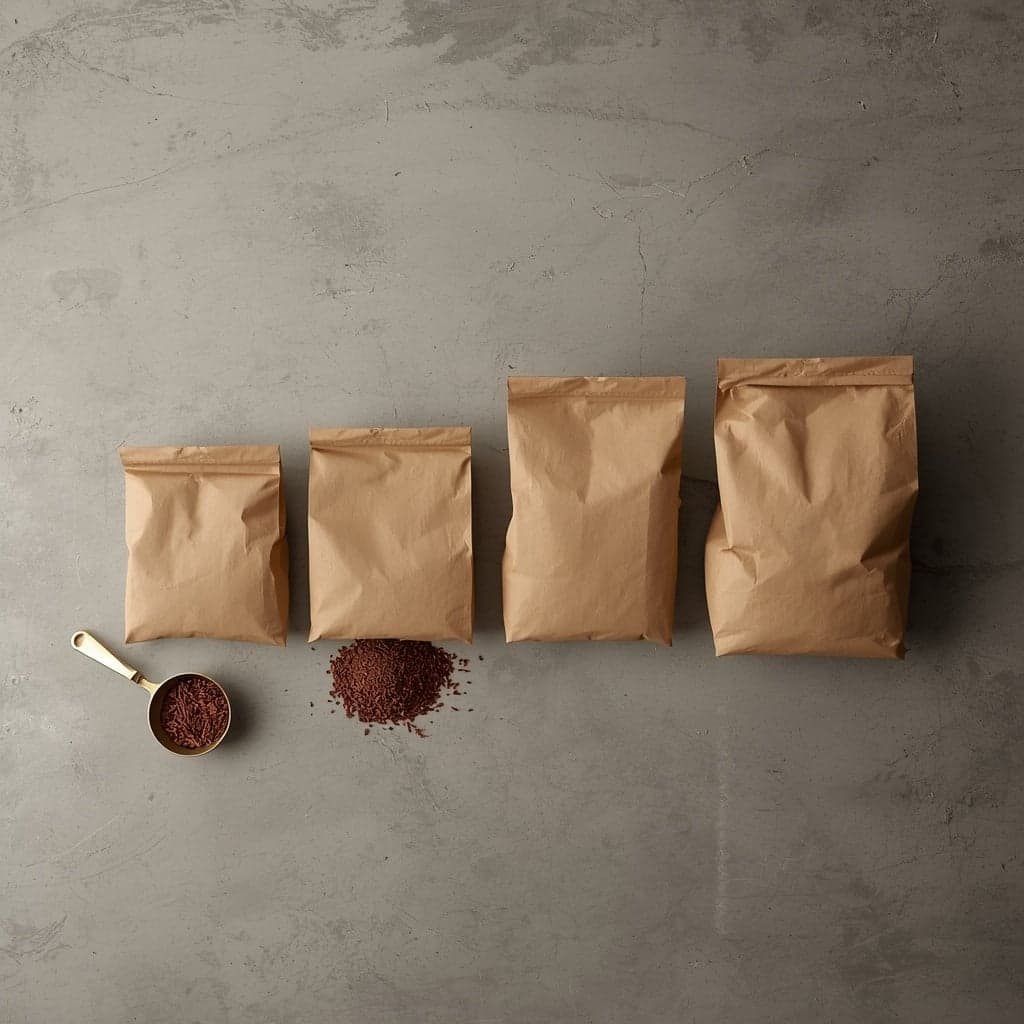
A pound of root bark dyes roughly one to two pounds of wool at useful depth, and two or three times that if you work the exhaust baths. Buying one larger batch also keeps colour consistent across a run, which matters more than the saving for anyone selling finished work.
Editorial desk · Written and checked in house · Updated
Two reasons to buy a pound rather than an ounce, and the second one is the one that catches people out.
| Depth | Bark as % of fibre | Fibre from 1 lb of bark |
|---|---|---|
| Deep | 100% | About 1 lb |
| Mid | 50 to 75% | 1⅓ to 2 lb |
| Pale | 25 to 40% | 2½ to 4 lb |
| Plus exhaust baths | — | Add roughly half again |
So a pound covers a sizeable project: a sweater's worth of yarn at depth, or three or four graded skeins if you work the second and third baths.
Bark from different harvests varies in tone. In a single dye pot that is invisible. Across a run of twenty skeins dyed over three months from three different purchases, it is obvious on the shelf — and a customer who bought two skeins to knit one garment will see it before you do.
One larger batch, dyed from the same material with the same recorded ratios, is how a small maker gets pieces that match. It is the same reason soap makers keep to one batch of colourant across a run.
A pound only makes sense if it survives. Kept dry, dark and sealed, this material holds its colour strength for years; kept in a damp garage it cakes and goes musty in a season. See storing root bark so it lasts.
Buy the cut you can store. Powder needs an airtight container and is unforgiving of damp; shredded and stripped material is far more tolerant of an imperfect cupboard.
1. Weigh the dry fibre for the whole project, including the bits you have not started. 2. Decide the depth, and take the percentage from the table above. 3. Add a quarter for test pots. Every batch should be tested before it meets the good fibre. 4. Round up to a size that stores cleanly rather than one that leaves an awkward remainder.
Everything described here is raw botanical material sold for dyeing, soap making and craft work. It is not food, it is not a supplement, and it is not for human consumption. Nothing on this page is a recommendation to put any of it in or on a body.

We are a US business first, but we also ship Mimosa hostilis and sassafras root bark to other countries. Each international order is quoted separately, because the cost of sending bark abroad depends on its weight. Ask through the bulk enquiry form, choose Outside the United States, and check your own country's import rules for plant material before you order.
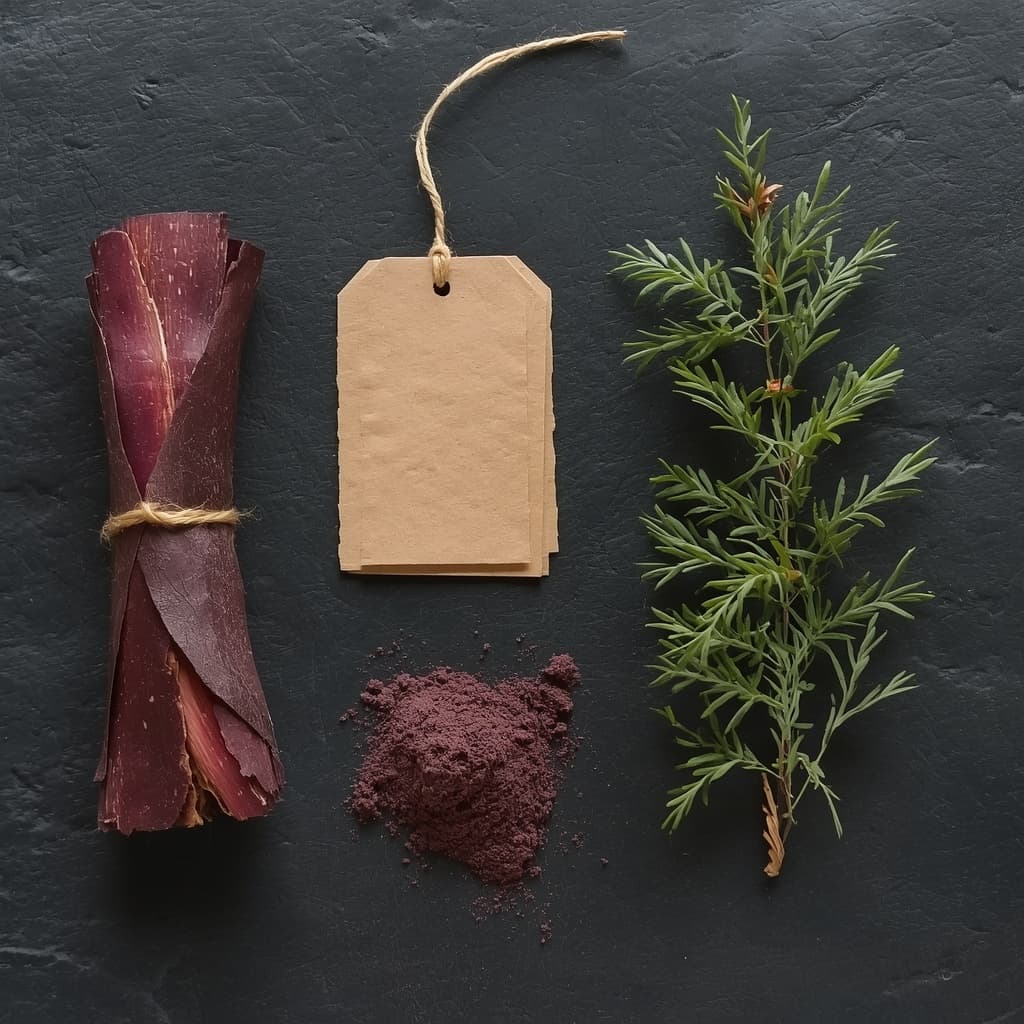
Mimosa hostilis and Mimosa tenuiflora are the same tree. Mimosa tenuiflora is the botanical name in current use and Mimosa hostilis is an older synonym that the dye trade kept. Jurema preta and tepezcohuite are its common names. It is not the leather trade's mimosa, the sensitive plant, or the pink-flowered mimosa tree of American gardens.
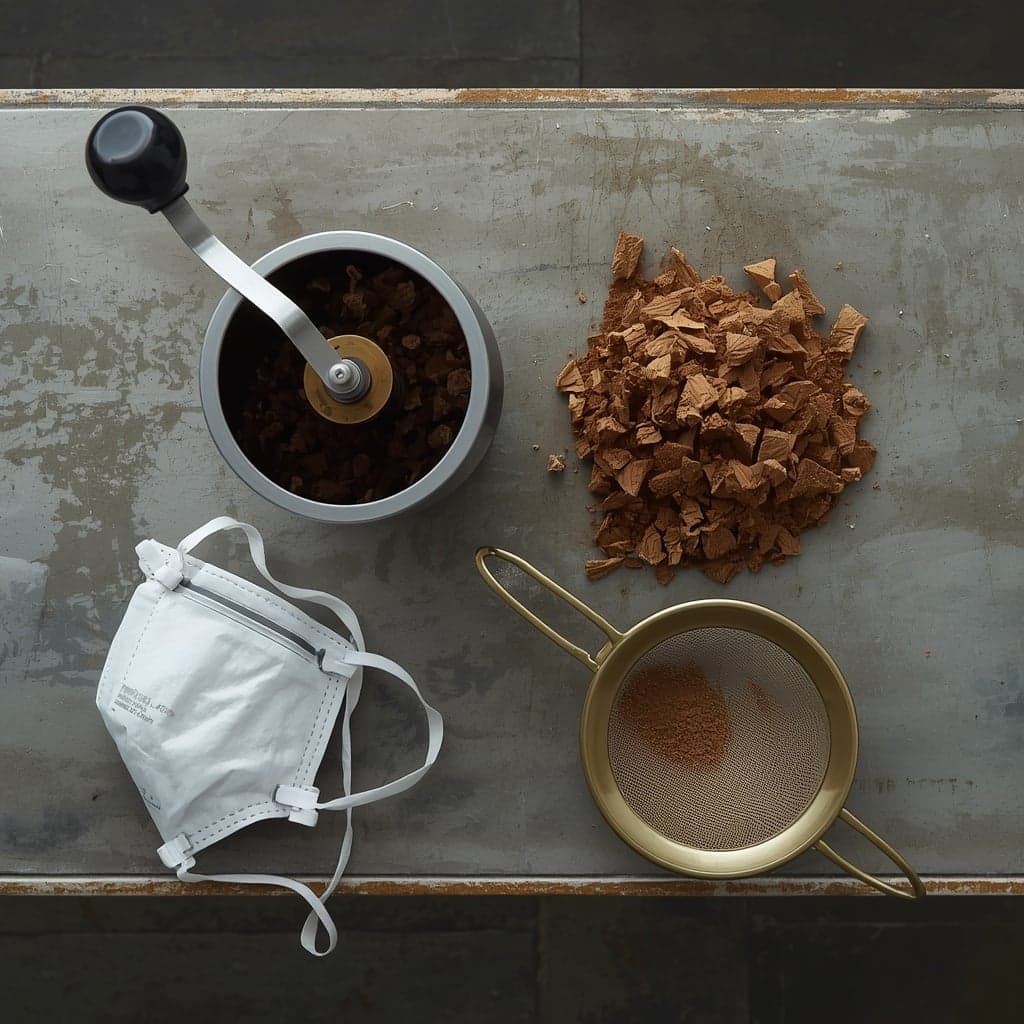
A coffee or spice grinder will take shredded bark to a usable powder in short bursts, sieved between passes. It is worth doing when you want one cut in the cupboard and both in the pot; it is not worth doing for volume, because domestic grinders overheat and the dust is considerable.
Your cart is empty
Everything we sell is batch-tested, and we tell you what ships to your state before you add it.
Browse the shop