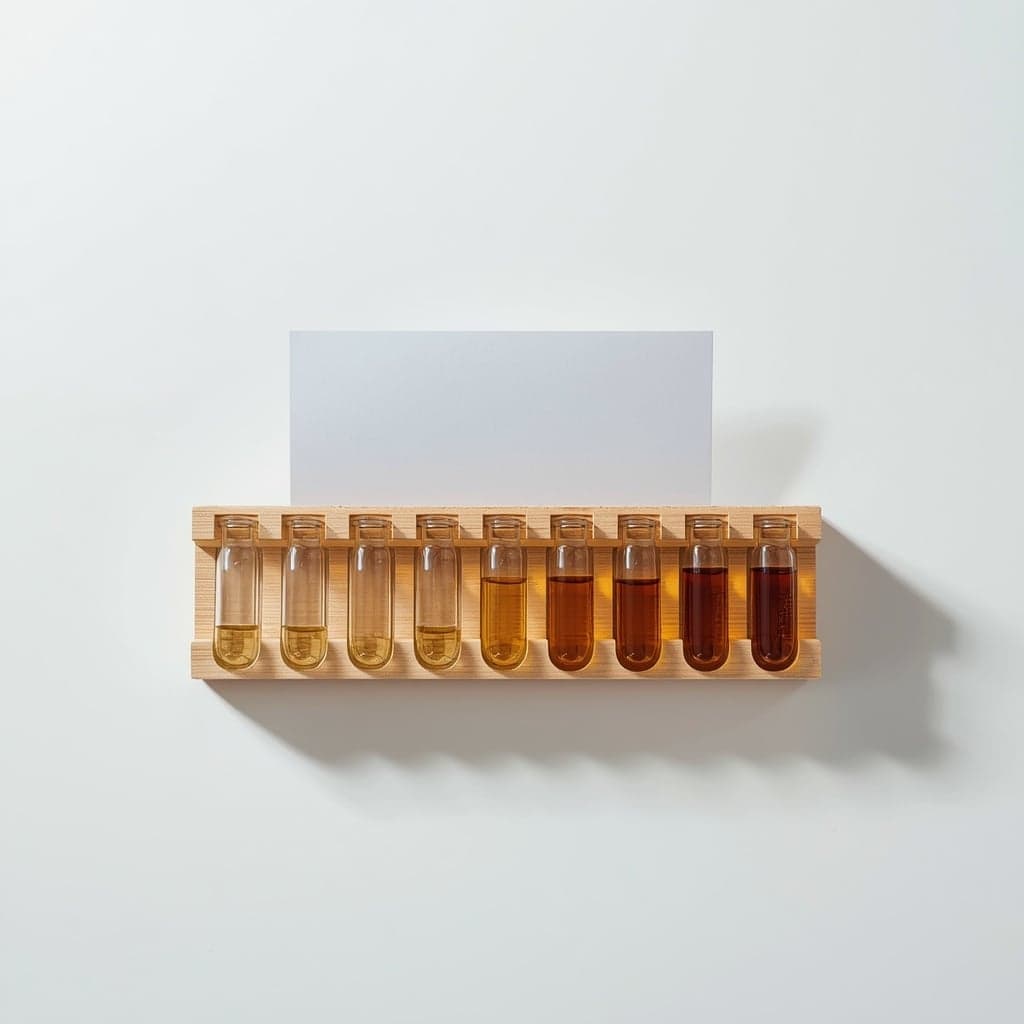
Beyond the two best-known compounds sit dozens of others, present in much smaller amounts. CBG is the precursor the plant builds the rest from, CBN forms as material ages and oxidises, and CBC and THCV appear in traces. A certificate lists them because the panel measures them, not because any claim attaches.
Editorial desk · Written and checked in house · Updated
A cannabinoid panel usually lists ten to sixteen compounds. Most are present in fractions of a per cent, and their names cause more confusion than their quantities justify.
| Abbreviation | Name | Where it comes from |
|---|---|---|
| CBD | Cannabidiol | One of the two most abundant in most material |
| CBDA | Cannabidiolic acid | The acid form, before heat |
| CBG | Cannabigerol | The precursor the plant builds others from |
| CBGA | Cannabigerolic acid | Its acid form — the starting molecule |
| CBN | Cannabinol | Forms as material ages and oxidises |
| CBC | Cannabichromene | Usually a trace |
| THCV | Tetrahydrocannabivarin | Usually a trace |
| CBDV, CBL | Varin and cyclol forms | Traces, often below quantifiable levels |
Most cannabinoids exist in the living plant as acids — with an A on the end — and convert to the non-acid form when heated. That conversion is why a certificate reports both, and why the arithmetic on a total figure is not simple addition. See THCa and what heat does to it.
CBGA is the molecule the plant's enzymes work on to make the others, which is why mature material usually shows very little of it left: most was converted during growth. Material harvested early, or bred for it, shows more.
CBN is the one worth understanding, because it is not really a feature — it is a clock. It forms as material oxidises, so an elevated CBN figure relative to what was reported at harvest indicates age, heat or air exposure somewhere in the chain.
A certificate showing a noticeable CBN figure on a product sold as fresh tells you something the marketing did not. See what happens in heat, light and air.
Two abbreviations that confuse people more than the cannabinoids do. ND means not detected. LOQ — limit of quantification — is the smallest amount the method can put a reliable number on; below it, a result reads "<LOQ" rather than zero. Most minor cannabinoids sit at or below it, which is normal rather than suspicious.
What any of these compounds does in a body is a question for research and regulators, not for a product page. Nothing here is a claim of any effect or benefit, and a seller offering one about a minor cannabinoid is telling you to read everything else they say more carefully.
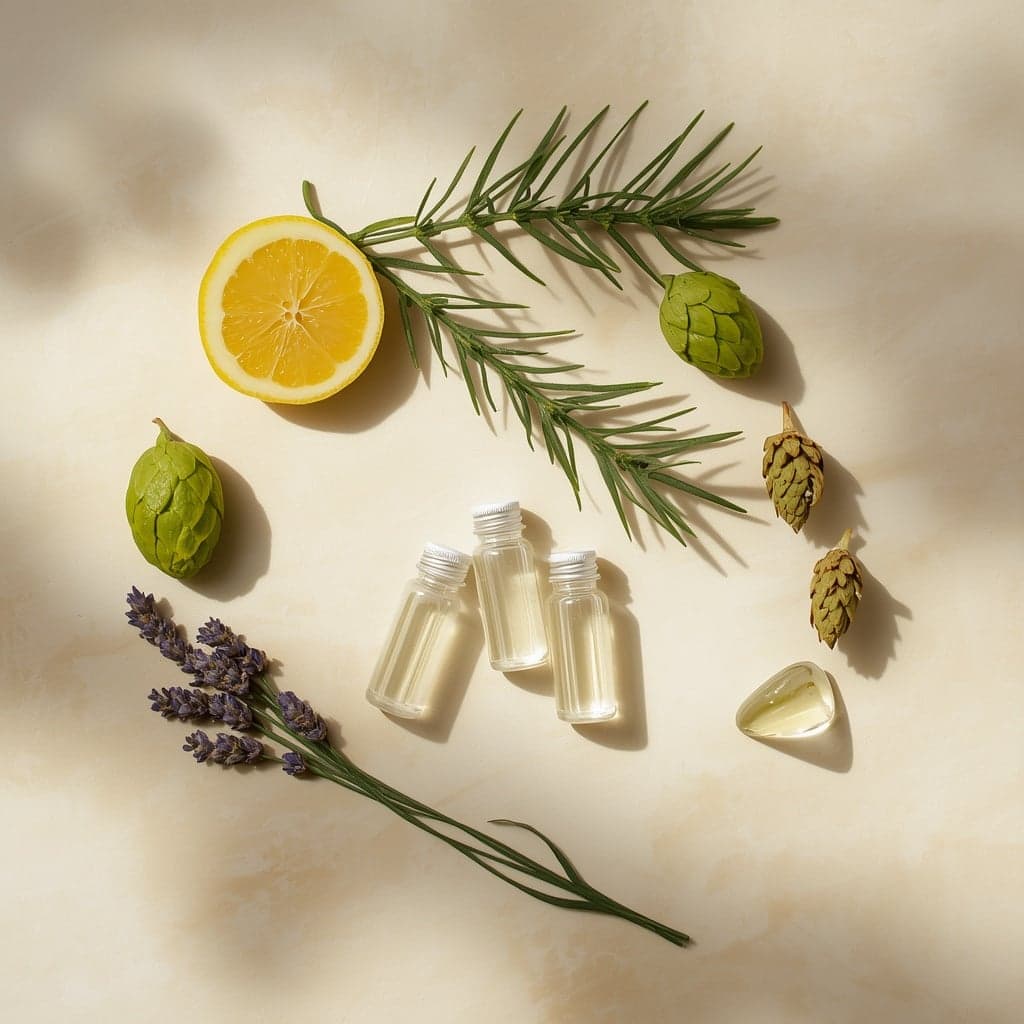
Terpenes are the volatile aromatic compounds that give plants their smell — limonene in citrus peel, pinene in pine, linalool in lavender. They are why two products with similar cannabinoid figures taste nothing alike, and because they evaporate easily, they are also the first thing heat and time take away.
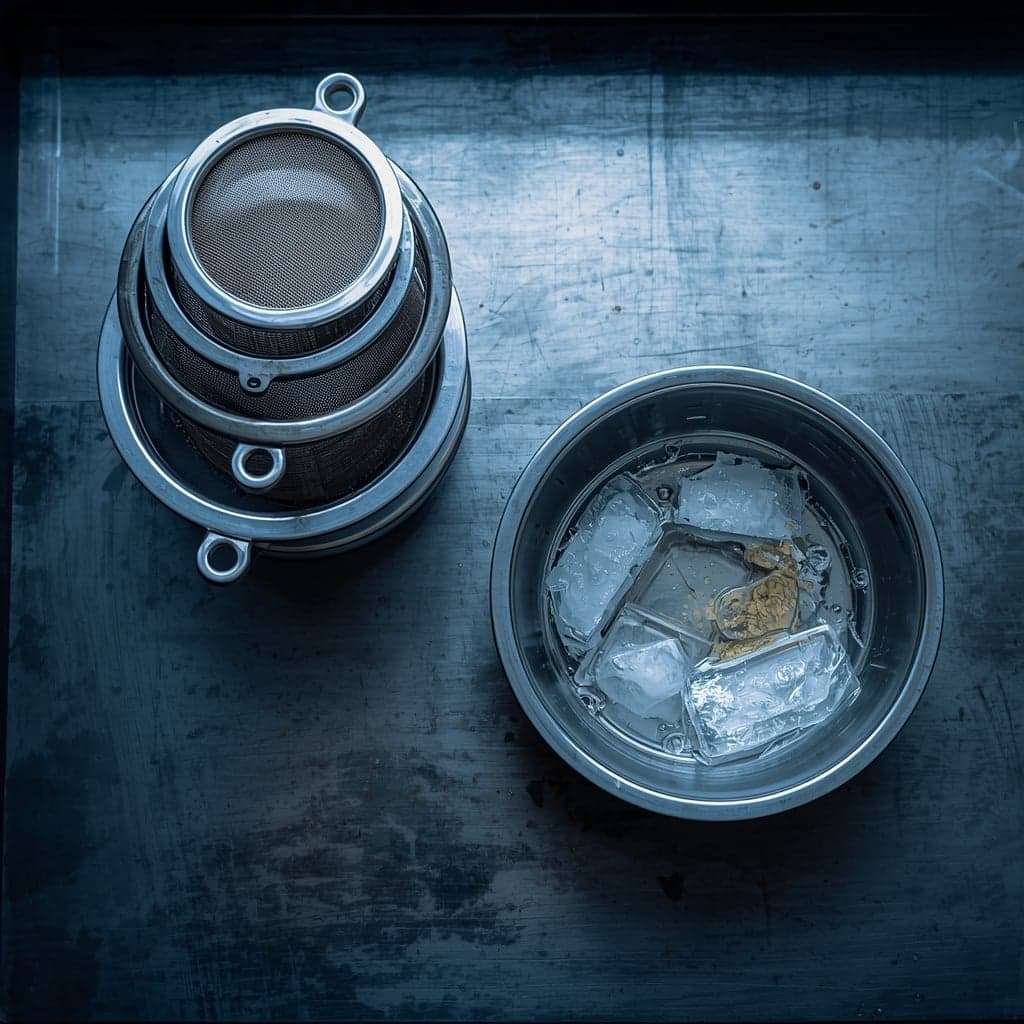
Solventless means the material was separated using only water, ice, heat, pressure or agitation — no butane, propane, ethanol or carbon dioxide at any stage. It is not a synonym for clean or for strong. It removes one category of risk, and every other question about contamination still applies.
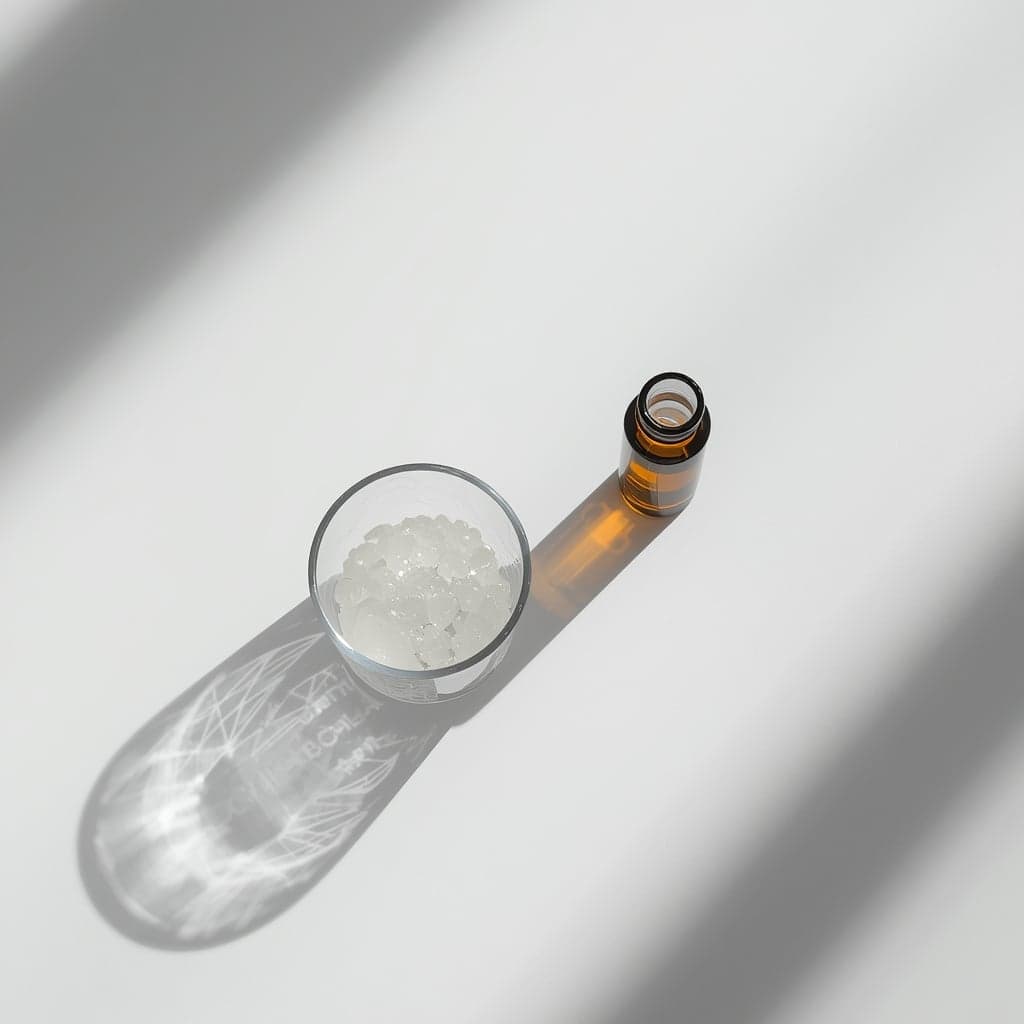
THCa is the acid form the living plant actually produces. Heat drives off a carbon dioxide group and converts it to the non-acid compound, losing about 12 per cent of the molecular weight in the process. That conversion is why a certificate reports both figures and why totals are calculated rather than added.
Your cart is empty
Everything we sell is batch-tested, and we tell you what ships to your state before you add it.
Browse the shop