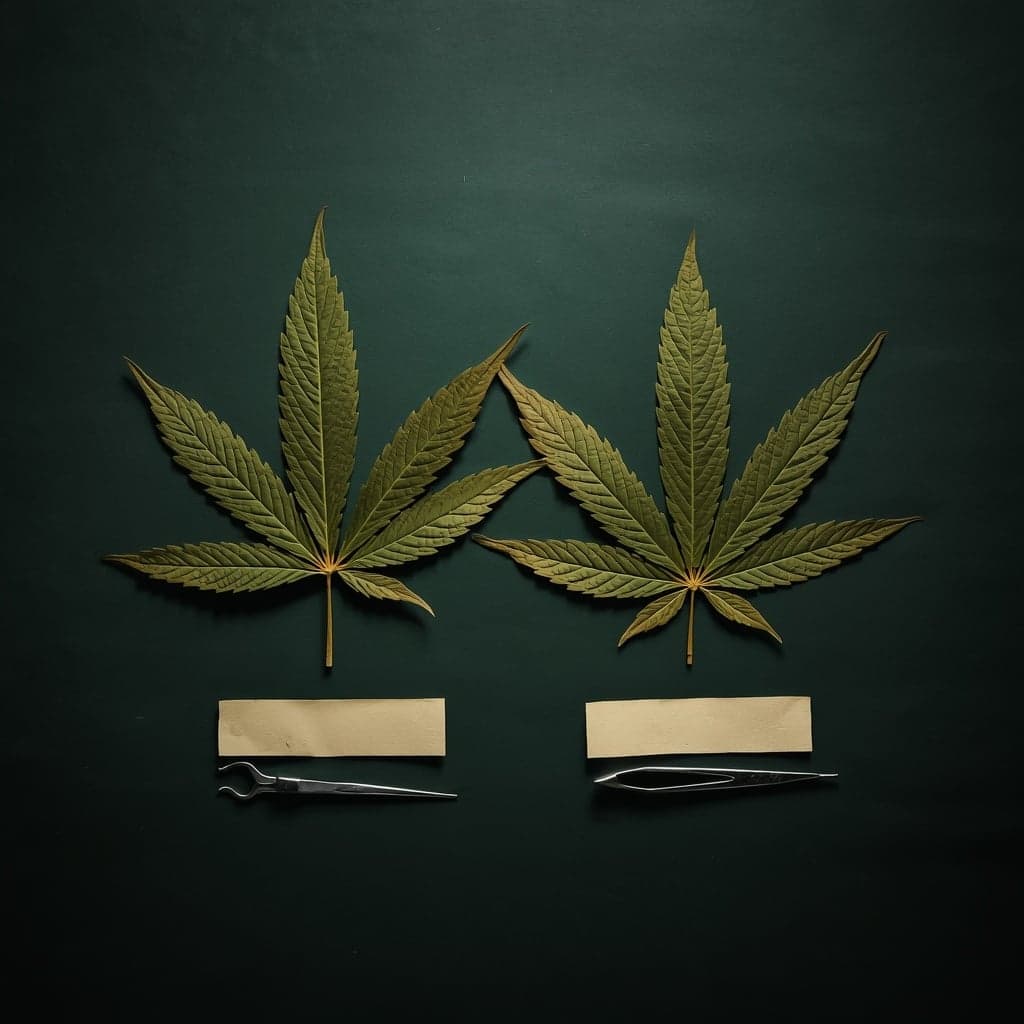
Almost nothing, at this point. The words began as botanical descriptions of plant shape and growing region, and generations of crossbreeding have made them commercial shorthand. Two products labelled the same way can have entirely different chemistry, which is why the certificate and the terpene profile are the useful information.
Editorial desk · Written and checked in house · Updated
These are the most widely used words in the category and the least informative. It is worth knowing why, because they are on almost every box.
Eighteenth and nineteenth-century botanists used the names for plants of different appearance and origin: one tall and narrow-leaved from warmer regions, one shorter and broad-leaved from further north. The distinction was about morphology and provenance — the shape of the plant and where it grew.
That is a description of a plant in a field. It was never a description of chemistry.
Decades of deliberate crossbreeding mean that virtually everything commercially grown today is a hybrid of hybrids. The labels survived because they are useful to sell with, not because they still divide anything. A modern plant sold under either name may be genetically closer to something sold under the other.
"Hybrid" as a third category makes the problem visible: if nearly everything is a hybrid, the word carries no information at all.
| Label | What it reliably tells you |
|---|---|
| Indica / sativa / hybrid | The seller's chosen shorthand |
| Strain name | Lineage as claimed — unregulated, frequently reused |
| Cannabinoid figures | Measured chemistry, if a certificate backs them |
| Terpene profile | Measured aroma chemistry — the closest thing to a fingerprint |
A terpene profile is the most honest description of a product available, because it is measured rather than asserted, and because it is what you actually notice. See terpenes and why flavour varies.
Strain names are not administered by anyone. The same name is used by unrelated growers for unrelated plants, names are reused because they sell, and nothing stops anyone using any of them. Read as a rough indication of intended character they are harmless; treated as a specification they are misleading.
1. Ignore the three-word category. 2. Read the certificate for the batch code on the package. 3. Read the terpene profile — that is what you will taste. 4. Check the test date, and whether a contaminant panel was run.
And read any claim about what a category does in a body as marketing. Those claims are exactly what regulators cite, and they are not something this site will make. See reading a product label.
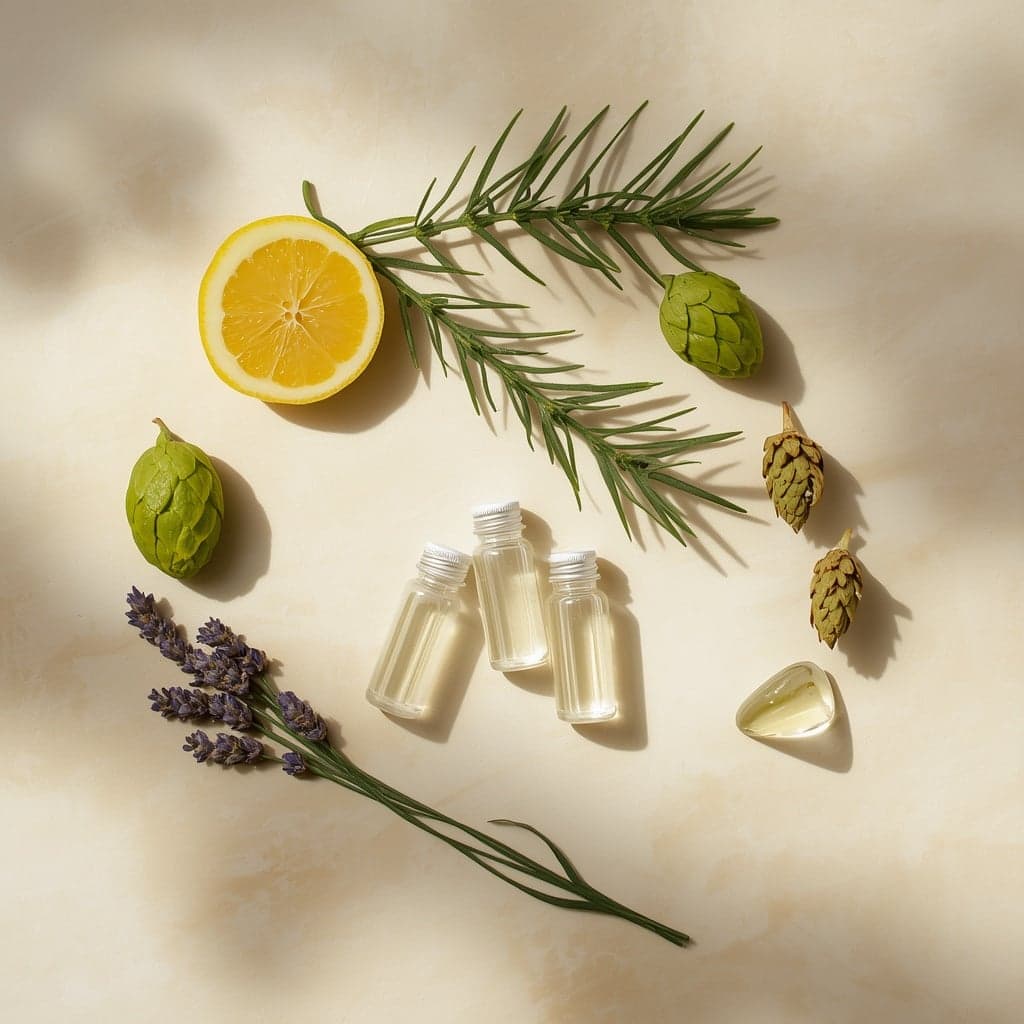
Terpenes are the volatile aromatic compounds that give plants their smell — limonene in citrus peel, pinene in pine, linalool in lavender. They are why two products with similar cannabinoid figures taste nothing alike, and because they evaporate easily, they are also the first thing heat and time take away.
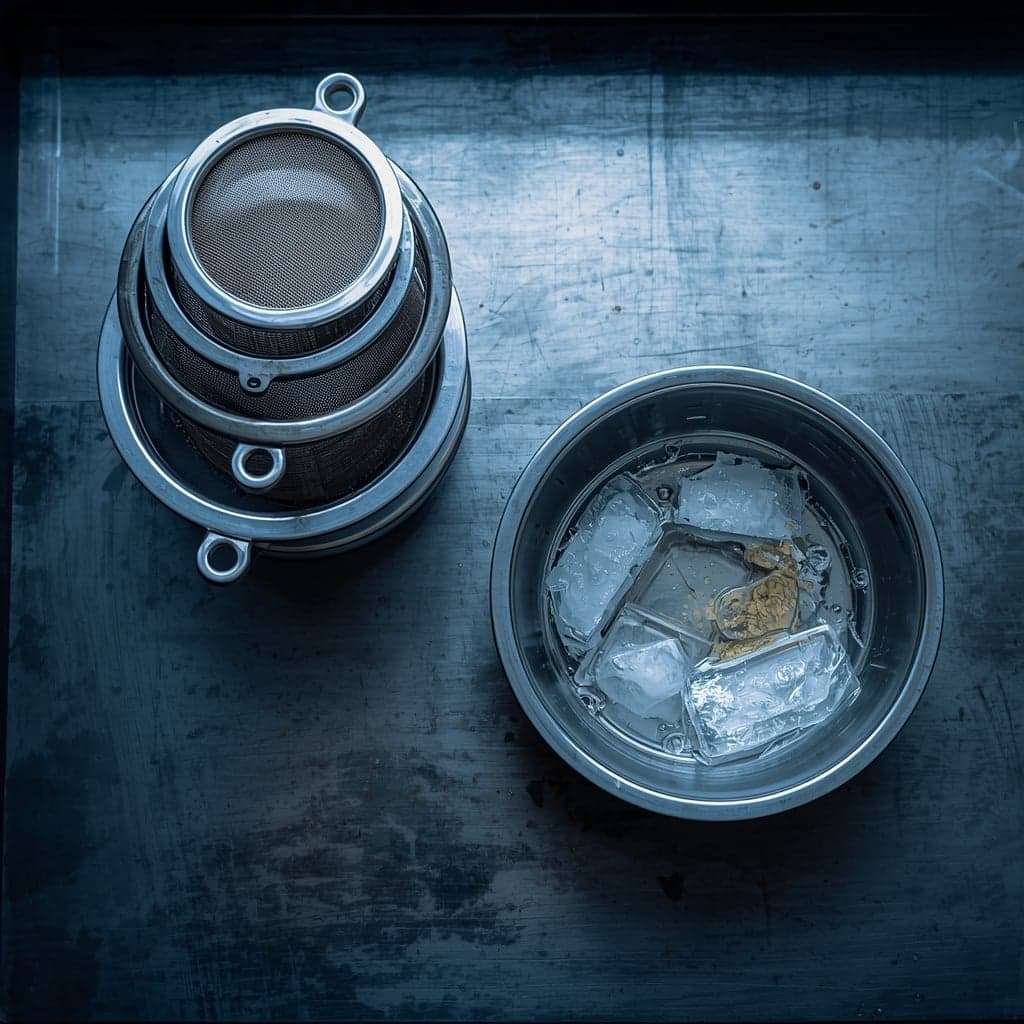
Solventless means the material was separated using only water, ice, heat, pressure or agitation — no butane, propane, ethanol or carbon dioxide at any stage. It is not a synonym for clean or for strong. It removes one category of risk, and every other question about contamination still applies.
THCa is the acid form the living plant actually produces. Heat drives off a carbon dioxide group and converts it to the non-acid compound, losing about 12 per cent of the molecular weight in the process. That conversion is why a certificate reports both figures and why totals are calculated rather than added.
Your cart is empty
Everything we sell is batch-tested, and we tell you what ships to your state before you add it.
Browse the shop