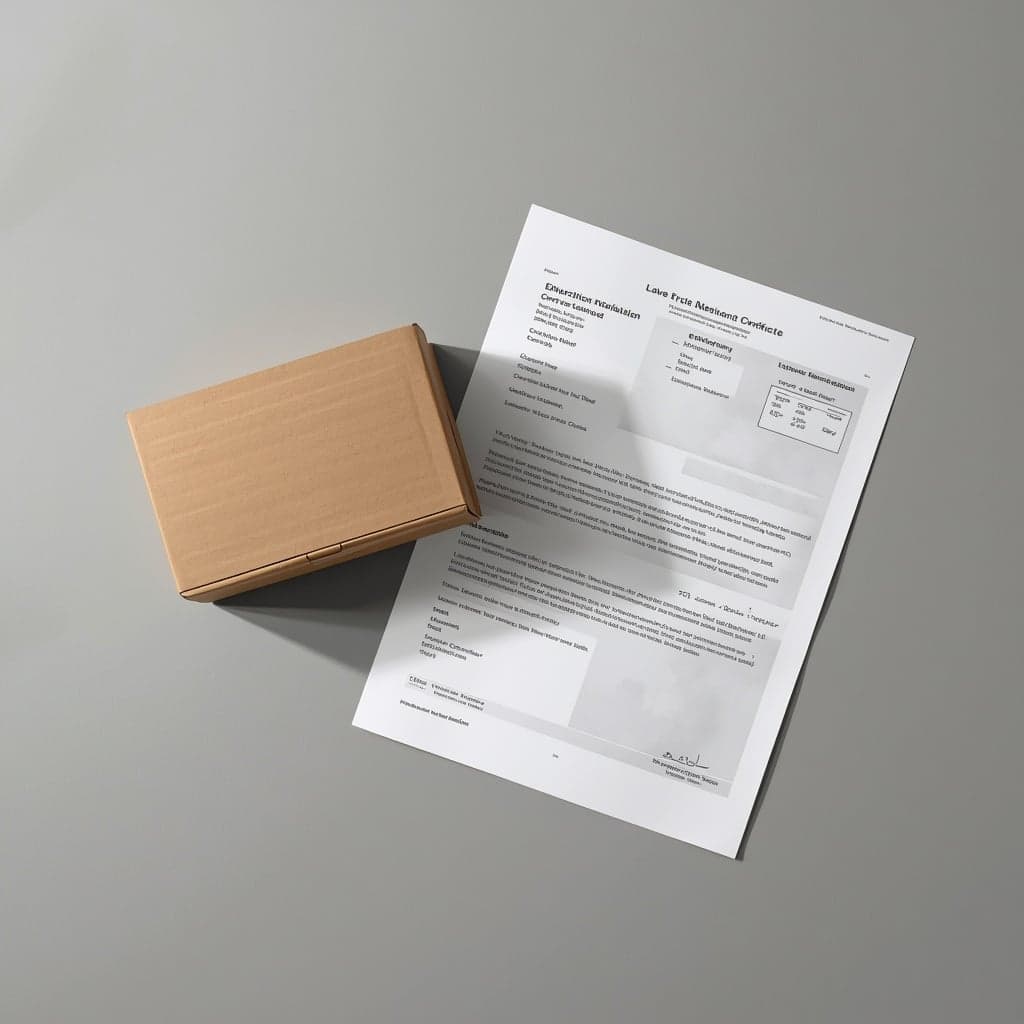
A figure printed on packaging is a marketing claim fixed at design time; a figure on a batch certificate is a measurement of what was in the material. Packaging is printed in bulk before the batch exists, so a printed number describes an intention rather than a result.
Editorial desk · Written and checked in house · Updated
The argument is not that printed figures are dishonest. It is that they cannot be accurate in the way people read them.
Packaging is designed once and printed in the thousands, often months before a given batch is made. Whatever number is on it was chosen before the material existed. Batches vary — the same recipe and the same source give different figures run to run — so a printed number is a target, a rounding, or a category average.
A certificate is generated after the fact from a sample of one run. That is the difference: one is an intention, the other is a result.
| Source of variation | Effect |
|---|---|
| Different starting material | Sometimes points, not fractions |
| Processing run to run | Small but real |
| Time between manufacture and testing | Acid forms convert |
| Sampling within a batch | Real, which is why sampling method is reported |
| Laboratory to laboratory | Can exceed a point on the same sample |
Usually one of three ways, none of which is a lie and none of which is a measurement of your unit: a rounded figure from an earlier batch; a minimum the producer expects to exceed; or a formulation target. Read a printed number as "about this much, by design".
Even where a printed figure comes from real data, the way a total is calculated can inflate it by about 12 per cent if the conversion factor is left out. That is an arithmetic choice made once at design time and reprinted thousands of times. See how a total figure is worked out.
Use it for what it is good for: the batch code, the net weight, the ingredient list, the manufacturer's identity. Then take the batch code to the certificate for the figures. See reading a label line by line.
Whether the material was clean. A potency number is not a safety test, and a certificate published without a contaminant panel has answered the least important question at length. See what a full contaminant panel covers.

A sample is homogenised, the compounds are dissolved out with a solvent, and the mixture is separated by chromatography — usually HPLC, which does not heat the sample and so can report acid and non-acid forms separately. Results are then compared against calibrated reference standards.

Dried bark keeps changing after it is tested. Moisture drifts, light fades the surface, and air slowly oxidizes tannins, which darkens and dulls the color a bath gives. A report describes the bark on the day it was sampled, so the date tells you how far the bag in your hands may have moved since.

A contaminant panel for dried botanical material usually checks four heavy metals (lead, arsenic, cadmium, mercury), microbial counts such as total aerobic count and yeast and mold, pesticide residues, moisture and foreign matter. Each matters for bark you weigh, sift and handle by hand, and each figure only means something next to its method and units.
Your cart is empty
Everything we sell is batch-tested, and we tell you what ships to your state before you add it.
Browse the shop