
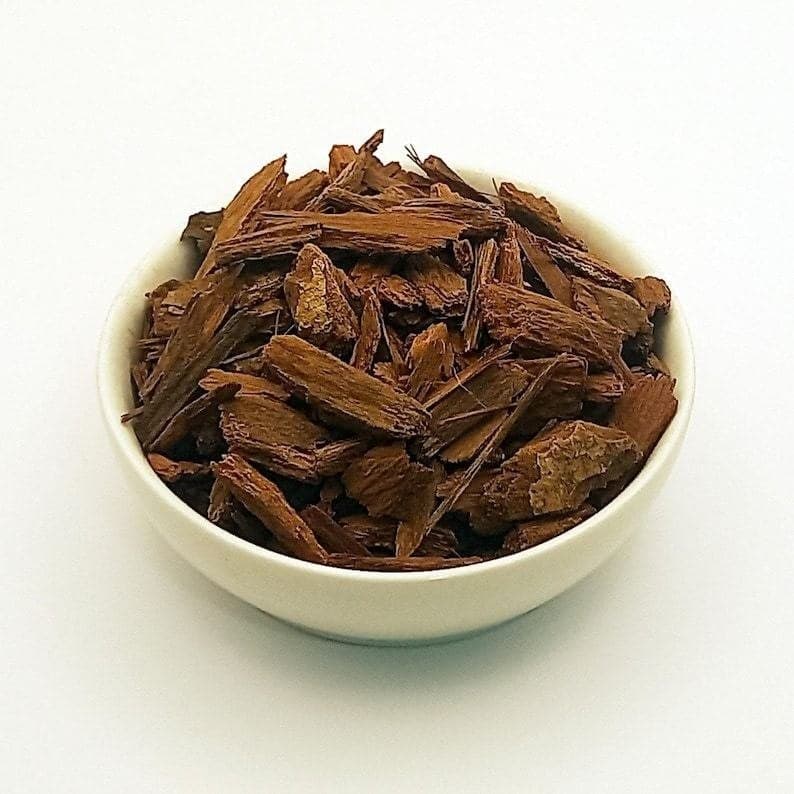
Sassafras Root Bark, Cut (Sassafras albidum)
Ships to youBotanical use only
$42.501/4 lb
We ship root bark to Rhode Island from California, to adults 21 and over. Yes. We ship Mimosa hostilis root bark, in powder, shredded and whole cuts, and sassafras root bark to Rhode Island, from California, with tracking. Every cut is sold by the pound, from a quarter pound to a full pound, and a person checks every order before payment details are sent to your order chat.
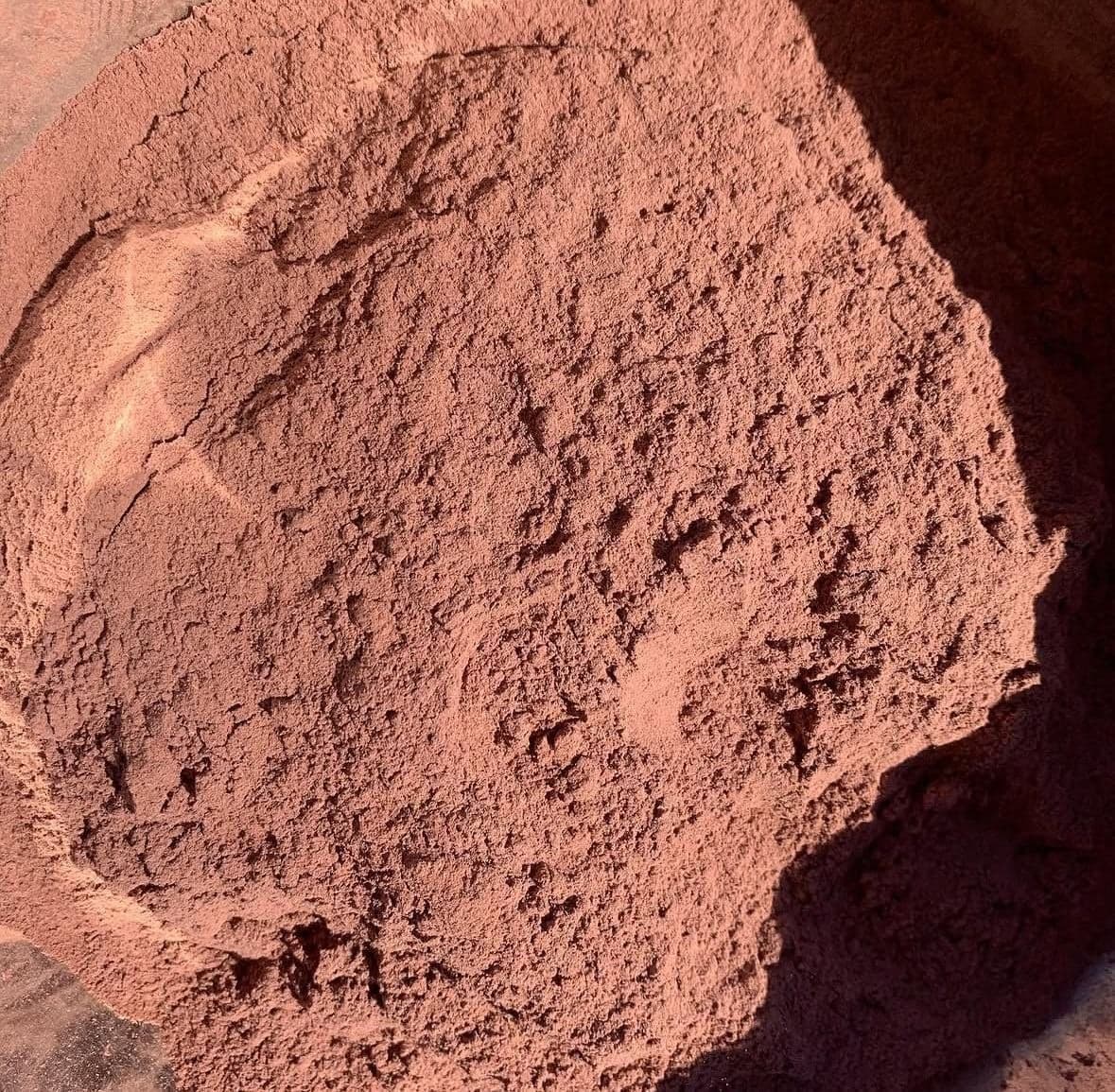
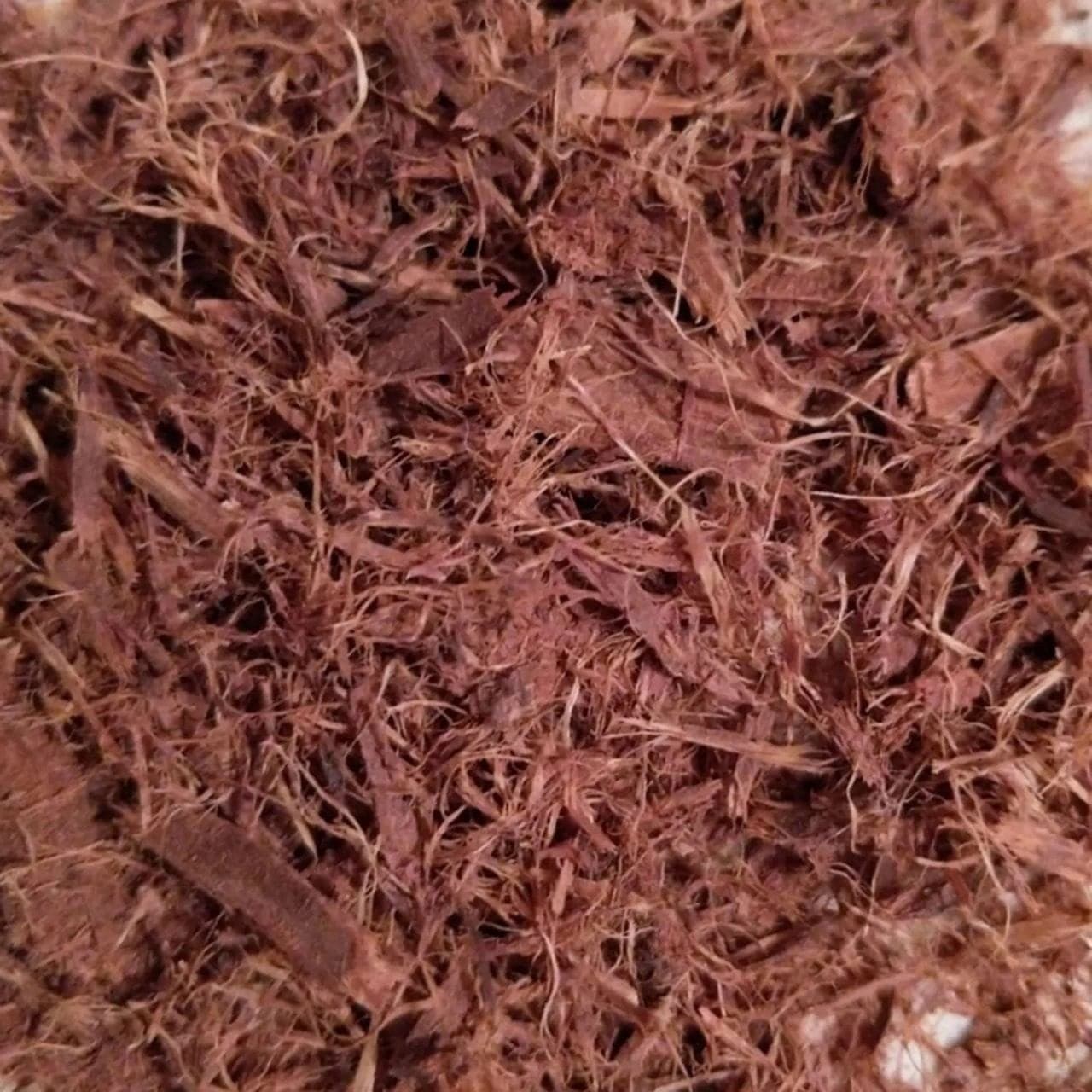
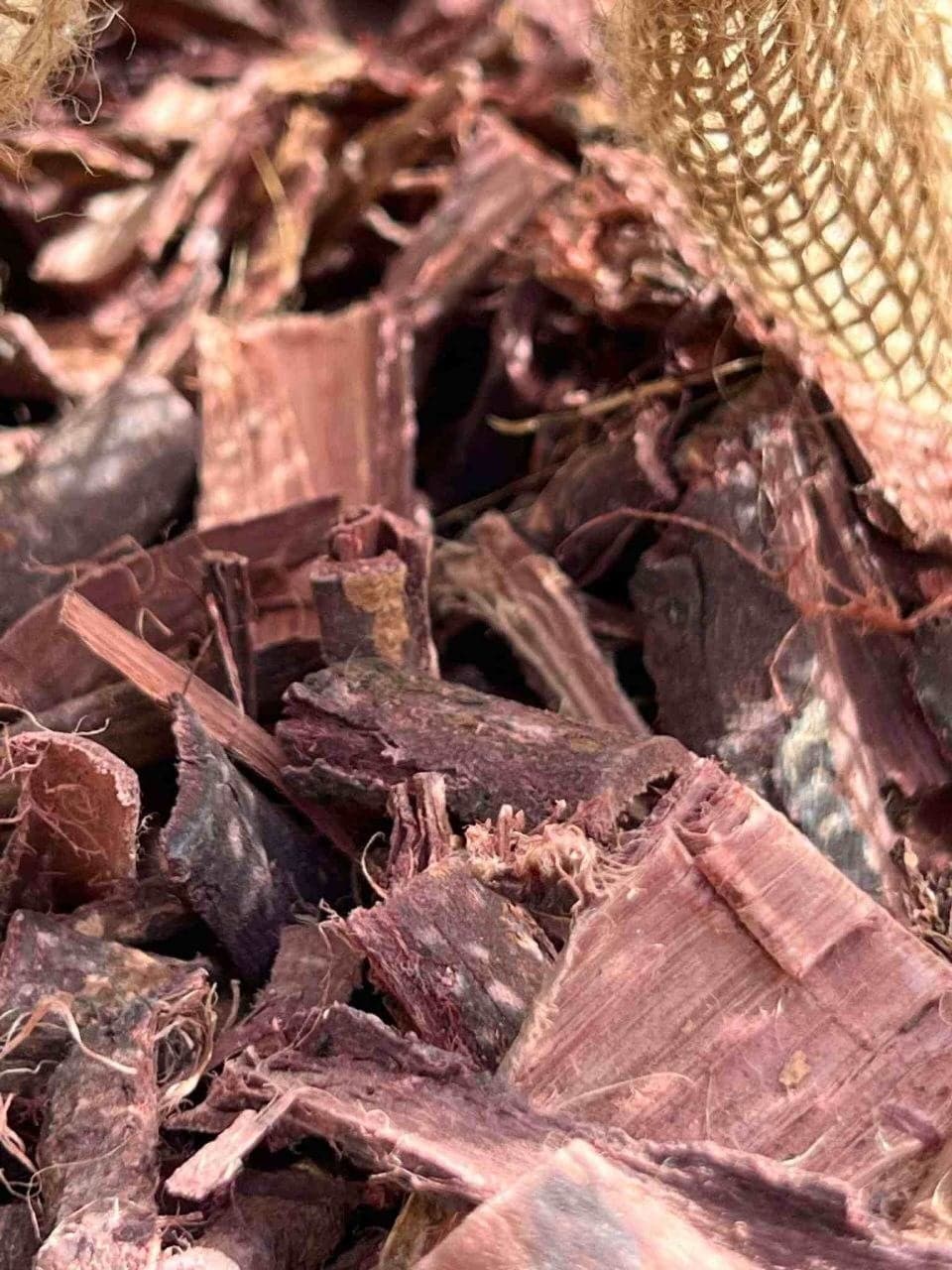
We deliver to every address in Rhode Island, from Providence, Warwick and Cranston to the smallest rural route, at the same prices as everywhere else. The delivery cost for your address shows in the cart before you order.
Standard parcel
Carries Mimosa Hostilis.
Orders to Rhode Island ship from our California branch. We do not hold stock in Rhode Island and we are not a marketplace reseller: the bark you receive is weighed and sealed by us, and the report for its batch is available on request against the code printed on the package. Mimosa Hostilis travels as a standard parcel with tracking, and shipping is confirmed with your order. Everything we sell is for adults 21 and over.
Updated
Ordering from Rhode Island takes three steps. Choose a cut and a size and place your order with your Rhode Island delivery address. A person checks the stock and the address and sends payment details for the method you chose in your order chat and by email. Once the payment arrives, the bark is weighed, packed in a nitrogen-flushed, smell-proof bag and shipped from California, and the tracking number follows. Root bark travels to Rhode Island as a standard parcel with tracking, packed in a double-sealed, smell-proof bag flushed with nitrogen so it arrives fresh. Parcel orders over one hundred dollars ship free, and the cart shows the delivery cost for your address before you send the request. Prices are the same in Rhode Island as in every other state we ship to.
Parcels to Rhode Island cross the whole country from our California branch to the Northeast, the longest journey in the lower 48, so allow a little longer than for a western address; the delivery window is confirmed with your order. The same service, at the same prices, covers neighbouring Connecticut and Massachusetts, so a guild or a class that spans the state line can order to either side of it.
USGS regional data put Rhode Island in the soft-water band. Soft water suits Mimosa hostilis well: the bath stays close to neutral, which is where the rose and plum tones hold, so most dyers here can use tap water as it comes. The one thing soft municipal water can carry is chlorine, which dulls some colors; filling the dye pot the night before and letting it stand uncovered lets most of it escape. Rainwater, naturally soft and slightly acidic, is the ideal dye water if you can collect it.
NOAA's climate summary for Rhode Island describes moist Atlantic air; about 46 inches of rain a year. Where the summers are humid, damp is the thing to guard against: keep bark sealed in its bag or an airtight jar, add a desiccant packet if it will sit for months, and store it somewhere cool rather than in a basement or a garage that sweats in summer.
Sassafras albidum, the tree our sassafras root bark comes from, is native to Rhode Island, and it is easy to spot on a walk by its three leaf shapes on one branch: plain ovals, mittens and three-lobed leaves. Dyers here are working with one of their own region's traditional dye trees; on alum-mordanted wool the root bark gives warm tans and rose-browns.
Slater Mill in Pawtucket, built in 1793 by the firm of Almy, Brown and Slater, was the first successful water-powered cotton spinning mill in the United States and the first property on the National Register of Historic Places. National Park Service, Blackstone River Valley National Historical Park
Rhode Island School of Design's Textiles department in Providence trains weavers on multiharness handlooms, computer-interfaced looms and an electronic jacquard loom, alongside hand-operated and electronic knitting machines. Rhode Island School of Design, Textiles
New to dyeing with bark? Start with how much bark per pound of fibre and keeping a bark bath purple instead of brown.
This page summarises our own shipping policy and general dyeing guidance forRhode Island. It is not legal advice. We review our shipping positions and publish the date of the last review above.
Your cart is empty
Everything we sell is batch-tested, and we tell you what ships to your state before you add it.
Browse the shop